Direct Factory Wholesale Solutions Engineered for High Solids Separation, Dewatering, and Viscous Rheology Control
Technical Architecture, Polymer Chemistry, and Biological Synthesis Advancements
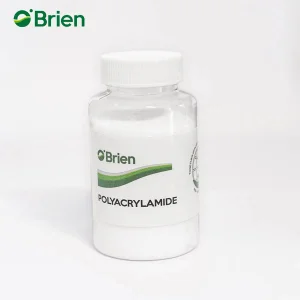
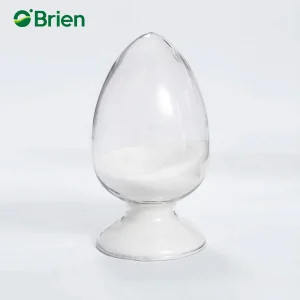
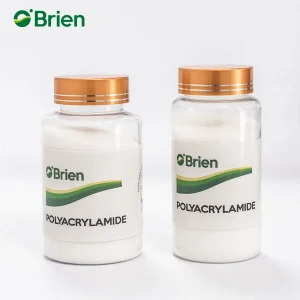
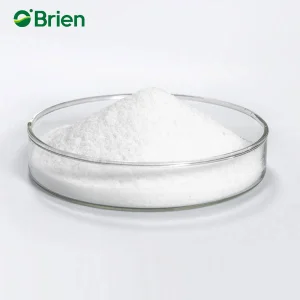
Polyacrylamide (PAM), designated under chemical abstract number CAS 9003-05-8, represents a crucial class of synthetic, water-soluble high molecular weight polymers derived from acrylamide monomers ($\text{C}_3\text{H}_5\text{NO}$). Exhibiting exceptional solubility in water and negligible solubility in organic solvents such as methanol, ethanol, and acetone, Polyacrylamide operates fundamentally as an advanced chemical agent for solid-liquid separation, rheology modification, friction reduction, and surface charge neutralization.
The molecular mass of industrial polyacrylamide ranges from 3 million to over 30 million Daltons, depending on polymerization conditions, initiator systems, and chain-transfer agents. The polymer chain contains a dense array of polar amide groups ($-\text{CONH}_2$), which participate readily in hydrogen bonding with solid suspended micro-particles in aqueous suspension, producing macroscopic flocs that settle or float rapidly.
As a leading supplier and global factory, Oubo Chemical Co., Ltd. produces customized PAM formulations tailored to specific industrial water chemistries. The following benchmark table details the core chemical metrics of our primary product lines:
| Polymer Variant | Ionic Charge Density | Molecular Weight (Million Da) | Solid Content (%) | Residual Monomer (ppm) | Primary Industrial Utility |
|---|---|---|---|---|---|
| Anionic PAM (APAM) | 5% - 80% (Carboxyl) | 8.0 - 25.0 | ≥ 88% - 90% | ≤ 500 / ≤ 250 | Municipal Wastewater, Mining Tailings, EOR, Paper Retention |
| Cationic PAM (CPAM) | 5% - 80% (Quaternary Ammonium) | 6.0 - 15.0 | ≥ 88% | ≤ 500 | Sludge Dewatering (Belt/Centrifuge), Organic Wastewater, Dyeing |
| Nonionic PAM (NPAM) | 0% - 5% (Neutral) | 3.0 - 15.0 | ≥ 89% | ≤ 500 | Acidic Wastewater, Mineral Processing, Soil Conservation, Oilfield |
| Amphoteric PAM | Dual Charge (Custom) | 5.0 - 12.0 | ≥ 88% | ≤ 500 | Complex Papermaking, Refractory Sludge Dewatering, Saline Water |
Strategic Insights into Supply Chain Dynamics, Regulatory Drivers, and Regional Market Expansion
High demand for ultra-high molecular weight APAM in hydraulic fracturing friction reducers and polymer flooding Enhanced Oil Recovery (EOR) across the Permian and Bakken basins. High salinity tolerant PAM remains a core purchasing priority.
Strict European Union REACH compliance and drinking water regulations require zero-residual acrylamide (<100 ppm) in water treatment additives. Ultra-pure CPAM dry powders dominate municipal sludge dewatering upgrades.
Accelerating demand across China, Southeast Asia, and India driven by heavy industrial wastewater discharge mandates, extensive mining operations (coal, copper, nickel), and mega-scale papermaking plants requiring retention aids.
Over a Decade of Engineering Excellence, Bio-Catalytic Innovation, and Global Supply Reliability
Established in 2011 and situated in the Free Trade Zone of Qingdao, China, Qingdao Oubo Chemical Co., Ltd. has grown at a steady annual business rate of 10%, evolving into a premiere global manufacturer of Polyacrylamide CAS: 9003-05-8. In 2018, Oubo surpassed an annual production capacity of 50,000 Metric Tons, solidifying our rank among elite global polymer suppliers.
Unlike traditional chemical synthesis using acrylonitrile hydrolyzed via copper catalysts (which leaves residual copper traces and higher monomer toxicity), Oubo employs an advanced microbial bio-catalytic enzymatic process to convert acrylonitrile to acrylamide monomer. This patented eco-friendly approach yields ultra-pure monomers with higher conversion rates, enabling the polymerization of ultra-high molecular weight polymers (>25 Million Da) with low residual acrylamide levels.
Our raw materials are sourced globally from premier chemical giants including SINOPEC, ENI, and Shell. Every production line operates under full automation. Each finished batch undergoes a rigorous 3-stage Quality Control (QC) testing matrix (Viscosity, Charge Density, and Dissolution Rate analysis) prior to packaging and release, ensuring complete lot-to-lot consistency under our globally registered brand O'brien.
Targeted Polymer Chemistry Engineered for Maximum Separation Efficiency and System Optimization
Polyacrylamide acts as a high-performance primary flocculant and sludge conditioner. In municipal wastewater plants, Cationic Polyacrylamide (CPAM) neutralizes the negative charge of organic biological sludge, facilitating rapid dewatering in belt filter presses, decanter centrifuges, and plate-and-frame filter presses. In industrial effluent (petrochemical, tannery, pharmaceutical, food processing), Anionic Polyacrylamide (APAM) forms dense micro-flocs through bridging adsorption, reducing chemical oxygen demand (COD), total suspended solids (TSS), and turbidity in clarifiers and dissolved air flotation (DAF) units.
In tertiary oil recovery (Enhanced Oil Recovery - EOR), high molecular weight APAM is injected into reservoirs to increase water phase viscosity, improve sweep efficiency, and mobility ratio. As a drilling fluid additive, NPAM and APAM provide fluid loss control, shale hydration inhibition, bit lubrication, and cuttings transport in high-temperature, high-salinity subterranean environments.
In coal washing plants, copper, gold, silver, iron ore, and alumina (Bayer process) refining, tailings slurries present major disposal challenges. Nonionic and Anionic Polyacrylamide polymers promote solid-liquid separation in thickeners and settling ponds, enabling rapid water recycling and closed-loop process compliance.
PAM is extensively utilized as a paper retention aid, drainage promoter, and strength enhancer. Cationic PAM binds directly to negatively charged cellulose fibers and fillers, retaining short fibers, titanium dioxide, and calcium carbonate while enhancing tensile, burst, and tear strength of paper sheets.
Pioneering the Next Generation of Eco-Friendly, High-Salinity, and Thermal-Tolerant Polyacrylamide Solutions
Transitioning fully toward green enzymatic catalysts capable of producing acrylamide monomers with undetectable trace toxicity, meeting global municipal direct drinking water purification directives (NSF/ANSI Standard 60).
Development of terpolymers incorporates hydrophobic associative monomers capable of maintaining high viscosity in oilfield brine environments exceeding 200,000 ppm TDS and temperatures above 120°C for offshore EOR operations.
Integration of reversible cross-linking bonds and bio-derived co-monomers ensuring controlled degradation of spent polymer flocs into non-toxic organic residues following mineral tailings dewatering and agricultural soil conditioning.
Customized Packaging Options Designed for Maximum Moisture Resistance, Long Shelf Life, and Transport Efficiency
Oubo Chemical provides robust, triple-layer moisture barrier packaging tailored to diverse international shipping requirements, container consolidation, and automated chemical dosing hoppers.
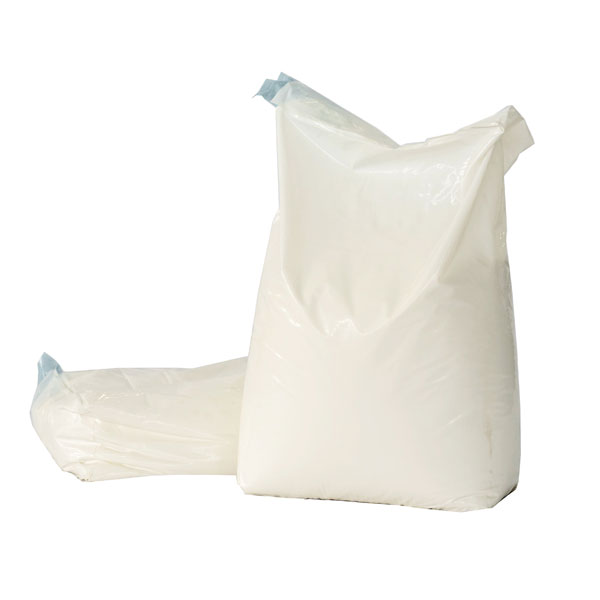
25kg Kraft / PE Bag without printing for OEM distributors.
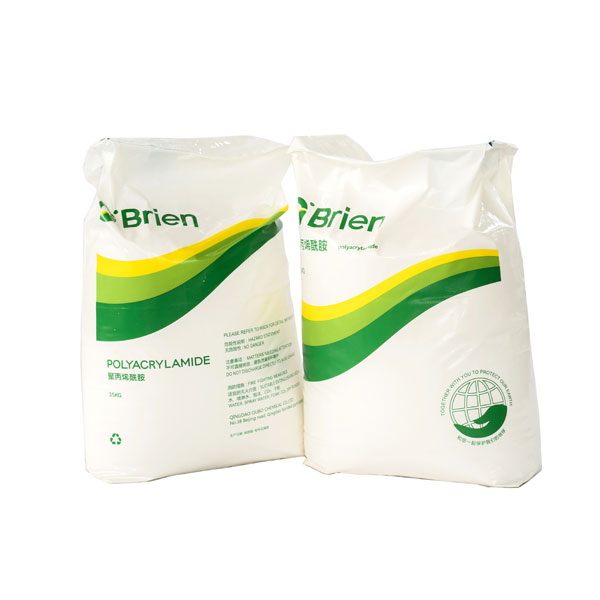
Multi-wall paper plastic complex bag with inner PE liner.
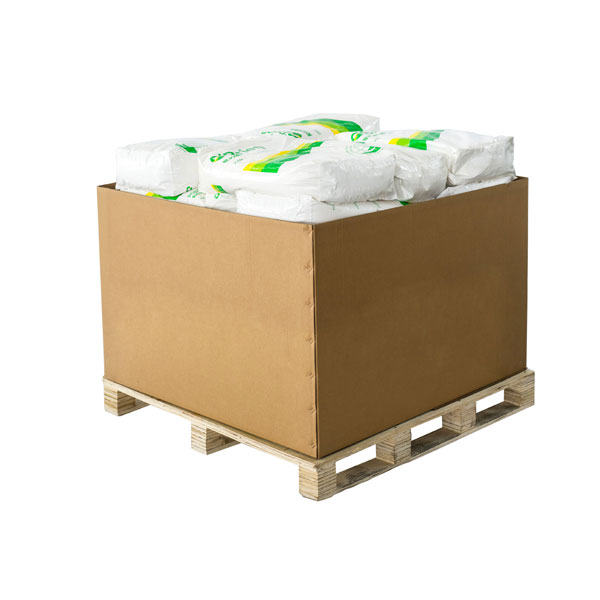
750kg - 1000kg FIBC Ton Bag for high-volume industrial mining.
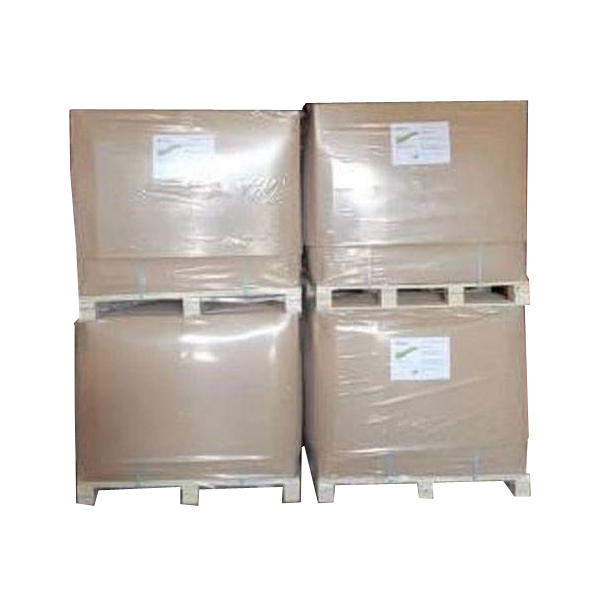
Palletized with shrink film wrapping; 1.2 to 1.5 MT per pallet.
Essential Answers to Technical Selection, Dissolution Procedures, and Chemical Storage Standards
High Molecular Weight Flocculants and Coagulants for International Industrial Applications
 Oubo Chemical