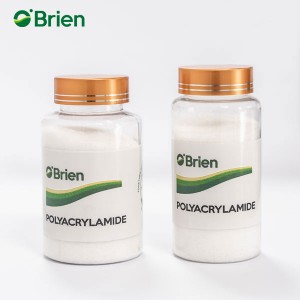
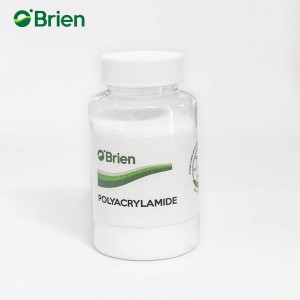
Explore our industrial-grade Anionic, Cationic, and Nonionic Polyacrylamide chemical reagents optimized for high-efficiency solid-liquid separation.
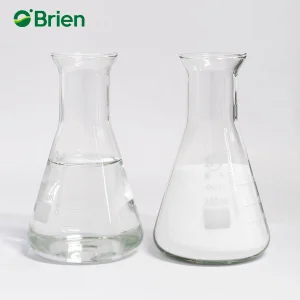
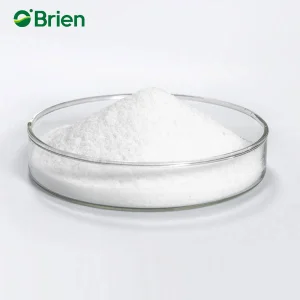
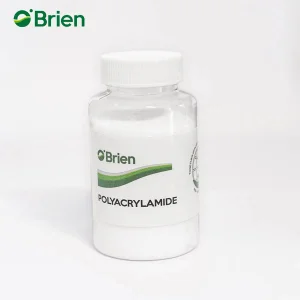
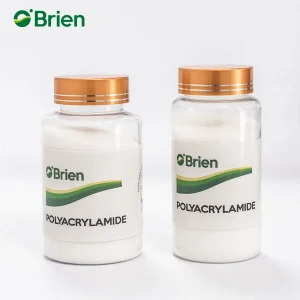
Qingdao Oubo Chemical Co., Ltd — Technical Superiority, Sustainable Innovation, and Uncompromising Quality Assurance
Oubo Chemical Co., Ltd was established in 2011, located strategically within the Free Trade Zone of Qingdao, China. Over more than a decade of focused development, Oubo has maintained a robust annual business growth rate of 10%, evolving into a world-class manufacturer and global supplier of water-soluble polymers.
The Quality Control (QC) system at O'Brien / Oubo is exceptionally strict and comprehensive. Highly committed to quality and operational excellence, Oubo pays rigorous attention to environmental safety during both polymer synthesis and field operations. In 2018, our annual capacity for high-grade polyacrylamide surpassed 50,000 Metric Tons, fully certified under the ISO9001:2008 Quality Management System.
Understanding Charge Density, Molecular Weight Metrics, and Flocculation Kinetics
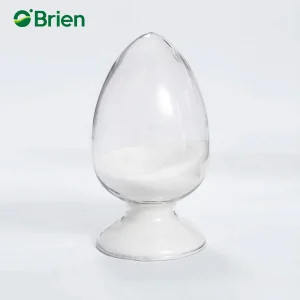
Polyacrylamide (PAM) is a linear water-soluble polymer synthesized from acrylamide monomers. Anionic Polyacrylamide (APAM) is copolymerized with acrylic acid salts or hydrolyzed from polyacrylamide to introduce negatively charged carboxylate groups (—COO⁻) along the polymer backbone.
APAM operates primarily through polymer bridging. The long-chain molecules adsorb onto the surface of suspended solid particles simultaneously. By spanning across multiple particles, APAM forms dense, fast-settling micro-flocs and large macro-flocs, rapidly clarifying turbidity.
In suspended systems containing positively charged mineral particles or heavy metals, the negative charges of APAM's carboxylate groups neutralize surface charges, reducing electrostatic repulsion (zeta potential) and facilitating rapid aggregation.
| Product Grade | Molecular Weight (Million Da) | Degree of Hydrolysis (Charge Density) | Solid Content (%) | Dissolution Time (Mins) | Primary Industrial Field |
|---|---|---|---|---|---|
| APAM Ultra High MW | 18 - 25 Million | 20% - 30% Low-Medium | ≥ 88% Powder | ≤ 60 min | Enhanced Oil Recovery (EOR), Mineral Tailings |
| APAM High MW | 12 - 18 Million | 30% - 40% Medium-High | ≥ 88% Powder | ≤ 50 min | Municipal Wastewater, Industrial Clarification |
| APAM Medium MW | 6 - 12 Million | 10% - 20% Low | ≥ 88% Powder | ≤ 45 min | Sugar Refining, Paper Retention & Dispersant |
| NPAM (Nonionic) | 8 - 15 Million | 0% - 5% Ultra Low | ≥ 88% Powder | ≤ 60 min | Acidic Wastewater, Coal Washing Tailings |
Tailored Polyacrylamide Formulations Engineered for Specialized Global Industry Challenges
Used as an indispensable flocculating agent in industrial solid-liquid separation including sedimentation, clarification, and centrifugal sludge dewatering. Crucial for municipal sewage plants, tannery, paper, citric acid, pharmaceutical, and dyeing effluents under strict environmental regulations.
Functions as a mobility control agent in Enhanced Oil Recovery (EOR), profile control, and well plugging. Added to drilling fluids to control fluid loss, inhibit shale hydration, lubricate drill strings, and carry drill cuttings efficiently.
Accelerates slurry settling and solid-liquid separation in coal washing, tailings thickeners, and filtration systems. Essential for recovery operations in Gold, Silver, Copper, Iron, Nickel, and Uranium extraction.
Serves as paper retention aid, drainage aid, wet/dry strength enhancer, and fiber dispersant. Neutralizes anionic trash, reduces fiber loss, improves sheet formation, and clarifies white water for circular recycling.
Food-grade polyacrylamide formulations act as clarifying agents in sugar cane juice clarification and sugar beet syrup flotation, efficiently precipitating organic impurities and turbid suspensions.
Utilized as a high-performance sizing agent, fabric finishing chemical, and anti-static processing aid. Facilitates smooth yarn weaving, reduces thread breakage, and clarifies intense dye effluent.
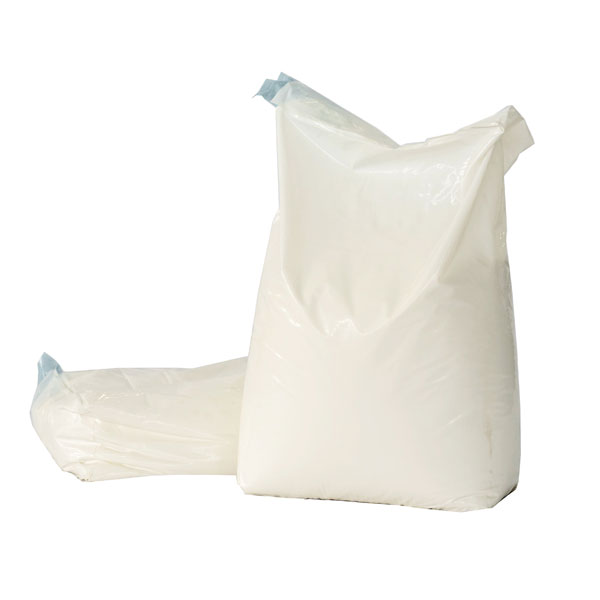
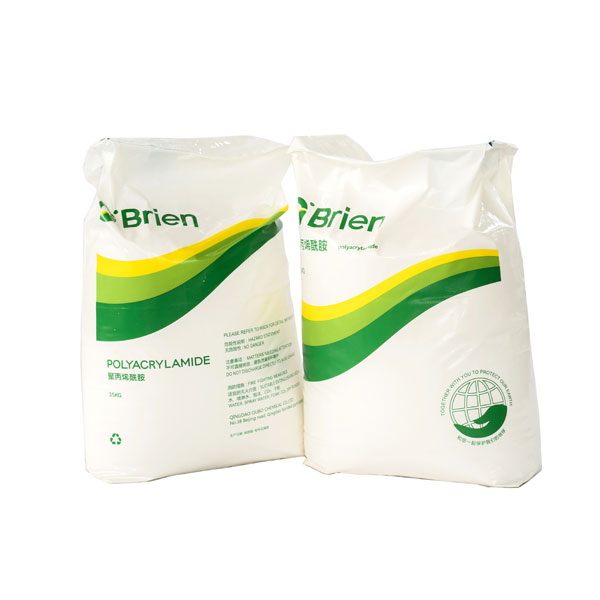
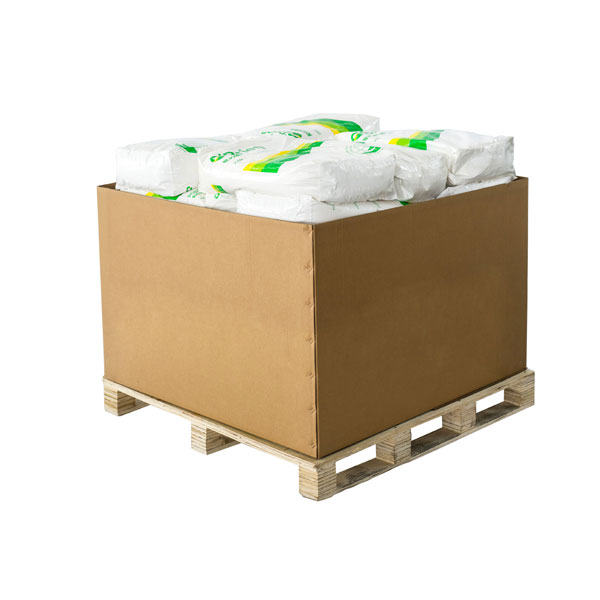
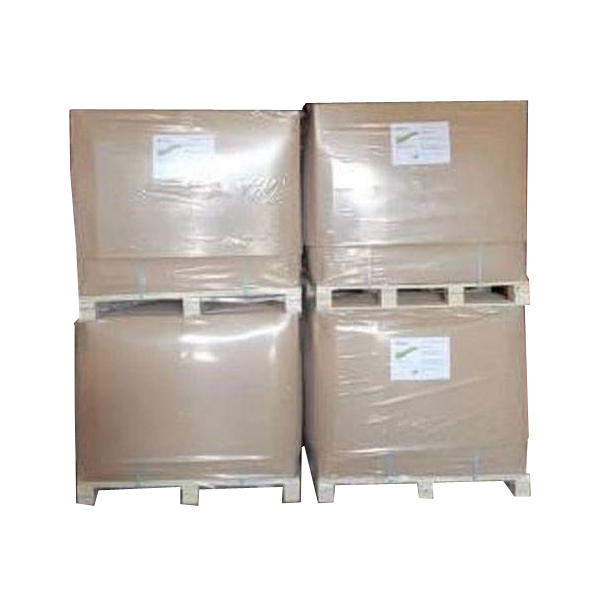
Discover our diverse polymer classifications and export-grade moisture-proof packaging options.
In-Depth Examination of How Polyacrylamide Hydrodynamics Transform Industrial Performance
In paper manufacturing, APAM functions far beyond simple water treatment:
Polyacrylamide serves critical roles under harsh downhole conditions:
Driving Next-Generation Polymer Engineering Towards Zero Carbon & Eco-Friendly Chemistry
Targeting residual acrylamide (AMD) levels under 100 ppm across all industrial grades, fulfilling ultra-strict environmental regulations for potable water and food-contact papermaking.
Investing in enzymatic fermentation technology derived from renewable carbon feedstocks to reduce reliance on petrochemical intermediates and lower product carbon footprints.
Developing intelligent polymer preparation systems integrated with optical turbidimeters and streaming current detectors for dynamic real-time dosage regulation.
Expert Guidance on Selecting, Preparing, and Applying Polyacrylamide Formulations
High-grade wholesale formulations tailored for specialized industrial sectors worldwide.
 Oubo Chemical