Wholesale Partially Hydrolyzed Polyacrylamide (PHPA) MSDS Manufacturer & Suppliers

Industrial-Grade Macromolecular Polymer Solutions | ISO 9001:2015 Certified Manufacturing | Comprehensive MSDS & Global Regulatory Compliance for Oilfield, Mining, and Water Treatment

Core Catalog

Featured Commercial Polymer Formulations

Cationic Polyacrylamide for Sludge Dewatering
Wholesale Cationic Polyacrylamide (CPAM) for Sludge Dewatering & Industrial Wastewater Flocculation
View Specifications
Cationic Polyacrylamide Powder
Wholesale Cationic Polyacrylamide Powder for Municipal & Industrial Wastewater Treatment
View Specifications
Nonionic Polyacrylamide Flocculant
China Nonionic Polyacrylamide Flocculant for Acidic Industrial Wastewater Treatment
View Specifications
Anionic Polyacrylamide Sewage Treatment
Wholesale Anionic Polyacrylamide (APAM) for Municipal Sewage Treatment & Sludge Dewatering
View Specifications
High Molecular Weight Anionic Polyacrylamide
Wholesale High Molecular Weight Anionic Polyacrylamide for Petrochemical Wastewater
View Specifications
Cationic Polyacrylamide Supplier
China Cationic Polyacrylamide Premium Grade Manufacturer & Supplier
View Specifications
Textile Flocculant Polyacrylamide
Wholesale Cationic Polyacrylamide (CAS 9003-05-8) Flocculant for Textile & Dyeing Wastewater
View Specifications
Paper Strength Agent Polyacrylamide
China PAM Anionic Polyacrylamide Dry & Wet Strength Agent for Paper Industry
View Specifications
50,000+
Annual Tons Capacity
ISO 9001
Quality Management
30-40%
Controlled Hydrolysis Degree
100%
GHS MSDS Compliance
Technical Whitepaper

Partially Hydrolyzed Polyacrylamide (PHPA): Chemistry, MSDS Specifications & Molecular Dynamics

Partially Hydrolyzed Polyacrylamide (PHPA) is a synthetic, water-soluble co-polymer synthesized via the partial alkaline hydrolysis of polyacrylamide (PAM) or through the direct copolymerization of acrylamide with acrylate monomers. Designed specifically to provide superior rheological control, clay encapsulation, shale inhibition, and high-efficiency flocculation, PHPA stands as a cornerstone chemical additive across the petroleum extraction, civil foundation engineering, and mineral beneficiation sectors globally.

Chemical Structure & Hydrolysis Mechanism

The key functional characteristic of PHPA lies in its partially hydrolyzed backbone. During synthesis, a precise percentage of the amide groups (-CONH₂) are converted into anionic carboxylate groups (-COO⁻Na⁺). This yields a copolymer containing both nonionic acrylamide units and anionic acrylate units.

  • Degree of Hydrolysis (DH): Typically engineered between 30% and 40%, ensuring optimum charge density for electrostatic repulsion along the polymer chain, promoting chain expansion and maximum intrinsic viscosity.
  • Molecular Weight Range: High to Ultra-High Molecular Weight (ranging from 12 Million to 25 Million Daltons), allowing long macromolecular chains to bridge suspended colloidal particles effectively.
  • Rheological Behavior: Exhibits strong pseudoplastic (shear-thinning) fluid dynamics. Under high shear rates (e.g., at the drill bit), viscosity decreases to reduce pumping energy; under low shear rates (in the annulus), viscosity increases to maximize cutting transport.

Enterprise Profile & Oubo Chemical Standards

Established in 2011 within the Qingdao Free Trade Zone, China, Qingdao Oubo Chemical Co., Ltd. has grown into an international leader in polyacrylamide production. With an annual polymer synthesis capacity breaking through 50,000 Metric Tons in 2018, Oubo Chemical operates under strict ISO 9001:2008 / ISO 9001:2015 quality control frameworks.

Oubo utilizes advanced biological enzymatic monomer synthesis pathways—a patented process that yields exceptionally high-purity acrylamide with low residual monomer content (<0.05%), substantially reducing environmental toxicity profiles while maintaining ultra-consistent polymer chain lengths.

Regulatory Compliance

PHPA Material Safety Data Sheet (MSDS) & Technical Performance Matrix

Procuring wholesale PHPA requires absolute alignment with international safety standards, OSHA Hazard Communication Standards, and GHS classification. Below is the standardized technical specification and hazard identification data derived from Oubo Chemical's certified MSDS documents.

Property Parameter Standard Specification (Technical Grade) High-Purity Oilfield Grade Test Method / Standard
Chemical Identity Partially Hydrolyzed Polyacrylamide (PHPA) Anionic Polyacrylamide Sodium Salt CAS No. 9003-05-8 / 25085-02-3
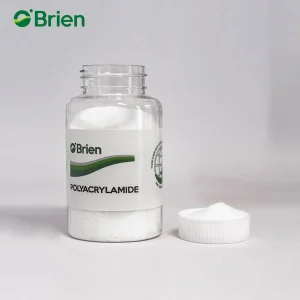
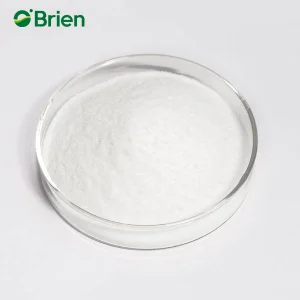
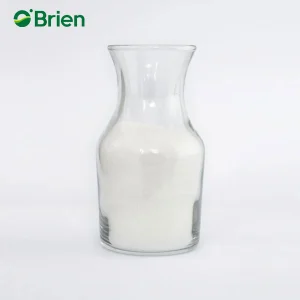
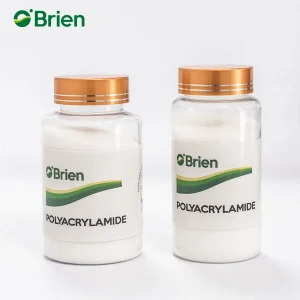
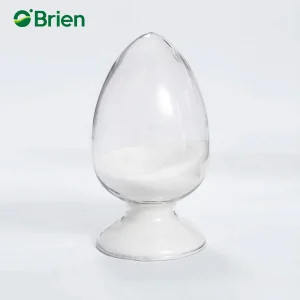
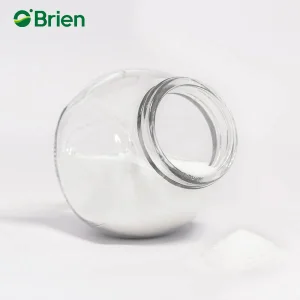
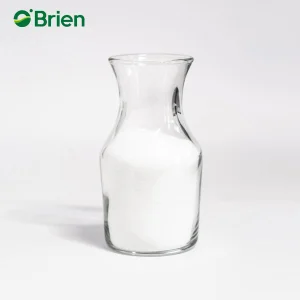
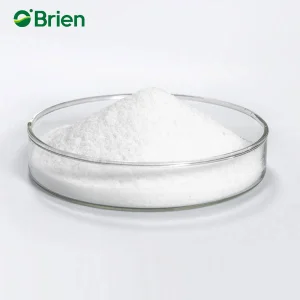
Physical Appearance White to Off-White Granular Powder Free-Flowing Fine White Granules Visual Inspection
Degree of Hydrolysis 25.0% - 35.0% 30.0% - 40.0% Potentiometric Titration
Molecular Weight (MW) 14 - 18 Million Daltons 18 - 25 Million Daltons Viscometry (Intrinsic Viscosity)
Solid Content (%) ≥ 88.0% ≥ 90.0% 105°C Drying Oven (ISO 3727)
Residual Acrylamide Monomer ≤ 0.05% (500 ppm) ≤ 0.025% (250 ppm) HPLC Analysis
Dissolving Time ≤ 60 Minutes ≤ 45 Minutes Standard Mechanical Agitation (400 RPM)
pH Value (0.1% Sol.) 7.0 - 9.0 7.5 - 8.5 Digital pH Meter at 25°C

MSDS Hazard & Health Identification

GHS Classification: Non-hazardous polymer matrix under standard handling. However, like most organic dust powders, particulate accumulation presents minor inhalation and slip hazards.

  • Eye Contact: Mild mechanical irritation. Flush with copious water.
  • Skin Contact: Non-irritating to intact skin. Wash with soap and water.
  • Slip Hazard: Spilled powder becomes extremely slippery when wet. Dry cleanup recommended before flushing with water.

Handling & Safe Storage Protocols

Store in original sealed packaging in a cool, dry, well-ventilated warehouse away from direct sunlight, moisture, and incompatible oxidative materials.

  • Shelf Life: 24 months under dry indoor ambient conditions (<40°C).
  • Personal Protective Equipment (PPE): Safety glasses, dust masks (N95 grade), and nitrile gloves are recommended during bulk powder transfer.

Ecotoxicological & Bio-Safety Profile

PHPA exhibits low aquatic toxicity to freshwater fish and microorganisms due to its high molecular size preventing cellular membrane absorption.

  • LC50 (Fish, 96h): > 1000 mg/L (Rainbow Trout).
  • Biodegradability: Slowly biodegradable backbone; carboxylate groups undergo natural bio-fragmentation without producing toxic aromatic residues.
Macro Solutions

Global Industrial Applications & Cross-Sector Engineering Solutions

Due to its multifunctional capability as a protective colloid, shale encapsulant, thickener, and flocculant, Oubo Chemical's PHPA series delivers macro-level performance across diverse industrial verticals.

1. Oilfield Drilling Fluids & EOR

In water-based drilling muds, PHPA serves as a primary shale stabilizer and mud viscosifier according to API 13A standards.

  • Shale Encapsulation: Adsorbs onto reactive clay formations, forming a protective polymer skin that suppresses clay swelling and bit balling.
  • Enhanced Oil Recovery (EOR): Used in polymer flooding to increase water phase viscosity, improving sweep efficiency in mature petroleum reservoirs.
  • Drilling Fluid Loss Control: Seals micro-fractures along borehole walls to reduce fluid loss into permeable formations.

2. Mining & Mineral Beneficiation

Extensively deployed in coal washing, iron ore separation, alumina processing, and precious metal extraction.

  • Tailings Dewatering: Rapidly accelerates thickener settling rates, enabling clean water recycling in arid mining locations.
  • Solid-Liquid Separation: Promotes formation of large, compact flocs during mechanical filtration and centrifugation processes.
  • Pyrometallurgical & Hydrometallurgical Effluent: Clarifies toxic mineral slurry wash waters efficiently.

3. Civil Engineering & Geotechnical Drilling

Crucial additive in bored piling, diaphragm walling, horizontal directional drilling (HDD), and micro-tunneling operations.

  • Borehole Wall Stabilization: Prevents soil collapse in unstructured sands and gravel beds.
  • Lubrication: Lowers mechanical friction on drill strings and pipe jacking equipment, accelerating penetration rates.
  • Easy Degumming: Facilitates easy break-down upon completion using mild oxidizers.

4. Municipal & Industrial Wastewater

Serves as a high-performance anionic flocculant for primary clarification and secondary sludge dewatering applications.

  • Suspended Solid Removal: Neutralizes charge and bridges organic solids in paper, textile, and tannery effluents.
  • Sludge Volume Reduction: Maximizes cake dryness during belt filter pressing and decanter centrifuge operations.

5. Pulp & Paper Manufacturing

Utilized as a paper retention agent, wet-end dry strength enhancer, and process white water clarifier.

  • Fiber Retention: Significantly increases retention of fine wood fibers and mineral fillers (TiO₂, CaCO₃).
  • Drainage Speed: Accelerates wire-section dewatering, lowering machine thermal energy consumption.

6. Agriculture & Soil Conditioning

Applied to combat agricultural soil erosion, reduce irrigation runoff siltation, and enhance water infiltration.

  • Structure Stabilization: Binds fine soil particles into aggregates, preventing wind and water erosion.
  • Moisture Retention: Enhances soil water retention capacity in arid agricultural zones.
Industry Analysis & Roadmap

Global PHPA Market Drivers, Trends & Technical Outlook (2025–2030)

The demand for Partially Hydrolyzed Polyacrylamide is expanding rapidly, driven by stringent global environmental regulations on industrial wastewater discharge and elevated oil exploration in complex high-temperature, high-salinity (HTHS) fields.

Regional Market Dynamics

  • North America (Permian Basin, Montney): Demand driven by hydraulic fracturing fluid slickwater friction reducers and drilling fluid shale encapsulation for deep horizontal wells.
  • Middle East & North Africa (GCC Region): Intense focus on polymer-assisted Enhanced Oil Recovery (EOR) projects in carbonate and sandstone reservoirs requiring shear-stable, thermal-resistant PHPA variants.
  • Asia-Pacific (China, Australia, Southeast Asia): Mining boom (lithium, nickel, copper, coal) drives massive volumetric procurement of high molecular weight anionic PHPA for tailing pond reclamation and water recycling.
  • Europe & Latin America: Stringent municipal water recycling mandates paired with expanding lithium brine extraction techniques.

Next-Generation R&D Roadmap

Oubo Chemical invests heavily in continuous technical innovation. Our research & development roadmap highlights three primary technological breakthroughs:

  1. Temperature & Salt Resistant Polymers (HTHS): Incorporating ATBS (2-Acrylamido-2-methylpropanesulfonic acid) co-monomers into the PHPA backbone to withstand reservoir temperatures exceeding 120°C and total dissolved solids (TDS) over 200,000 ppm.
  2. Ultra-Fast Dissolving Micro-Spheres: Engineering bead-form and inverse-emulsion PHPA formulations that dissolve within 10–15 minutes without forming un-dissolved polymer aggregates ("fish-eyes").
  3. Bio-Sourced & Low-Carbon Monomers: Transitioning towards bio-based acrylamide synthesis using enzymatic biocatalysis to lower product carbon footprints by up to 30%.
Manufacturing & Logistics

Oubo Chemical Manufacturing Authority & Packaging Options

Qingdao Oubo Chemical Co., Ltd. operates state-of-the-art automated polymer synthesis lines. Raw materials are sourced globally via strategic partnerships with industry giants such as SINOPEC and Eni, ensuring raw monomer purity and reliable supply chain execution.
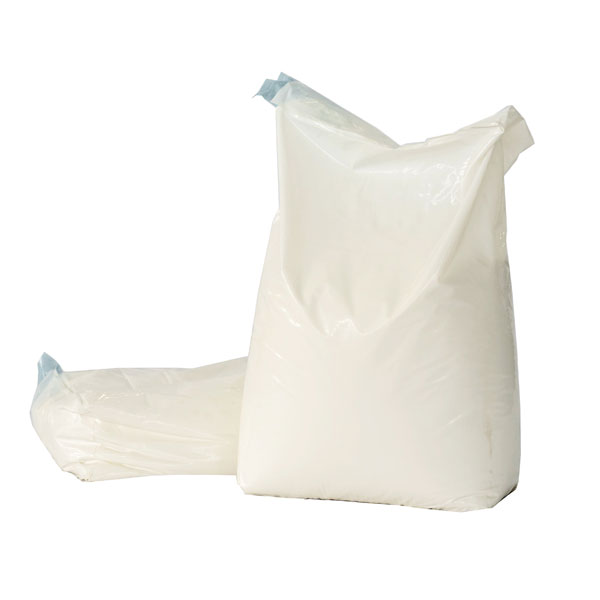
Blank-bag packaging
Blank Neutral Packaging Bag

25kg Kraft Paper / PE Inner Liner for Custom OEM Branding
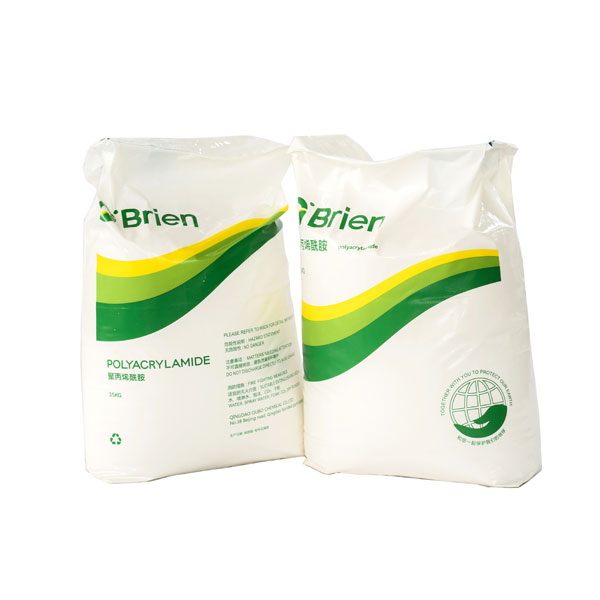
Normal-bag packaging
Standard Printed Brand Bag

High-strength 25kg multi-wall paper bag with O'brien branding
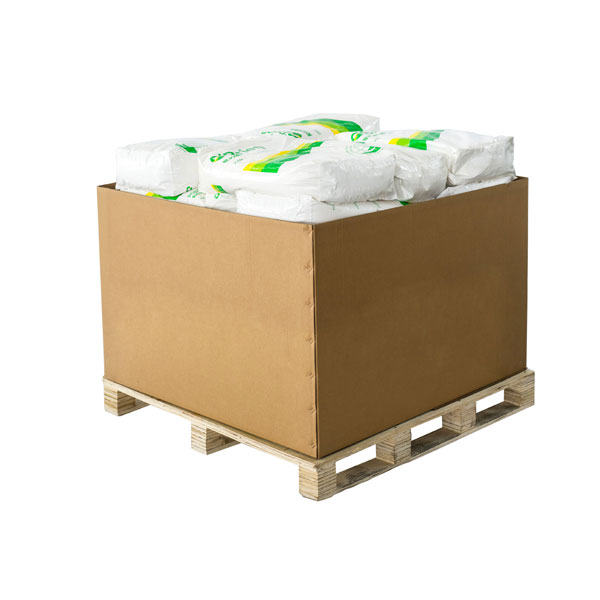
Jumbo Package
750kg / 1000kg Jumbo Bulk Bag

Heavy-duty woven FIBC bags for bulk industrial consumers
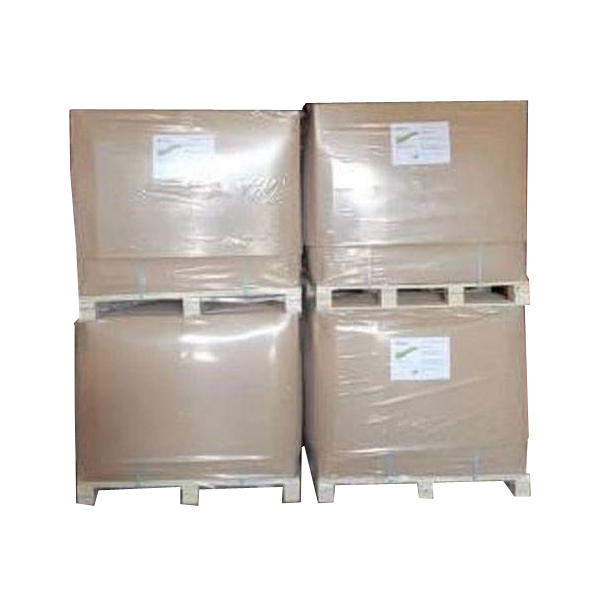
Pallet Packaging
Fumigated Export Palletizing

Shrink-wrapped pallets with plastic corner guards for sea transport

Expert Inquiry

Frequently Asked Questions (FAQ) & MSDS Operational Guidance

Technical inquiries compiled by Oubo Chemical's senior application engineers regarding PHPA purchasing, MSDS interpretation, and field application.
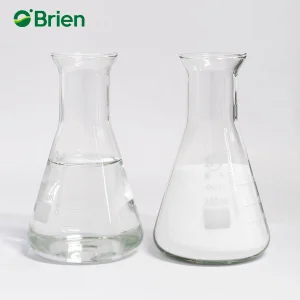
What is the primary difference between standard Anionic PAM and PHPA?
While both belong to the anionic polyacrylamide family, Partially Hydrolyzed Polyacrylamide (PHPA) is specifically manufactured to achieve a highly controlled degree of hydrolysis (typically 30–40%) combined with ultra-high molecular weight (18–25 Million Daltons). This optimization provides maximum chain extension in water, exceptional viscosity yield at low dosages, and specific affinity for binding reactive clay lattices, making it superior for drilling fluid shale inhibition and Enhanced Oil Recovery (EOR).
How do I obtain the certified MSDS for bulk PHPA orders?
Oubo Chemical provides full GHS-compliant Material Safety Data Sheets (MSDS) / Safety Data Sheets (SDS) in multiple languages (English, Spanish, Russian, Arabic, French) with every shipment inquiry. The MSDS outlines REACH registration details, hazard identifications, emergency spill response instructions, and toxicological data. You can contact our technical sales team directly to request custom MSDS documents matching your local regulatory requirements.
What is the proper procedure for dissolving PHPA powder in field conditions?
To prevent insoluble gel agglomerates ("fish-eyes"), PHPA powder must be slowly metered into water using an educator hopper or mechanical mechanical disperser. The makeup water should ideally have low salinity and a neutral pH (6.5–8.0). Agitate at moderate speed (300–500 RPM) for 45 to 60 minutes until the solution becomes completely clear and homogeneous. Avoid high-shear pumps (like centrifugal pumps) after dissolution to prevent shear degradation of the high molecular polymer chains.
What is the typical dosage of PHPA in oilfield drilling muds?
In water-based drilling mud systems, standard PHPA concentration ranges between 0.5 kg/m³ and 3.0 kg/m³ (approx. 0.2 to 1.0 ppb). For bentonite-extended mud systems, lower concentrations (0.2–0.5 kg/m³) are used, whereas clear-water solids-free drilling fluids or severe reactive shale sections require higher loadings (2.0–4.0 kg/m³) to maintain borehole integrity.
How does thermal degradation affect PHPA performance in high-temperature wells?
Standard PHPA starts to undergo thermal hydrolysis above 90°C (194°F), which increases its charge density and makes it susceptible to divalent ion precipitation (Ca²⁺, Mg²⁺). For High-Temperature High-Salinity (HTHS) wells operating up to 140°C, Oubo Chemical supplies modified thermal-stabilized PHPA copolymers incorporated with ATBS monomers that maintain viscosity and mud gel strength under extreme geothermal gradients.
Is Oubo Chemical capable of manufacturing private-label or OEM packaging?
Yes. Oubo Chemical provides comprehensive OEM/ODM manufacturing services. We offer custom bag designs (craft paper, PE bags, blank neutral bags) and customized pallet sizes. Furthermore, molecular weight, hydrolysis levels, and mesh sizes (20–80 mesh) can be tailored to meet your regional distributor or end-client contract specifications.
Complete Portfolio

Additional Industrial Polymer Solutions

Nonionic Polyacrylamide Suppliers
China Nonionic Polyacrylamide High-Purity Manufacturers & Suppliers
View Specifications
Food Processing Flocculant
Wholesale Anionic Polyacrylamide Powder Flocculant for Food Processing & Sugar Refining
View Specifications
Paper Making Cationic Polyacrylamide
China Cationic Polyacrylamide Retention & Drainage Aid for Paper Making Industry
View Specifications
Wholesale PAM Anionic Polyacrylamide
Wholesale PAM Anionic Polyacrylamide Direct Factory Manufacturer & Supplier
View Specifications
Nonionic Polyacrylamide Mineral Processing
Wholesale Nonionic Polyacrylamide (NPAM) for Mineral Processing & Metallurgical Dressing
View Specifications
Coal Washing Polyacrylamide
Wholesale High Molecular Weight Polyacrylamide for Coal Washing & Tailings Dewatering
View Specifications
Oilfield Drilling Fluid Thickener
China Nonionic Polyacrylamide (PAM) Thickener for Oilfield Drilling Fluid
View Specifications
Anionic Polyacrylamide Suppliers
Wholesale Anionic Polyacrylamide High Molecular Weight Supplier
View Specifications