Premium Grade Water-Soluble Polymers Engineered for Papermaking, Water Treatment, & Industrial Processing
Strategic Insights for Modern Paper Mills, Chemical Procurement Directors, and Process Engineers
The modern global paper and pulp industry is undergoing a profound structural evolution driven by stringent global environmental regulations, rising energy costs, and an accelerated transition toward circular economy models. High-speed paper machines operating at speeds upwards of 1,500 to 1,800 meters per minute require ultra-precise wet-end chemistry management. In this demanding operational environment, specialized water-soluble polymers—specifically Polyacrylamide (PAM)—have transitioned from simple process additives to critical enablers of operational profitability, sheet quality, and environmental compliance.
Key Market Insight: High-performance Polyacrylamide formulations increase first-pass retention (FPR) of fine fibers and mineral fillers by up to 35%, directly decreasing vacuum pump energy consumption and steam drying requirements while reducing wastewater Chemical Oxygen Demand (COD).
Global paper manufacturers face interconnected technical challenges that necessitate advanced chemical solutions:
World-Leading Technical Innovation, Patented Biological Synthesis, and Uncompromising Quality Assurance
Qingdao Oubo Chemical utilizes cutting-edge bio-catalytic enzyme technology to synthesize Acrylamide monomer. This eco-friendly process guarantees higher polymer linearity, ultra-high molecular weight distribution, and lower residual monomer content (<500 ppm).
Our fully automated production lines source raw materials exclusively from premier global chemical producers like SINOPEC and Eni. Every production batch undergoes triple-stage QC testing to ensure full compliance with ISO 9001:2008 standards.
Our experienced chemical engineers actively participate in pre-sales analysis, pulp testing, laboratory bench evaluations, and post-sales mill trial optimization to guarantee seamless polymer integration for your machine setup.
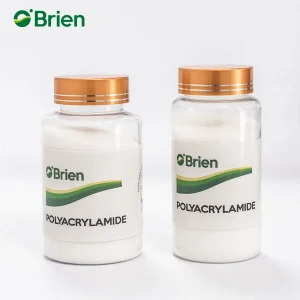
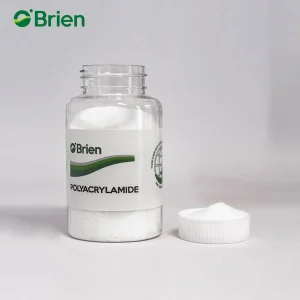
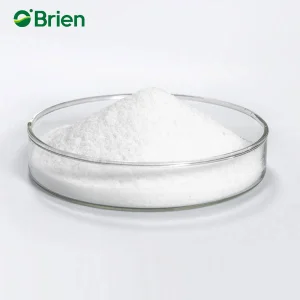
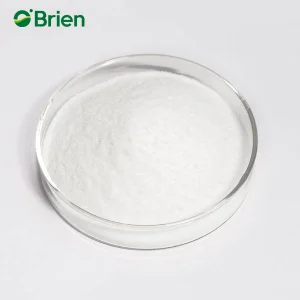
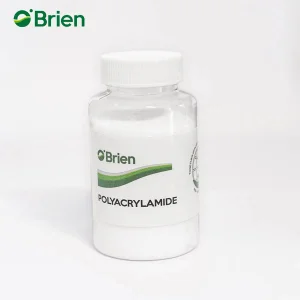
Polyacrylamide (CAS No. 9003-05-8) is a water-soluble synthetic resin produced by the polymerization of acrylamide subunits. Its performance across papermaking and industrial separation processes depends directly on its molecular weight (ranging from 4 million to over 22 million Daltons) and charge density (cationic, anionic, or nonionic).
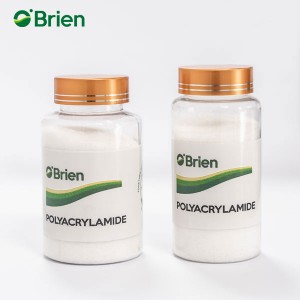
Formulated via copolymerization of acrylamide with cationic monomers (such as DAC or DMC). CPAM carries a positive charge that neutralizes negatively charged wood fibers, fines, and fillers. Widely applied as retention aids, drainage accelerators, and sludge dewatering flocculants.
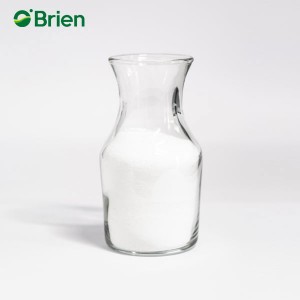
Produced via copolymerization with acrylic acid monomers. APAM contains carboxylate groups providing a negative ionic charge. Highly effective as dry/wet strength resins, white water recovery flocculants, and dispersants for specialized paper coatings.
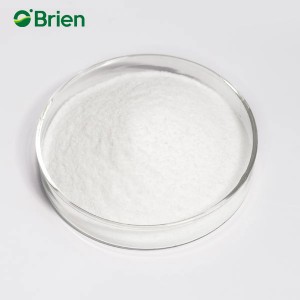
Homopolymer featuring minimal ionic charge. Operates primarily through extensive hydrogen bonding and bridging mechanism. Ideal as a fiber dispersant in specialty tissue or filter paper manufacturing, acidic effluent clarification, and mineral dressing.
During sheet formation on the Fourdrinier wire or twin-wire former, fine fibers and inorganic fillers (calcium carbonate, titanium dioxide, talc) tend to pass through the forming fabric. Oubo's Cationic Polyacrylamide binds these micro-particles onto longer cellulose fibers via electro-neutralization and polymer bridging. This dramatically improves First Pass Retention (FPR) and First Pass Ash Retention (FPAR), optimizing chemical usage and improving sheet uniformity.
Mechanical pulps, recycled fibers, and unbleached Kraft pulps contain substantial quantities of dissolved and colloidal substances (DCS), commonly known as "anionic trash" (e.g., pitch, lignosulfonates, hemicellulose). High charge density, low molecular weight CPAM or coagulants neutralize these anionic contaminants, preventing deposit formation, wire blinding, and chemical interference with functional wet-end additives.
Oubo's Anionic Polyacrylamide paper strength agents ionic bond with cellulose hydroxyl groups, forming strong covalent linkages across fiber-to-fiber contact areas. This boosts key physical properties including Mullen burst strength, tensile energy absorption (TEA), Z-direction tensile, and Ring Crush Test (RCT) values—allowing paper manufacturers to optimize raw material blend ratios without sacrificing packaging performance.
For long-fiber specialty papers (such as tea bag paper, vacuum filter media, and decorative laminates), nonionic polyacrylamide (NPAM) acts as a high-performance dispersant. By increasing slurry viscosity and neutralizing inter-fiber attractive forces, NPAM prevents fiber clumping, yielding superior formation indices and smooth aesthetic textures.
Strategic Advantage of Qingdao Free Trade Zone Manufacturing
Established in 2011, Qingdao Oubo Chemical Co., Ltd. is located within the Qingdao Free Trade Zone, China—a strategic global maritime and logistics hub. Operating in close proximity to Qingdao Port, one of the world's top container shipping gateways, Oubo provides seamless international logistics, rapid export customs clearance, and reduced shipping transit times to European, North American, Southeast Asian, and Middle Eastern markets.
Over the past decade, Oubo Chemical has sustained an annual business growth rate of over 10%. In 2018, our continuous automated production facility reached a major operational milestone, breaking through 50,000 Metric Tons of annual Polyacrylamide production capacity. This scale enables us to maintain exceptional batch-to-batch consistency, competitive wholesale factory pricing, and resilient supply chain reliability for high-volume paper mill groups.
Proven Performance Across High-Speed Mills, Effluent Treatment Plants, and Resource Recovery Systems
Operational Challenge: A packaging paper mill using 100% recycled OCC pulp experienced severe drainage bottlenecks and low Ring Crush Test (RCT) values, limiting machine speed and increasing dryer section steam consumption.
Oubo Solution: Implemented a dual chemical system incorporating Oubo High Molecular Weight Cationic Polyacrylamide (CPAM) retention aid combined with Anionic Polyacrylamide (APAM) dry strength resin added post-shear screen.
Quantifiable Results:
Operational Challenge: High suspended solids (TSS) in white water loops caused excessive fiber loss to wastewater effluent and frequent blinding of shower nozzles.
Oubo Solution: Application of Oubo Anionic Polyacrylamide (APAM) flocculant within the Dissolved Air Flotation (DAF) unit at a dosage rate of 1.2 ppm.
Quantifiable Results: DAF subnatant clarity reached <20 mg/L TSS, allowing 95% of clarified white water to be safely reused in machine shower systems, drastically lowering fresh water intake and recovering over 350 metric tons of fine fiber annually.
Delivering High-Efficiency Solid-Liquid Separation Across Diverse Industrial Sectors
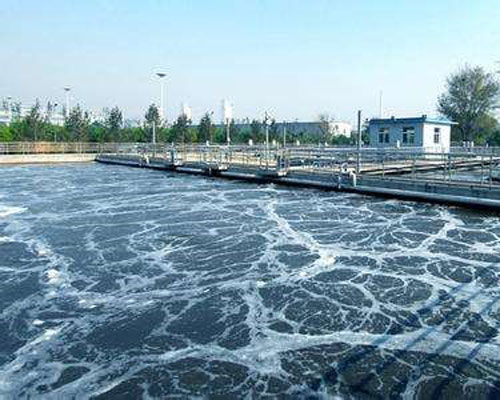
Used as primary flocculants for clarification, sedimentation, and mechanical sludge dewatering (belt filter presses, centrifuges, filter presses) in municipal sewage and industrial effluent processing.
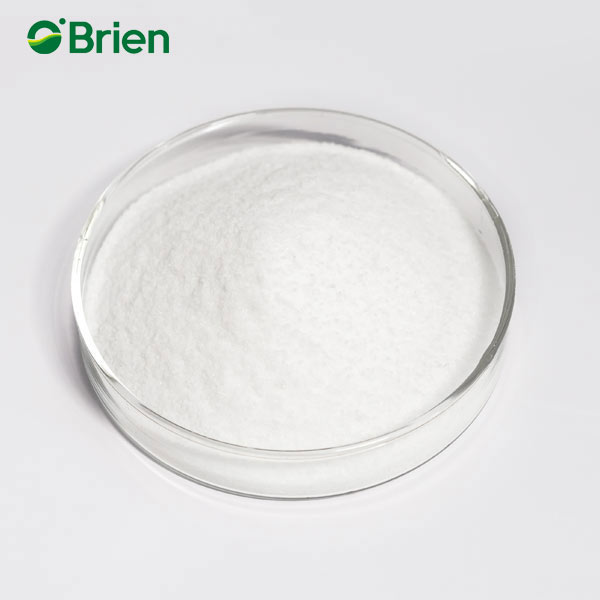
Serves as fluid mobility control thickener in Enhanced Oil Recovery (EOR), shale fracturing fluid viscosity modifiers, drilling fluid loss reducers, and shale inhibitors.

Accelerates tailing settling, coal washing slurry dewatering, and valuable mineral separation (Gold, Silver, Copper, Iron, Nickel) via rapid solid-liquid centrifugation.
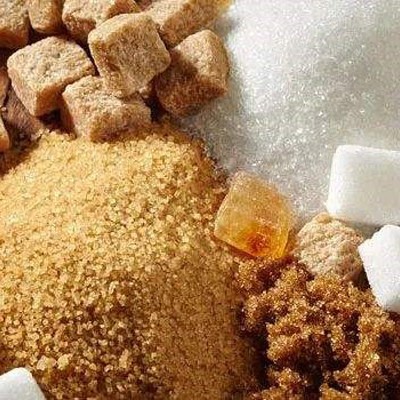
Food-grade polyacrylamide formulations for juice clarification, sugar syrup filtration enhancement, and mud settling in cane and beet sugar production mills.
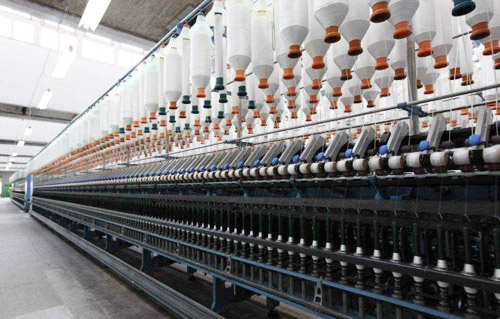
Used as textile sizing agent, warp sizing additive, fabric finishing agent, and specialized color-removal flocculant for textile dyeing wastewater treatment.
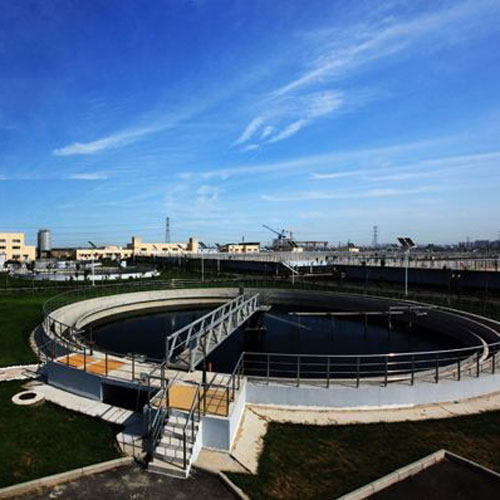
Specialized high-charge cationic polymers engineered to maximize cake dry solids content while lowering polymer consumption in industrial sludge processing.
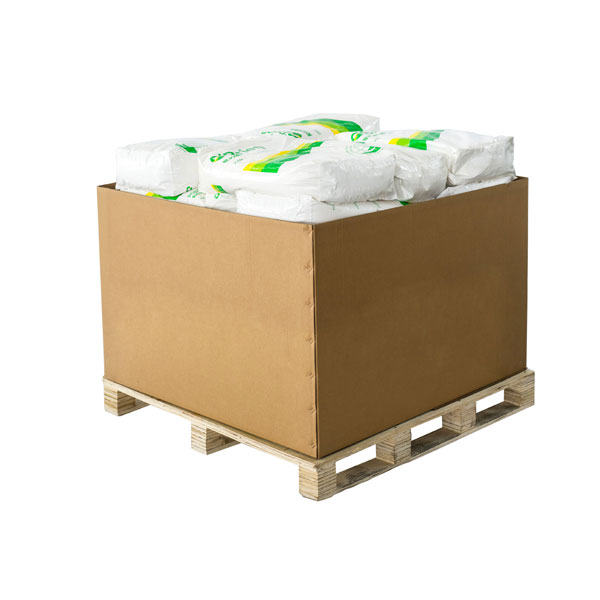
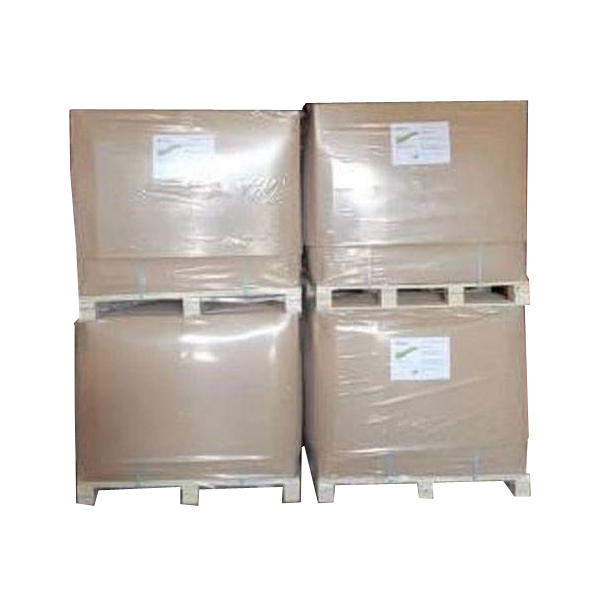
Flexible, Moisture-Proof, and Export-Standard Packaging Options
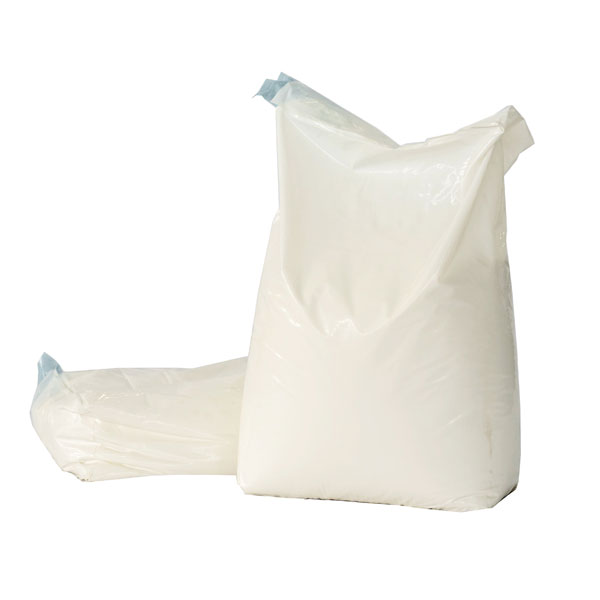
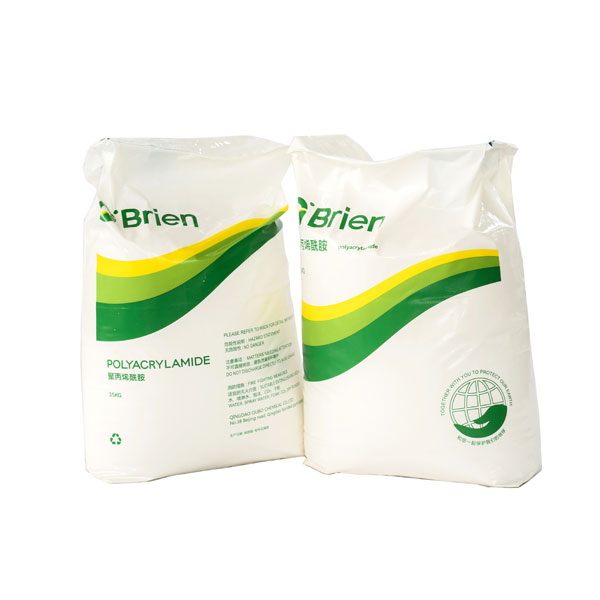
Explore Our Specialized Grade Polyacrylamide Formulations for Global Industrial Procurement
Expert Engineering Answers Regarding Selection, Dissolution, and Wholesale Sourcing of Polyacrylamide
 Oubo Chemical