Explore our certified polymer formulations engineered for extreme shear resistance, high cake dryness, and rapid sedimentation speed.
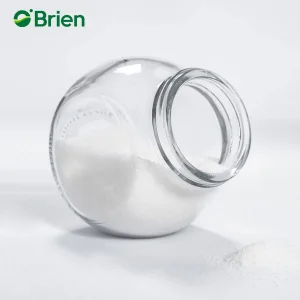
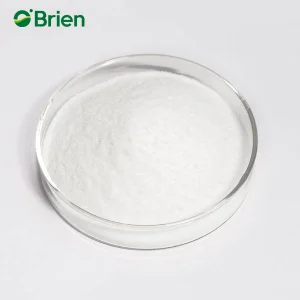
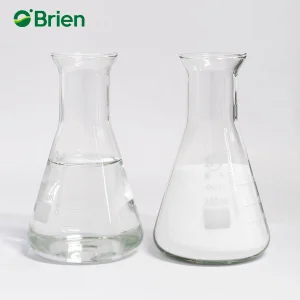
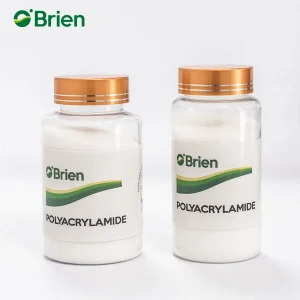
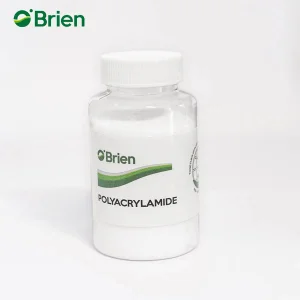
Understanding ionic structures, charge density optimization, and polymer chain bridging dynamics for industrial solid-liquid separation efficiency.
Information Gain Summary: Polyacrylamide (PAM, CAS 9003-05-8) is a synthetic, water-soluble high-molecular-weight polymer synthesized from acrylamide monomers. In modern sludge dewatering applications, selecting the appropriate ionic charge type (Cationic, Anionic, or Nonionic) and charge density (10% to 80%) directly determines dewatering kinetics, filter cake dry solid content, and filtrate clarity.
Specifically modified with quaternary ammonium functional groups, CPAM carries positive electrical charges along its polymer backbone. It is indispensable for dewatering organic-rich sludges such as municipal sewage, biological activated sludge, slaughterhouse waste, and pharmaceutical fermentation residue. CPAM neutralizes negative surface charges on organic particles, facilitating rapid micro-floc aggregation.
Copolymerized with acrylic acid monomers, APAM exhibits negative functional charges. It delivers exceptional performance in inorganic sludge treatment, mineral tailing thickening, sand washing wastewater, and primary clarification in steel production. APAM relies on hydrogen bonding and long-chain polymer bridging to bind mineral particles into dense, fast-settling macroscopic flocs.
Formulated as an non-hydrolyzed homopolymer, NPAM exhibits neutral electrical charge behavior and supreme chemical stability across broad pH spectrums (pH 1 to 10). It is highly optimized for acidic industrial effluents, oilfield drilling mud conditioning, acidic leaching solutions in hydrometallurgy, and specialized paper strength retention applications.
| Polymer Variant | Ionic Charge Range | Molecular Weight (Million) | Primary Sludge / Wastewater Matrix | Dewatering Equipment Compatibility |
|---|---|---|---|---|
| CPAM (Cationic) | 10% - 80% Charge Density | 8.0 - 15.0 Million Daltons | Municipal Sewage, Food Processing, Biological Sludge | Belt Press, Decanter Centrifuge, Volute Screw Press |
| APAM (Anionic) | 5% - 60% Hydrolysis | 12.0 - 22.0 Million Daltons | Coal Tailings, Metallurgical Slurry, Mineral Sands | Chamber Filter Press, High-Rate Thickener, Clarifiers |
| NPAM (Nonionic) | Near Zero (< 1%) | 6.0 - 12.0 Million Daltons | Acidic Mining Effluents, Electroplating, Textile Sizing | Vacuum Disc Filters, Gravity Thickeners, Filter Presses |
Established in 2011 within the Qingdao Free Trade Zone, China, Oubo Chemical Co., Ltd. has scaled into an elite global leader in water-soluble polymer production. Operating under strict ISO 9001:2008 quality management standards, Oubo maintains a continuous business expansion rate of over 10% annually, reaching an annual polyacrylamide capacity exceeding 50,000 Metric Tons.
Our state-of-the-art chemical synthesizing facility utilizes continuous automated polymerization technology driven by biological enzymatic monomer synthesis (bio-acrylamide process). This patented methodology ensures ultra-pure monomer concentration, exceptionally low residual acrylamide levels (<0.05%), and hyper-consistent molecular weight distributions.
Strategic R&D Commitment: We invest over €200 million into polymer research and synthesis optimization annually. Our technical team works in harmony with global raw material partners such as SINOPEC and Eni to guarantee world-class chemical integrity.
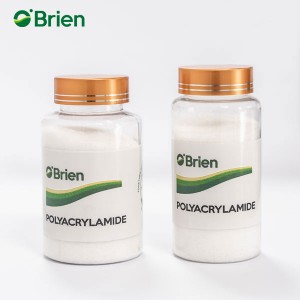
Empowering wastewater treatment plants, industrial paper mills, and mining operations worldwide with engineered chemical stability.
Leading global polyacrylamide manufacturer employing patented bio-enzymatic methods. Re-investing millions annually into R&D for advanced technical accumulation and product refinement.
Global supply chain backed by premier chemical feedstocks from SINOPEC, Eni, and leading suppliers. Every single batch is strictly tested 3 times by our internal QC laboratory prior to shipment dispatch.
Over a decade of focused manufacturing expertise offering superior quality polymers at direct-from-factory wholesale prices. Our engineers handle comprehensive pre-sales selection and trial matching.
Our senior technical specialists join your pre-sales testing, jar test verification, site installation tuning, and after-sales process to guarantee accurate polymer selection and optimal dosage efficiency.
Engineered polymer formulations optimized for specialized operational requirements across global processing industries.
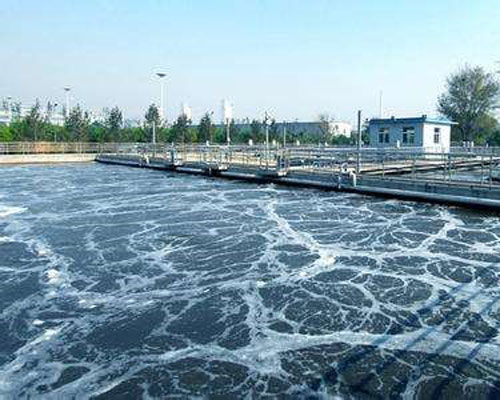
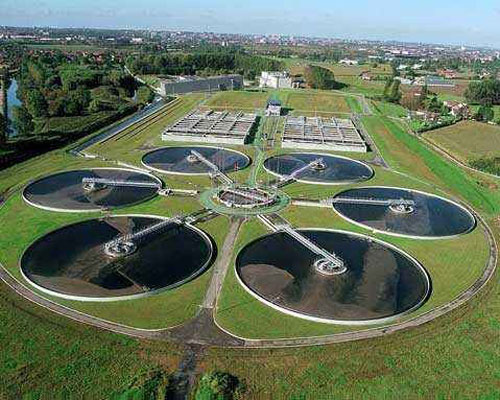
Essential for municipal sewage treatment plants, industrial effluent clarification, and activated sludge dewatering. Highly effective across belt filter presses, decanter centrifuges, and screw filter presses, achieving cake solids of up to 25%-35% while keeping filtrate water crystal clear.
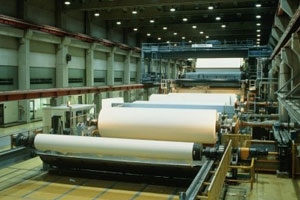
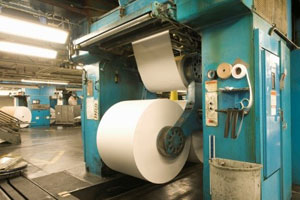
Serves as superior dry/wet strength agents, micro-particle retention aids, and drainage accelerators. Enhances paper physical strength properties, reduces fine fiber loss, and optimizes white water clarification during high-speed paper machine operation.
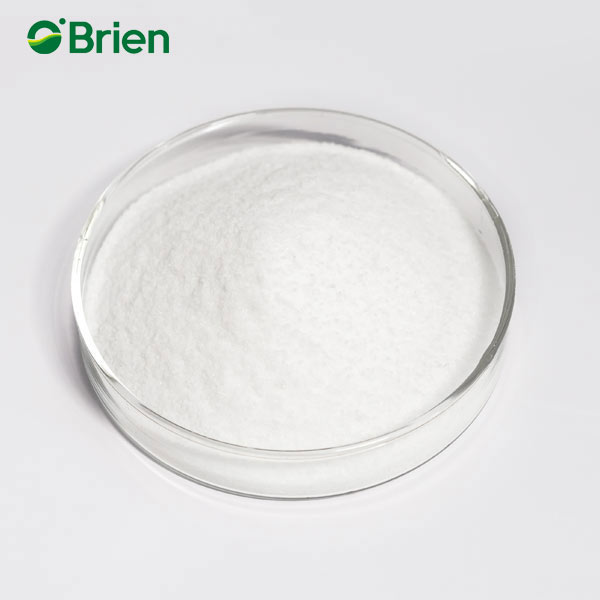
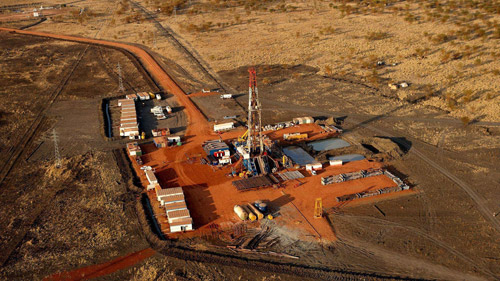
Extensively deployed in Enhanced Oil Recovery (EOR) as polymer mobility control fluid, viscosity modifier, drilling mud friction reducer, and shale stabilizer. Resists high temperature and salt environments to maximize crude oil displacement yield.
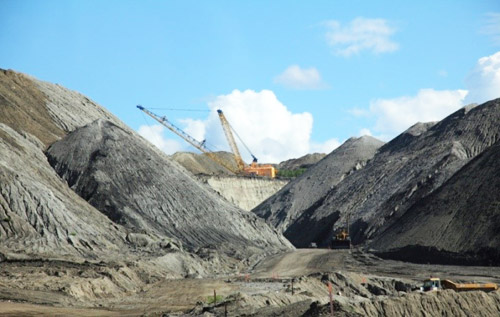
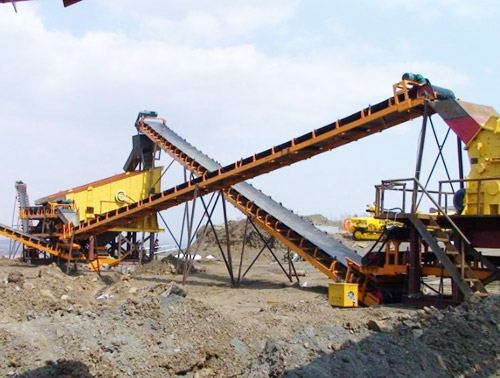
Optimized for solid-liquid filtration in coal washing slurry, tailings dewatering, and valuable mineral recovery (gold, silver, copper, iron, nickel). Promotes extremely high settling velocity and supernatant liquor clarity.
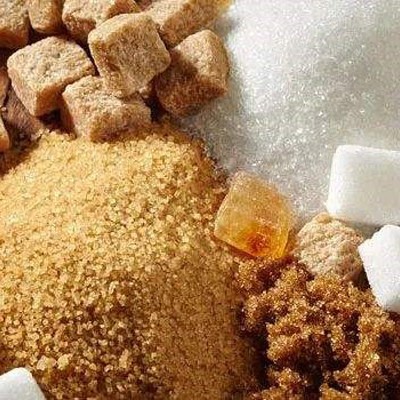
Food-grade anionic polyacrylamide formulations accelerate mud settling in juice clarifiers, improve raw sugar liquor flotation, and enhance overall sugar purity while meeting stringent food safety standards.
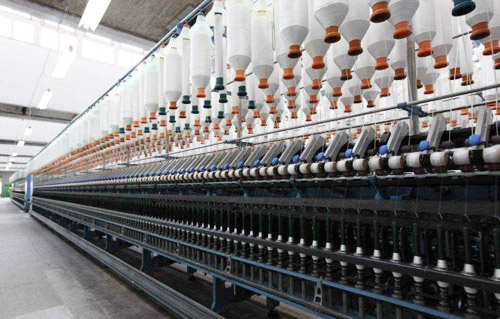
Used as textile sizing agents, finishing additives, and high-efficiency decolorizing flocculants. Removes heavy dye molecules, reduces Chemical Oxygen Demand (COD), and clarifies complex industrial washwater.

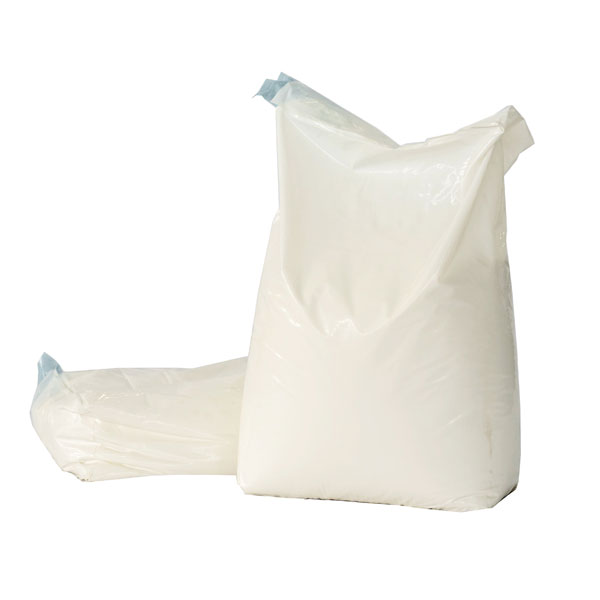
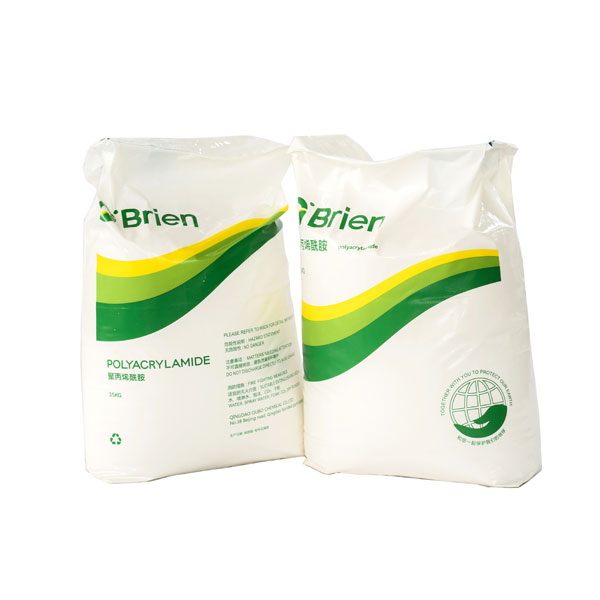
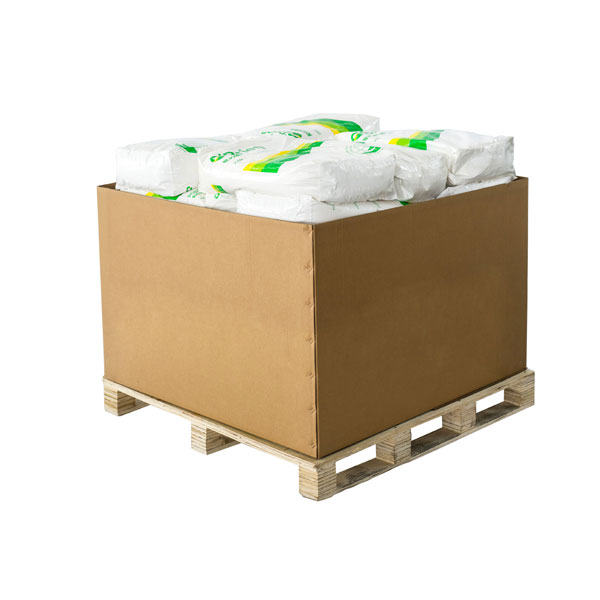
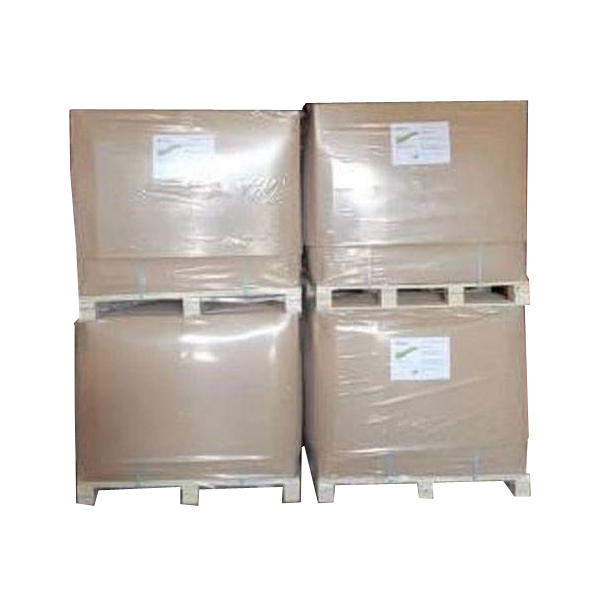
Heavy-duty export packaging designed to prevent moisture absorption, degradation, and transport impact.
To achieve minimal chemical consumption and maximum cake dryness, industrial procurement managers should follow a standardized lab-to-plant validation framework:
The global water treatment industry is undergoing a structural transition toward decarbonization, stringent environmental regulations, and zero liquid discharge (ZLD) directives:
Detailed answers to technical, commercial, and operational questions provided by Oubo Chemical's engineering team.
Browse our complete product line manufactured for global distribution and wholesale procurement.
 Oubo Chemical