Direct Factory Supply of High-Performance Water-Soluble Polymers Certified under ISO 9001:2008
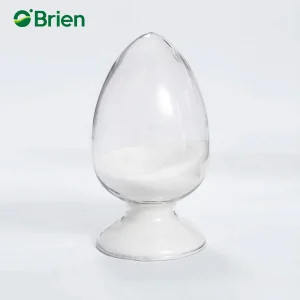
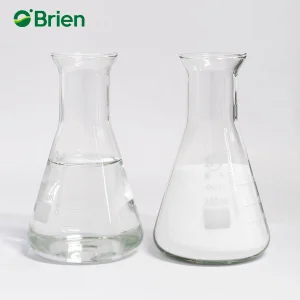
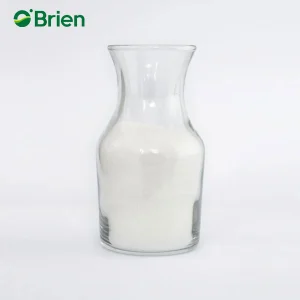
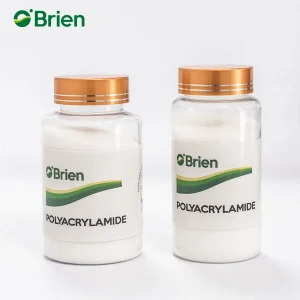
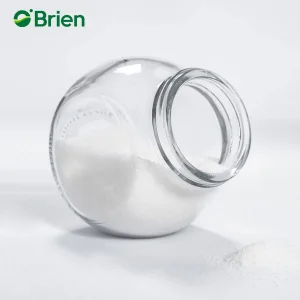
An authoritative technical evaluation of PAM synthesis, molecular architecture, and operational optimization across worldwide processing industries.
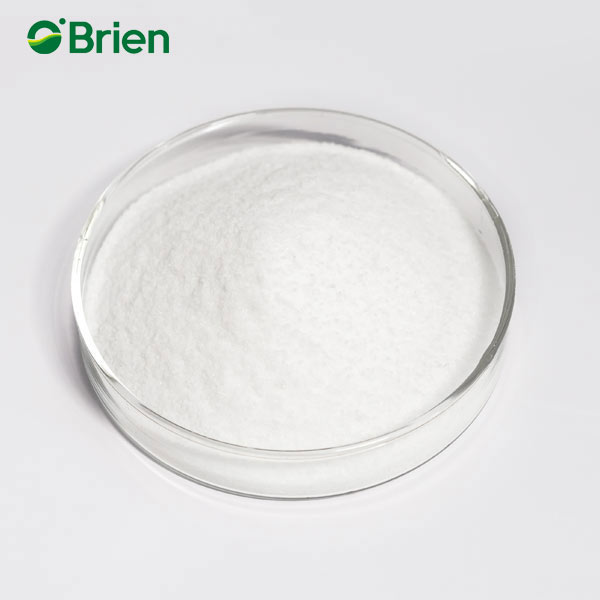
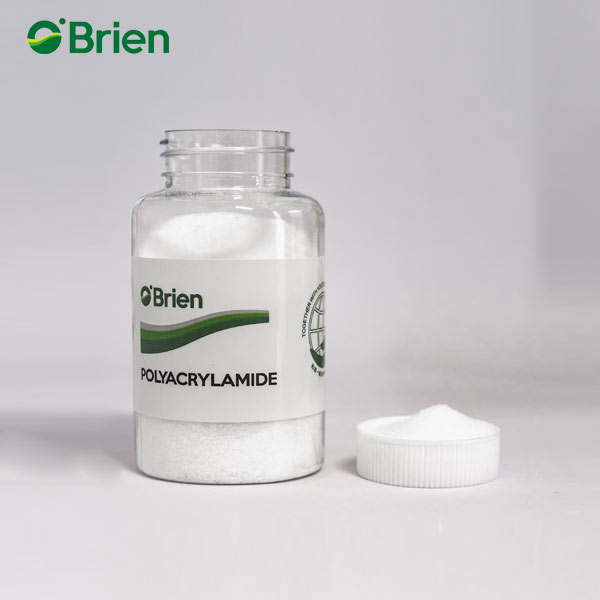
Polyacrylamide (CAS 9003-05-8), commonly designated as PAM, represents a pivotal class of synthetic high-molecular-weight water-soluble polymers constructed from acrylamide monomer subunits. Engineered through specialized free-radical polymerization processes, Polyacrylamide functions as an unmatchable chemical agent in solid-liquid separation, rheology modification, drag reduction, and colloidal stabilization. As global industrial sustainability regulations intensify, the demand for precision-synthesized PAM polymers from trusted wholesale PAM manufacturers has reached unprecedented technical importance.
Founded in 2011 within the strategic maritime logistics node of the Free Trade Zone of Qingdao, China, Qingdao Oubo Chemical Co., Ltd (O'brien brand) has evolved into a premier globally recognized manufacturer of Polyacrylamide products. Maintaining a consistent annual business growth rate exceeding 10% for over a decade, Oubo Chemical operates under rigorous ISO 9001:2008 quality control protocols while upholding strict environmental management frameworks during chemical synthesis and client-side execution.
Technical Information Gain Notice: Modern industrial wastewater streams require tailored polymer charge densities (ranging from 5% to 80%) and molecular weights (spanning 3 Million to 30 Million Daltons). Off-the-shelf polymer dosing frequently results in incomplete flocculation, excessive chemical expenditure, and membrane fouling. Wholesale buyers must evaluate PAM suppliers based on enzymatic synthesis purity and batch-to-batch molecular weight distribution control.
The operational versatility of Polyacrylamide stems directly from its chemical ionic variants. By copolymerizing acrylamide with specific functional monomers (such as acrylic acid, DAC, or DMAEMA), manufacturers tailor the charge configuration to interact precisely with suspended solids across diverse pH spectrums:
Cutting-edge biological synthesis, certified quality assurance, and world-class technical application engineering.
We utilize advanced bio-catalytic enzymatic methods to produce acrylamide monomer, drastically lowering residual unreacted monomer content and yielding high molecular weight stability with lower energy footprints.
Full backward integration with raw material suppliers like SINOPEC and Eni. Every production lot undergoes triple QC inspection to guarantee compliance with ISO 9001 guidelines.
Reinvesting over 2 Million Euros annually into polymer laboratory research, continuous product refining, high-salinity resistance polymers, and high-temp oilfield recovery fluids.
Our dedicated chemical application engineers assist clients through pre-sale polymer selection, benchtop jar testing, dosage calibration, and on-site plant optimization.
| Polymer Type | Ionic Degree / Hydrolysis (%) | Molecular Weight (Million Da) | Solid Content (%) | Dissolution Time (Mins) | Effective pH Range |
|---|---|---|---|---|---|
| Anionic PAM (APAM) | 10% - 60% | 8.0 - 28.0 | ≥ 88% | ≤ 60 min | 7.0 - 14.0 |
| Cationic PAM (CPAM) | 5% - 80% | 6.0 - 15.0 | ≥ 89% | ≤ 45 min | 1.0 - 10.0 |
| Nonionic PAM (NPAM) | 1% - 5% (Hydrolysis) | 3.0 - 15.0 | ≥ 90% | ≤ 90 min | 2.0 - 8.0 |
| Amphoteric PAM | 10% - 40% (Dual) | 5.0 - 12.0 | ≥ 88% | ≤ 60 min | 3.0 - 11.0 |
Engineered performance across global municipal and heavy industrial operational environments.
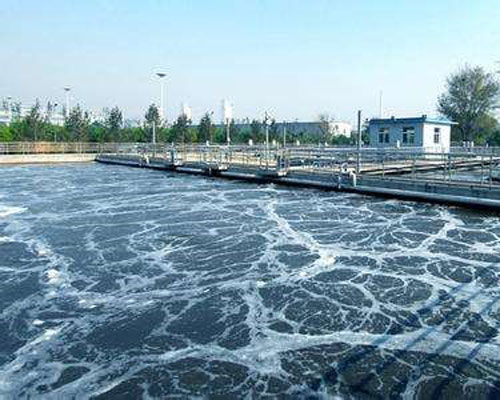
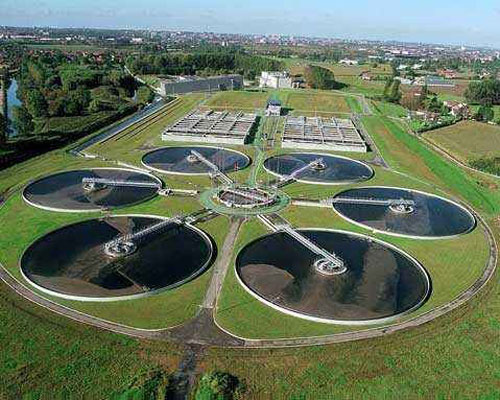
In municipal sewage treatment plants and heavy industrial facilities, solid-liquid separation represents a primary operational bottleneck. As wastewater undergoes secondary biological treatment, fine colloidal suspended solids remain suspended due to electrostatic repulsion. Oubo's Cationic Polyacrylamide (CPAM) acts as a supreme flocculating agent during sludge dewatering processes utilizing belt presses, decanter centrifuges, and plate-and-frame filter presses.
By neutralizing the negative charges inherent to organic sludge particulates, CPAM triggers rapid agglomeration into large, compact flocs. This process drastically increases dewatering filtration speeds, minimizes cake moisture content, reduces cake transportation costs, and ensures clear filtrate water recycling. Specialized formulations serve diverse industries including leather tanning, papermaking white water, citric acid fermentation, vegetable protein extraction, pharmaceutical manufacturing, and incense crafting.
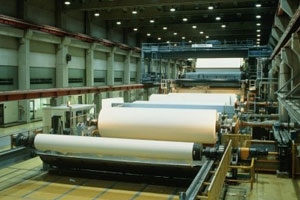
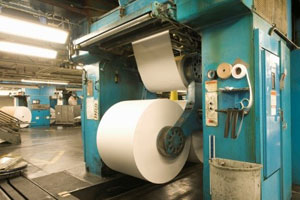
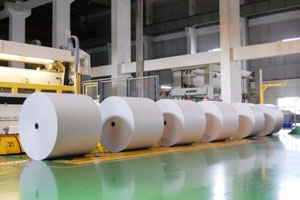
Polyacrylamide plays a fundamental role in wet-end chemistry throughout modern paper mills. Oubo’s paper-grade PAM products serve four distinct operational functions:
In upstream petroleum engineering, Polyacrylamide serves as a vital fluid additive across drilling, completion, hydraulic fracturing, and tertiary oil recovery (EOR). High-temperature and shear-resistant Anionic Polyacrylamide is injected into oil-bearing reservoirs to increase the viscosity of displacement water, controlling water mobility ratios and sweeping trapped crude oil toward production wells.
In drilling fluid systems, specialized PAM polymers function as shale inhibitors, fluid loss control additives, bit lubricants, and cuttings transport thickeners. During hydraulic fracturing, ultra-high MW PAM acts as a friction reducer, drastically lowering hydraulic pipe pressure losses during high-rate fluid pumping into low-permeability shale formations.


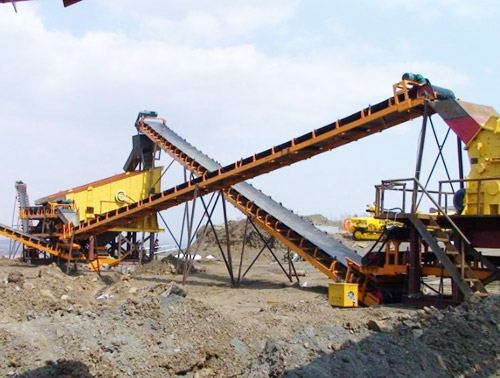
Mineral extraction processes demand immense water volumes alongside solid-liquid separation of fine tailing slurries. Oubo PAM formulations accelerate thickener settling rates, clarify recycling water circuit systems, and optimize tailing dewatering across multiple mining sectors:


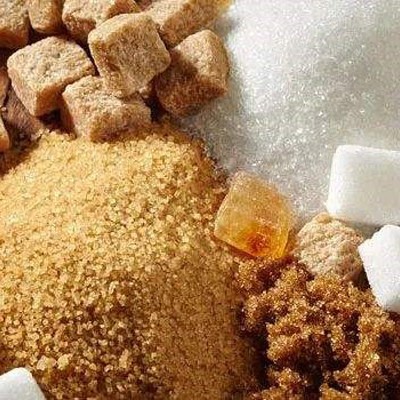
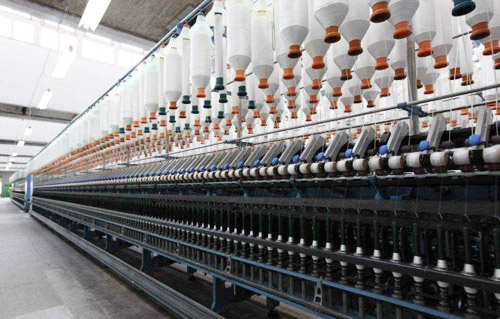
In sugar manufacture, food-grade APAM polymers accelerate sugarcane and sugar beet juice clarification, removing turbidity, suspended proteins, and coloring agents prior to evaporation crystallization. In the textile sector, PAM acts as a stable sizing agent, fabric finishing treatment, and efficient coagulant aid for removing heavy azo dyes and suspended solids from complex textile dyeing wastewater effluents.
Leveraging Qingdao FTZ strategic advantages, raw material integration, and continuous automated synthesis lines.
Global supply chain volatility has heightened the importance of raw material integration and logistics agility. Located directly within the Free Trade Zone of Qingdao, China, Oubo Chemical enjoys seamless port proximity, reduced customs processing lead-times, and optimized international freight routing to major sea terminals across North America, Europe, Asia-Pacific, and the Middle East.
Oubo Chemical's manufacturing dominance is built upon four structural supply chain pillars:
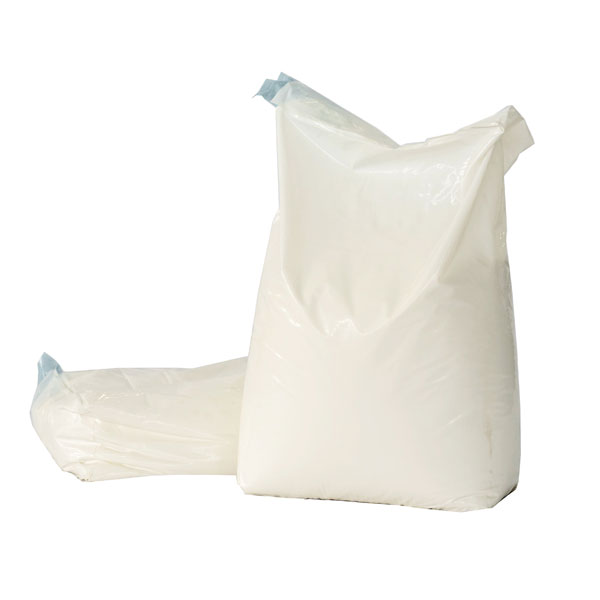
25kg multi-wall kraft paper bags with inner PE liner for private labeling.
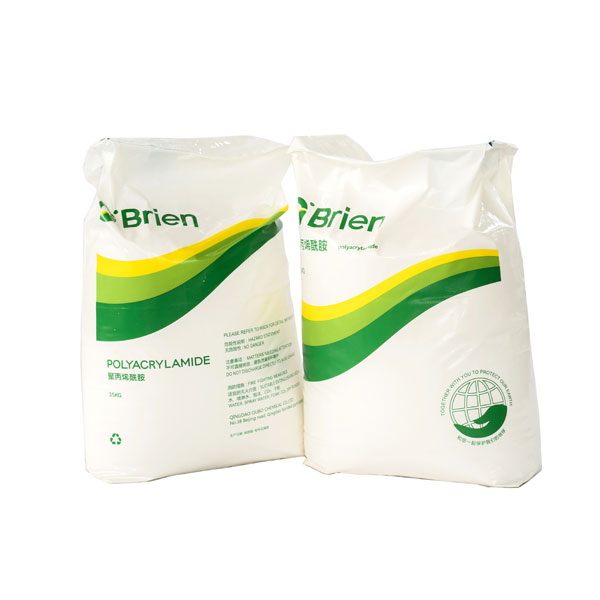
Standard O'brien branded 25kg moisture-proof export bags.
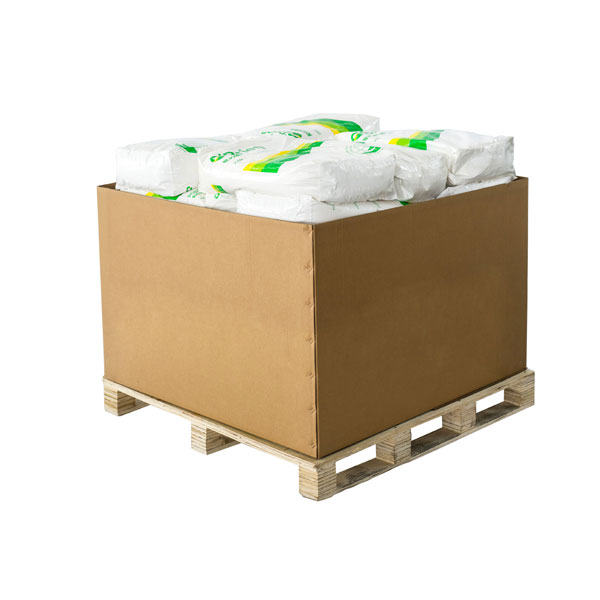
750kg and 1000kg ton bags for large-scale mining & oilfield operations.
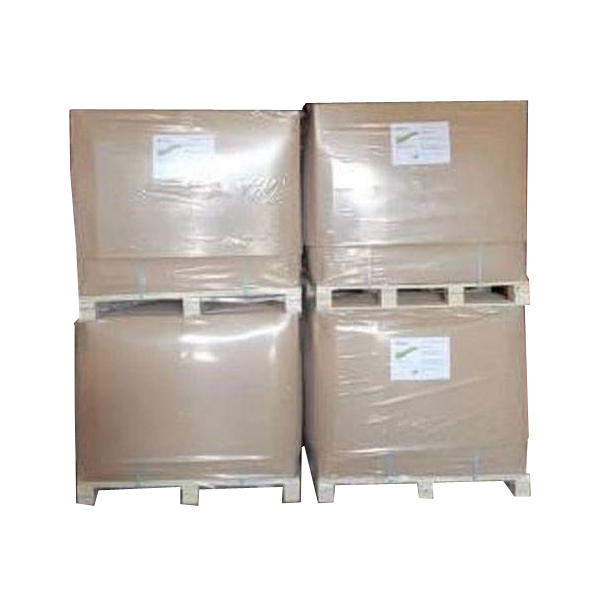
Shrink-wrapped, palletized cargo secured for ocean container shipping.
Advancing green polymer chemistry and strict international environmental compliance.
As global environmental regulations enforce stringent limits on industrial effluents and carbon footprints, the Polyacrylamide industry is undergoing rapid technical evolution. Oubo Chemical’s R&D roadmap focuses on four strategic innovation vectors:
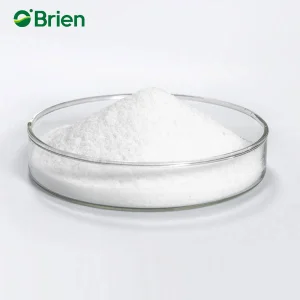
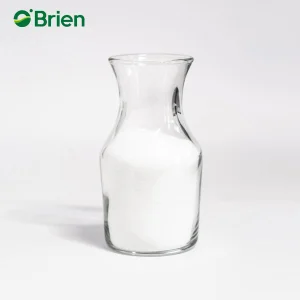
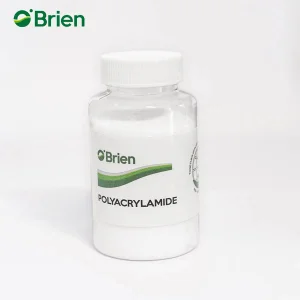
Explore our specialized range of Anionic, Cationic, and Nonionic PAM formulations for global wholesale distribution.
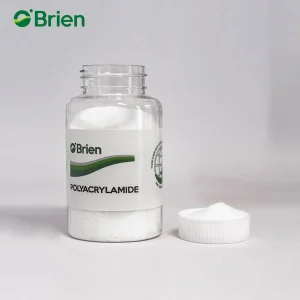
Expert answers regarding Polyacrylamide selection, dissolution protocols, procurement, and industrial application.
Polymer selection depends primarily on the zeta potential and electrostatic charge of the suspended particles in your water stream. Organic sludges (such as municipal biological sludge) possess negative surface charges and require Cationic PAM (CPAM). Inorganic suspended solids (such as mineral tailings, sand, clay, or metal hydroxides) react best with Anionic PAM (APAM). Nonionic PAM (NPAM) is ideal for acidic media, complex multi-mineral leach streams, or soil conditioning where hydrogen bonding is the primary mechanism.
Dry PAM powder must be dissolved into a dilute aqueous solution (typically 0.1% to 0.3% concentration) before addition to the treatment stream. Dissolve powder gradually under gentle mechanical agitation (200 - 400 RPM) using clean water at ambient temperature (below 40°C). Avoid high-shear mixers or rapid boiling water, as severe shear forces or excessive heat will degrade the long polymer chains, drastically reducing performance.
In dry powder form, Oubo Polyacrylamide products have a shelf life of 24 months when stored in original unopened packaging in a cool, dry, well-ventilated environment away from direct sunlight and moisture. Once dissolved into an aqueous working solution, APAM and NPAM solutions should be consumed within 5 to 7 days, while CPAM solutions should be utilized within 24 to 48 hours to prevent enzymatic degradation.
We provide comprehensive OEM and ODM support for wholesale distributors and global industrial buyers. Packaging options include 25kg multi-wall kraft paper blank bags, standard O'brien branded bags, 750kg/1000kg bulk jumbo bags, and custom palletization with protective stretch wrapping. Customized logo printing and specific packaging weight configurations are available upon request.
Oubo Chemical operates an automated continuous polymerization plant certified under ISO 9001:2008. All raw materials (acrylamide monomer, initiators) are acquired from Tier-1 suppliers like SINOPEC and Eni. Each production batch undergoes three distinct analytical laboratory evaluations: raw material assay, reaction kinetics tracking, and finished powder characterization (MW, charge density, residual monomer, and dissolution rate testing).
 Oubo Chemical