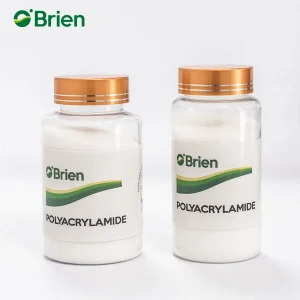
High-performance anionic, cationic, and nonionic polyacrylamide solutions formulated for optimal solid-liquid separation.
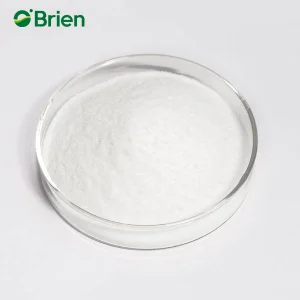
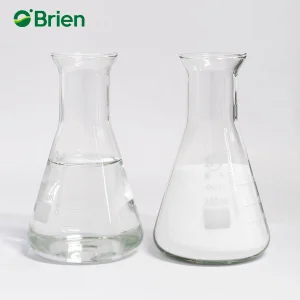
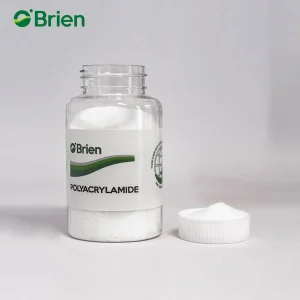
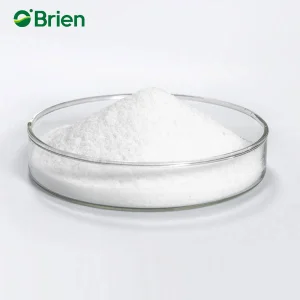
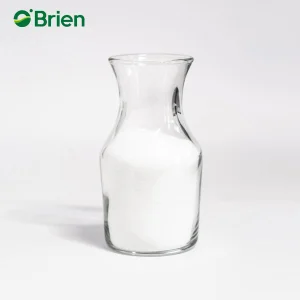
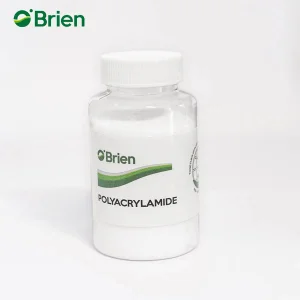
Polyacrylamide (CAS 9003-05-8) is a synthetic, water-soluble linear polymer synthesized from acrylamide monomers. In modern industrial operations, the standard 90% active powder solid formulation represents the golden benchmark for process efficiency, transportation economics, and chemical stability. As global industries face stringent environmental standards regarding Zero Liquid Discharge (ZLD) and resource recovery, high-purity PAM 90% powder serves as an essential chemical coagulant, flocculant, rheology modifier, and friction reducer across municipal wastewater facilities, mineral extraction plants, paper mills, and oilfield operations.
Copolymerized with acrylamide and acrylate monomers. Carries negative charge density ranging from 5% to 80%. Optimized for positively charged mineral suspensions, clay clarification, neutral-to-alkaline industrial effluents, and enhanced oil recovery (EOR).
Copolymerized with cationic monomers such as DAC or DMC. Features positive charge density (5% to 80%) with molecular weights up to 15 Million Da. Designed for organic sludge dewatering, municipal sewage digestion, and textile dyeing wastewater treatment.
Homopolymerized acrylamide featuring ultra-low ionic charge density. Excels in acidic industrial wastewater conditions, low-pH ore leaching, metal extraction (copper, gold, uranium), and paper manufacturing additives.
Our biological enzymatic synthesis process guarantees consistent chain length, high molecular weights, and minimal residual monomer content.
| Parameter | Anionic Polyacrylamide (APAM) | Cationic Polyacrylamide (CPAM) | Nonionic Polyacrylamide (NPAM) |
|---|---|---|---|
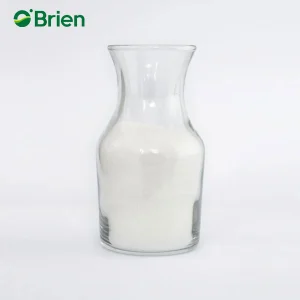
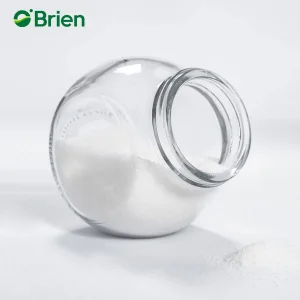
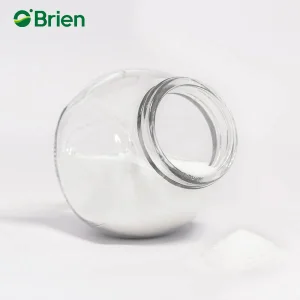
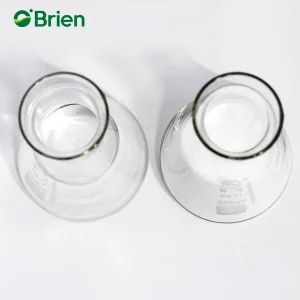
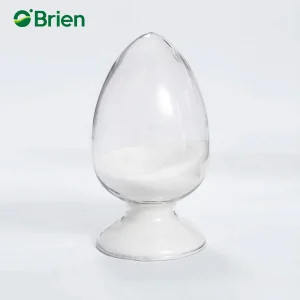
| Appearance | White Granular Powder | White Granular Powder | White Granular Powder |
| Solid Content (%) | ≥ 90% | ≥ 90% | ≥ 90% |
| Molecular Weight (Million Da) | 6.0 - 25.0 Million | 5.0 - 15.0 Million | 8.0 - 18.0 Million |
| Charge Density / Hydrolysis | 10% - 60% Hydrolysis | 5% - 80% Ionicity | 0% - 5% Hydrolysis |
| Dissolution Time (Minutes) | ≤ 60 min (at 25°C) | ≤ 45 min (at 25°C) | ≤ 60 min (at 25°C) |
| Insoluble Matter (%) | ≤ 0.2% | ≤ 0.2% | ≤ 0.2% |
| Residual Monomer (AMD) | ≤ 0.05% (500 ppm max) | ≤ 0.05% (500 ppm max) | ≤ 0.05% (500 ppm max) |
How PAM 90% Powder transforms solid-liquid separation and fluid mechanics across diverse sectors globally.
In municipal wastewater treatment plants (WWTPs), sludge generated during primary clarification and secondary biological treatment contains high organic content and negative surface charges. Cationic Polyacrylamide (CPAM 90%) neutralizes charge repulsion, aggregating micro-flocs into large macro-flocs. Optimized for centrifuge dewatering, belt filter presses, and chamber filter presses, increasing cake solid dryness up to 25-35% and dramatically lowering disposal costs.
In coal washing, gold-silver cyanidation, copper leaching, and bauxite alumina production (Bayer process), large volumes of mineral slurry require rapid settling. Anionic PAM (APAM 90%) with high molecular weight acts via polymer bridging, rapidly settling fine tailing particles in thickeners. This enables closed-circuit water recycling, prevents tailing dam overflows, and satisfies localized environmental compliance.
In mature oil fields, injecting 90% powder APAM increases water phase viscosity, improving sweep efficiency during tertiary oil recovery. In hydraulic fracturing and drilling operations, high MW Nonionic/Anionic PAM serves as a friction reducer, shale stabilizer, and fluid loss agent, reducing hydraulic pressure loss by up to 70% in high-shear drill strings.
APAM and CPAM function as retention aids, drainage accelerators, and wet/dry strength agents in paper mills. By absorbing onto paper fibers, high-purity PAM retains fine fibers and mineral fillers (TiO2, Calcium Carbonate), improves sheet formation, reduces white water turbidity, and lowers thermal energy consumption during paper drying.
Textile mill effluent contains heavy loads of synthetic dyes, sizing agents, and surfactants. CPAM formulations rapidly decolorize and flocculate hydrophobic and reactive dye complexes in combination with inorganic coagulants (PAC/PFS), ensuring compliance with COD and TOC discharge limits.
During sugar cane and beet juice extraction, food-grade APAM 90% powder precipitates colloidal impurities and organic suspended solids. Low residual monomer (<0.05%) ensures safe, high-clarity syrup clarification while optimizing evaporation yields.
The global polyacrylamide market is experiencing unprecedented demand, projected to grow at a CAGR of 6.2%. The key macroeconomic catalyst is the intensification of global water scarcity and rigid environmental legislation across Europe, North America, and Asia-Pacific. Regulations such as the EU Water Framework Directive and US EPA Effluent Guidelines mandate strict phosphorus, heavy metal, and total suspended solid (TSS) removal before discharge.
Consequently, industrial plants are transitioning toward high-active solid polyacrylamide powders (90% min solid content) over emulsion formulations due to lower carbon footprints in shipping, superior shelf-life stability, and lower unit cost per active ton.
Raw material prices for acrylamide monomers (Acrylonitrile, AM) are tightly coupled with petrochemical feedstocks. Purchasing wholesale PAM 90% powder from direct manufacturers allows engineering buyers to lock in bulk unit prices, mitigate intermediate markups, and achieve up to 22% operational cost savings in chemical procurement.
With high-concentration 90% powder, freight volume is reduced by up to 60% compared to liquid polyacrylamide emulsions, drastically shrinking international logistics overhead for high-volume mining and oilfield projects.
Pioneering the next generation of eco-friendly polymers, bio-catalyzed synthesis, and intelligent dosing integration.
Transitioning from traditional copper-catalyzed nitrile hydration to third-generation microbiological enzymatic conversion (Rhodococcus rhodochrous). This zero-carbon emission bio-process yields Acrylamide monomer purity >99.9% with zero copper contaminants, extending polymer chain length to achieve ultra-high molecular weights (>25 Million Da).
Developing specialized block copolymers incorporated with ATBS (2-Acrylamido-2-Methylpropanesulfonic Acid) monomers. Designed to maintain viscosity in ultra-high temperature (up to 120°C) and high-salinity (salinity >200,000 ppm) reservoir environments for deep sea oil recovery.
Pairing PAM 90% powder dissolving units with real-time optical turbidity sensors, streaming streaming telemetry to cloud algorithms. Automatically adjusts chemical dosing rates based on influent TSS fluctuation, preventing polymer over-dosing and cutting chemical waste by up to 18%.
Qingdao Oubo Chemical Co., Ltd was established in 2011, located in the Free Trade Zone of Qingdao, China. Operating within an international trade hub, Oubo leverages premier port logistics, continuous monomer raw material pipelines, and automated polymerization lines to deliver unmatched supply reliability globally.
Leading global polyacrylamide manufacturer utilizing patented biological synthesis methods. Reinvesting €2 Million annually into R&D for continuous technical accumulation and structural polymer optimization.
Fully automated manufacturing lines tied directly to premier global raw material suppliers such as SINOPEC and Eni. Certified ISO9001 quality management system with 3x batch testing prior to dispatch.
Annual polyacrylamide production capacity surpassed 50,000 Metric Tons in 2018. Over the past decade, Oubo has maintained a consistent 10% annual growth rate, supplying over 60 countries.
Dedicated chemical engineering team involved in pre-sales polymer screening, jar testing, process optimization, and after-sales field support to ensure maximum flocculant efficiency.
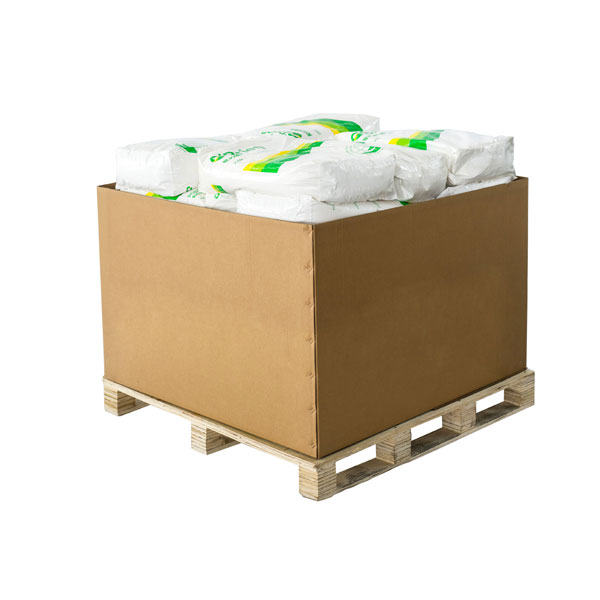
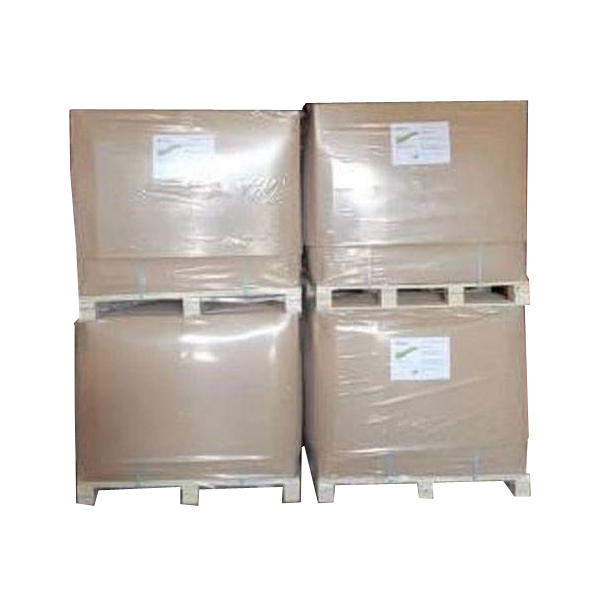
Multi-wall moisture-proof packaging options customized for long-distance international maritime transit.
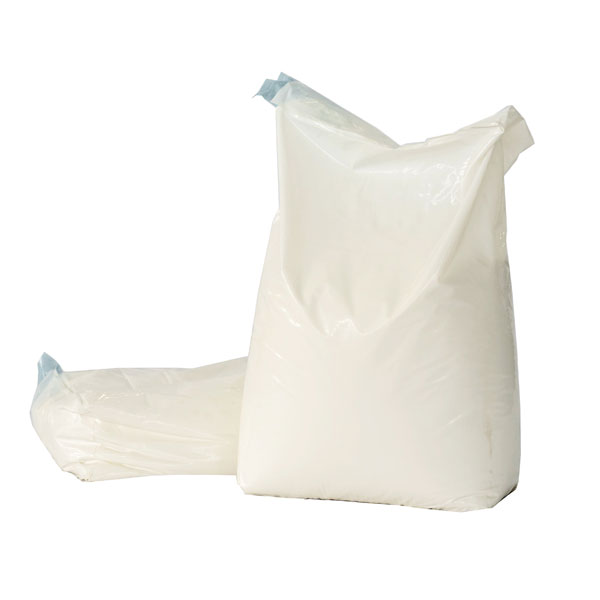
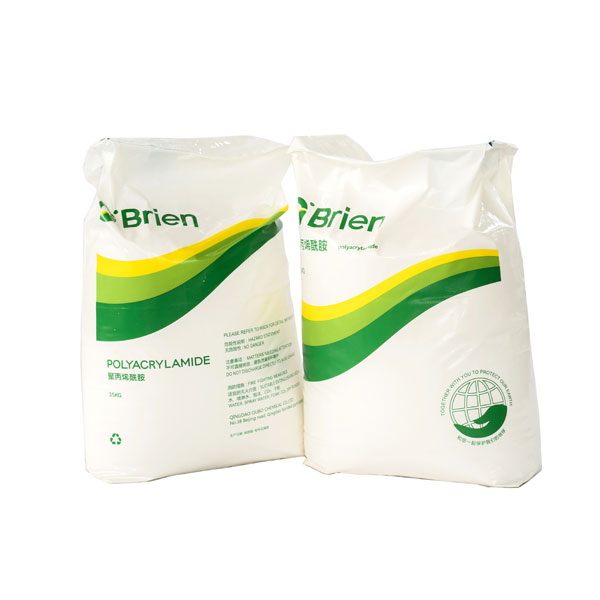
Expert engineering answers addressing intent, dosage selection, chemical compatibility, and procurement logistics.
Browse our complete series of certified anionic, cationic, and nonionic polyacrylamide polymers.
 Oubo Chemical