Wholesale Organic Flocculant Manufacturers & Supplier

High-Molecular Weight Polyacrylamide (PAM) Solutions for Global Industrial Water Treatment & Polymer Applications

Featured Industrial Organic Flocculants

Engineered for superior solid-liquid separation, municipal sludge dewatering, and industrial effluent clarification.
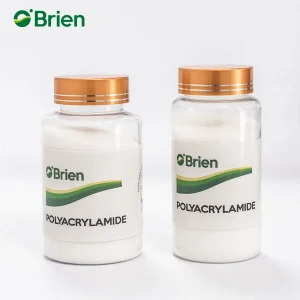
Wholesale Cationic Polyacrylamide (CPAM)
Wholesale Cationic Polyacrylamide (CPAM) for Sludge Dewatering & Industrial Wastewater Flocculation Supplier, Factories
View Product Details
China Nonionic Polyacrylamide Flocculant
China Nonionic Polyacrylamide Flocculant for Acidic Industrial Wastewater Treatment Manufacturers, Factories
View Product Details
Wholesale Nonionic Polyacrylamide (NPAM)
Wholesale Nonionic Polyacrylamide (NPAM) for Mineral Processing & Metallurgical Ore Dressing Suppliers, Factories
View Product Details
Cationic Polyacrylamide Flocculant for Textile
Wholesale Cationic Polyacrylamide (CAS 9003-05-8) Flocculant for Textile & Dyeing Wastewater Manufacturer, Supplier
View Product Details
Wholesale Anionic Polyacrylamide (APAM)
Wholesale Anionic Polyacrylamide (APAM) for Municipal Sewage Treatment & Sludge Dewatering Manufacturers, Suppliers
View Product Details
Wholesale Anionic Polyacrylamide
Wholesale Anionic Polyacrylamide Manufacturers, Supplier
View Product Details
Wholesale Anionic Polyacrylamide Powder Flocculant
Wholesale Anionic Polyacrylamide Powder Flocculant for Food Processing & Sugar Refining Wastewater Manufacturer, Factories
View Product Details
Wholesale PAM Anionic Polyacrylamide
Wholesale PAM Anionic Polyacrylamide Manufacturer, Suppliers
View Product Details

Global Manufacturing Authority & Quality Standards

Qingdao Oubo Chemical Co., Ltd delivers world-class polymer technologies backed by bio-enzymatic synthesis patents, stringent quality control systems, and robust global supply chain integrations.

50,000+
Metric Tons Annual Capacity
€2.0M
Annual R&D Investment
ISO9001
Quality System Certified
10%+
Year-over-Year Growth Rate

Established Expertise Since 2011

Located in the Free Trade Zone of Qingdao, China, Oubo Chemical Co., Ltd has established itself as an industry powerhouse over a decade of continuous growth. Operating under an uncompromising Quality Control system, our facility ensures every polymer batch satisfies strict internationally recognized standards.

Patented Biological Synthesis Methods

Oubo utilizes state-of-the-art biological enzymatic processes for Polyacrylamide monomer synthesis. This proprietary, patent-applied technology eliminates toxic residual by-products, increases molecular weight consistency, and minimizes carbon footprint across industrial applications.

Comprehensive Whitepaper: Organic Flocculant Architecture & Polymer Chemistry

In modern industrial water treatment, civil environmental engineering, and extractive metallurgy, the choice of Organic Flocculants represents a critical operational parameter. Unlike inorganic coagulants (such as Polyaluminum Chloride or Ferric Sulfate) that rely solely on charge neutralization and generate massive hydroxide sludge volume, synthetic organic flocculants—primarily high molecular weight Polyacrylamide (PAM) resin derivatives—operate via a dual mechanism: precise double-layer charge neutralization combined with long-chain macromolecular polymer bridging.

1. Molecular Mechanisms: Charge Neutralization & Polymer Bridging

Polyacrylamide (CAS 9003-05-8) is a synthetic linear polymer constructed from acrylamide monomeric units. When dissolved in aqueous media, the extended carbon backbone forms high-hydrodynamic-volume coils capable of interacting with suspended colloidal matter. Depending on chemical functionalization, PAM resins are categorized into four distinct ionic formulations:

  • Cationic Polyacrylamide (CPAM): Synthesized via copolymerization of acrylamide with cationic monomers such as acryloyloxyethyltrimethyl ammonium chloride (DAC) or methacryloyloxyethyltrimethyl ammonium chloride (DMC). CPAM neutralizes the negative surface charge (Zeta potential) of biological solids, organic sludges, and dye particles.
  • Anionic Polyacrylamide (APAM): Hydrolyzed or copolymerized with acrylic acid salts, presenting carboxylic (-COO⁻) active groups. APAM is optimized for positively charged inorganic mineral suspensions, clay particles, and neutral-to-alkaline industrial process streams.
  • Nonionic Polyacrylamide (NPAM): Pure homopolymer containing non-hydrolyzed amide (-CONH₂) functional groups. It relies almost exclusively on hydrogen bonding and steric bridging, exhibiting exceptional performance in strong acidic environments (pH 1–5).
  • Amphoteric Polyacrylamide: Incorporating both cationic and anionic charge centers within the same polymer backbone, tailored for complex multi-component effluents subject to fluctuating pH dynamics.

2. Macro Industry Trends & Global Procurement Demands

The global demand for high-efficiency organic flocculants is experiencing unprecedented acceleration driven by three macro factors:

  1. Stringent ESG & Zero Liquid Discharge (ZLD) Mandates: Industrial enterprises are enforced to recycle up to 95% of process water. Organic flocculants provide clear filtrate water suitable for reverse osmosis (RO) intake while compacting filter cakes to cut solid disposal costs.
  2. Transition from Inorganic Coagulants to Bio-Catalyzed Polymers: Biologically synthesized PAM eliminates copper and chemical catalysts, delivering ultra-pure formulations that reduce equipment corrosion and secondary chemical contamination.
  3. Optimization of Total Cost of Ownership (TCO): Although polymer unit pricing is higher than traditional alum or iron salts, PAM operating dosage rates are 100x lower (typically 1–10 ppm vs 100–1000 ppm), significantly reducing logistics, storage, and sludge disposal costs.

3. Technical Selection Matrix for Industrial PAM Applications

Selecting the optimal organic flocculant requires matching ionic charge density and molecular weight to substrate parameters:

Polymer Variant Ionicity Range (%) Molecular Weight (Million Da) pH Stability Primary Application Sectors
CPAM (Cationic) 10% - 80% 6 - 12 Million 3.0 - 10.0 Municipal Sludge Dewatering, Paper Retention, Textile Dyeing Effluent
APAM (Anionic) 5% - 60% 12 - 25 Million 6.0 - 14.0 Coal Washing, Metallurgical Dewatering, EOR, Municipal Clarification
NPAM (Nonionic) 0% - 3% 8 - 15 Million 1.0 - 8.0 Acidic Wastewater, Mineral Hydrometallurgy, Phosphogypsum Settling
Amphoteric PAM Variable (+/-) 8 - 14 Million 2.0 - 12.0 Refinery Effluents, Complex Industrial Chemical Dewatering

Why Choose Oubo Chemical as Your OEM/Wholesale Partner

Combining global raw material sourcing, automated manufacturing lines, and deep application support.

Professional Producer

Qingdao OUBO Chemical Co., Ltd is a world leader in Polyacrylamide production. Utilizing biological synthesis methods with applied patents, we invest over €2 Million annually in ongoing polymer research and technical development.

Quality Assurance

Our robust global supply chain partners with top chemical suppliers such as SINOPEC and Eni. Operating automated production lines, each product batch is tested 3 times by our internal QC team under ISO9001 certification.

Specialized & Efficient

With years of dedicated manufacturing focus, we guarantee superior product purity, competitive factory-direct pricing, and optimized dissolution rates tailored to client process machinery.

Full-Cycle Tech Support

Our senior polymer engineers assist clients throughout pre-sales polymer selection, laboratory jar testing, plant trials, and post-purchase dosage optimization to guarantee optimal flocculation performance.

Macro Industrial Application Solutions

Customized polymer formulations engineering tangible performance improvements across primary market sectors.
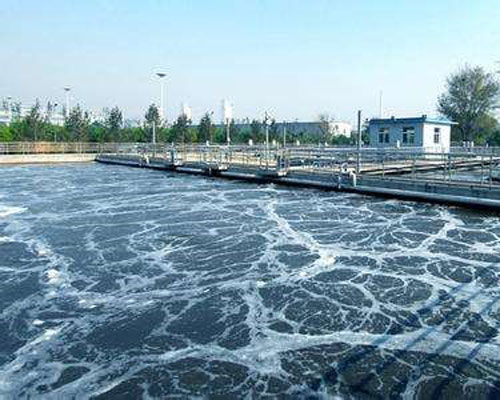
Water Treatment Industry

Water Treatment Industry

Mainly used in industrial solid-liquid separation processes, including settlement, clarification, concentration, and sludge dewatering. Polyacrylamide plays an indispensable role in municipal sewage treatment as well as industrial effluents across leather, paper making, citric acid, dyeing, pharmaceutical, and food industries.
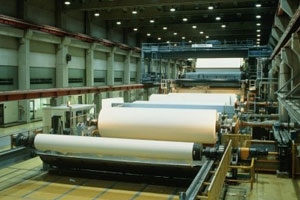
Paper Industry

Paper & Pulp Industry

Functions as retention aids, drainage aids, and dry strength agents. Improves short fiber and filler retention, balances wet-end chemistry as an anionic trash catcher, accelerates white water recycling, and enhances structural sheet uniformity.
Oilfield Industry

Oilfield & EOR Applications

Extensively utilized in oil exploration, profile control, plugging agents, drilling fluids, and hydraulic fracturing additives. Facilitates friction reduction, shale inhibition, cuttings transport, fluid loss reduction, and Enhanced Oil Recovery (EOR).

Mining Industry

Mining & Mineral Processing

Accelerates coal slurry washing settling, tailings filtration, and solid-liquid separation in gold, silver, iron, copper, and nickel extraction operations. Effectively seals mining pipes and reduces water consumption.
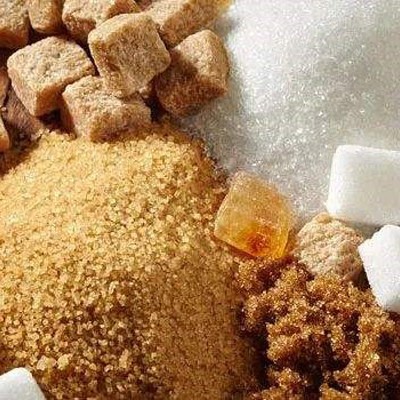
Sugar Industry

Sugar & Food Refining

Specially formulated food-grade APAM polymers used for clarification, flotation, and mud settling in sugarcane and sugar beet juice extraction processes, ensuring high clarity and product yield.
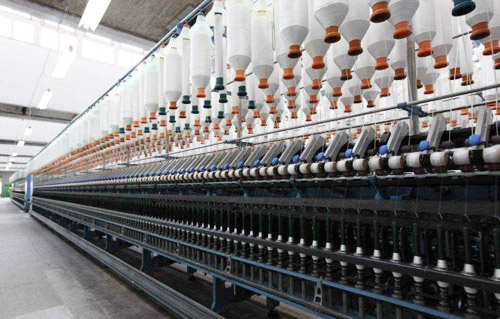
Textile Industry

Textile Sizing & Dye Wastewater

Serves as a high-performance sizing agent, finishing auxiliary, and fabric treatment chemical. Highly efficient in decolorizing complex textile printing and dyeing effluents.

Technical Roadmap & Strategic Future Outlook

Oubo Chemical's R&D division is continuously advancing polymer science to address future environmental and industrial challenges. Our forward-looking innovation strategy focuses on three core pillars:

1. Low-Residual Monomer Purity

Developing ultra-pure PAM grades with residual free acrylamide monomer (AMD) controlled below 100 ppm, exceeding strict drinking water standards and international regulatory thresholds (EU REACH, US NSF60).

2. High-Inversion Emulsion Polymerization

Innovating rapid-dissolving water-in-oil micro-emulsion PAM products. These liquid formulations achieve complete dissolution in under 5 minutes, eliminating powder dust and minimizing make-down footprint.

3. Smart Dosing System Compatibility

Optimizing polymer rheology and shear stability for integration with AI-driven automatic dosing systems that real-time monitor influent turbidities and adjust feed rates automatically.

Packaging, Storage & Logistics Protocols

Multi-layer moisture barrier packaging designed for long-distance ocean freight and shelf-life stability.
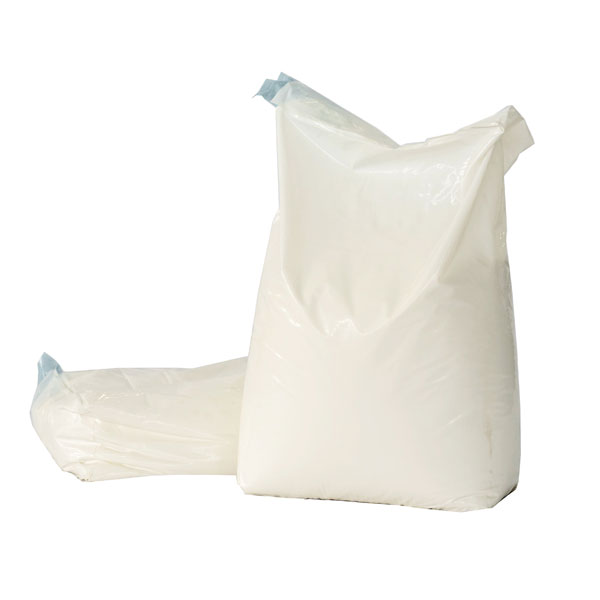
Blank-bag packaging
Blank-Bag Packaging

Neutral unprinted 25kg Kraft paper bags with internal PE liner for OEM customization.
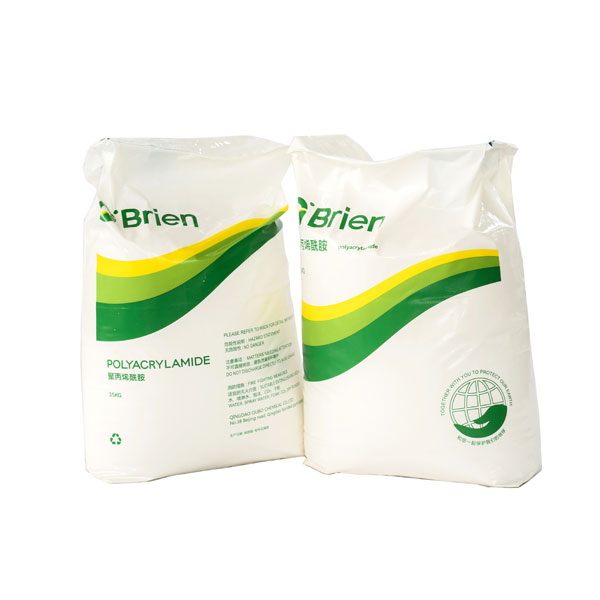
Normal-bag packaging
Standard Brand Bag

Standard Oubo export 25kg multi-wall paper bags with double-layer moisture seal.
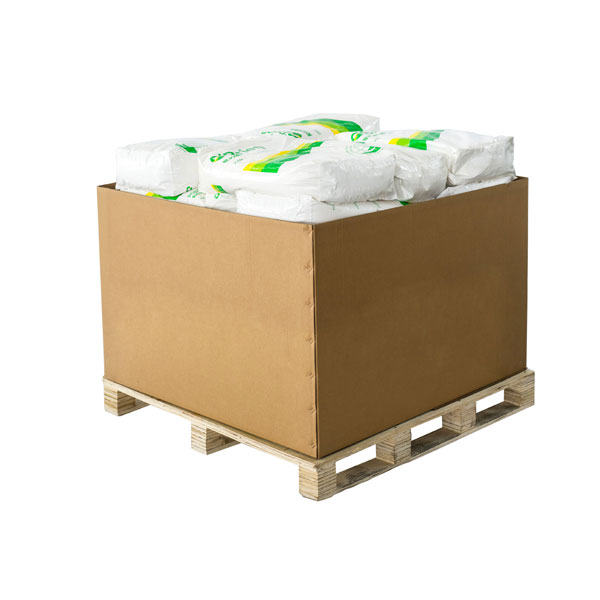
Bulk Package
Jumbo Bulk Bags

750kg - 1000kg FIBC super sacks designed for high-volume continuous industrial feeding systems.
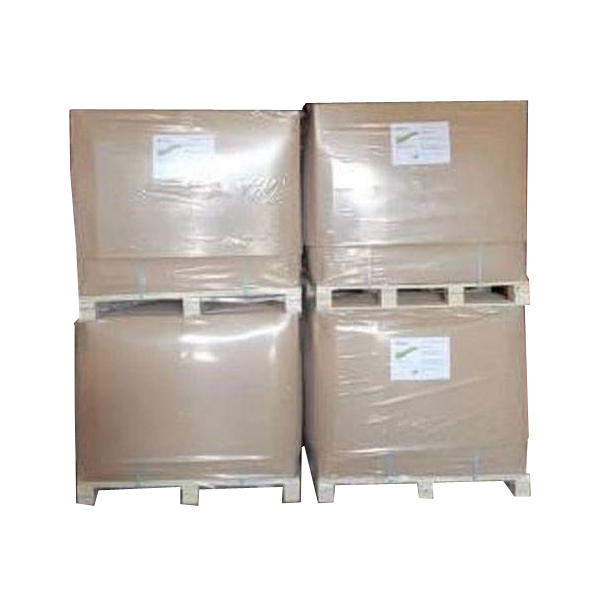
Palletized Loading
Palletized & Shrink-Wrapped

Standard export pallets with protective plastic wrap and corner guards for safe container transport.

Frequently Asked Questions (FAQ) & Technical Guidance

Expert responses addressing polymer selection, chemical dissolution, and operational troubleshooting.

Q: What is the key difference between bio-catalyzed and chemically synthesized Polyacrylamide?
Bio-catalyzed Polyacrylamide utilizes enzymatic nitrile hydratase to convert acrylonitrile to acrylamide monomer. This process operates at ambient temperatures, producing zero copper contaminants or hazardous chemical by-products. This yields higher molecular weight polymers with narrower weight distribution and superior flocculation performance.
Q: How do I determine whether my process requires Cationic, Anionic, or Nonionic PAM?
Polymer selection depends primarily on substrate surface charge and pH. Organic-rich suspended solids (such as municipal biological sludge) possess negative surface charges and require Cationic PAM. Inorganic suspensions (coal slurry, silica, metallic tailings) respond best to Anionic PAM. Acidic or non-charged organic suspensions require Nonionic PAM. Jar testing is strongly recommended to pinpoint optimum ionicity.
Q: What are the recommended dissolution procedures for dry powder Polyacrylamide?
Powdered PAM must be dissolved to a concentration of 0.1%–0.3% (w/v) using clean water with a neutral pH. The powder should be dispersed gradually into a vortex produced by gentle mechanical stirring (200–400 RPM). High-shear mixing must be avoided to prevent polymer chain scission. Complete dissolution typically takes 45 to 60 minutes.
Q: What is the storage shelf-life of dry PAM powder versus prepared stock solutions?
Dry PAM powder remains stable for up to 24 months when stored in original unopened, sealed packaging in a cool, dry, well-ventilated area. Once dissolved into liquid stock solution, Anionic PAM should be consumed within 5–7 days, while Cationic PAM solutions degrade faster and should be used within 24–48 hours.
Q: How does water hardness affect organic flocculant efficiency?
High divalent cation concentrations (e.g., Ca²⁺, Mg²⁺) in make-up water can bridge anionic PAM molecules prematurely, causing partial coil collapse and reduced hydrodynamic volume. In hard water conditions, slightly higher polymer dosing or custom formulation adjustment may be required.
Q: Does Oubo Chemical provide OEM packaging and custom charge-density formulations?
Yes, Oubo Chemical provides comprehensive OEM services including custom bag printing, neutral blank packaging, jumbo bags, and specific molecular weight/charge density tailormade formulations to meet exact client tender requirements.

Complete Polymer & Flocculant Portfolio

Explore our global range of Polyacrylamide products for advanced industrial clarification and sludge treatment.
China Cationic polyacrylamide
China Cationic polyacrylamide Manufacturer, Supplier
View Product Details
China Nonionic Polyacrylamide Thickener
China Nonionic Polyacrylamide (PAM) Thickener for Oilfield Drilling Fluid Manufacturers, Suppliers
View Product Details
Wholesale High Molecular Weight Anionic Polyacrylamide
Wholesale High Molecular Weight Anionic Polyacrylamide for Petrochemical & Metallurgical Wastewater Suppliers, Factories
View Product Details
Wholesale High Molecular Weight Nonionic Polyacrylamide
Wholesale High Molecular Weight Nonionic Polyacrylamide for Coal Washing & Tailings Dewatering Manufacturers, Suppliers
View Product Details
China Nonionic Polyacrylamide Supplier
China Nonionic Polyacrylamide Manufacturers, Supplier
View Product Details
Wholesale Cationic Polyacrylamide Powder
Wholesale Cationic Polyacrylamide Powder for Municipal & Industrial Wastewater Treatment Supplier, Suppliers
View Product Details
China Cationic Polyacrylamide Paper Making
China Cationic Polyacrylamide Retention & Drainage Aid for Paper Making Industry Supplier, Factories
View Product Details
China PAM Anionic Polyacrylamide Paper Strength Agent
China PAM Anionic Polyacrylamide Dry & Wet Strength Agent for Paper Industry Manufacturers, Factories
View Product Details