Explore our certified synthetic polymers designed for enhanced oil recovery (EOR), drilling fluid stabilization, and industrial solid-liquid separation.
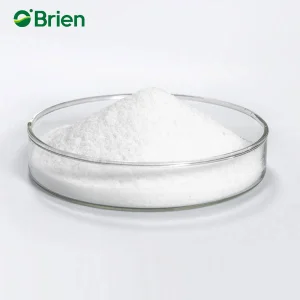
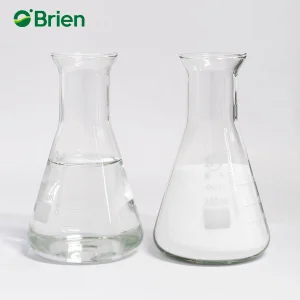
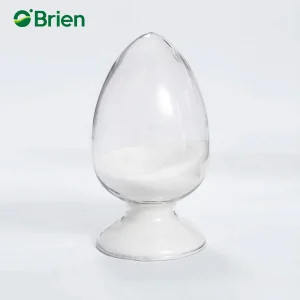
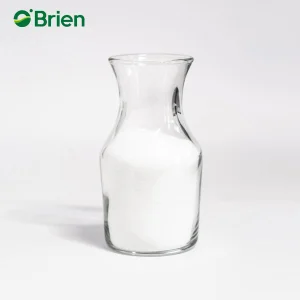
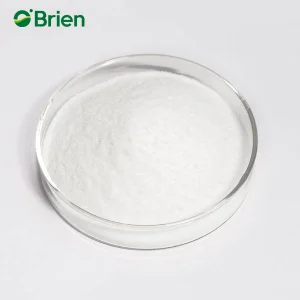
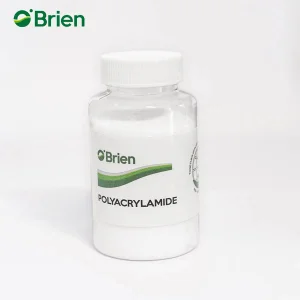
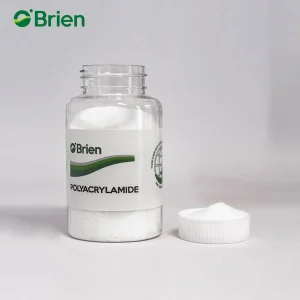
The global oil and gas extraction sector is undergoing a profound technological shift. As conventional hydrocarbon reservoirs mature, extraction dynamics increasingly rely on sophisticated chemical intervention—specifically Enhanced Oil Recovery (EOR), complex drilling fluid stabilization, and high-salinity profile control. Hydrolyzed Polyacrylamide (HPAM) and its synthetic derivatives stand at the very core of modern upstream energy engineering.
According to modern petroleum engineering standards, maintaining wellbore integrity under extreme high-temperature and high-pressure (HT/HP) conditions requires fluid additives with precise viscoelastic properties, thermal stability, and shear resistance. As an established global leader based in the Free Trade Zone of Qingdao, China, Qingdao Oubo Chemical Co., Ltd. engineered advanced macromolecular solutions tailored to overcome severe formation challenges across North America, the Middle East, the North Sea, and Asia-Pacific.
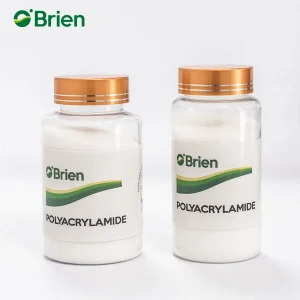
Polyacrylamide (CAS 9003-05-8) is a synthetic, water-soluble polymer synthesized from acrylamide monomers ($CH_2=CH-CONH_2$). Its functional properties depend heavily on molecular weight ($MW$), charge density, and ionic classification. Oubo Chemical utilizes proprietary bio-catalytic monomer synthesis to deliver linear, branched, and cross-linked polyacrylamide variants engineered for specific industrial applications.
Synthesized by co-polymerizing acrylamide with acrylic acid or sodium acrylate monomers. APAM carries negatively charged carboxylate groups ($-COO^-$), providing exceptional viscosity modification, shale inhibition, and EOR sweep efficiency.
Formulated by co-polymerizing acrylamide with cationic monomers such as DAC (Acryloyloxyethyltrimethyl ammonium chloride) or DMC. CPAM possesses positively charged quaternary ammonium sites that bind effectively to negatively charged colloidal matter.
A homopolymer of pure acrylamide monomer displaying non-ionic characteristics in aqueous media. NPAM relies on hydrogen bonding mechanisms rather than electrostatic attraction, granting superior stability in acidic or high-salinity fluids.
| Polymer Type | Appearance | Molecular Weight (Million) | Solid Content (%) | Dissolving Time (Mins) | Insoluble Matter (%) |
|---|---|---|---|---|---|
| Anionic PAM (APAM) | White Granular Powder | 12 - 25 MW | ≥ 88% | ≤ 60 mins | ≤ 0.2% |
| Cationic PAM (CPAM) | White Granular Powder | 8 - 15 MW | ≥ 89% | ≤ 60 mins | ≤ 0.2% |
| Nonionic PAM (NPAM) | White Granular Powder | 5 - 12 MW | ≥ 88% | ≤ 90 mins | ≤ 0.25% |
| Mannich PAM (Liquid/Emulsion) | Viscous Solution / Emulsion | 4 - 10 MW | 20% - 40% | Immediate (< 5 mins) | ≤ 0.1% |
Oubo Chemical delivers strategic polymer formulations engineered for high-stress operational environments. Our technical team works alongside clients globally to select, test, and optimize chemical performance across six core industrial segments:
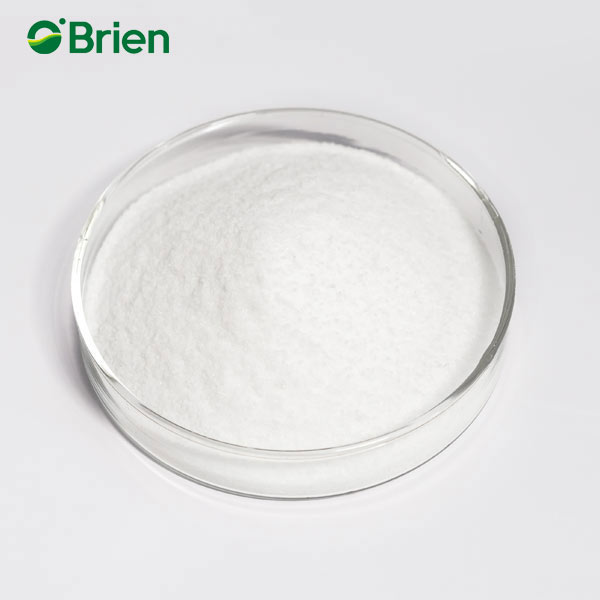
Polyacrylamide serves as a vital component in drilling fluids, fracturing fluids, and enhanced oil recovery (EOR). In tertiary recovery, high-MW APAM increases water phase viscosity, improving water-to-oil mobility ratio and reservoir sweep efficiency.
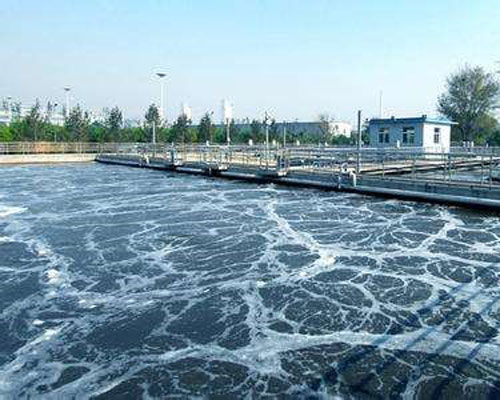
As a primary organic flocculant, PAM accelerates solid-liquid separation in municipal sewage plants and heavy industrial effluents. CPAM and APAM create rapid bridging between suspended solids, yielding clear supernatant and dense sludge cakes.

In metallurgical leaching and coal washing plants, tailored Nonionic and Anionic PAM polymers promote rapid sedimentation of mineral slurries, enabling efficient tailing water recycling and valuable metal extraction.
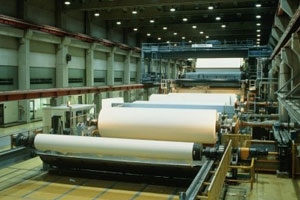
Polyacrylamide functions as a high-performance wet-end additive, acting as a retention agent, drainage aid, and strength enhancer. It neutralizes anionic trash while improving fine fiber retention.
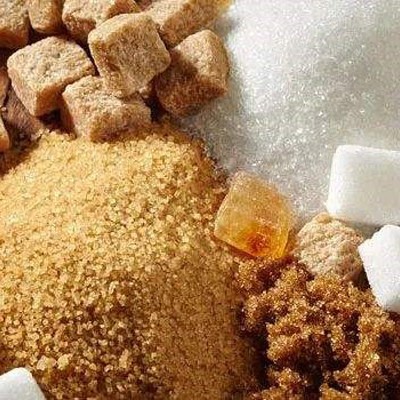
Food-grade anionic flocculants accelerate juice clarification during cane and sugar beet processing, settling non-sugar impurities while maximizing clarity and sugar yield.
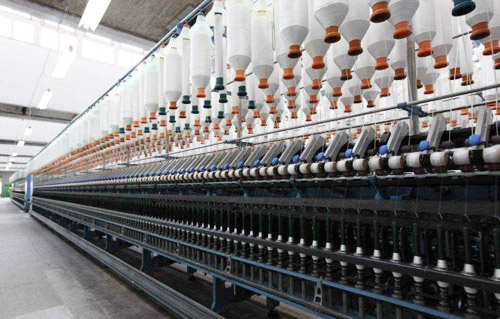
Serves as a smooth warp sizing agent to minimize yarn breakage during weaving, and efficiently decolorizes high-COD textile dyeing wastewater via cationic charge neutralization.
Established in 2011 in the Qingdao Free Trade Zone, China, Qingdao Oubo Chemical Co., Ltd. has grown at a steady annual rate of 10%, achieving an annual production capacity surpassing 50,000 Metric Tons. Our competitive advantage relies on rigorous manufacturing control, patented bio-synthesis methods, and global supply chain partnerships.
We utilize proprietary biological enzymatic catalysis to produce high-purity acrylamide monomer. This reduces chemical impurities, yields higher molecular weights, and minimizes environmental footprint during production.
Certified under ISO 9001:2008. Raw materials sourced directly from global chemical giants like SINOPEC and Eni. Every production batch undergoes three rigorous QC tests before dispatch.
Continuous technical accumulation backed by over €200 million dedicated to research and polymer development annually, pushing the boundary of heat resistance and salt tolerance in polymer flooded wells.
Our technical engineering team actively participates across pre-sales water analysis, polymer selection, field trial testing, and optimized post-sales dosage calibration worldwide.
Oilfield geological structures vary significantly across continents. Oubo Chemical provides localized product matching and regulatory compliance assurance to support operators in diverse global basins:
Tailored for Permian and Bakken shale hydraulic fracturing operations. Rapid-dissolving slickwater friction reducers minimize pump friction, reducing energy consumption and water usage during high-rate fracturing treatments.
Specifically modified temperature and salt-resistant copolymers (SAV / APAM derivatives) designed to retain solution viscosity in formations exceeding 85°C and 200,000 ppm total dissolved solids (TDS).
Fully compliant with international marine discharge regulations (OSPAR guidelines). Low residual monomer content (< 250 ppm) ensures minimal bioaccumulation and eco-toxicity in offshore ecosystems.
As environmental regulations tighten and oil extraction moves into deeper, harsher reservoirs, Oubo Chemical is committed to pioneering next-generation polymer technologies:
Developing modified natural biopolymer-acrylamide hybrids that maintain industrial performance while accelerating environmental degradation post-use, meeting net-zero corporate targets.
Incorporating hydrophobic monomer segments into the polymer chain to form dynamic physical networks. This self-assembling mechanism delivers extraordinary thermal stability above 100°C without chemical cross-linking agents.
To prevent moisture absorption and ensure long-shelf-life stability during ocean transport, Oubo Polyacrylamide is packaged in heavy-duty multi-layer bags with moisture-proof inner liners:
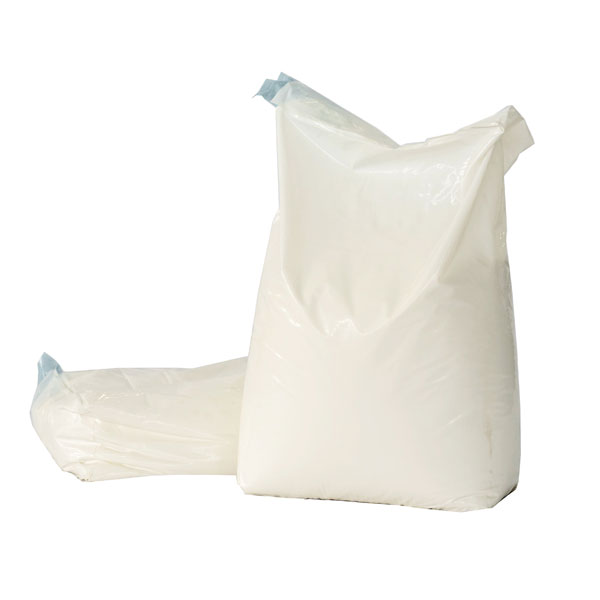
Neutral 25kg Kraft paper / PE bags designed for OEM re-branding.
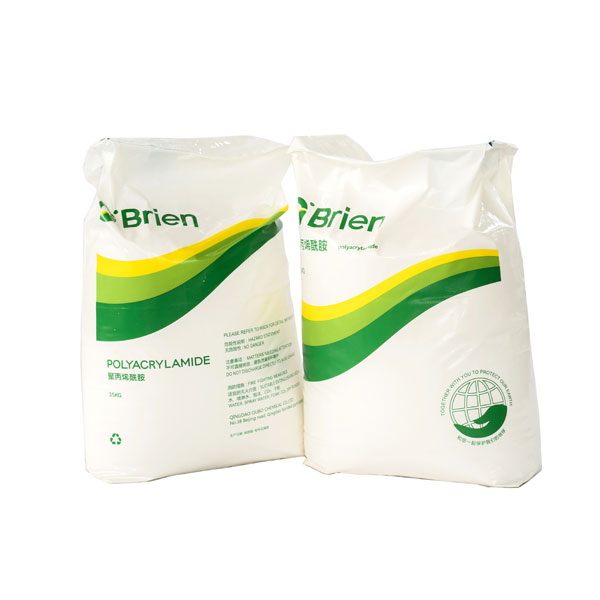
Standard O'brien branded 25kg valve bags with multi-lingual markings.
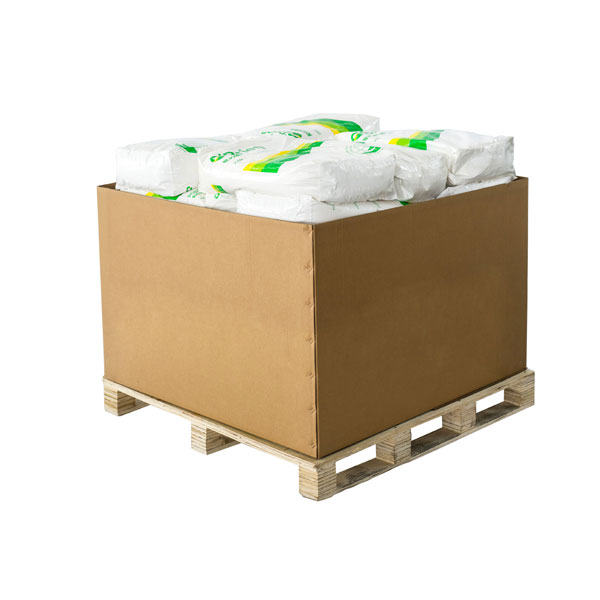
750kg - 1000kg FIBC super sacks equipped with bottom discharge spouts.
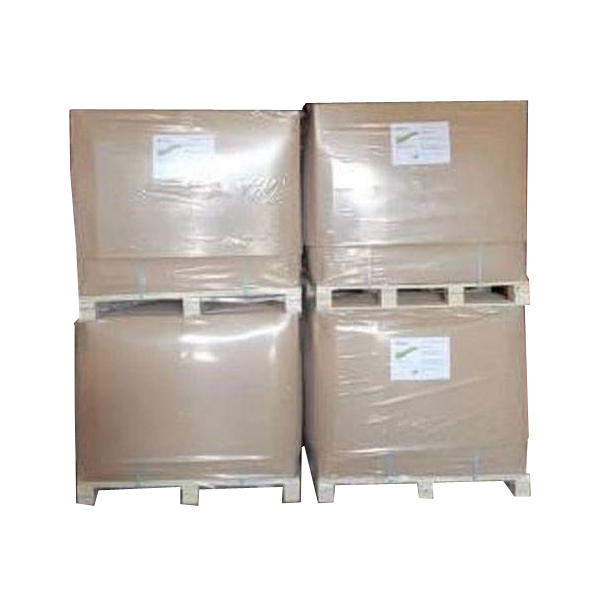
Fumigated wooden/plastic pallets with shrink-wrap protection for container loading.
Browse our specialized cationic, anionic, and nonionic polyacrylamide grades formulated for specialized industrial applications.
Find authoritative answers regarding polyacrylamide chemical selection, field preparation, stability under harsh reservoir conditions, and bulk procurement logistics.
 Oubo Chemical