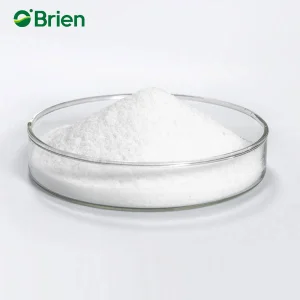
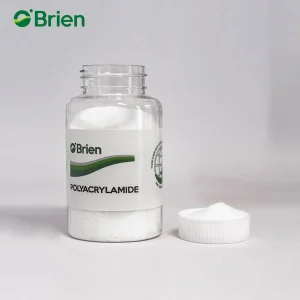
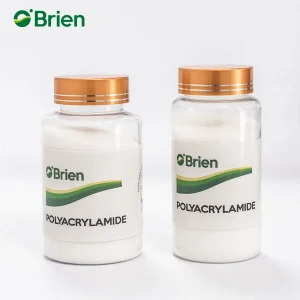
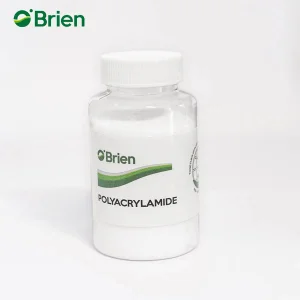
Wholesale Non Ionic Polyacrylamide Powder Manufacturer & Suppliers

High-Molecular-Weight Non-Ionic PAM (NPAM) Synthesized via Bio-Enzymatic Catalysis for Extreme Acidic Industrial Wastewater, Enhanced Oil Recovery, and Precision Mineral Beneficiation.

Primary Nonionic & Industrial PAM Formulations

Explore our core engineered polyacrylamide powders optimized for rapid flocculation, low shear degradation, and high salt tolerance.
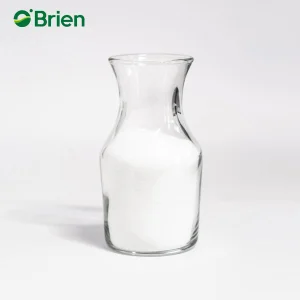
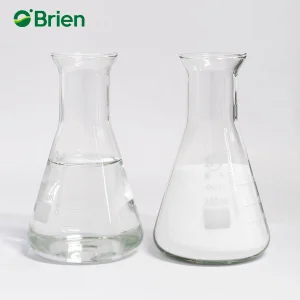
Wholesale Anionic Polyacrylamide for Municipal Sewage Treatment
Anionic Polyacrylamide (APAM) for Municipal Sewage Treatment & Sludge Dewatering
View Details & Specifications
Wholesale Anionic Polyacrylamide Suppliers
Wholesale Anionic Polyacrylamide High Yield Polymer Grades
View Details & Specifications
Wholesale Cationic Polyacrylamide Flocculant for Textile Wastewater
Cationic Polyacrylamide (CAS 9003-05-8) Flocculant for Textile & Dyeing Wastewater
View Details & Specifications
China Nonionic Polyacrylamide Suppliers
China Nonionic Polyacrylamide Powder (NPAM) High Purity Grade
View Details & Specifications
Wholesale High Molecular Weight Anionic Polyacrylamide
High Molecular Weight Anionic Polyacrylamide for Petrochemical & Metallurgical Wastewater
View Details & Specifications
China Nonionic Polyacrylamide Flocculant for Acidic Wastewater
Nonionic Polyacrylamide Flocculant for Acidic Industrial Wastewater Treatment
View Details & Specifications
Wholesale Anionic Polyacrylamide Powder Flocculant Food Processing
Anionic Polyacrylamide Powder Flocculant for Food Processing & Sugar Refining
View Details & Specifications
Wholesale Nonionic Polyacrylamide for Mineral Processing
Nonionic Polyacrylamide (NPAM) for Mineral Processing & Metallurgical Ore Dressing
View Details & Specifications

Executive Whitepaper: Technical Architecture of Nonionic Polyacrylamide

A definitive guide to molecular design, solution kinetics, and chemical efficiency in severe industrial environments.

Molecular Chemistry & Mechanism of Action

Nonionic Polyacrylamide (NPAM) is a water-soluble linear polymer synthesized from monomeric acrylamide ($CH_2=CH-CONH_2$) possessing a neutral ionic charge density along its macromolecular backbone. Unlike its Anionic (APAM) or Cationic (CPAM) counterparts, NPAM relies almost exclusively on hydrogen bonding and adsorption bridging mechanisms rather than electrostatic charge neutralization to perform solid-liquid separation.

Because the amide functional groups ($-CONH_2$) contain localized lone-pair electrons without net positive or negative ionic charges, NPAM exhibits unparalleled structural stability in solutions containing high ionic strength, complex multivalent cations ($Ca^{2+}, Mg^{2+}, Fe^{3+}, Al^{3+}$), and extreme acidic environments (pH 1.0 to 6.0).

Information Gain Metric: Standard ionic polymers suffer from macromolecular coil collapse under high salt or low pH due to charge shielding. NPAM maintains its extended hydrodynamic radius across saline gradients, securing fast sedimentation speeds without charge interference.

Key Physical & Technical Specifications

Our engineered wholesale Nonionic Polyacrylamide powder is manufactured to meet demanding global industrial standards. Key parameters are strictly monitored per production batch:

Technical Property Standard Grade NPAM Ultra-High MW Grade
Molecular Weight (Million) 8.0 – 12.0 Million 12.0 – 16.0 Million
Solid Content (%) ≥ 89.0% ≥ 90.0%
Degree of Hydrolysis 0 – 3.0% Maximum 0 – 2.0% Maximum
Dissolution Time (Mins) ≤ 60 Minutes ≤ 75 Minutes
Insoluble Matter (%) ≤ 0.10% ≤ 0.05%
Residual Monomer (%) ≤ 0.05% (500 ppm) ≤ 0.025% (250 ppm)

Macro-Industry Solutions & Global Industrial Status

Addressing the stringent Zero Liquid Discharge (ZLD) mandates and resource recovery targets of modern industrial ecosystems.

Acidic Industrial Wastewater & Leaching Effluents

In acidic environments (such as acid-mine drainage, metal pickling baths, and phosphoric acid production), traditional anionic polymers become protonated and lose flocculating power. Nonionic Polyacrylamide retains full structural integrity down to pH 1.0, enabling micro-floc aggregation and rapid clarification of heavy metal slurries.

Mineral Beneficiation & Tailings Dewatering

Global mining operations for copper, gold, alumina, and iron ore utilize NPAM for thickener overflow clarification and filtration tailing dewatering. NPAM bridges finely divided silica, clays, and metallic oxides efficiently without interfering with downstream froth flotation chemical balances.

Enhanced Oil Recovery (EOR) & Drilling Fluids

In high-salinity oilfields where formation water contains high Total Dissolved Solids (TDS), NPAM serves as a fluid-loss controller and mobility control polymer. It resists charge-induced viscosity degradation, enhancing sweep efficiency in mature hydrocarbon reservoirs.

Oubo Chemical: Engineered Precision & Global Authority

Established in 2011 in the Free Trade Zone of Qingdao, China. Over a decade of innovation in polyacrylamide synthesis.

50,000+
Metric Tons Annual Capacity
€200M
Annual R&D Accumulation
ISO 9001
Certified Quality System
10% +
Year-over-Year Growth

Bio-Enzymatic Synthesis Technology (Patented Process)

Qingdao Oubo Chemical utilizes cutting-edge biological catalytic methods for converting acrylonitrile to acrylamide monomer. This patented low-temperature bio-enzymatic process eliminates copper catalysts, drastically reduces byproduct impurities, and guarantees an ultra-high purity polymer backbone with near-zero residual monomer content.

Global Raw Material Supply Chain & 3X Quality Check

To guarantee continuous structural stability, our primary monomers are sourced globally from tier-1 petrochemical leaders including SINOPEC and Eni. Every batch produced undergoes a rigorous 3-tier Quality Control (QC) inspection protocol—analyzing viscosity, dissolution kinetics, and residual monomer levels prior to dispatch.

Localized Application Scenarios & Engineering Case Studies

Field-proven performance across pulp & paper, mining tailing management, oilfield operations, and industrial wastewater treatment.

Paper & Pulp Industry

NPAM functions as an exceptional dispersant and dry-strength auxiliary in specialty papermaking. By promoting uniform fiber distribution without inducing unwanted floc charge agglomeration, it significantly enhances sheet formation, pulp evenness, paper softness, and tensile toughness. Furthermore, it operates effectively in white water closed-loop recycling loops.

Coal Washing & Tailings Dewatering

During coal processing and mineral washing, ultrafine clay particulates remain suspended due to steric hindrance. Wholesale Nonionic PAM rapidly forms large bridging flocs that accelerate settling velocity in thickener tanks. Filter presses achieve significantly lower cake moisture content, conserving recycling water and reducing slimes processing overheads.

Sugar & Food Processing Refining

In sugar juice clarification and flotation refining, strict chemical safety is required. Food-grade low-residual NPAM effectively agglomerates suspended organic impurities in raw sugarcane and sugar beet extracts. It delivers crystal-clear juice overflows without contaminating downstream evaporation stages or crystallizers.

Standard Dissolution & Preparation Guidelines

To achieve optimal macromolecular uncoiling and prevent mechanical degradation: 1. Dissolve NPAM powder in clean water at a concentration of 0.1% – 0.3% (w/v). 2. Add powder gradually via an automated dry-powder feeder into a turbulent dissolving zone to prevent "fish-eye" agglomerates. 3. Maintain low-shear stirring (200 – 400 RPM) for 45 to 60 minutes. 4. Avoid low-grade carbon steel contact; use stainless steel, FRP, or plastic lined tanks.

Global Industrial Packaging & Storage Security

Moisture-proof, reinforced export packaging designed to ensure long-term shelf stability during transoceanic shipping.
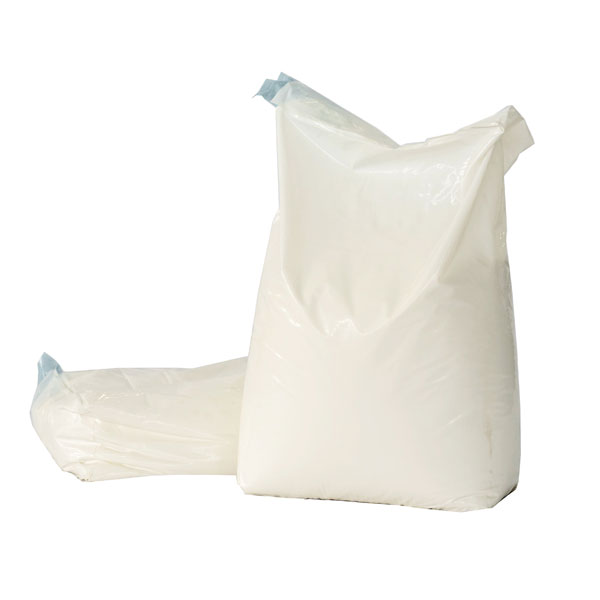
Blank Bag Package

Blank Neutral Bag

25kg Kraft Paper / PE Inner Liner for OEM distributors.
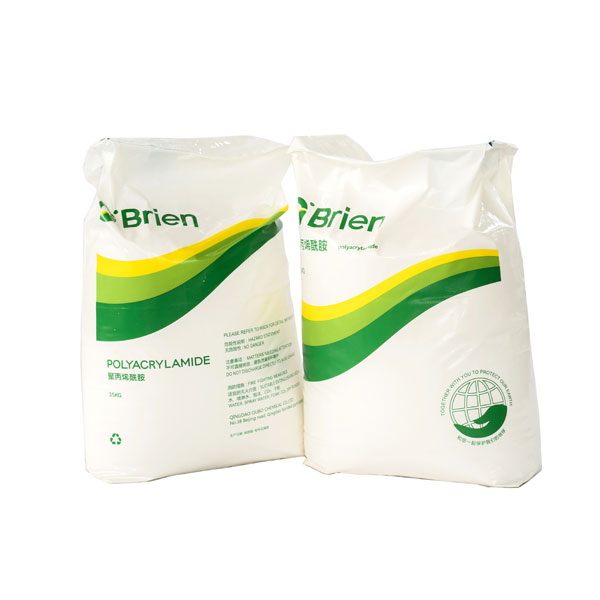
Normal Printed Bag

Standard Brand Bag

Multi-layer woven bag with custom multi-language print.
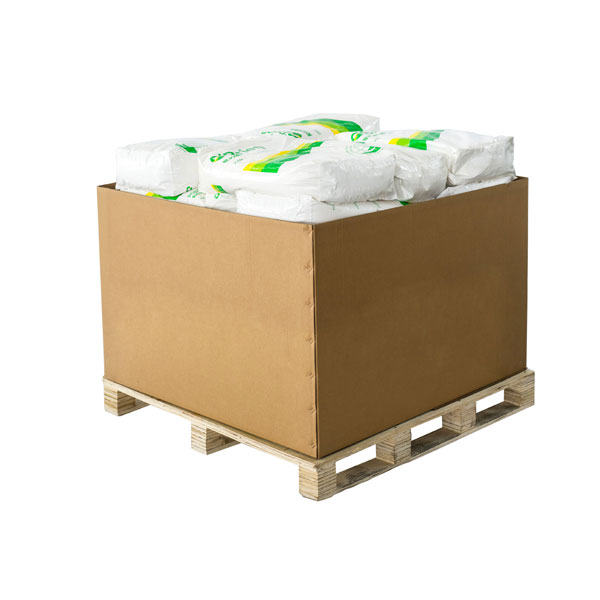
Jumbo Ton Bag Package

Jumbo Bulk Bag (750kg)

Heavy-duty discharge bag optimized for large mining sites.
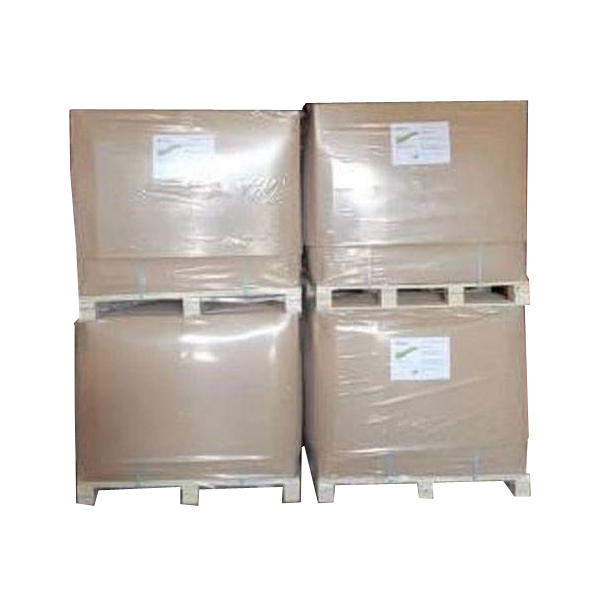
Palletized Export Package

Palletized Stretch Wraps

ISPM-15 compliant fumigated pallets wrapped in moisture barrier.

Technical Roadmap & Future Outlook (2025–2030)

Driving green chemistry innovations, AI-assisted dosing controls, and ultra-high stability polymer matrices.

Next-Gen Bio-Based Degradable Backbones

As global environmental regulations tighten surrounding micro-plastics and chemical persistence, Oubo Chemical R&D is pioneering bio-grafted nonionic polymers. By integrating enzymatic-degradable linkages into the polyacrylamide chain, future NPAM variants will deliver identical industrial performance during operational residence times while accelerating environmental degradation upon final sludge disposal.

Smart AI-Controlled Dosing & Viscosity Optimization

Industrial wastewater streams experience real-time fluctuations in turbidity, temperature, and salt content. Oubo is collaborating with industrial system integrators to deploy online viscosity sensors linked with predictive AI dosing algorithms. This minimizes chemical consumption by up to 25% while maintaining absolute effluent clarity under variable feed conditions.

Specialized Polymer Formulations & Regional Supplies

Explore our full catalog of specialized cationic, anionic, and nonionic PAM grades tailored for diverse industrial sectors.
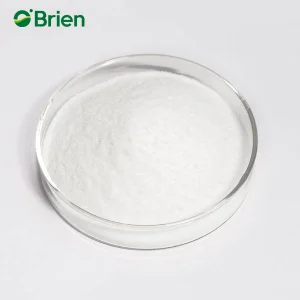
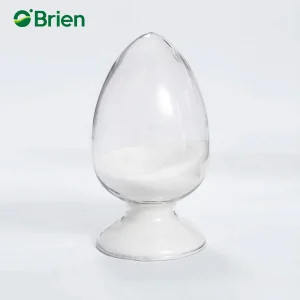
Wholesale High Molecular Weight Nonionic Polyacrylamide for Coal Washing
High Molecular Weight Nonionic Polyacrylamide for Coal Washing & Tailings Dewatering
View Details & Specifications
Wholesale Cationic Polyacrylamide Powder for Wastewater Treatment
Cationic Polyacrylamide Powder for Municipal & Industrial Wastewater Treatment
View Details & Specifications
Wholesale Cationic Polyacrylamide Supplier for Sludge Dewatering
Cationic Polyacrylamide (CPAM) for Sludge Dewatering & Industrial Flocculation
View Details & Specifications
Wholesale PAM Anionic Polyacrylamide Suppliers
Wholesale PAM Anionic Polyacrylamide Water Treatment Polymer
View Details & Specifications
China PAM Anionic Polyacrylamide Paper Strength Agent
PAM Anionic Polyacrylamide Dry & Wet Strength Agent for Paper Industry
View Details & Specifications
China Cationic Polyacrylamide Manufacturer Supplier
China Cationic Polyacrylamide High Charge Density Flocculant
View Details & Specifications
China Nonionic Polyacrylamide Thickener for Oilfield Drilling Fluid
Nonionic Polyacrylamide (PAM) Thickener for Oilfield Drilling Fluid
View Details & Specifications
China Cationic Polyacrylamide Paper Making Retention Aid
Cationic Polyacrylamide Retention & Drainage Aid for Paper Making Industry
View Details & Specifications

Frequently Asked Questions (FAQ) & Technical Guidance

Comprehensive engineering insights for procurement managers, chemical engineers, and water treatment specialists.
What is the key functional difference between Nonionic (NPAM) and Anionic (APAM) Polyacrylamide?
Anionic Polyacrylamide contains negatively charged carboxylate groups ($COO^-$) along its chain, making it highly effective for binding positively charged mineral suspensions in neutral or alkaline pH. Nonionic Polyacrylamide carries neutral electrical charge density. NPAM relies on hydrogen bonding through its amide groups ($CONH_2$), enabling it to perform flocculation in strongly acidic solutions (pH < 5) and high-salinity brines where ionic polymers collapse due to electrical double-layer suppression.
Why is bio-enzymatic synthesis superior to traditional chemical synthesis for NPAM?
Traditional chemical synthesis utilizes copper-catalyzed hydration of acrylonitrile, which leaves trace copper ions and higher residual acrylamide monomer (AMD) in the final product. Oubo Chemical's patented bio-enzymatic method uses biological catalysts at ambient temperatures. This results in ultra-pure acrylamide monomer, extremely high molecular weight control (up to 16 Million MW), zero copper content, and residual monomer levels under 0.05% (500 ppm).
How should Nonionic Polyacrylamide powder be stored to prevent degradation?
Unopened solid dry powder should be stored in a cool, dry, well-ventilated warehouse below 35°C (95°F), isolated from moisture and direct sunlight. Under these conditions, the shelf life exceeds 24 months. Aqueous working solutions (0.1% concentration) should be prepared fresh and consumed within 24 to 48 hours, as standing aqueous polymer chains undergo slow natural shear and hydrolysis degradation.
What is the optimal dosage calculation for NPAM in mineral tailings dewatering?
Typical operational dosage ranges between 5 to 50 grams of active dry NPAM per dry ton of solids. However, optimal dosage depends on pulp density, particle size distribution (d50), and slurry pH. We strongly recommend performing bench-top jar testing using a 0.1% stock solution to determine the precise settling velocity curve and clarity threshold prior to full-scale plant dosing.
Can Oubo Chemical supply custom molecular weight specifications and OEM packaging?
Yes. As an established direct manufacturer with over 50,000 tons annual capacity, Oubo provides tailored polymer synthesis matching specific molecular weights (from 6 Million up to 18 Million MW) and customized degree of hydrolysis. We offer full OEM private labeling, custom bag printing (25kg, 500kg, 750kg), and flexible incoterms (FOB, CIF, DDP).
What quality control standards govern Oubo Chemical’s manufacturing facility?
Our factory operates strictly under the ISO9001:2008 Quality Management System. Raw materials are audited upon arrival from global partners like SINOPEC and Eni. During production, automated sensors track polymerization kinetics, and every finished batch is sampled 3 times by our dedicated QC laboratory to certify purity, viscosity, filterability, and moisture limits before release.