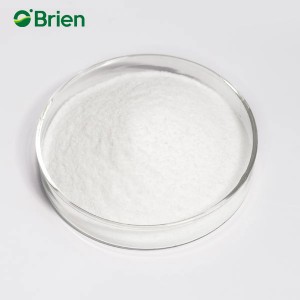
High-performance acrylamide polymers synthesized for industrial clarification, enhanced oil recovery, and mineral processing.
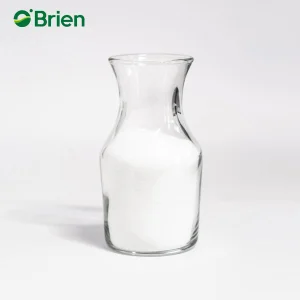
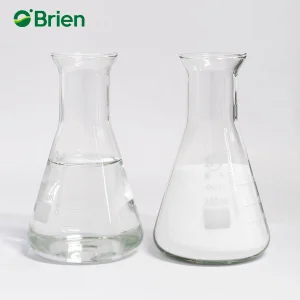
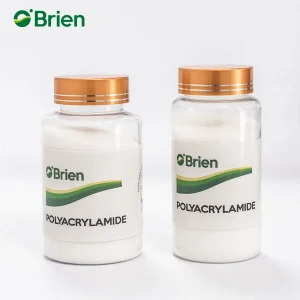
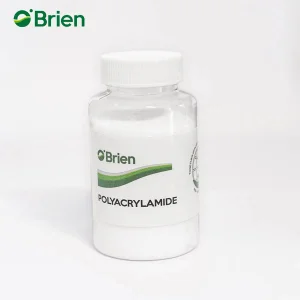
Understanding the zero-charge polymer matrix, solution rheology, and hydrogen bonding mechanisms in complex fluid environments.
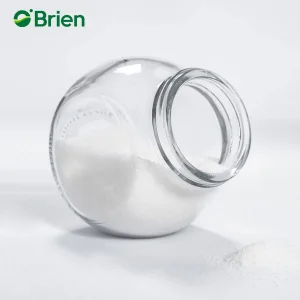
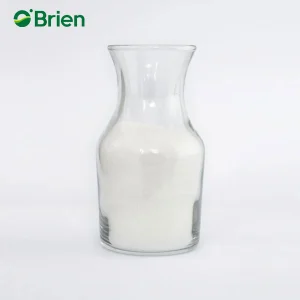
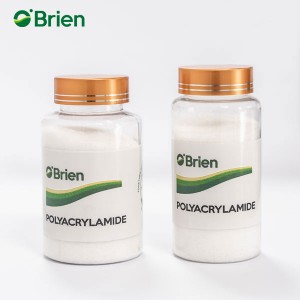
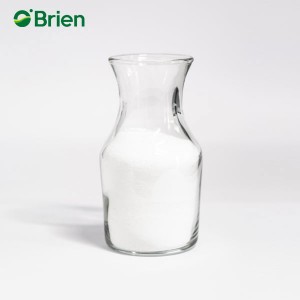
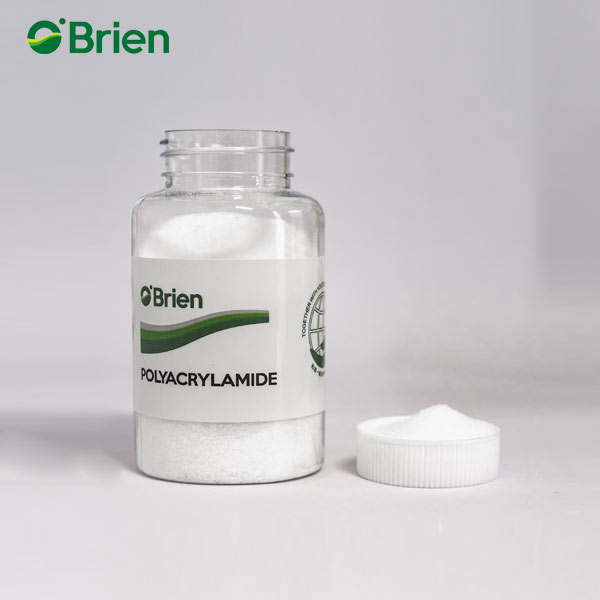
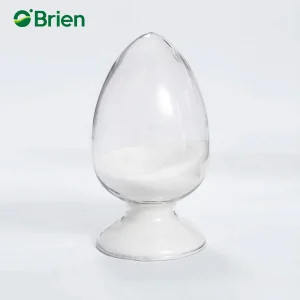
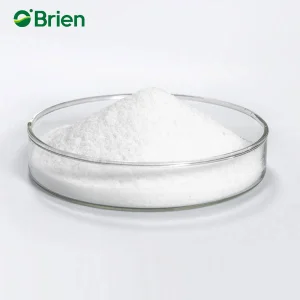
Polyacrylamide (PAM) is a synthetic water-soluble resin polymer prepared by the free-radical polymerization of acrylamide (AM) monomers. It is physically supplied as a white, free-flowing granular powder or liquid emulsion. Depending on its chemical modification and ionic active sites, PAM is categorized into four primary ionic formulations: Nonionic (NPAM), Anionic (APAM), Cationic (CPAM), and Amphoteric/Mannich polymers.
Unlike charged polyelectrolytes, Non-Ionic Polyacrylamide (CAS No. 9003-05-8) exhibits a neutral, zero-net-charge backbone constructed predominantly of hydrophobic alkyl chains with highly hydrophilic amide functional groups (-CONH₂). Because its structure is free of carboxylic acids or quaternary ammonium salts, NPAM polymer chains do not undergo electrostatic repulsion or collapse in high-salinity, multi-valent ion, or extreme pH environments. This structural neutrality delivers extraordinary hydrolytic stability across a broad pH spectrum ranging from pH 1.0 to pH 14.0.
While charged polymers (APAM/CPAM) rely heavily on electrostatic charge neutralization to destabilize colloidal suspensions, Nonionic Polyacrylamide operates via high-efficiency hydrogen bonding and macromolecular bridging:
-CONH₂) form strong hydrogen bonds with hydroxylated surfaces (e.g., silanols on clay, silica, metallic oxides, and mineral slurries).| Polymer Parameter | Non-Ionic PAM (NPAM) | Anionic PAM (APAM) | Cationic PAM (CPAM) |
|---|---|---|---|
| Ionic Charge Type | Neutral (0 Charge) | Negative (-COO⁻) | Positive (-N⁺R₃) |
| Molecular Weight (Daltons) | 5 Million - 15 Million | 6 Million - 25 Million | 4 Million - 12 Million |
| Primary Flocculation Mode | Hydrogen Bonding & Bridging | Charge Neutralization & Bridging | Charge Neutralization (Sludge Dewatering) |
| pH Operational Range | 1.0 - 14.0 (Extreme Stability) | 6.0 - 10.0 (Precipitates in Acid) | 3.0 - 9.0 (Sensitive to Alkaline) |
| Resistance to Electrolytes | Exceptional (High Salinity Tolerant) | Moderate (Coils in High Salt) | Low-Moderate |
A decade of continuous innovation, global strategic chemical supply, and environmental stewardship in polymer manufacturing.
Oubo Chemical Co., Ltd was established in 2011, strategically located within the Free Trade Zone of Qingdao, China. Over the past decade, our commitment to technical precision and operational excellence has driven a steady annual business growth rate exceeding 10%. Qingdao Oubo Chemical Co., Ltd. is highly committed to chemical quality, customer service, and strictly mitigates environmental impacts during polyacrylamide synthesis and global industrial application.
Oubo specializes in manufacturing and supplying Cationic Polyacrylamide, Anionic Polyacrylamide, and Nonionic Polyacrylamide. Equipped with automated synthesis lines, state-of-the-art analytical equipment, and a veteran engineering team, we ensure all products meet rigid technical tolerances. In 2018, Oubo’s annual polyacrylamide capacity broke through 50,000 Metric Tons, backed by quality management systems fully certified under ISO 9001:2008.
Driven by continuous technical accumulation, Oubo reinvests over €2 Million annually into R&D, utilizing patented bio-enzymatic routes for monomer preparation. Our raw materials are globally sourced from industry giants including SINOPEC, Eni, and other world-class chemical suppliers, ensuring batch-to-batch consistency for critical industrial operations.
Comprehensive polymer engineering for severe environmental and manufacturing process challenges.
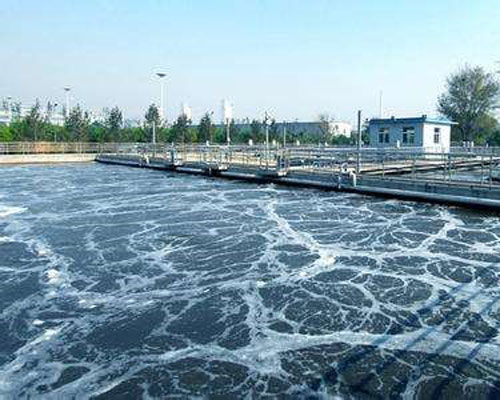
As an advanced flocculating agent, Nonionic Polyacrylamide is widely used in industrial solid-liquid separation processes, including sedimentation, clarification, thickening, and centrifugal sludge dewatering. In municipal sewage treatment plants and acidic industrial effluents (electroplating, leather, citric acid, and pharmaceutical waste), NPAM forms rapid, dense flocs without altering system pH.
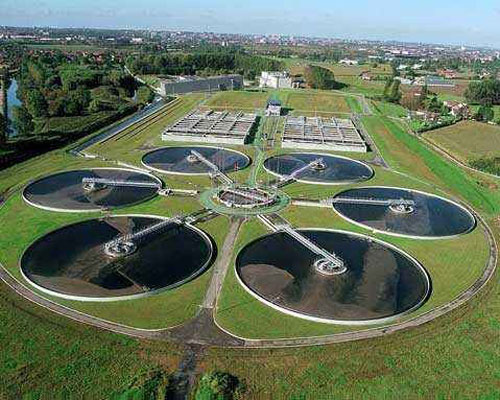
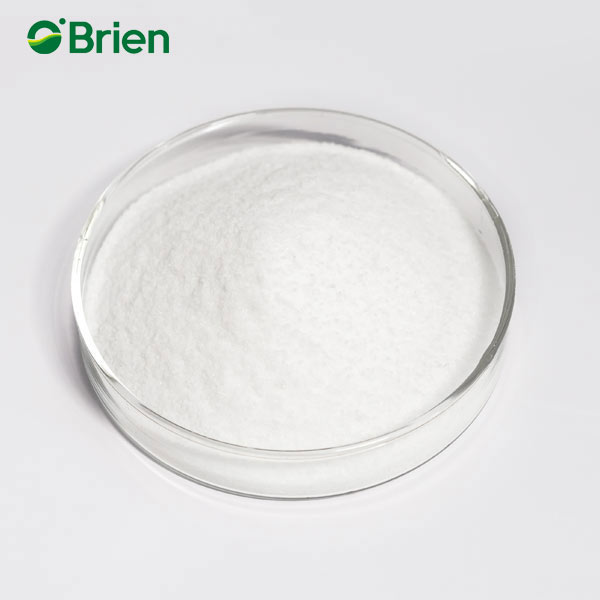
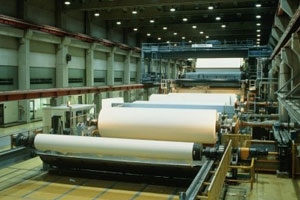
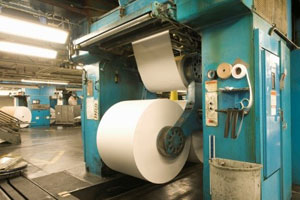
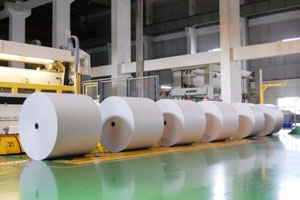
In the paper industry, NPAM and customized acrylamide copolymers function as dry strength agents, retention aids, and filter aids. They dramatically enhance fiber retention, improve paper physical strength, reduce raw material fiber loss, and clarify paper mill white water:

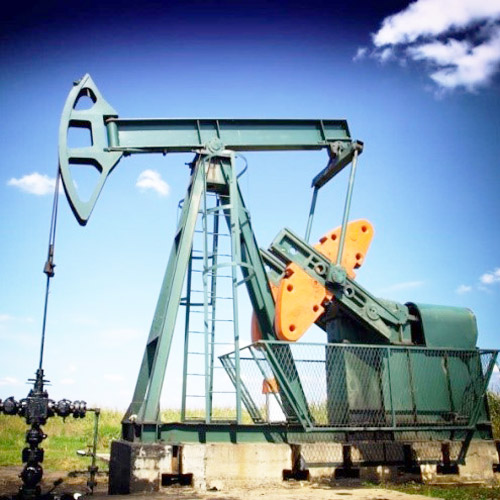
Non-Ionic PAM is essential across upstream petroleum operations, including profile control, well plugging, drilling mud viscosity modification, and hydraulic fracturing fluids. Its salt-insensitive molecular structure prevents polymer breakdown in hypersaline formation waters.

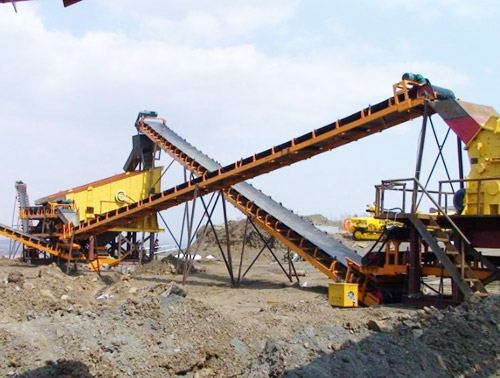
NPAM delivers superior solid-liquid separation in mineral beneficiation and hydrometallurgical leaching processes. It excels in strongly acidic leach liquors (e.g., copper/gold acid extraction) where traditional anionic flocculants decompose.

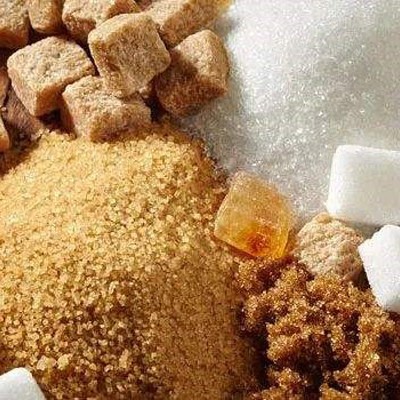
In sugar cane and sugar beet processing, high-purity non-ionic polyacrylamide is utilized in juice clarification and froth flotation. It flocculates suspended impurities without altering sucrose structure or leaving toxic residual monomers.
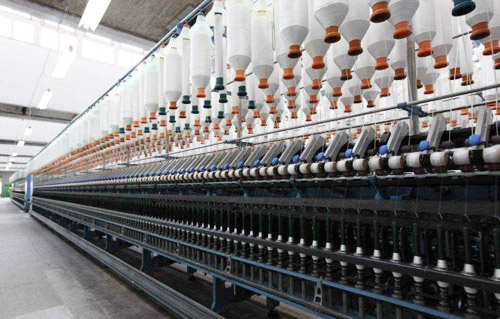
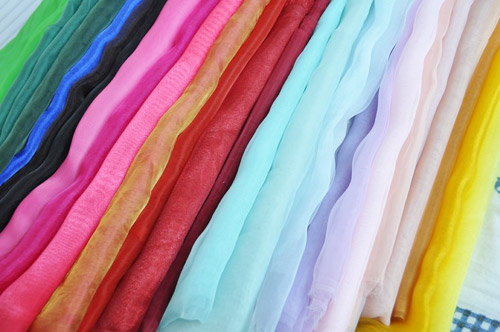
NPAM functions as a high-performance chemical sizing agent, fabric finishing auxiliary, and textile wastewater clarifying polymer. It increases fabric softness, abrasion resistance during weaving, and precipitates fine dye pigments from effluent streams.

Addressing ESG mandates, Zero Liquid Discharge (ZLD) regulations, and global polymer chemical economics.
Global regulatory bodies (US EPA, EU REACH, China MEER) are imposing stringent Zero Liquid Discharge (ZLD) standards on mining tailings, petrochemical facilities, and textile plants. Industrial operators require ultra-pure flocculants like Oubo’s non-ionic polyacrylamide to maximize water recycling rates, cut hazardous sludge volumes, and ensure zero toxic residual acrylamide monomer (AM < 0.05%) in discharged streams.
Traditional chemical synthesis of acrylamide relies on copper-catalyzed hydration of acrylonitrile, leaving metallic impurities and high energy footprints. Oubo utilizes 3rd-generation microbial nitrile hydratase bio-catalysis. Operating at ambient temperatures, this enzymatic route achieves 99.9% monomer conversion purity, eliminating copper ions and dramatically reducing carbon intensity during polymer synthesis.
World-class manufacturing infrastructure, rigorous quality control, and dedicated application engineering support.
Qingdao OUBO Chemical Co., Ltd. is a premier global polyacrylamide manufacturer. Utilizing patented bio-enzymatic synthesis and reinvesting €2 Million annually into R&D, we continually advance core polymer technology.
Global supply chain integration. Key monomers sourced from SINOPEC and Eni. Fully automated control lines certified under ISO 9001, with every production batch triple-tested by our QC lab prior to shipment.
Over a decade of focused polymer manufacturing expertise. We deliver highly competitive OEM pricing with rapid turnaround times, supported by a specialized team from lab synthesis to site delivery.
Our technical engineers actively participate in pre-sales consultations, laboratory jar testing, site trials, and post-sales optimization to ensure customers select the precise polymer grade.
Customized barrier packaging options designed to preserve polymer moisture stability during international sea freight.
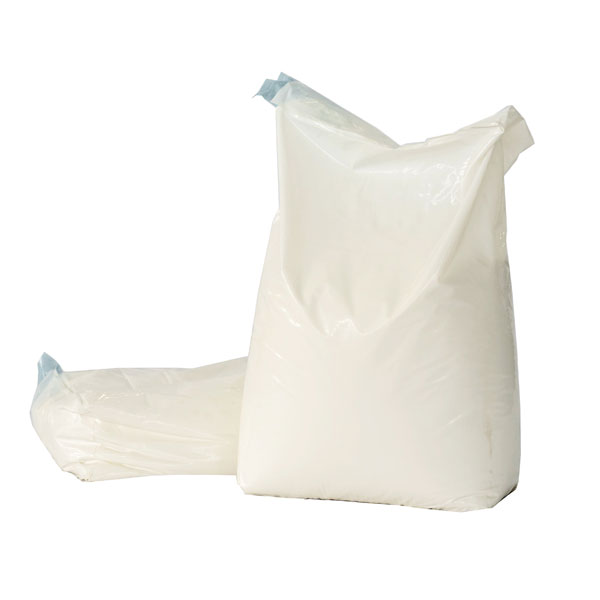
Neutral 25kg multi-wall paper bags with inner PE moisture barrier lining. Ideal for private-label distributors.
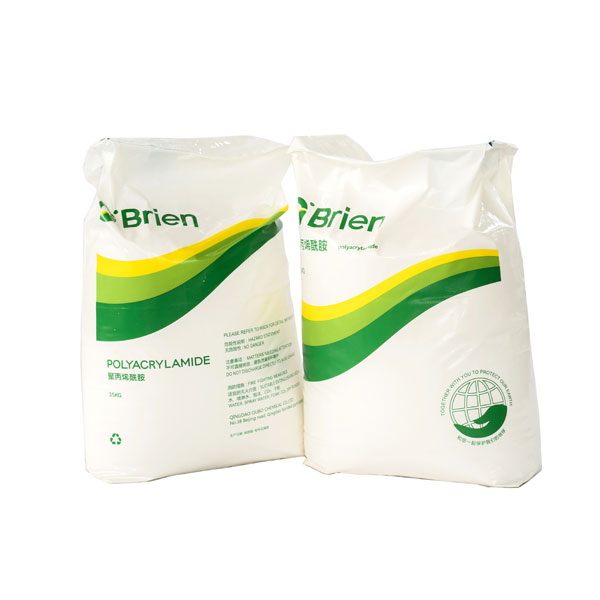
Standard Oubo enterprise packaging featuring clear batch coding, technical specifications, and safety hazard labeling.
Heavy-duty woven polypropylene jumbo bags equipped with top filling and bottom discharge spouts for automated dosing systems.
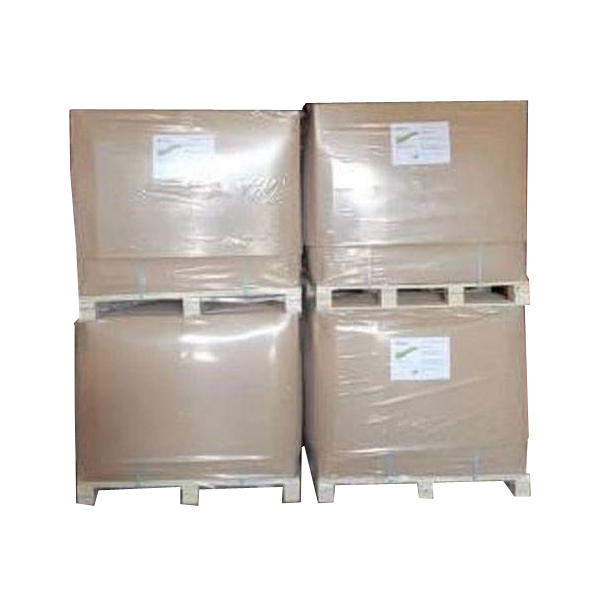
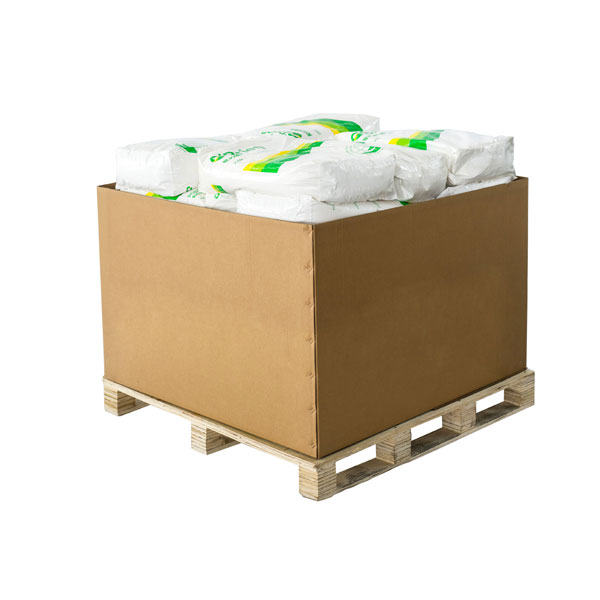
ISPM-15 compliant palletization secured with shrink wrap and protective corner boards for containerized sea shipment.
Pioneering the next era of smart flocculants, ultra-high molecular weights, and green synthesis chemistry.
100% transition to microbial enzymatic synthesis for acrylamide monomer preparation, guaranteeing minimal residual toxic monomer (<0.05%) for municipal and food contact applications.
Synthesis of controlled hyper-branched non-ionic polymer chains offering exceptional shear stability in high-shear centrifugal clarification and deep-well drilling fluid systems.
Development of bio-degradable grafted acrylamide polymers utilizing natural polysaccharide backbones (starch/cellulose) to achieve complete bio-degradation after industrial water clarification.
Expert technical insights regarding product selection, chemical stability, preparation protocols, and logistics.
Anionic Polyacrylamide contains carboxyl groups (-COO⁻) that protonate into insoluble carboxylic acid form (-COOH) in acidic media (pH < 4.5), causing the polymer chain to precipitate and lose flocculation capability. Non-Ionic Polyacrylamide possesses neutral amide groups (-CONH₂) that remain fully soluble and hydrodynamically active across pH 1.0 to 14.0.
NPAM dry powder should be dissolved in clean water at a concentration of 0.1% to 0.3% (w/v). Slowly sprinkle the dry polymer into a vortex created by a low-shear mechanical stirrer (200 - 400 RPM). Avoid high-shear agitation or rapid pump impellers, which break long polymer chains and reduce molecular weight.
Unopened dry NPAM powder stored in a cool, dry, ventilated warehouse has a shelf life of 24 months. Diluted liquid stock solutions (0.1% concentration) should be consumed within 24 to 48 hours, as aqueous polymer chains naturally undergo hydrolysis over time.
Yes. Our technical team conducts comprehensive laboratory jar testing and sedimentation velocity analyses on customer slurry samples to determine the optimal molecular weight, charge type, and exact ppm dosing dosage prior to commercial procurement.
Browse our extended product portfolio engineered for global water treatment, mining, paper, and petroleum operations.
 Oubo Chemical