Engineered high-molecular-weight anionic, cationic, and nonionic polyacrylamide solutions manufactured to precise global industry specifications.
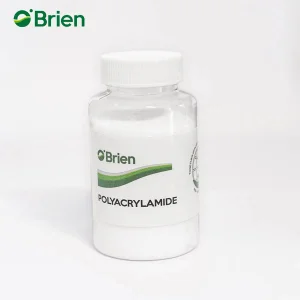
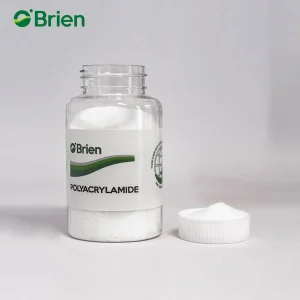
Understanding the transition from traditional powder polymers to advanced water-in-oil emulsion and liquid-form polyacrylamides in large-scale modern operations.
In global industrial water treatment, mineral processing, and tertiary oil recovery, effective liquid-solid separation is critical to operational profitability and regulatory compliance. Polyacrylamide (PAM)—a high-molecular-weight synthetic resin produced through the polymerization of acrylamide monomers—serves as the primary chemical bridge for coagulation, flocculation, thickening, and rheology modification.
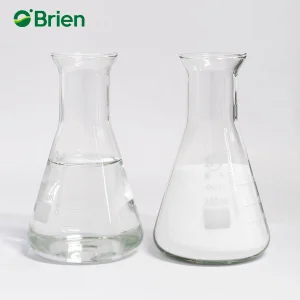
Historically, dry powder polyacrylamide dominated industrial supply chains. However, modern automated industrial complexes are rapidly shifting toward Liquid Anionic Polyacrylamide (Emulsion and Solution APAM). Liquid APAM formulations eliminate the operational bottlenecks of dry powders, such as long dissolution times ("aging" duration up to 60–90 minutes), fish-eye lump formation, dust inhalation hazards, and expensive bulk powder wetting feed systems.
| Performance Characteristic | Traditional Dry Powder APAM | Liquid Water-in-Oil Emulsion APAM | Liquid Solution APAM |
|---|---|---|---|
| Active Polymer Content | 88% - 92% | 30% - 50% | 6% - 15% |
| Dissolution / Inversion Rate | 45 to 90 Minutes | 1 to 3 Minutes | Instantaneous (Immediate Mixing) |
| Molecular Weight Range | 6 Million – 25 Million Da | 8 Million – 28 Million Da | 1 Million – 5 Million Da |
| Preparation System Complexity | High (Requires dry feeder, aging tank, ejector) | Low (Inline dynamic inversion skid) | Minimal (Simple inline metering pump) |
| Shear Degradation Susceptibility | Moderate during mechanical agitation | Very Low (Pre-dispersed polymer chains) | Low |
| Environmental / Safety Risks | Dust clouds, slippery floors, eye/lung irritation | Zero dust, enclosed tote/drum delivery | Zero dust, easy liquid handling |
Established enterprise capability, continuous R&D investment, and rigid ISO 9001:2008 quality control protocols serving major global industrial sectors.
Established in 2011 and situated in the Free Trade Zone of Qingdao, China, Qingdao Oubo Chemical Co., Ltd. has grown at a steady annual rate of 10%, solidifying its position as a world leader in polyacrylamide manufacturing. We operate fully automated production lines using patented biological enzymatic methods for monomer synthesis, drastically reducing byproduct impurities and acrylamide monomer (AMD) residue.
Our commitment to environmental protection, continuous performance optimization, and stringent quality assurance ensures that every batch meets rigorous international standards. With over €2 million reinvested into research and development annually, Oubo Chemical remains at the forefront of polymer science innovation.
Utilizing proprietary enzymatic technology for monomer conversion, our process generates polyacrylamide with ultra-high molecular weights, low monomer residues, and minimal branching, ensuring superior water solubility and flocculation rates.
To ensure unmatched batch-to-batch consistency, key chemical precursors and surfactants are procured directly from tier-one global suppliers including SINOPEC and Eni, guaranteeing supply chain security for multi-national buyers.
Our dedicated chemical engineering teams participate in pre-sales jar testing, plant-level trials, dosage optimization, and post-sales monitoring to deliver custom tailored polymer solutions for complex substrates.
An engineering dive into charge densities, molecular weight distributions, and inversion physics of water-in-oil emulsion polyacrylamides.
Anionic Polyacrylamide (APAM) is produced by copolymerizing acrylamide monomers with charged acrylic acid (or sodium acrylate) moieties. The presence of negatively charged carboxylate groups (COO⁻) along the hydrocarbon backbone gives APAM unique electrochemical properties in aqueous suspensions.
Industrial suspended solids generally carry a negative surface charge (zeta potential), causing electrostatic repulsion that keeps particles suspended. Liquid APAM operates via dual mechanism action:
Liquid emulsion APAM consists of aqueous polymer micro-droplets encapsulated within a continuous hydrophobic oil phase, stabilized by high-HLB surfactants. Upon dilution with water under moderate shear, the surfactant system instantly flips ("inverts"), releasing the hydrated polymer chains into the solution within seconds. This rapid activation eliminates the traditional dissolution tanks required for dry granular polymers.
Tailored APAM chemistry designed for extreme operating conditions across primary world industries.
Acts as an ultra-fast primary clarifier and sludge dewatering aid in belt presses, centrifuges, and screw presses. Effective in tannery, electroplating, food processing, and municipal effluent treatment with high chemical oxygen demand (COD) reduction.
Serves as a friction reducer, shale inhibitor, and mobility control polymer in polymer flooding operations. Offers high temperature stability and salt tolerance for deep reservoir hydraulic fracturing and drilling fluids.
Crucial for coal slurry washing, alumina red mud settling, gold/silver leaching, and iron ore tailing solid-liquid separation. Delivers exceptionally high overflow clarity and rapidly compacted underflow sludge.
Functions as a retention and drainage aid, dry strength enhancer, and anionic garbage scavenger. Improves short-fiber and filler retention while significantly clarifying paper machine white water streams.
Provides rapid color removal, suspended solids settling, and heavy metal complexation for complex textile dye bath effluents, facilitating cost-effective zero-liquid-discharge (ZLD) processes.
Utilized in sugarcane and sugar beet juice clarification and flotation processes. Meets stringent safety parameters for minimal monomer residual content in food-grade chemical auxiliary applications.
Optimized Total Cost of Ownership (TCO), robust international packaging, and reliable logistics networks for bulk buyers.
For multinational procurement officers and plant chemical managers, evaluating liquid polyacrylamide involves total cost modeling beyond unit pricing per metric ton. Logistics considerations, shelf-life stability, concentration factors, and automated injection infrastructure directly impact overall operational expenses.
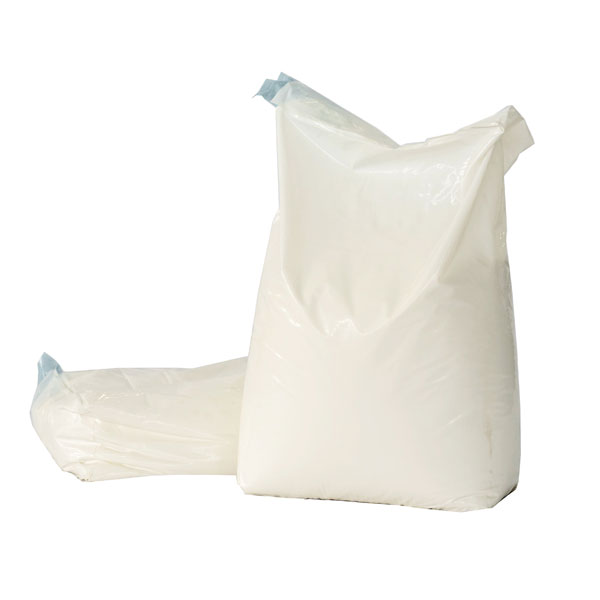
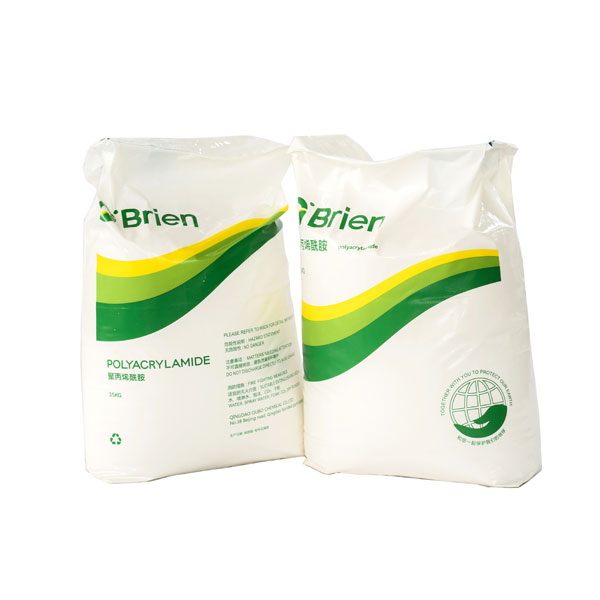
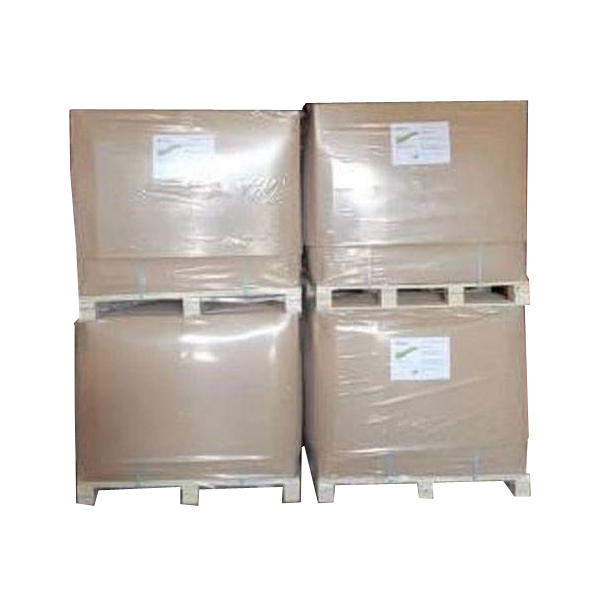
Oubo Chemical provides versatile packaging solutions designed to preserve polymer integrity during ocean transport and extended field storage:
Ensuring environmental responsibility, worker safety, and international chemical regulation alignment.
Our raw materials and finished polymer formulations comply with European REACH chemical regulations, US EPA guidelines, and international environmental standards for heavy metal and free monomer safety limits.
Oubo Chemical operates clean technology manufacturing lines that significantly lower energy consumption per ton of polymer produced, emphasizing zero-wastewater discharge within our FTZ chemical processing parks.
All bulk shipments are accompanied by detailed Safety Data Sheets (SDS) in native languages, Certificates of Analysis (COA) per batch, and localized technical dosing guidance.
Pioneering smart chemical technologies for automated, high-efficiency industrial ecosystems.
Looking to the future of industrial chemistry, Oubo Chemical is investing heavily in three core innovations:
Expert answers to common operational and purchasing queries regarding Liquid Anionic Polyacrylamide.
Explore our full line of anionic, cationic, and nonionic polyacrylamide solutions manufactured for specific global industrial needs.
 Oubo Chemical