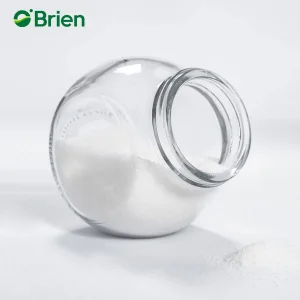
Industrial-grade Anionic, Cationic, and Nonionic PAM formulations synthesized for ultra-high performance solid-liquid separation and fluid viscosity management.
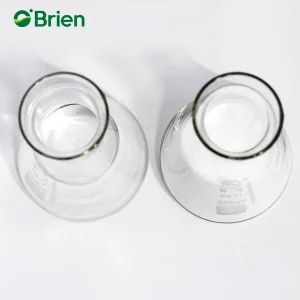
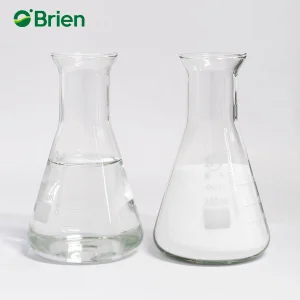
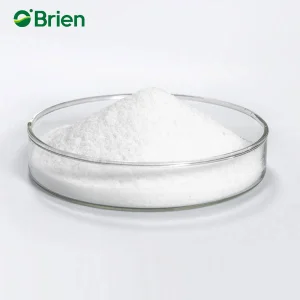
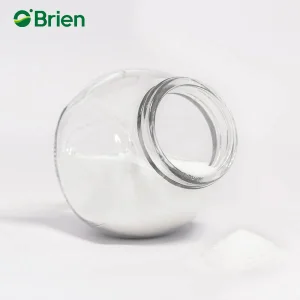
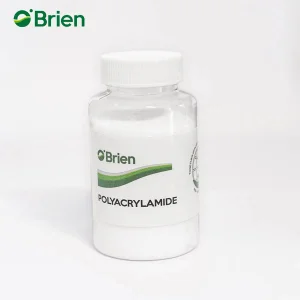
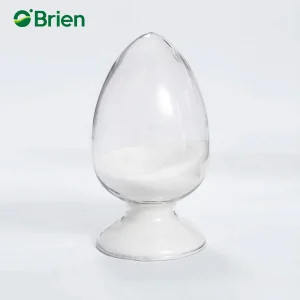
A comprehensive technical analysis of linear polymer chemistry, biological synthesis innovation, and macro-industrial application paradigms.
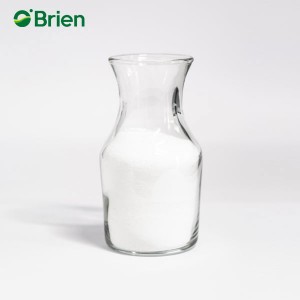
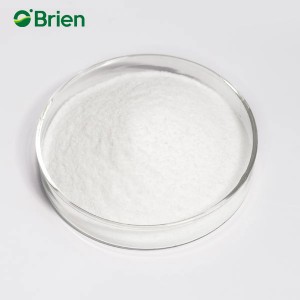
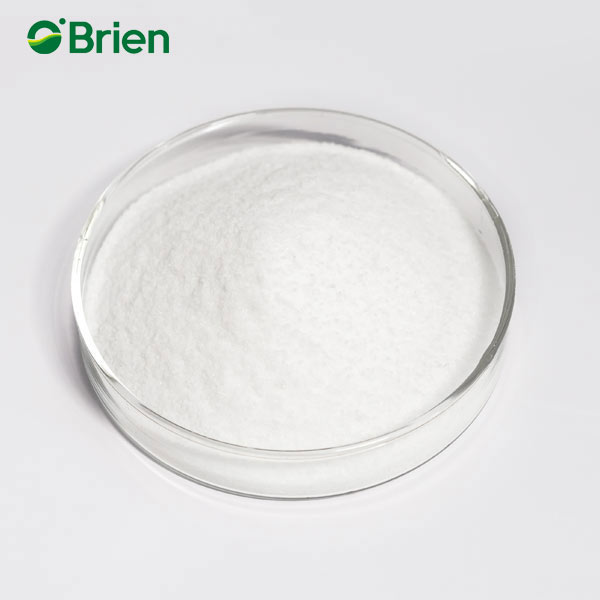
Polyacrylamide (PAM), designated under chemical formula [-CH2-CH(CONH2)-]n, represents a class of water-soluble synthetic polymers constructed from acrylamide sub-units. In its unbranched, linear structural state—known as Linear Polyacrylamide (LPAM)—the polymer chain exhibits an extremely high hydrodynamic volume in aqueous solutions.
The performance of Linear Polyacrylamide is primarily governed by three fundamental parameters: Molecular Weight (MW) (ranging from 3 Million to over 25 Million Daltons), Ionic Charge Type & Density (Anionic, Cationic, Nonionic, or Amphoteric), and Conformational Chain Linear Structure. High molecular weight linear chains extend into liquid media, creating bridging mechanisms that absorb suspended particulates, rapidly forming dense macro-flocs for ultra-fast phase separation.
Established in 2011 within the Qingdao Free Trade Zone, China, Qingdao Oubo Chemical Co., Ltd. has scaled into a worldwide manufacturing leader of specialized polyacrylamide resins. Operating under ISO 9001:2008 certification, Oubo reached an annual production threshold exceeding 50,000 Metric Tons in 2018, maintaining a steady 10% year-over-year business expansion.
Oubo’s technological advantage stems from its proprietary Biological Enzymatic Monomer Synthesis Method (Patent Applied). By substituting conventional chemical catalytic routes with microbial enzyme conversion, Oubo produces ultra-pure Acrylamide Monomers with zero acrylic acid impurities and minimal residual toxic monomer content. Backed by strategic raw material sourcing contracts with global chemical titans such as SINOPEC and Eni, Oubo enforces a rigorous 3-stage pre-shipment Quality Control protocol for every single batch delivered to global markets.
Tailored charge densities and molecular topologies engineered to optimize solid-liquid separation across diverse pH and ionic strength spectrums.
Copolymerized from acrylamide and acrylic acid monomers, APAM possesses negatively charged carboxylate groups along its linear backbone.
Synthesized by copolymerizing acrylamide with cationic monomers (e.g., DAC, DMC, METAC), forming positively charged quaternary ammonium sites.
Pure acrylamide homopolymer (NPAM) exhibiting neutral charge characteristics, alongside formaldehyde/amine modified Mannich bases.
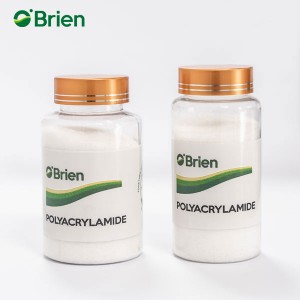
Engineered solutions deployed across global municipal infrastructures, energy extraction sectors, and heavy manufacturing processing.
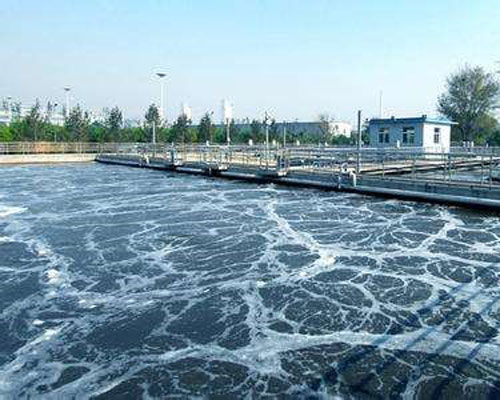
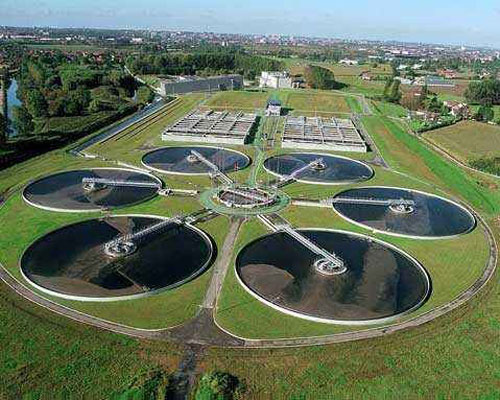
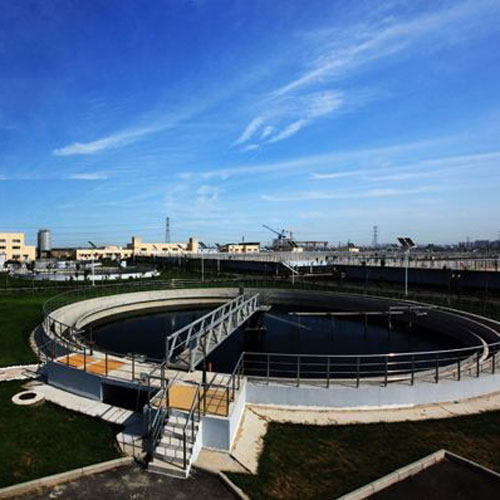
In solid-liquid separation processes, Oubo Polyacrylamide serves as a primary coagulant aid and flocculating agent. Driven by increasingly stringent global environmental regulations, our PAM solutions facilitate accelerated sedimentation, rapid clarification, and optimized sludge dewatering.
Municipal & Sector Specific Coverage: Used extensively across urban sewage treatment plants, leather processing facilities, paper mill effluents, citric acid fermentation, vegetable protein extraction, pharmaceutical chemical synthesis, and dye house wastewater treatment.
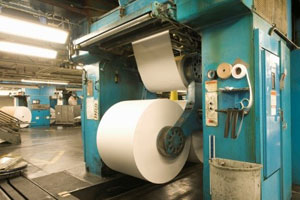
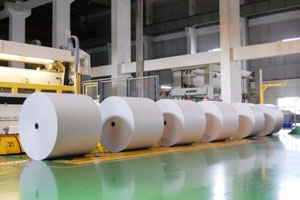
In paper production, linear polyacrylamide functions as a multifunctional wet-end additive, dramatically improving machine runnability and paper physical characteristics.
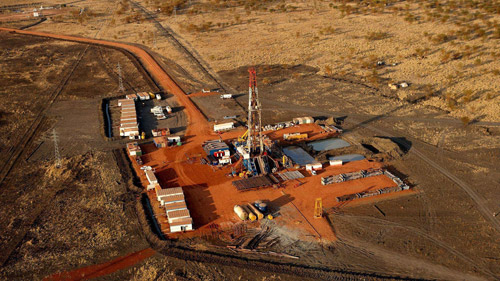
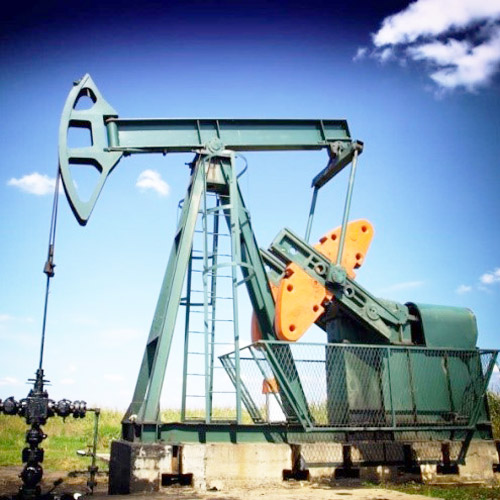
Polyacrylamide plays a critical role in tertiary petroleum exploration and reservoir recovery:
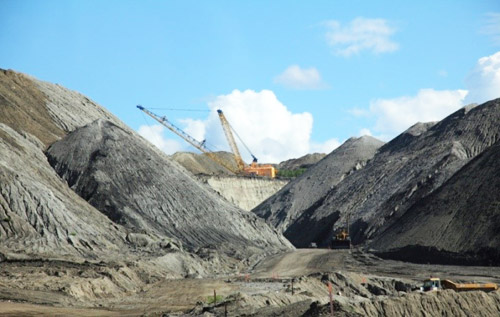
Rapid solid-liquid filtration and slurry thickeners across heavy mineral processing:
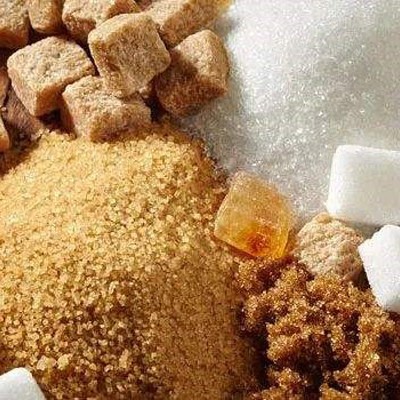
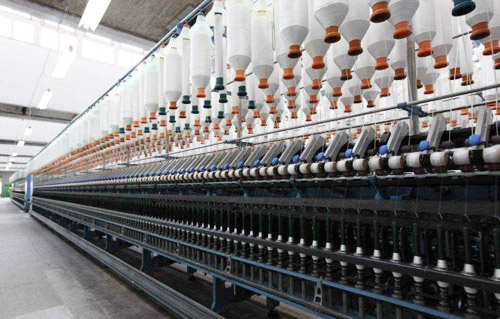
Rigorous laboratory testing standards confirming optimal dissolution kinetics, low residual monomer, and extended shelf stability.
| Polyacrylamide Type | Molecular Weight (Million) | Degree of Hydrolysis / Charge | Solid Content (%) | Dissolution Time (Mins) | Primary Industrial Target |
|---|---|---|---|---|---|
| High-MW APAM | 16 - 22 M | 20% - 30% Anionic | ≥ 89% | ≤ 50 min | Petrochemical Wastewater, EOR, Mining |
| Medium-MW APAM | 10 - 15 M | 15% - 25% Anionic | ≥ 89% | ≤ 45 min | Food Processing, Sugar Refining, Paper |
| High-Charge CPAM | 8 - 12 M | 40% - 60% Cationic | ≥ 90% | ≤ 60 min | Municipal Sludge Centrifugation, Dewatering |
| Low-Charge CPAM | 10 - 14 M | 10% - 30% Cationic | ≥ 90% | ≤ 55 min | Textile & Dyeing Effluent, Paper Retention |
| Standard NPAM | 6 - 10 M | ≤ 3% Nonionic | ≥ 90% | ≤ 60 min | Acidic Wastewater, Coal Tailings Dewatering |
World-class automated bio-polymer production lines, global raw material sourcing, and end-to-end technical engineering support.
Qingdao OUBO Chemical Co., Ltd. utilizes patented biological enzymatic processes for PAM synthesis. Investing over €200M in research to maintain technological superiority.
Fully automated production lines backed by top-tier global monomer suppliers like SINOPEC and Eni. Every lot undergoes rigorous 3-stage QC testing per ISO 9001 standards.
Over a decade of focused polymer chemical engineering expertise. Delivering highly competitive wholesale factory pricing alongside global export capabilities.
Our specialized chemical engineering teams participate across pre-sales laboratory jar testing, dosage optimization, and on-site operational support.
Hermetically sealed moisture-proof packaging options tailored for transoceanic transit and long-term storage integrity.
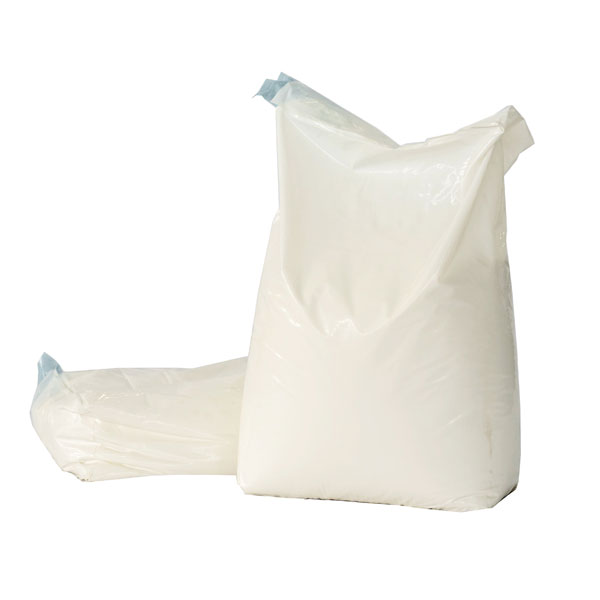
Neutral 25kg multi-wall paper-plastic composite bags with inner PE moisture barrier.
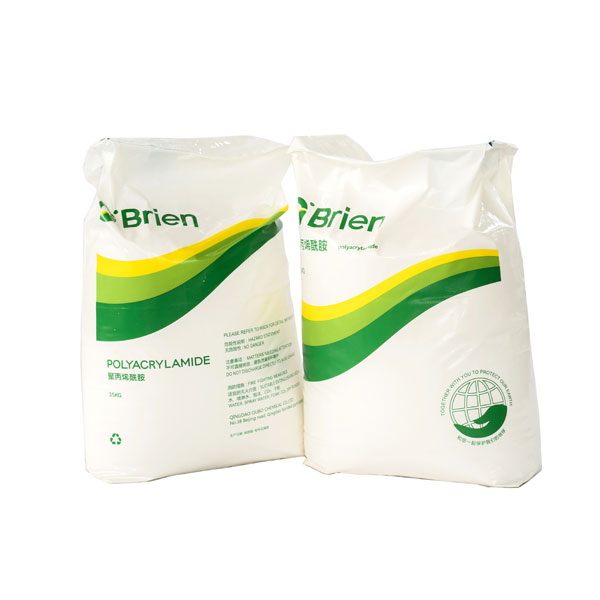
Standardized 25kg printed bags with complete batch specifications and safety compliance markings.
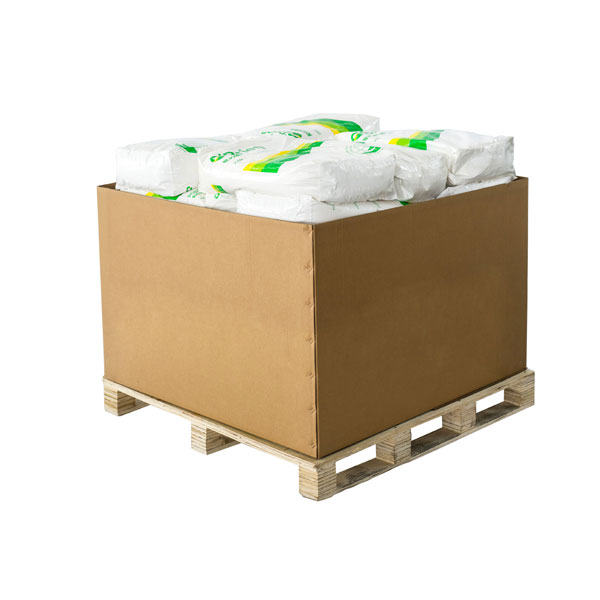
750kg – 1000kg heavy-duty woven super-sacks optimized for automated bulk feeding systems.
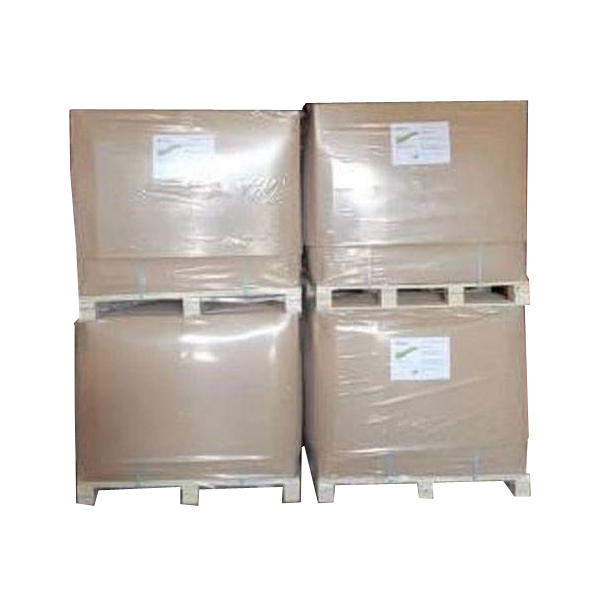
Fumigated wooden/plastic pallets secured with multi-layer stretch wrap and strapping for sea freight.
Next-generation polymer development aligned with global regulatory mandates and localized field conditions.
North America: Driven by EPA water reuse mandates and hydraulic fracturing in the Permian Basin, demand focuses on high-shear friction reducers and low-acrylamide residual polymers.
Europe: REACH compliance demands eco-friendly biological synthesis. Focus centers on municipal sludge digestate dewatering and micro-pollutant removal in water clarification plants.
Asia-Pacific & Latin America: Rapid urbanization and mining expansions in Australia, Chile, and Southeast Asia demand high-efficiency coal washing, copper leach clarifying, and municipal wastewater flocculants.
Expert guidance on linear polyacrylamide selection, dissolution protocols, shelf life, and bulk ordering specifications.
Explore our targeted industrial formulations designed for mining, oilfield viscosity, municipal sewage, and paper pulp applications.
 Oubo Chemical