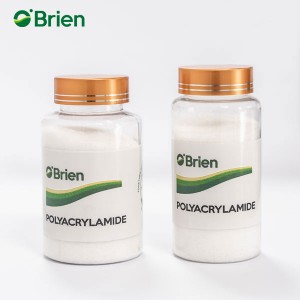
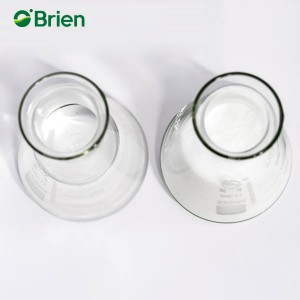
Premium Grade Polyacrylamide (PAM) formulations engineered for complex industrial effluent, mining tailings, and municipal sludge treatment.
In an era defined by stringent environmental regulations, escalating water scarcity, and global mandates for Zero Liquid Discharge (ZLD), industrial effluent treatment has shifted from a secondary compliance obligation to a central strategic pillar for global manufacturing enterprises. Major industrial sectors—including petrochemical processing, mining and mineral extraction, pulp and paper manufacturing, textile dyeing, and municipal sewage management—face unprecedented operational challenges regarding solid-liquid separation efficiency, suspended solids (TSS) reduction, and Chemical Oxygen Demand (COD) mitigation.
At the technical core of modern industrial wastewater purification lies synthetic high-molecular-weight polymers, predominantly Polyacrylamide (PAM). As specialized Wholesale Industry Wastewater Manufacturers & Suppliers, enterprise chemical synthesis facilities must deliver consistent, high-purity cationic, anionic, and nonionic polyacrylamide formulations capable of operating under extreme chemical dynamics, broad pH spectra, and varying ionic strength environments.
Technical Information Gain Insight: Modern solid-liquid separation efficiency depends not merely on polymer dosage, but on optimizing the hydrodynamic radius, charge density distribution, and chain conformation of Polyacrylamide molecules. Bio-catalytically synthesized PAM minimizes unreacted monomer residues (<0.05%), maximizing flocculation kinetics while eliminating downstream eco-toxicity.
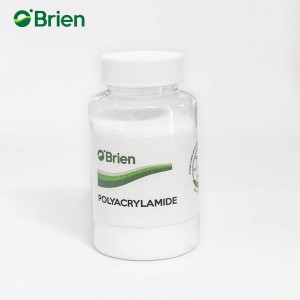
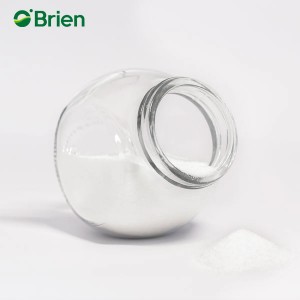
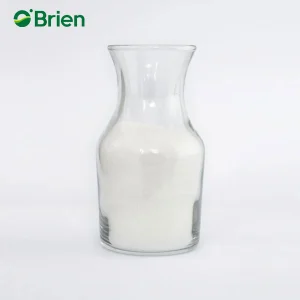
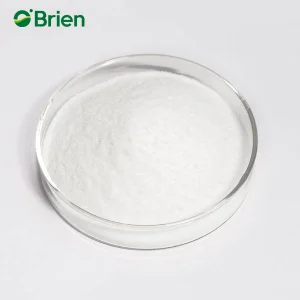
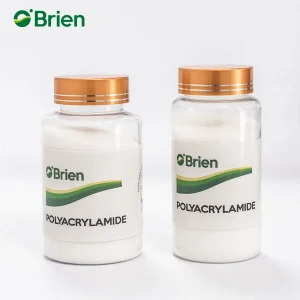
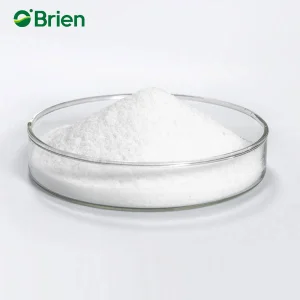
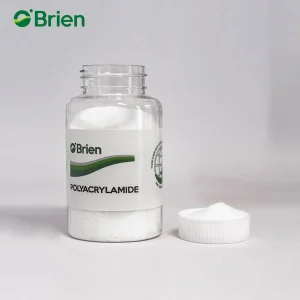
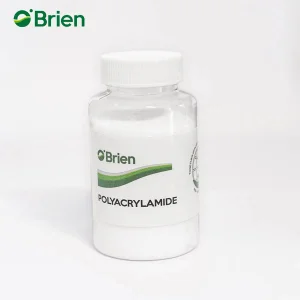
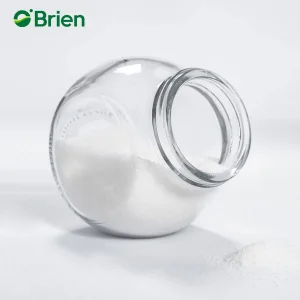
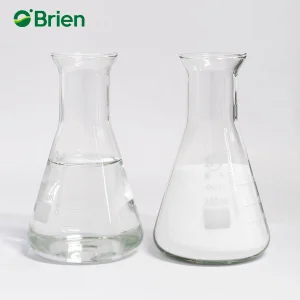
Polyacrylamide (PAM) is a synthetic, water-soluble resin polymer formed through the polymerization of acrylamide monomers. Available in white powder, granular, or emulsion forms, PAM functions primarily as a flocculant, coagulant aid, friction reducer, and rheology modifier. By forming macro-flocs through electrostatic charge neutralization and inter-particle polymer bridging, high-performance PAM dramatically accelerates sedimentation rates, enhances filtration clarity, and minimizes sludge cake moisture content across complex industrial applications.
Empowering global supply chains through sustainable chemical manufacturing, automated Quality Assurance, and direct global distribution from Qingdao, China.
Qingdao Oubo Chemical Co., Ltd was established in 2011, strategically headquartered within the Free Trade Zone of Qingdao, China. Leveraging state-of-the-art biological enzymatic polymerization production techniques, Oubo Chemical has integrated Industry 4.0 automation across all synthesis reactors. Biological acrylamide production minimizes environmental impact, reduces thermal degradation, and guarantees ultra-high molecular weight consistency.
Our quality control (QC) system operates under rigorous multi-stage auditing. Raw materials are sourced from globally audited chemical giants such as SINOPEC and Eni. Every individual batch undergoes three mandatory QC verifications—monomer purity, viscosity profiling, and active polymer content testing—before clearance for export shipment. This ensures complete supply chain reliability, enabling global enterprise procurement teams to de-risk chemical sourcing contracts.
Tailored chemical formulations engineered to resolve specific operational challenges across heavy industry, municipal infrastructure, and resource extraction.
In municipal wastewater treatment plants (WWTPs) and industrial effluent purification systems, Polyacrylamide functions as an indispensable solid-liquid separation catalyst. During primary clarification and secondary sedimentation, APAM neutralizes colloidal charge repulsion, aggregating microscopic suspended solids into heavy macro-flocs. In sludge dewatering processes—utilizing belt filter presses, decanter centrifuges, or chamber plate presses—CPAM neutralizes the negative surface charge of organic sludge biomass, releasing bound water and producing high-solids dry filter cakes to lower disposal logistics costs.
In tertiary oil recovery, high-molecular-weight Polyacrylamide acts as a mobility control agent, increasing water drive viscosity to sweep residual crude oil from low-permeability reservoirs. For drilling fluid hydraulics, PAM additives serve as fluid loss reducers, shale inhibitors, friction reducers, and viscosifiers. They coat wellbore walls, prevent shale hydration swelling, lubricate drill strings, and efficiently transport drill cuttings to the surface under extreme downhole thermal and shear stress conditions.
Modern mineral processing relies heavily on PAM for hydrometallurgical extraction, mineral slurry thickening, tailings dewatering, and closed-loop process water recycling. In coal preparation facilities, customized APAM/NPAM formulations accelerate fine coal slurry sedimentation and refuse tailings clarification. In precious and base metal extraction (Gold, Silver, Copper, Iron, Nickel, Alumina Red Mud), PAM ensures rapid solid-liquid separation, high overflow clarity, and minimal water consumption in arid mining zones.
Within the paper wet-end chemical system, Polyacrylamide acts as a multifunctional retention aid, drainage promoter, and strength enhancer. By binding fine fibers, calcium carbonate (PCC/GCC) fillers, and sizing agents onto paper sheets, PAM reduces raw material losses into white water. Anionic Trash Scavengers (ATC) neutralize organic contaminants, while специализирован cationic/anionic dry strength agents build covalent and ionic bonds between cellulose hydroxyl groups, boosting paper tensile, burst, and ring crush resistance.
Textile printing and dyeing effluents contain complex azo dyes, heavy metals, surfactants, and high COD load. Specialized Cationic Polyacrylamide (CAS 9003-05-8) flocculants neutralize dye chromophore anions, causing rapid color precipitation and COD drop. Furthermore, in textile sizing, PAM formulations serve as protective film-forming agents, enhancing yarn tensile strength and abrasion resistance during high-speed weaving.
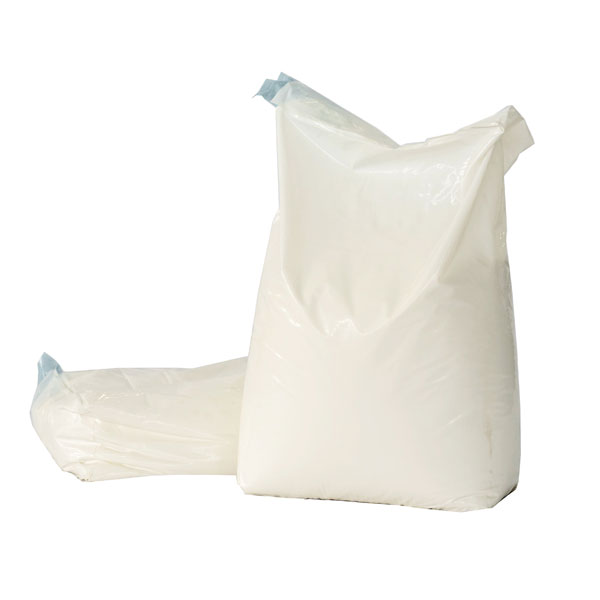
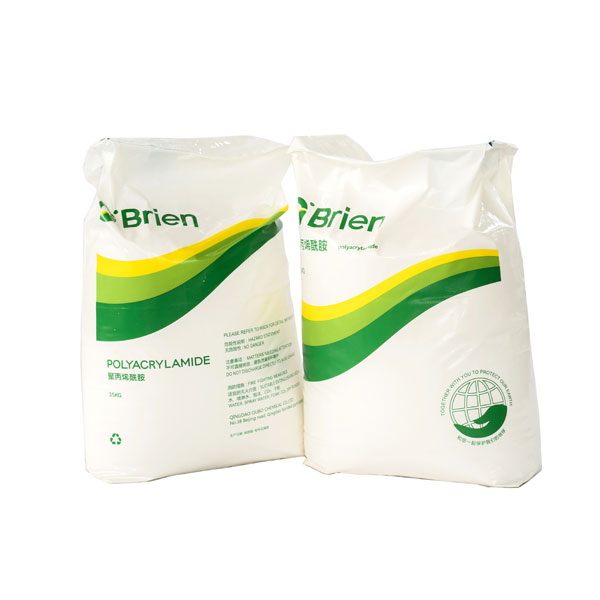
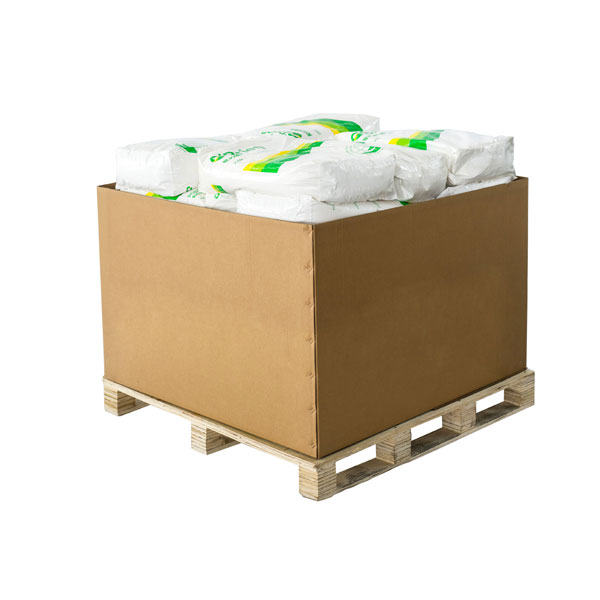
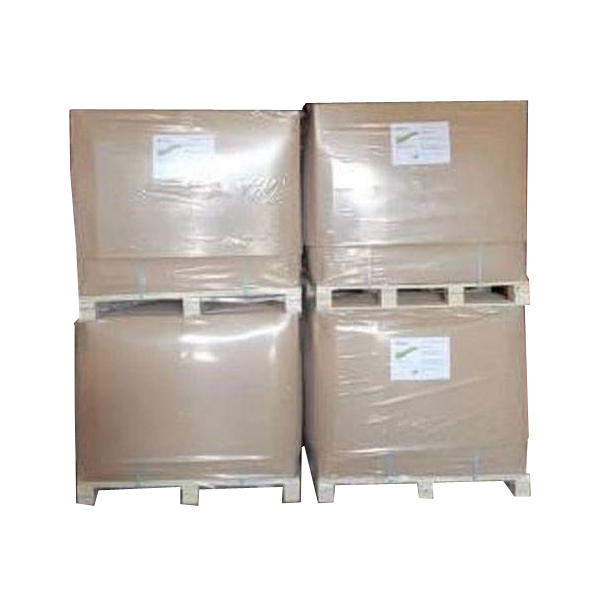
Moisture-proof, anti-caking packaging engineered to maintain polymer integrity during long-distance maritime transport.
Direct factory supply options for global distributors, water treatment engineering firms, and municipal procurement agents.
Expert responses to essential queries regarding polymer selection, dosage protocols, dissolving mechanics, and wholesale sourcing.
Selection depends primarily on the electrical charge of the suspended particles in your wastewater. Inorganic suspensions (such as clay, sand, silt, coal waste, and mineral tailings) typically carry negative surface charges, requiring Anionic PAM (APAM). Organic sludge (such as biological municipal sludge, food processing waste, and slaughterhouse effluent) carries positive charges or requires charge neutralization, making Cationic PAM (CPAM) necessary. Jar testing is strongly recommended to determine optimal charge density and molecular weight.
Dry PAM powder should be dissolved to a concentration of 0.1% to 0.3% (w/v) in clean water. Stirring should occur at 200–400 RPM using a low-shear mechanical impeller for 45 to 60 minutes. High-shear pumps or excessive mixing speeds must be avoided as they can degrade the ultra-long polymer molecular chains, drastically reducing flocculation performance.
Bio-catalytic enzymatic synthesis operates at ambient temperatures without copper catalysts. This yields ultra-high purity acrylamide monomers with zero residual toxic heavy metals and extremely low unreacted monomer concentrations (<0.05%). The resulting PAM molecules possess tighter molecular weight distribution, superior water solubility, and enhanced environmental safety compliance.
When stored in original, unopened, moisture-proof multi-layer bags in a cool, dry, and well-ventilated warehouse (below 35°C), dry Polyacrylamide powder maintains a shelf life of 24 months. Aqueous working solutions, however, should be used within 24 to 48 hours to prevent natural hydrolytic degradation.
Oubo Chemical operates under ISO9001:2008 Quality Management certification. Raw materials are procured exclusively from Tier-1 global chemical suppliers. Every production batch undergoes automated inline testing, followed by three independent quality control audits before loading. Export shipments are secured on moisture-barrier pallets with heat-shrink wrapping to withstand long-term ocean container transit.
Yes. Our dedicated technical engineering team assists customers with pre-sales laboratory jar testing, polymer selection, dosage optimization, and custom synthesis tailoring molecular weights (from 3 Million to 22 Million) and charge densities (from 5% to 80%) to match your plant's exact wastewater matrix.
 Oubo Chemical