Engineered polyacrylamide formulations tailored for global petroleum, mining, municipal, and paper industry specifications.
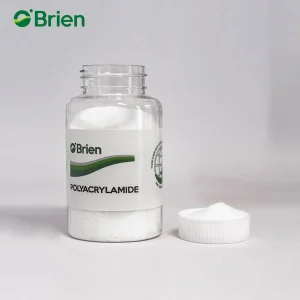
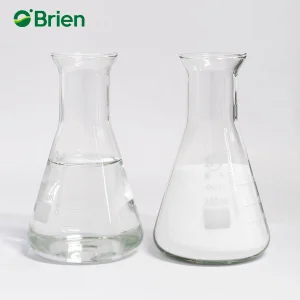
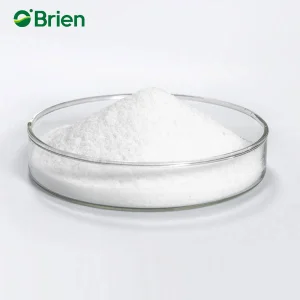
An in-depth analysis of Hydrolyzed Polyacrylamide rheology control, fluid loss prevention, shale stabilization, and EOR recovery kinetics.
Hydrolyzed Polyacrylamide (HPAM) represents the cornerstone of modern water-based drilling muds, tertiary Enhanced Oil Recovery (EOR), and industrial clarification. Synthesized via controlled partial hydrolysis of polyacrylamide or copolymerization of acrylamide with acrylic acid monomers, HPAM chains feature negatively charged carboxylate groups ($-\text{COO}^-$) interspersed along the non-ionic backbone.
This negative charge distribution causes molecular chain expansion due to electrostatic repulsion among carboxylic groups. As a result, HPAM exhibits dramatic hydrodynamic volume expansion in aqueous solutions, yielding high Brookfield viscosity even at low concentration thresholds (1000–2500 ppm). This structural pseudoplasticity allows drilling fluids to demonstrate high yield points for carrying drill cuttings while exhibiting low apparent viscosity under high shear rates at the drill bit.
During deep horizontal drilling through reactive shale formations, water invasion causes clay hydration, swelling, and borehole collapse. High molecular weight HPAM acts as an effective shale encapsulator by adsorbing onto the clay platelets via hydrogen bonding and ionic interaction. By wrapping the micro-fractures, HPAM seals swelling clays (e.g., Sodium Montmorillonite) and limits water ingress.
Furthermore, HPAM forms a thin, tough, low-permeability filter cake along the wellbore wall. Working synergistically with bridging agents, it drastically minimizes Fluid Loss Control (FLC) values under High-Pressure High-Temperature (HPHT) conditions, keeping drilling mud loss well below 6 mL in API standard filtration testing.
Operational integrity, patented biological synthesis, strict 3-stage QC pipelines, and direct raw material integration from global petrochemical leaders.
Qingdao OUBO Chemical Co., Ltd. is a global leader in Polyacrylamide manufacturing. We utilize proprietary biological catalytic methods to synthesize high-purity acrylamide monomers. We reinvest €2.0 Million into chemical R&D annually to advance polymer shear resistance and thermal stability.
Integrated with premium feedstock from global giants like SINOPEC and Eni, our production lines operate fully automatically. Certified by ISO9001:2008, every production lot undergoes 3-stage rigorous testing (molecular weight, charge density, insoluble filterability) prior to release.
Focusing exclusively on Polyacrylamide manufacturing for over a decade, we offer superior technical performance at competitive direct factory prices. Our dedicated engineering team works directly with drilling operators and municipal treatment units to select optimal molecular parameters.
From laboratory polymer formulation selection and jar testing to field trials, storage optimization, and logistics compliance, our senior chemical engineers assist procurement teams worldwide to reduce total operational chemical usage by 15–30%.
Standardized chemical properties across Anionic, Cationic, and Nonionic PAM product series manufactured by Oubo Chemical.
| Polymer Ionic Class | Molecular Weight (MW Millions) | Degree of Hydrolysis / Charge Density | Solid Content (%) | Dissolution Time (Mins) | Primary Industrial Applications |
|---|---|---|---|---|---|
| Hydrolyzed PAM (HPAM / APAM) | 8 - 32 Million Daltons | 10% - 60% Anionic Charge | ≥ 88% Dry Powder | ≤ 60 Mins | EOR, Oilfield HPHT Drilling Fluid, Municipal Dewatering, Coal Washing |
| Cationic PAM (CPAM) | 6 - 15 Million Daltons | 5% - 80% Cationic Degree | ≥ 89% Dry Powder | ≤ 45 Mins | Sludge Dewatering, Organic Wastewater, Textile Dyeing, Retention Aid |
| Nonionic PAM (NPAM) | 3 - 12 Million Daltons | 0% - 5% Low Charge | ≥ 90% Dry Powder | ≤ 60 Mins | Acidic Wastewater Flocculation, Mineral Ore Dressing, Soil Stabilization |
| Ultra-High MW HPAM | 25 - 32 Million Daltons | 20% - 35% Anionic Charge | ≥ 90% Dry Powder | ≤ 90 Mins | Tertiary Oil Recovery (EOR), Profile Control, High Salinity Drilling |
Tailored polymer chemistry operating under extreme salinity, acidic, alkaline, and high thermal operational environments worldwide.
HPAM is heavily relied upon in oil exploration, well profile control, water shutoff, drilling fluid viscosification, and slickwater fracturing. Key functions include:
Acts as an essential flocculating agent in solid-liquid separation, clarifying industrial effluents and municipal sewage rapidly. Key applications include:
Polyacrylamide additives dramatically improve machine speeds and finished paper structural properties across the wet-end process:
Extensively deployed in coal slurry washing, thickener gravity settling, and mineral extraction slurry filtration for gold, silver, iron, copper, and nickel:
Serves as a high-performance sizing agent in textile weaving, producing smooth anti-static protective films, while also playing a vital role in sugar refining:
Utilized as a soil conditioner to prevent erosion, retain moisture in arid soil, and enhance boring mud stability during tunneling and diaphragm wall piling:
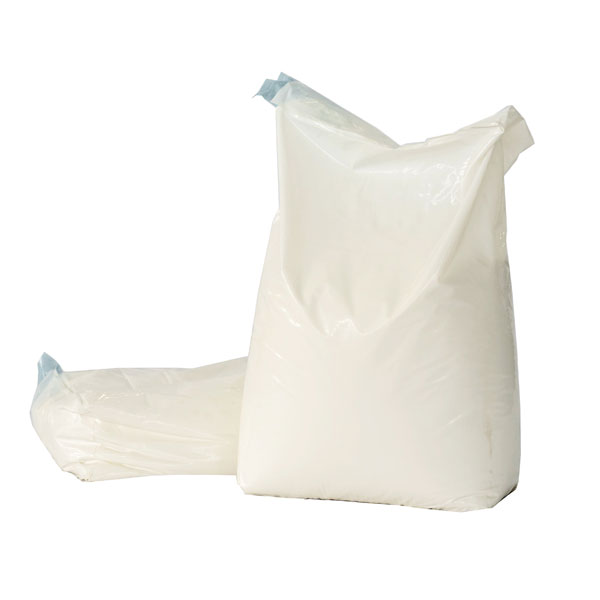
Custom packaging solutions optimized for maritime shipping container loading, moisture protection, and long-term shelf storage stability.
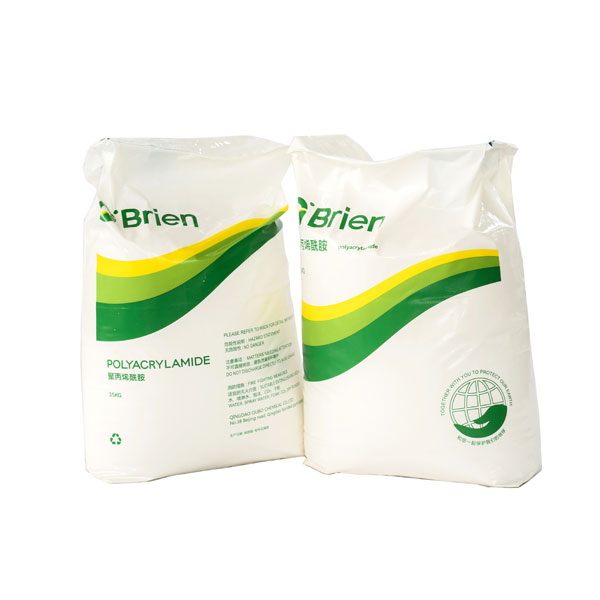
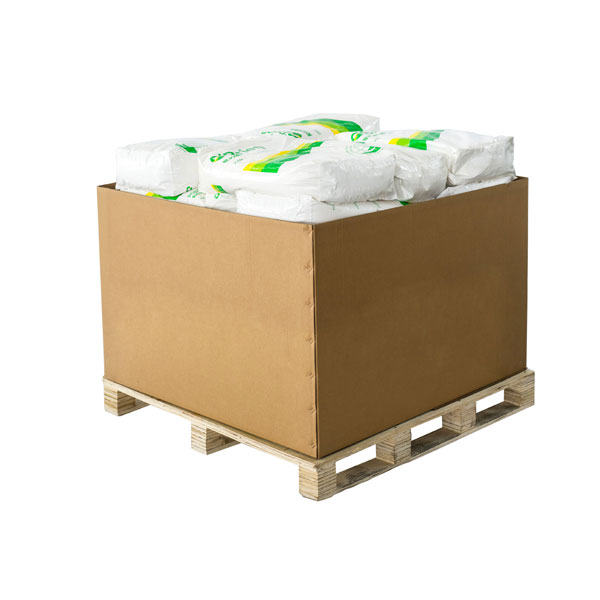
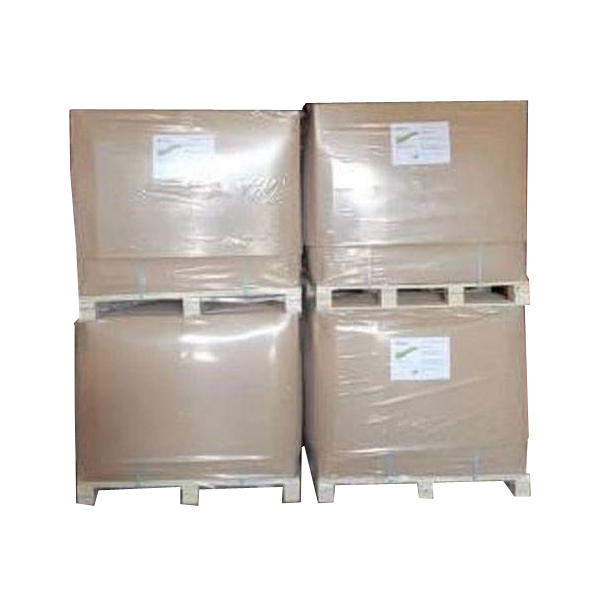
How Oubo Chemical leverages geographical, chemical feedstock, and maritime hub advantages to deliver global price and lead-time superiority.
Located in the heart of the Qingdao Free Trade Zone, China, Oubo Chemical operates at the intersection of international maritime freight channels and world-class raw material pipelines. Proximity to Qingdao Port—one of the world's top container hubs—allows for immediate shipment bookings, reduced inland transport costs, and zero-delay export processing.
Our facility holds bonded storage capabilities, enabling rapid turnarounds for large-volume overseas orders (100–1,000 MT shipments). Combined with streamlined customs clearance, global clients benefit from consistent 7 to 14-day dispatch lead times.
Polyacrylamide manufacturing cost and purity depend heavily on Acrylamide (AM) monomer quality. Oubo Chemical maintains strategic supply contracts with chemical energy leaders including SINOPEC and Eni. Through integrated biological catalytic conversion of acrylonitrile to acrylamide, our production yields zero copper residue, lower ionic impurity levels, and higher polymer chain uniformity.
This vertical integration insulates global buyers from volatile raw material price spikes while ensuring batch-to-batch polymer chain continuity across multi-year procurement agreements.
Adapting to non-conventional reservoir drilling, high thermal degradation resistance, and green eco-friendly chemistry standards.
As conventional oil reserves deplete, drilling extends into ultra-deep reservoirs ($T > 120^\circ\text{C}$). Next-gen HPAM polymers incorporate hydrophobic monomers (e.g., AMPS/acrylamide copolymers) to maintain structural viscosity against thermal degradation and cation hydrolysis ($Ca^{2+}, Mg^{2+}$ precipitation).
Offshore regulations (such as OSPAR in the North Sea) mandate low aquatic toxicity for chemical additives. Modern HPAM synthesis focuses on low LC50/EC50 toxicity thresholds and accelerated biological degradation pathways in marine sediment environments.
To eliminate fish-eye formation during field mixing, global operators are adopting continuous automated high-shear dissolution equipment. Oubo supplies optimized fast-dissolving micro-bead and powder formulations specifically calibrated for rapid dispersion in high-salinity brine.
Expert answers addressing polymer dosing, shear degradation prevention, salt tolerance, and storage guidelines.
Polyacrylamide (PAM) is the unhydrolyzed, non-ionic base polymer ($-\text{CONH}_2$ groups). Hydrolyzed Polyacrylamide (HPAM) undergoes controlled hydrolysis to introduce anionic carboxylate groups ($-\text{COO}^-$). These carboxylate charges cause the polymer chain to uncoil into an elongated state in solution, dramatically increasing viscosity, fluid loss control, and clay shale encapsulation capability compared to unhydrolyzed PAM.
High ionic strength masks the negative charges along the HPAM backbone, reducing electrostatic repulsion and causing the polymer chain to coil. This reduces solution viscosity. Divalent cations ($Ca^{2+}, Mg^{2+}$) can also bind with carboxylate groups, potentially causing polymer precipitation at high temperatures ($>70^\circ\text{C}$). For high salinity environments, Oubo recommends modified AMPS-copolymerized HPAM grades.
High-speed impellers and sharp pipe elbows physically chop long-chain polyacrylamide molecules, permanently lowering viscosity. To prevent this, PAM dry powder should be added via a low-shear venturi educator system, stirred at low speeds (150–300 RPM), and allowed 45–60 minutes of maturation time before pumping through positive displacement pumps.
Under dry, cool, and ventilated conditions ($5^\circ\text{C} - 30^\circ\text{C}$), sealed polyacrylamide bags maintain full performance stability for 24 months. Keep bags sealed to prevent atmospheric moisture absorption, which causes caking.
Explore specialized polyacrylamide variants engineered for specific wastewater, paper making, and energy extraction demands.
 Oubo Chemical