Explore our high-performance cationic, anionic, and nonionic polyacrylamide series manufactured under ISO 9001 certified precision.
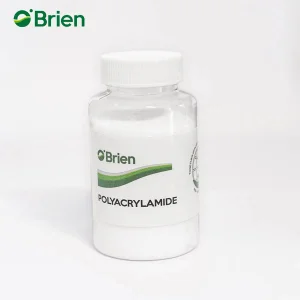
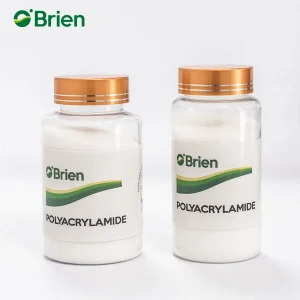
Oubo Chemical Co., Ltd was established in 2011, strategically situated within the Free Trade Zone of Qingdao, China. Operating under a rigorous, multi-tiered Quality Control (QC) matrix, our organization has achieved a consistent business expansion rate exceeding 10% annually over the past decade. Qingdao Oubo Chemical Co., Ltd stands as a premier global enterprise highly committed to operational perfection, customer-centric technical service, and environmental stewardship throughout every phase of polymer synthesis and field application.
Specializing in the research, development, and high-volume synthesis of Cationic Polyacrylamide (CPAM), Anionic Polyacrylamide (APAM), and Nonionic Polyacrylamide (NPAM), Oubo utilizes state-of-the-art biological polymerization technology and automated manufacturing infrastructure. Our global production capacity surpassed 50,000 Metric Tons annually in 2018. Fully certified under ISO9001:2008 Quality Management Standards, we proudly offer standardized and custom chemical formulations designed to overcome complex solid-liquid separation hurdles across international markets.
Nonionic Polyacrylamide (NPAM) is a linear, water-soluble high polymer synthesized through the homopolymerization of acrylamide ($CH_2=CH-CONH_2$) monomers. Unlike ionic variants (Anionic or Cationic), NPAM molecules carry negligible electric charge on their polymer backbone, maintaining a degree of hydrolysis typically below 5%. This neutral electrostatic profile grants High Purity Nonionic PAM exceptional stability in highly acidic environments, dense electrolyte solutions, and systems containing multivalent inorganic salts where ionic polymers frequently experience coil collapse or premature precipitation.
Because the nonionic polymer chain is rich in polar amide functional groups ($-CONH_2$), NPAM binds to suspended particulate surfaces through powerful multi-point hydrogen bonding rather than charge neutralization. The extended macromolecular chains span across particle double-layers, creating robust inter-particle bridges that aggregate fine suspended solids into large, rapidly settling flocs. This mechanism is particularly efficient for inorganic mineral suspensions, silica dust, and acidic metal hydroxides.
Oubo Chemical utilizes a patented biological enzymatic catalyst process for acrylamide synthesis. Traditional chemical catalysis relies on copper catalysts, leaving trace heavy metals and higher residual monomer concentrations. Our bio-method ensures an ultra-pure acrylamide monomer base, resulting in NPAM products with extraordinarily high molecular weights (ranging from 3 Million to over 15 Million Daltons) and extremely low residual monomer levels (< 0.05% / 500 ppm), vital for sensitive industrial and environmental processes.
| Technical Parameter | High Purity NPAM Specification Range | Standard Commercial Grade | Primary Industrial Significance |
|---|---|---|---|
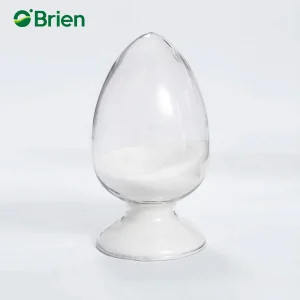
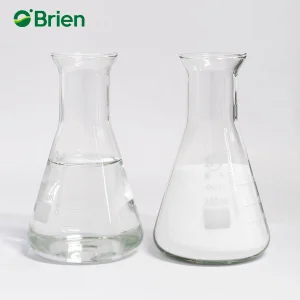
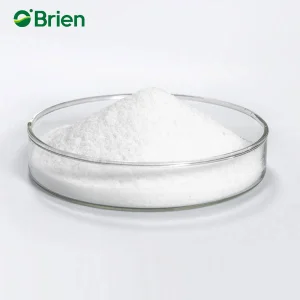
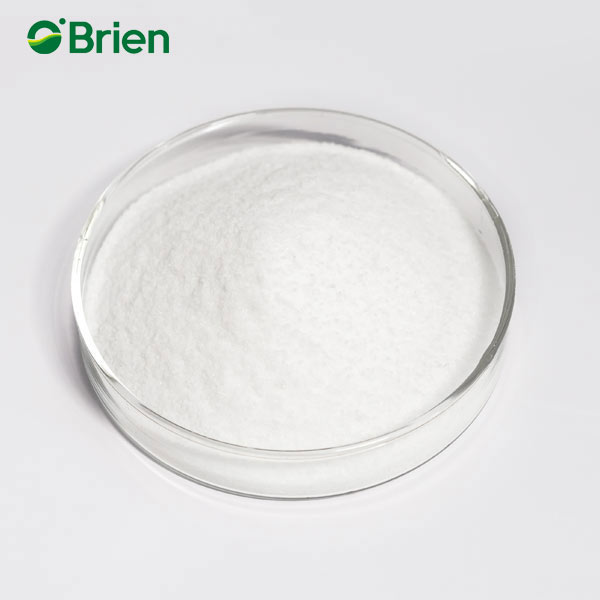
| Appearance | White Granular Powder | White / Off-White Granules | Ensures rapid dissolution and flowability |
| Molecular Weight (MW) | 3.0 Million - 15.0 Million Daltons | 2.0 M - 8.0 M Daltons | Directly impacts bridging efficiency and floc strength |
| Degree of Hydrolysis | < 3.0% - 5.0% | < 5.0% - 10.0% | Maintains performance stability in extreme low pH (<3) |
| Solid Content (%) | ≥ 90.0% | ≥ 88.0% | Maximizes active chemical density per shipment bulk |
| Residual Monomer (AM) | ≤ 0.02% - 0.05% (200-500 ppm) | ≤ 0.10% (1000 ppm) | Critical for eco-safety, compliance, and regulatory standards |
| Dissolution Time | ≤ 60 Minutes (at 25°C) | ≤ 90 Minutes | Boosts plant operational throughput and lowers energy use |
Oubo Polyacrylamide products provide tailored solutions across a diverse spectrum of global industrial processes. Nonionic Polyacrylamide plays a specialized role where system chemistry renders ionic flocculants ineffective.
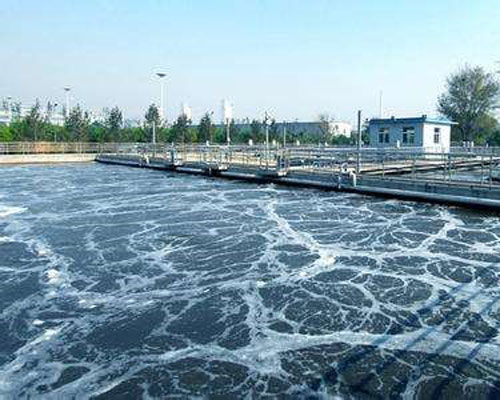
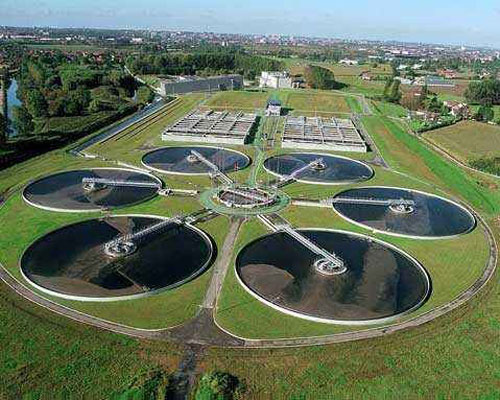
Used predominantly as a flocculating agent in solid-liquid separation processes including sedimentation, clarification, and sludge dewatering. High Purity NPAM excels in highly acidic industrial effluents (such as electroplating wash water, pickle liquor, copper hydrometallurgy wastes, and acid-mine drainage) where anionic polymer charges are neutralized and cationic polymers undergo degradation. It provides robust clarification in municipal sewage treatment, leather processing, citric acid extraction, vegetable protein recovery, and pharmaceutical manufacturing.
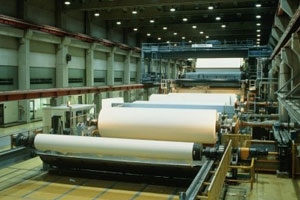
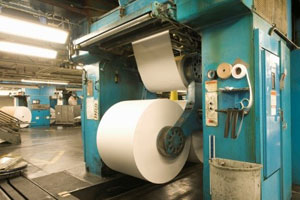
In paper manufacturing, NPAM functions as a high-performance retention aid, filter aid, and fiber dispersant. By adding small doses during the wet-end process, NPAM improves the retention rate of fine fibers and inorganic fillers (calcium carbonate, titanium dioxide), enhances water drainage on the wire, increases paper sheet uniformity, and optimizes dry strength via hydrogen-bond formation. It plays a pivotal role in white water closed-loop recycling and deinking flotation processes.

Widely utilized in oil exploration, profile control, plugging fluids, drilling muds, and hydraulic fracturing additives. Nonionic PAM provides outstanding shale inhibition, fluid loss reduction, cooling, and bit lubrication in high-salinity formation water where ionic polymers lose viscosity. It acts as a primary mobility control polymer in Enhanced Oil Recovery (EOR) and a flocculant for oil sands tailing dewatering.

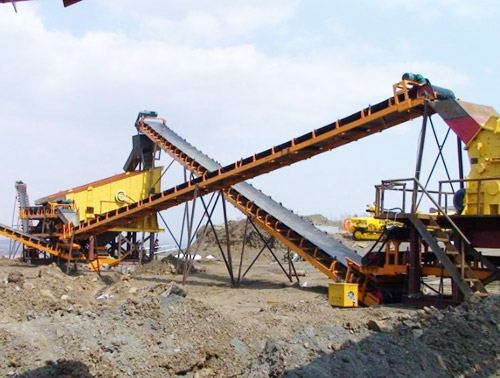
Extensively applied in coal washing tailings dewatering and ore dressing circuits for gold, silver, iron, nickel, copper, and alumina. NPAM accelerates solid-liquid separation by filtration, thickening, and centrifugation. Its chemical neutrality prevents unwanted complexation with dissolved metal ions, providing exceptional supernatant clarity in tailings pond management and pipe sealing operations.
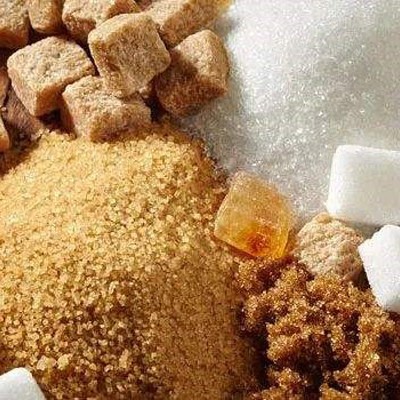
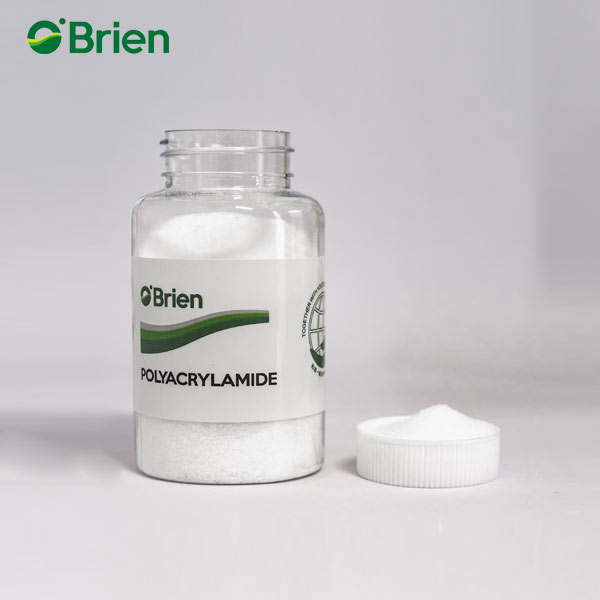
In sugar beet and sugarcane processing, High Purity Nonionic PAM is applied during raw juice clarification and syrup flotation. Its high purity and compliance with residual monomer limits ensure rapid settling of bagasse micro-particles and inorganic impurities without imparting off-colors or taste, maximizing sugar yield and refining efficiency.
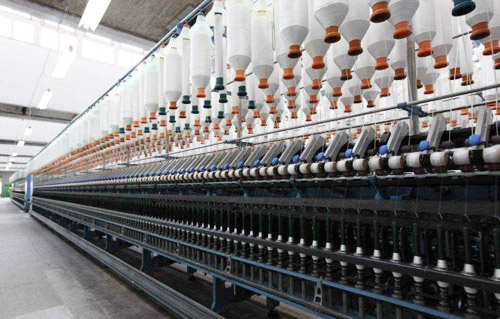
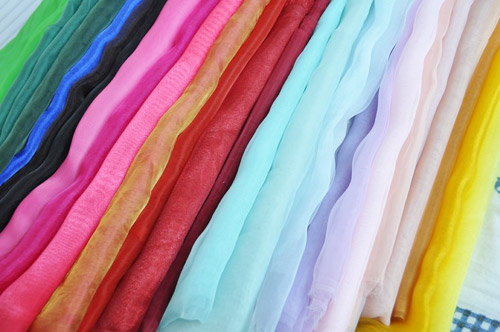
NPAM functions as a versatile textile sizing agent, finishing auxiliary, and fabric protective coating. In textile wastewater management, it co-precipitates with coagulants to decolorize dye-laden effluents, strip suspended fibers, and reduce overall COD/BOD levels prior to discharge or reverse osmosis filtration.
Located in the Free Trade Zone of Qingdao, Oubo Chemical profits from unparalleled maritime transport logistics, direct customs integration, and immediate access to world-class chemical raw material streams. Our supply chain security and manufacturing throughput provide key commercial guarantees for international distributors and large-scale industrial consumers.
To guarantee ultra-consistent monomer purity and shield clients from market volatility, Oubo maintains strategic procurement agreements with global petrochemical leaders including SINOPEC and Eni. All raw materials undergo rigorous testing before entering our automated synthesis reactors.
Our Qingdao production facilities feature fully automated, computer-controlled polymer synthesis lines. Real-time temperature control, pH monitoring, and initiator dosing ensure batch-to-batch consistency with minimal variance in molecular weight distribution and dissolution kinetics.
Quality assurance is embedded in our operational DNA. Every batch of polyacrylamide undergoes 3 distinct testing cycles (Raw Material Analysis, In-Process Polymerization Monitoring, and Pre-Shipment Quality Testing) conducted by our dedicated QA laboratory.
As global environmental regulations tighten, Oubo Chemical is continuously reinvesting over €2 Million annually into polymer innovation. Our technology roadmap focuses on advancing eco-friendly water treatment solutions, reducing carbon footprints, and introducing intelligent polymer dosing systems.
Developing bio-acrylamide derived from renewable agricultural feedstock via enzymatic conversion, aiming to lower carbon emissions during monomer production by up to 40% while preserving high structural purity.
Engineered polymerization techniques designed to lower free acrylamide monomer content to below 100 ppm, exceeding stringent European drinking water and food-contact compliance guidelines.
Synthesizing structured, branch-chain Nonionic PAM variants optimized for ultra-high shear environments in deep oil wells and high-solids belt filter press dewatering operations.
Qingdao OUBO Chemical Co., Ltd is a world-leading manufacturer of Polyacrylamide. We utilize patented biological methods to synthesize polyacrylamide, investing €2 Million into annual technical accumulation and process refinement.
Integrated global supply chain sourcing raw materials from top-tier suppliers like SINOPEC and Eni. Automated lines, full ISO9001 compliance, and 3-stage QC testing for every delivered batch guarantee reliability.
Over a decade of manufacturing specialization delivers high-purity chemicals at direct-factory wholesale prices. Our engineers handle selection, laboratory bench testing, and full plant trial support.
Dedicated technical support team assisting pre-sales, sales, and post-sales processes. We conduct jar tests, water analyses, and onsite optimization to ensure you choose the precise polymer matching your substrate.
We offer customizable, moisture-proof packaging tailored for international ocean freight, rail transit, and long-term storage safety.
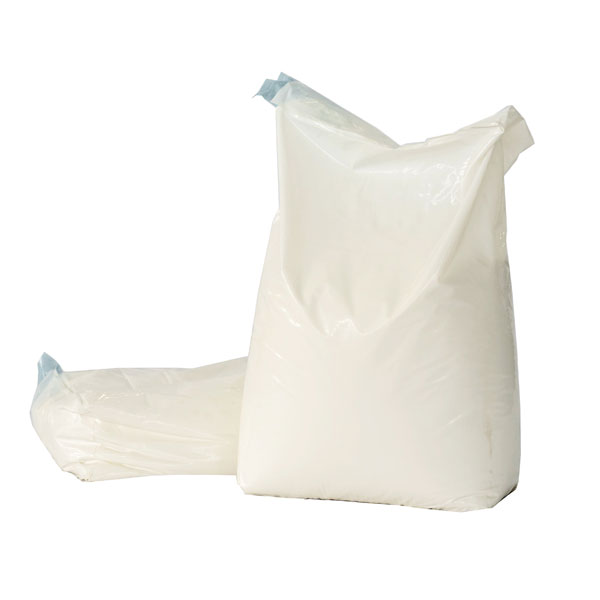
Ideal for OEM distributors requiring custom unbranded packaging for localized re-labeling.
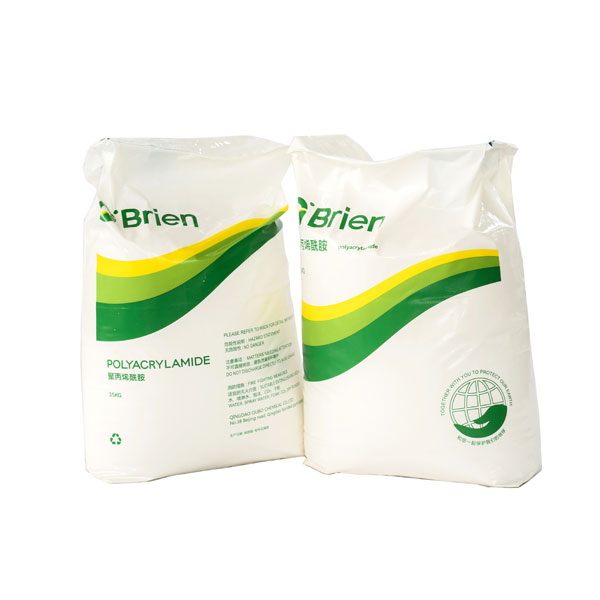
Standard export 25kg multi-wall paper-plastic composite bag with inner PE moisture barrier.
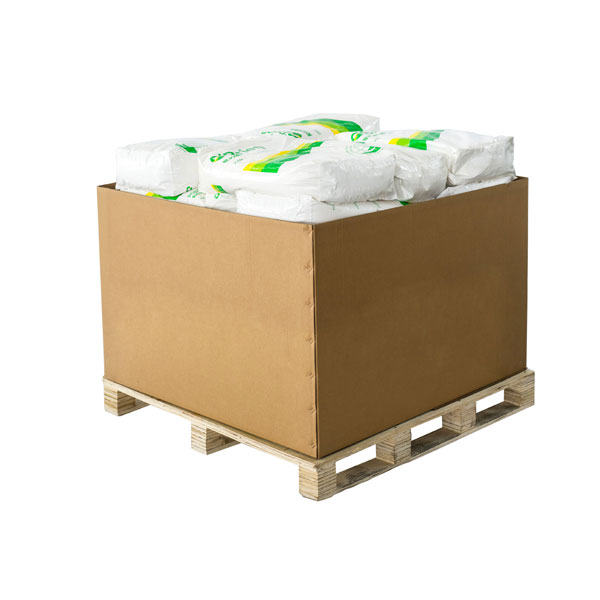
Heavy-duty FIBC ton bags designed for high-consumption industrial plants and automated dosing hoppers.
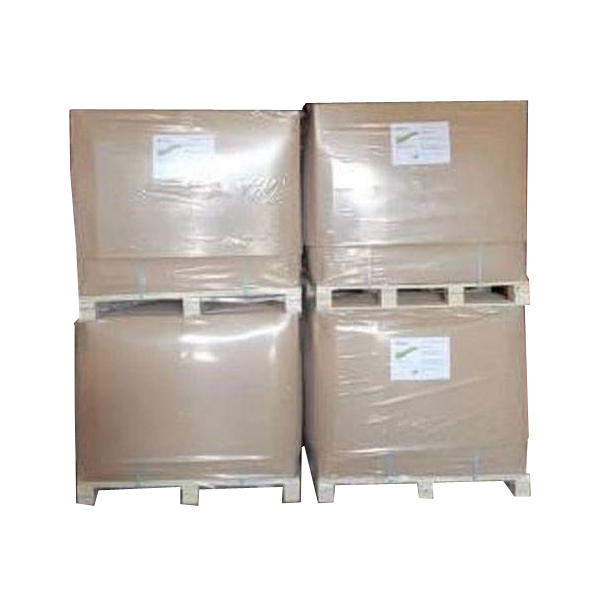
Fumigated wooden or plastic pallets, shrink-wrapped with corner boards for ocean freight protection.
Demand for High Purity Nonionic Polyacrylamide is accelerating globally, driven by stringent environmental laws governing wastewater discharge, water reuse mandates in water-scarce industrial zones, and booming mineral processing projects in South America, Australia, and Africa. Oubo Chemical actively maintains strict global compliance frameworks, facilitating smooth customs clearance and regulatory approval for our clients.
Full compliance with European Union REACH standards. Our products fulfill chemical safety registration criteria, enabling seamless distribution across EU member states without trade barriers.
Standardized quality assurance oversight across all production lines, guaranteeing consistent physical properties, dissolution rates, active content, and chemical stability in every shipment.
Formulated to strictly adhere to monomer toxicity thresholds, fulfilling international standards for industrial effluent clarification and indirect water process applications.
Browse additional specialized PAM grades optimized for mining, oilfield fluid thickening, and acidic wastewater purification.
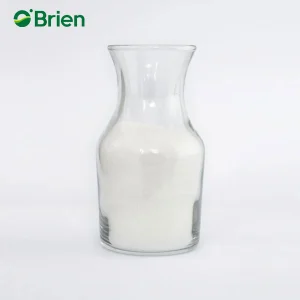
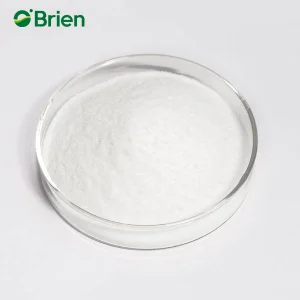
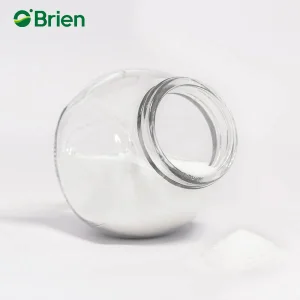
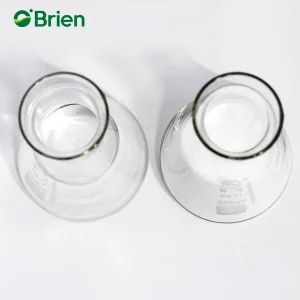
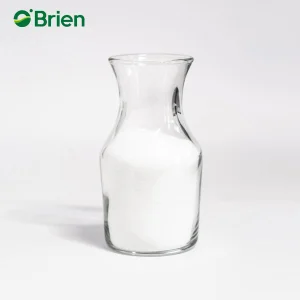
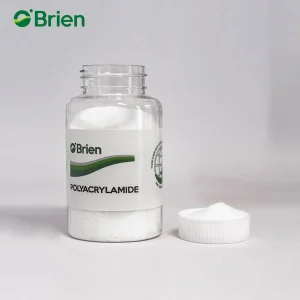
Nonionic Polyacrylamide (NPAM) features a neutral polymer backbone with negligible electrical charge (<3-5% hydrolysis). While Anionic PAM relies on carboxylate groups ($-COO^-$) to attach to positively charged solids and Cationic PAM carries quaternary ammonium groups ($-N^+$) to bind to negatively charged organic sludge, NPAM functions via multi-point hydrogen bonding through its dense amide functional groups ($-CONH_2$). This makes NPAM significantly more effective in strong acid conditions (pH < 4), highly saline fluids, and complex inorganic suspensions where ionic charges are shielded or neutralized.
To prepare an optimal NPAM stock solution (typically 0.1% to 0.3% concentration):
1. Use clean water with a neutral pH (temperatures between 20°C and 30°C work best). Avoid using hot water above 50°C, which causes thermal degradation.
2. Turn on the mechanical stirrer at 200-400 RPM to create a soft vortex.
3. Slowly sift the dry NPAM granules into the vortex to ensure individual particle wetting and prevent agglomeration (fish eyes).
4. Continue gentle stirring for 45 to 60 minutes until the granules are completely dissolved. Avoid high-shear impellers, which break high-molecular-weight polymer chains.
In acidic wastewater environments (such as acid-pickling wash water, copper leaching liquors, or electroplating waste with pH ranging from 1 to 4), carboxylate functional groups on Anionic PAM absorb excess hydrogen ions ($H^+$) and become fully protonated (converting $-COO^-$ to neutral $-COOH$). This causes APAM chains to coil, lose solubility, and lose flocculation performance. In contrast, Nonionic PAM maintains its linear structural configuration and hydrogen-bonding reactivity across the entire pH spectrum from 1 to 14, delivering reliable particle settling under extreme acidity.
When stored in its original unopened moisture-proof packaging (25kg bags or 1000kg bulk sacks) in a cool, dry, and well-ventilated warehouse away from direct sunlight and heat sources, dry Polyacrylamide powder has a shelf life of 24 months. Once dissolved in water, diluted NPAM solutions should ideally be consumed within 24 to 48 hours, as aqueous polymer solutions gradually undergo viscosity loss over time due to hydraulic chain relaxation.
Yes. Oubo Chemical operates a comprehensive technical support service. Our engineering team assists global clients by conducting laboratory jar testing, settling velocity measurements, and sludge dewatering evaluations to pinpoint the exact molecular weight and ionic charge required for your effluent stream. We provide free 1kg laboratory sample kits for evaluation prior to commercial order placement.
Operating within the Free Trade Zone of Qingdao, our plant is located just 30 kilometers from Qingdao Port—one of the largest deep-water shipping hubs in Asia. Standard 20-foot FCL containers load 18 to 20 Metric Tons of palletized PAM or 22 Metric Tons of unpalletized bags. Standard production and delivery lead times range from 7 to 14 days following order confirmation.
 Oubo Chemical