Explore our top-tier industrial polyacrylamide grades engineered for wastewater treatment, paper manufacturing, oilfields, and mining.
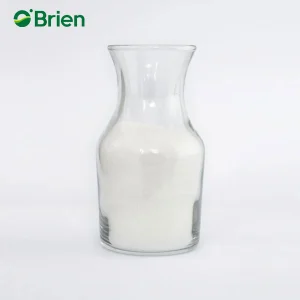
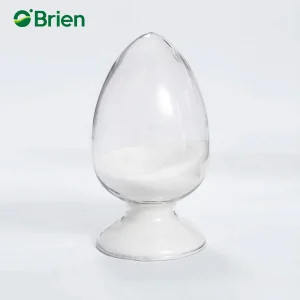
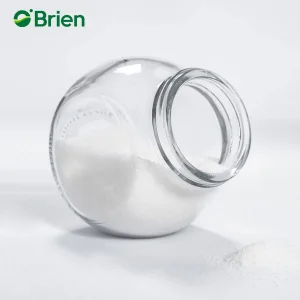
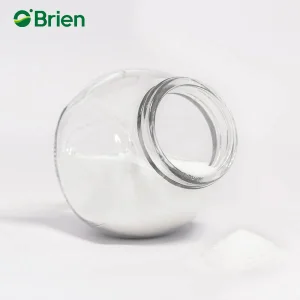
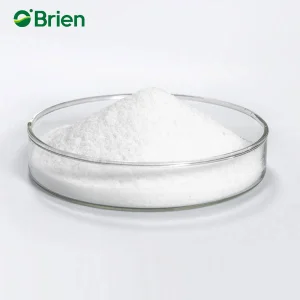
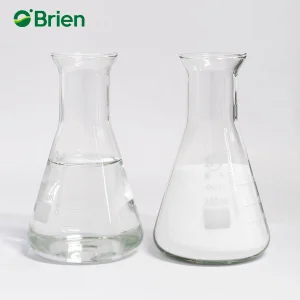
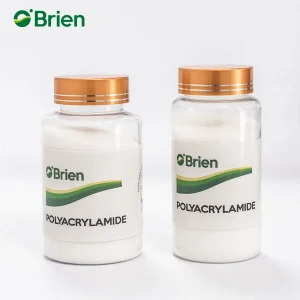
Polyacrylamide (CAS 9003-05-8) represents a cornerstone of modern industrial water treatment, mineral extraction, enhanced oil recovery (EOR), and paper manufacturing. Formed via the polymerization of acrylamide monomers, PAM is a linear synthetic water-soluble polymer designed to induce flocculation, alter fluid rheology, and provide structural fiber binding across multi-phase industrial environments.
Navigating global chemical supply chains requires deep insight into ionic classification, molecular weight distribution, and synthetic pathways. As a global leader situated in the Free Trade Zone of Qingdao, China, Qingdao Oubo Chemical Co., Ltd (O'brien brand) delivers technical-grade polymer formulations tailored to rigorous operational criteria. Whether managing high-turbidity municipal sludge dewatering or ultra-deep oilfield hydraulic fracturing, procurement teams require reliable technical parameters, sample evaluation standards, and regulatory compliance assurances.
Polyacrylamide performance is dictated by its charge density and molecular weight (ranging from 3 Million to over 22 Million Daltons). The polymer matrix operates via two primary mechanisms: Charge Neutralization (destabilizing suspended colloidal particles) and Polymer Bridging (adsorbing onto multiple solid surfaces to form rapidly settling flocs).
Carrying a negative ionic charge, APAM is synthesized via co-polymerization of acrylamide and acrylic acid. It excels in mineral slurry clarification, coal tailings processing, and alkaline industrial effluent flocculation where positively charged particles predominate.
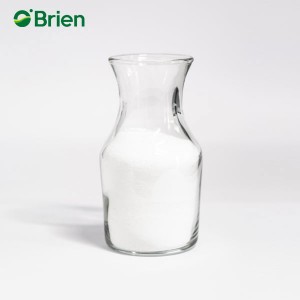
Incorporate positively charged monomers (such as DAC or DMC), rendering CPAM highly effective for organic-rich substrates. It is the primary flocculant for municipal sewage sludge, organic industrial wastewater (dairy, textile, slaughterhouse), and paper retention aids.
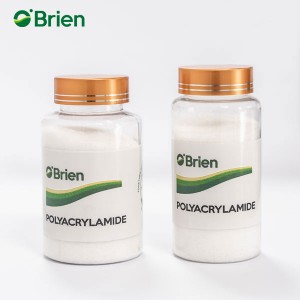
Exhibiting neutral characteristics, NPAM relies purely on hydrogen bonding and high molecular weight chains to bridge particles. Crucial for acidic industrial wastewater treatment, metal leaching, and specialized oilfield fluid thickening.
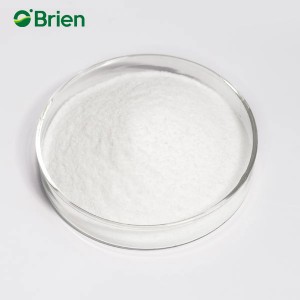
Established in 2011 within the Qingdao Free Trade Zone, China, Oubo Chemical Co., Ltd has developed into an internationally accredited polyacrylamide manufacturer. With business growth expanding at 10% per year and an annual capacity exceeding 50,000 metric tons in 2018, Oubo maintains rigorous production standards backed by ISO9001:2008 certification.
Oubo utilizes advanced biological methods for acrylamide monomer synthesis (microbial catalysis), securing patented processes that reduce residual monomer levels (below 500ppm) while enhancing linear chain polymerization efficiency.
Our raw material sourcing is tied to world-class chemical suppliers including SINOPEC and Eni. All production lines are fully automated, guaranteeing chemical purity and batch-to-batch consistency.
Every single batch produced undergoes a strict 3-stage quality inspection by our internal QC laboratory prior to dispatch, testing viscosity, degree of hydrolysis, dissolution rate, and active polymer content.
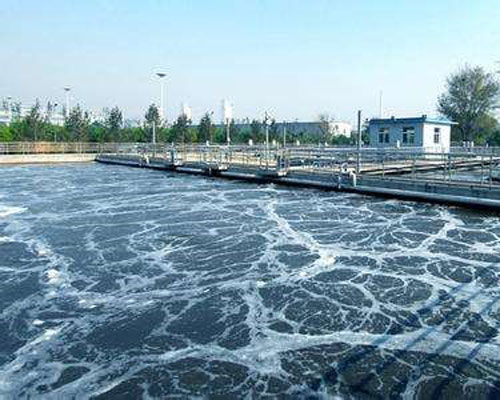
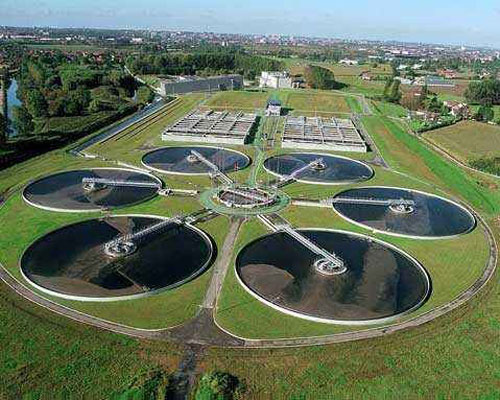
In wastewater processing, PAM serves as an indispensable primary flocculant and dewatering aid. Municipal sewage contains high organic loading, where cationic polyacrylamide (CPAM) destabilizes negatively charged biological sludge flocs. By facilitating belt filter presses, centrifuge dewatering, and chamber filter presses, CPAM accelerates solid-liquid separation, reducing sludge cake moisture content significantly.
For complex industrial effluents—such as leather tanning, dyeing, citric acid fermentation, vegetable protein extraction, and pharmaceutical manufacturing—customized APAM and NPAM grades clarify wastewater, lower Chemical Oxygen Demand (COD), and lower Total Suspended Solids (TSS).
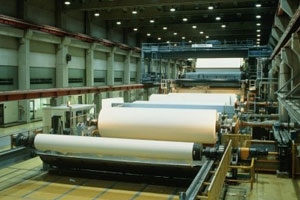
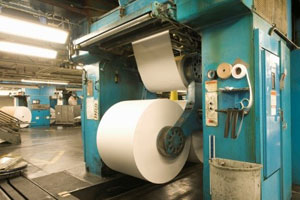
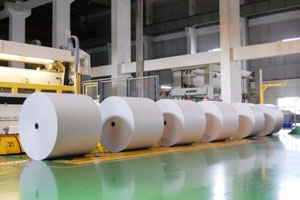
Polyacrylamide plays a structural role in high-speed paper machinery. Oubo’s paper chemicals function across four critical wet-end processes:
Polyacrylamide is essential for modern upstream oil and gas operations. In Enhanced Oil Recovery (EOR), high molecular weight Anionic Polyacrylamide (APAM) increases water phase viscosity, reducing water-oil mobility ratios to sweep residual crude from low-permeability reservoirs.
In drilling operations, PAM polymers function as shale inhibitors, fluid loss control additives, and friction reducers. They stabilize borehole walls, carry drill cuttings to the surface, lubricate drill strings, and protect fragile formations during hydraulic fracturing.


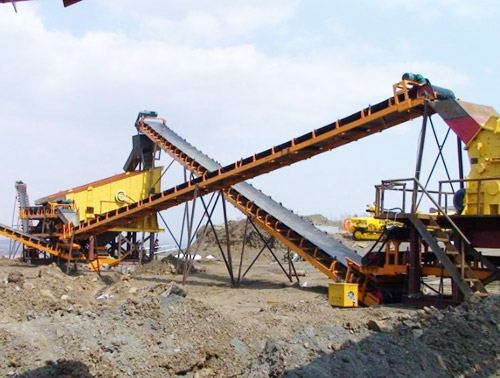
Extractive metallurgy requires rapid solid-liquid separation. Oubo’s non-ionic and anionic polyacrylamide range accelerates settling in thickeners and tailing ponds for coal washing, iron ore beneficiation, alumina process (Bayer process clarification), gold, silver, copper, and nickel extraction.


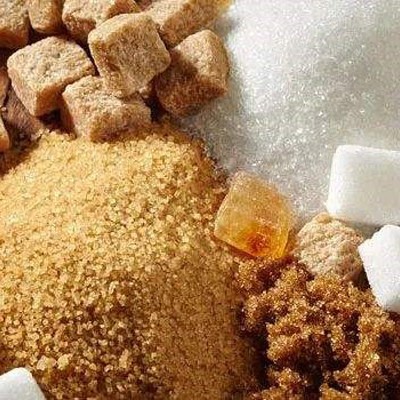
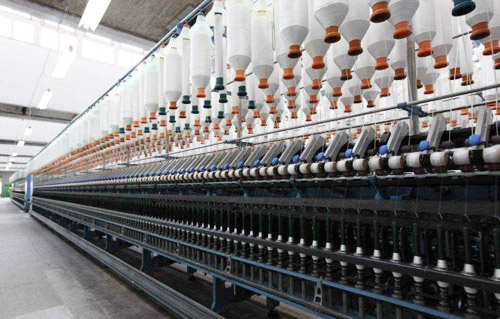
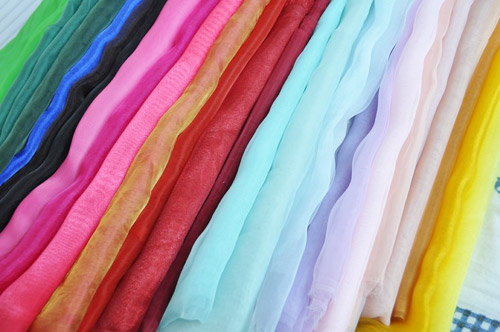
In sugar processing, APAM aids in sugarcane juice clarification and syrup flotation, yielding higher purity juice. In textiles, PAM serves as a warp sizing agent, fabric finishing agent, and effluent color-removing coagulant. For agriculture, cross-linked PAM acts as a soil moisture retainer and erosion barrier.
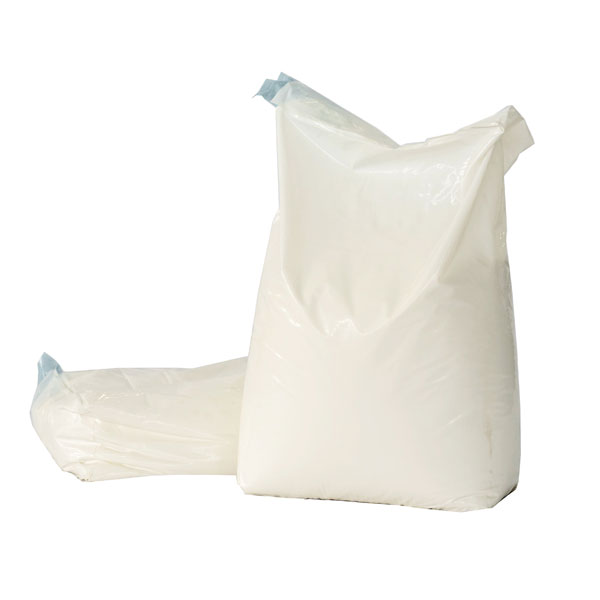
Oubo Chemical provides flexible packaging tailored for global sea freight and long-term shelf stability. Powder polymers are packaged in multi-wall kraft paper or woven PE bags with moisture-proof inner liners.
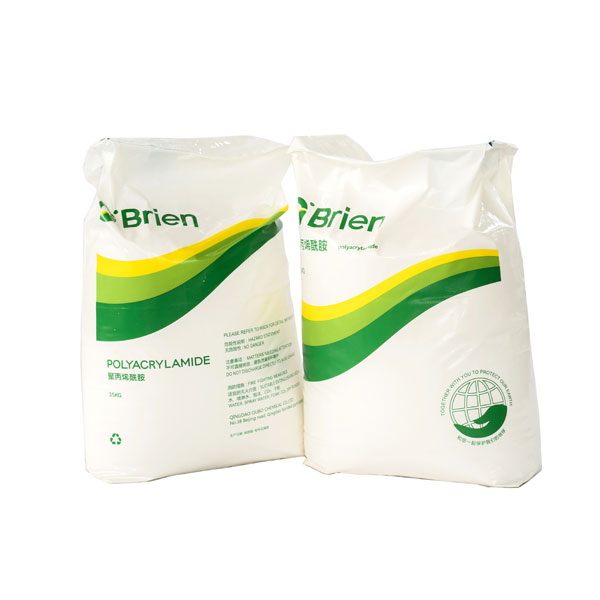
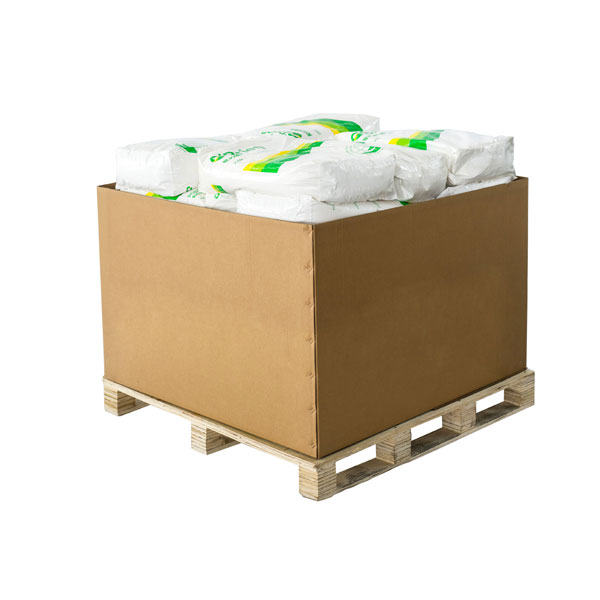
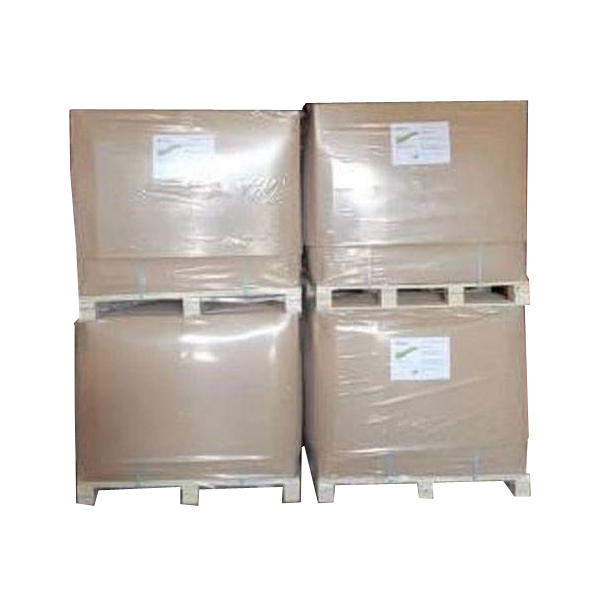
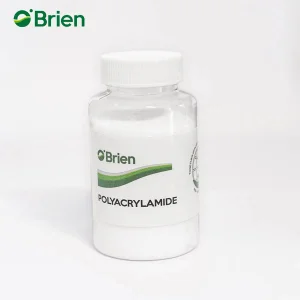
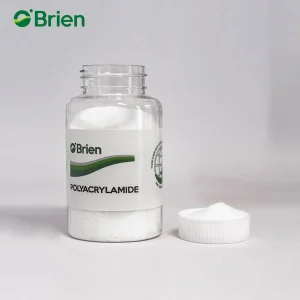
Selecting the correct polymer requires rigorous laboratory jar testing to optimize dosage efficiency and avoid operational bottlenecks. Oubo Chemical provides complimentary 500g samples for qualified enterprise clients along with direct engineering consultation.
You can contact our sales engineering team directly through the product links on this page. Provide details regarding your application (e.g., municipal sludge, coal washing, paper retention), current polymer parameters, and effluent metrics. We will dispatch tailored 500g sample bottles within 48 hours.
Dry polyacrylamide powder has a shelf life of 24 months when stored in cool, dry, and ventilated conditions inside original unopened packaging. Once dissolved into aqueous solution, it should be consumed within 24–48 hours to prevent molecular weight shear degradation.
Oubo utilizes enzymatic microbial synthesis for acrylamide production. This eco-friendly process generates lower toxic by-products, achieves higher conversion rates, produces lower residual monomer concentrations, and yields exceptionally long-chain polymer polymers with consistent molecular weight distribution.
Yes, we provide neutral blank bags, customized branded multi-wall kraft bags, and pallet wrapping according to client specifications, backed by complete MSDS, COA, and export customs documentation.
Select specific grades below to request technical specification sheets, safety data sheets (SDS), and free sample dispatch.
 Oubo Chemical