In modern natural gas processing, the removal of water vapor—known technically as gas dehydration—is a fundamental operational requirement. Raw natural gas extracted from subterranean reservoirs is typically saturated with water vapor. If unaddressed, moisture under high operational pressure leads to the formation of solid methane gas hydrates, severe internal pipeline corrosion, freezing in cryogenic processing units, and non-compliance with strict pipeline transportation quality standards (which typically mandate a water content below 4 to 7 lbs/MMSCF).
As global energy markets shift toward LNG (Liquefied Natural Gas) production and deep offshore extraction, the technical specifications for gas dehydration desiccants have escalated dramatically. Dehydration equipment must consistently achieve water dew points below -100°C (-148°F) prior to liquefaction. This industrial demand has driven high-volume procurement from leading Natural Gas Dehydration Desiccant Manufacturers capable of delivering high-capacity molecular sieves, specialized silica gels, activated alumina, and innovative polyacrylamide-based hydro-absorbents.
Water condensation in high-pressure natural gas lines reacts with light hydrocarbons to form solid crystalline ice-like structures (clathrate hydrates). These block flow lines and valve assemblies. Solid desiccants and liquid absorbents reduce water dew points to safeguard multi-billion-dollar infrastructure.
Liquefaction plants operate at temperatures as low as -162°C. Even trace moisture (above 1 ppmv) results in catastrophic ice buildup inside cryogenic heat exchangers. Ultra-deep dehydration using 3A/4A synthetic zeolites and polymer polishing beds is mandatory.
Unconventional shale gas and acid gas wells contain elevated levels of H2S and CO2. Moist acid gases form carbonic and sulfuric acids. Highly robust, acid-resistant desiccant matrices manufactured with specialized chemical stability prevent bed degradation and dust generation.
| Desiccant / Technology Type | Primary Active Mechanism | Achievable Moisture Dew Point | Regeneration Temp Range | Key Industrial Applications |
|---|---|---|---|---|
| Triethylene Glycol (TEG) | Liquid Absorption (Hydrophilic Liquid) | -15°C to -25°C | 175°C - 204°C | Field production gathering stations, pipeline dew point control. |
| 3A / 4A Molecular Sieves | Crystalline Cation Zeolite Adsorption | -100°C to -120°C | 200°C - 315°C | LNG liquefaction pretreatment, deep NGL recovery plants. |
| Activated Alumina | Surface Chemisorption / Porous Hydroxide | -40°C to -70°C | 160°C - 250°C | Compressed natural gas (CNG) stations, gas drying units. |
| Silica Gel / Water-Resistant Gel | Amorphous Silicon Dioxide Physisorption | -30°C to -60°C | 120°C - 160°C | Hydrocarbon dew point control, guard beds for liquid slugs. |
| PAM Hydrogel / Polymer Matrix | Superabsorbent Osmotic Retention | Custom Moisture Trapping | Chemical Extraction / Recirculation | Wellhead produced water shut-off, gas mud dewatering, effluent control. |
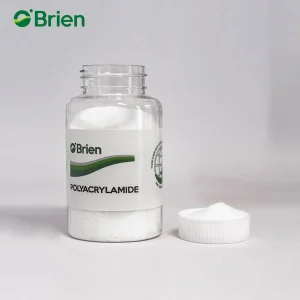
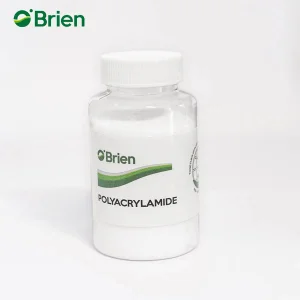
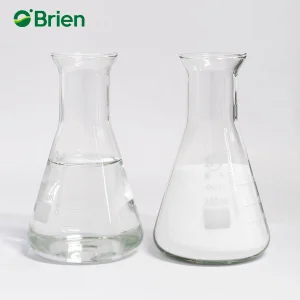
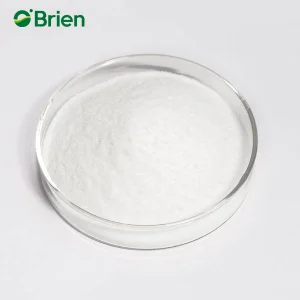
While molecular sieves and TEG systems dominate traditional dehydration contactors, Oubo Chemical Co., Ltd bridges the chemical supply chain by manufacturing specialized Polyacrylamide (PAM) derivatives—including Nonionic Polyacrylamide (NPAM), Anionic Polyacrylamide (APAM), and Cationic Polyacrylamide (CPAM). These synthetic high-molecular-weight polymers play a critical role in upstream natural gas processing: controlling wellhead liquid influx, managing fracturing fluid recovery, clarifying glycol reclamation loops, and dewatering drilling sludges.
Oubo Chemical utilizes advanced, eco-friendly biological enzymatic methods to synthesize acrylamide monomers. This proprietary approach produces polymers with precise molecular weight distribution, higher purity, minimal unreacted residual monomer content, and vastly superior environmental performance during oil field application.
All primary raw materials are sourced directly from top-tier international chemical giants including SINOPEC and Eni. Operating fully automated production lines, Oubo enforces a triple-testing Quality Control standard where every batch is analyzed three times prior to container dispatch.
Excessive water production reduces gas permeability in gas-bearing strata. High molecular weight Anionic Polyacrylamide (APAM) and cross-linked PAM gels act as effective profile modification agents. Injected into water-thief zones, they shut off water encroachment without restricting gas flow.
In liquid TEG desiccant reboilers, fine particulates, salt precipitates, and degraded hydrocarbon sludge accumulate over time, clogging pumps and reducing heat transfer efficiency. Cationic Polyacrylamide (CPAM) additives flocculate suspended solids in glycol reclamation bypass streams.
Separator blowdown water and desiccant bed wash waste require solid-liquid clarification. Oubo's nonionic and cationic flocculants accelerate particle settling in centrifuges and filter presses, enabling compliance with strict environmental discharge and reinjection standards.
Challenge: Extremely low ambient temperatures accelerate methane hydrate formation inside wellheads and transport lines before gas reaches main processing facilities.
Solution: Implementation of low-viscosity nonionic polyacrylamide friction reducers combined with high-capacity 3A molecular sieve desiccant beds engineered to resist thermal shock and mechanical attrition caused by vessel motion.
Challenge: Ambient temperatures exceeding 50°C create severe thermal degradation of standard absorbent chemicals and promote heavy hydrocarbon co-adsorption.
Solution: Application of thermally stable, heavily cross-linked anionic acrylamide polymers for water cut control and silica-gel guard beds designed to selectively adsorb water while repelling heavy hydrocarbon vapors.
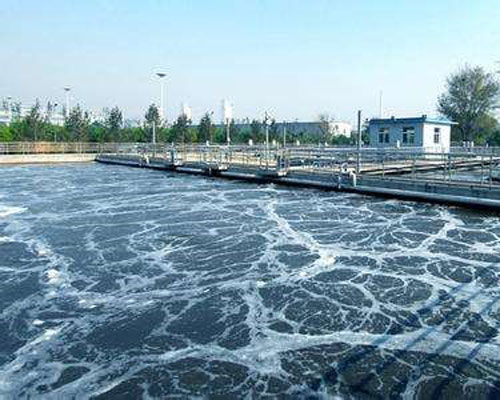
Used as a high-efficiency flocculating agent in industrial solid-liquid separation processes, including settling, clarification, thickening, and sludge dewatering. Highly effective for urban municipal sewage and industrial effluent streams across leather, citric acid, and pharmaceutical operations.
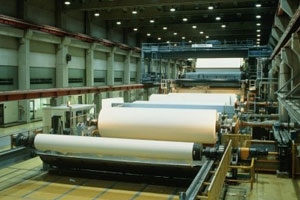
Functions as a retention aid, dry strength agent, and filter aid. Improves short-fiber and filler retention rates, enhances physical sheet strength, balances wet-end ionic charge via anionic trash catchers, and optimizes fiber dispersion for uniform paper appearance.
Extensively applied in Enhanced Oil Recovery (EOR), profile control, plugging agents, drilling fluid filtration control, shale stabilization, bit cooling/lubrication, and hydraulic fracturing fluid friction reduction.
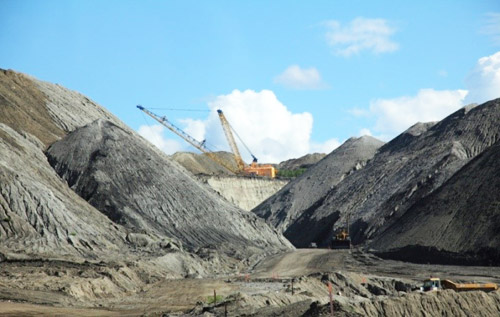
Essential for coal washing, tailings thickener dewatering, and solid-liquid separation via filtration and centrifugation in gold, silver, iron, copper, and nickel extraction circuits.
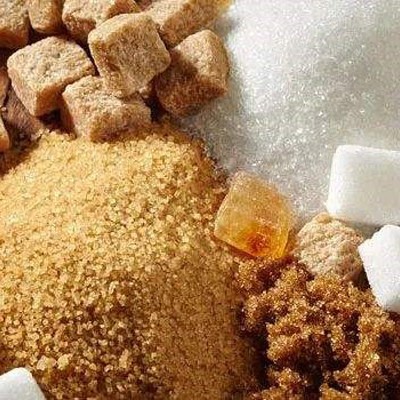
Specially formulated food-grade polyacrylamide flocculants accelerate juice clarification and floatation during sugarcane and sugar beet syrup purification.
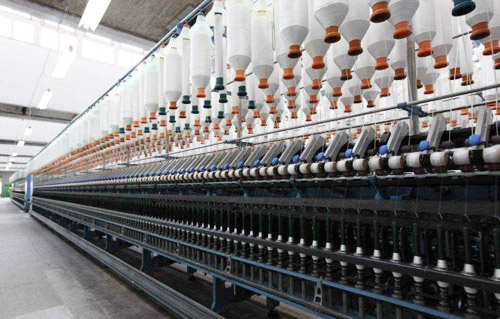
Serves as a high-performance sizing agent, finishing agent, fabric softening pre-treatment agent, and flocculant for decoloring dense textile dyeing wastewater.
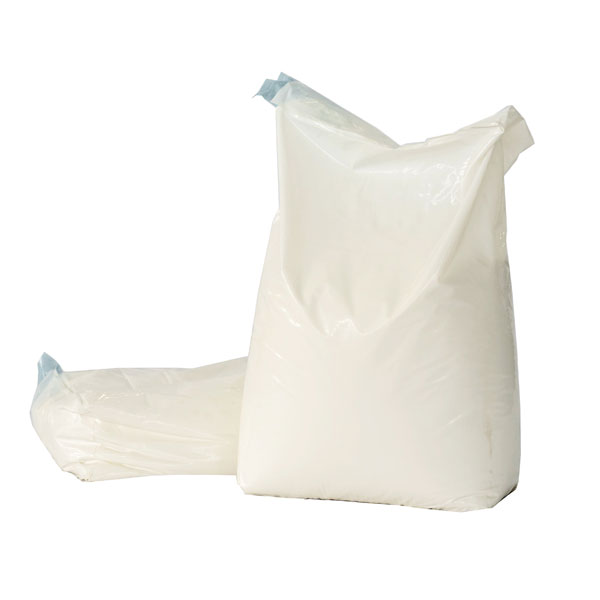
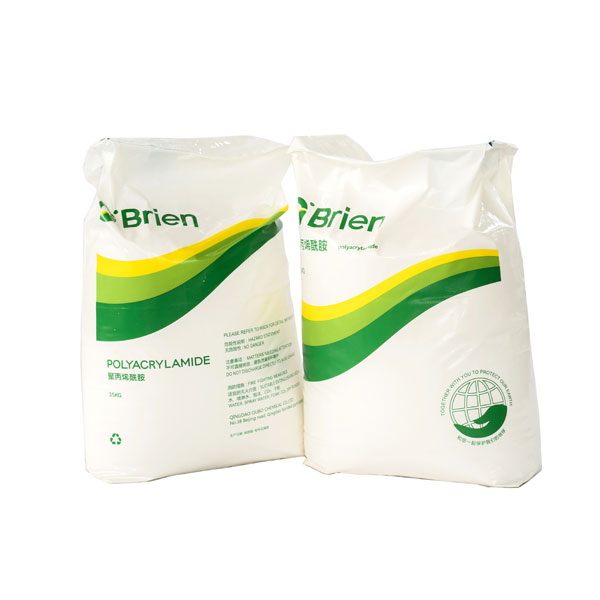
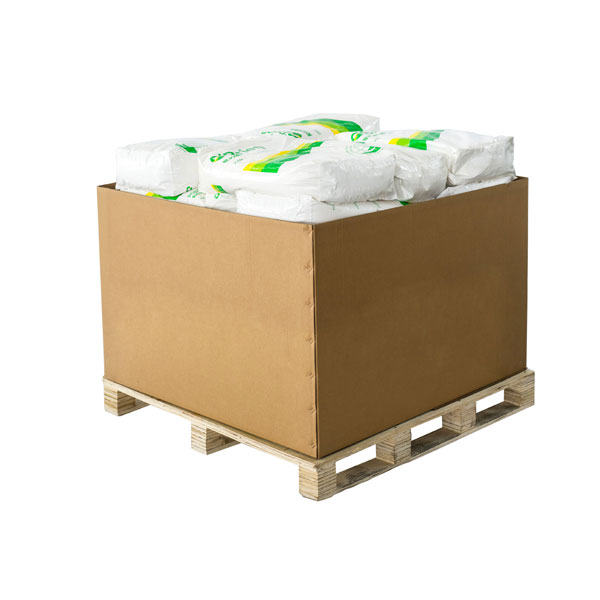
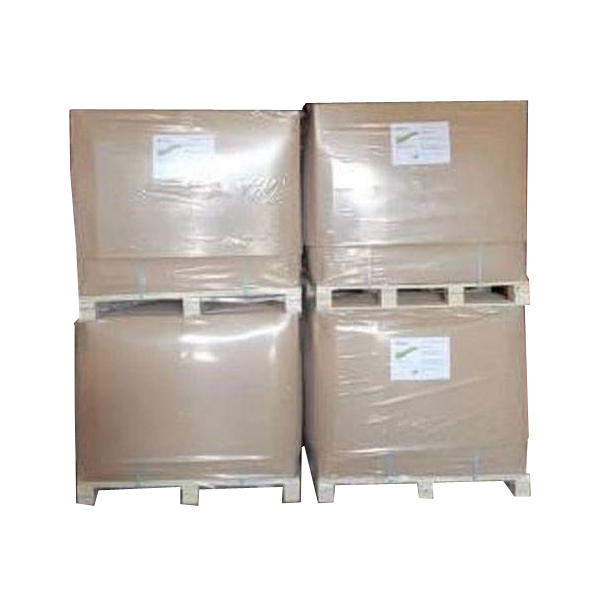
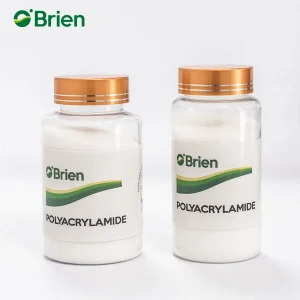
While solid adsorbents like 3A/4A molecular sieves remove gas-phase water vapor inside drying towers, Polyacrylamide formulations operate at the liquid phase and wellhead level. PAM acts as a water shut-off agent in the reservoir, a flocculant in glycol recovery circuits, and a dewatering aid for wastewater blowdown, preventing liquid water surges from over-saturing downstream desiccant beds.
Our biological enzymatic synthesis operates under mild reaction conditions, producing acrylamide with higher purity, exceptionally consistent high molecular weights (up to 22 million Daltons), and minimal residual monomer content. This yields superior flocculation efficiency, higher thermal stability, and better environmental compliance compared to traditional chemical catalytic routes.
Selection depends on the charge density and pH of the targeted effluent. Anionic Polyacrylamide (APAM) is ideal for inorganic suspended solids and neutral/alkaline water. Cationic Polyacrylamide (CPAM) excels in organic-rich sludge dewatering and acidic conditions. Nonionic Polyacrylamide (NPAM) is preferred for high-salinity brines and complex mineral fluids where ionic interference must be minimized.
Oubo Chemical operates under ISO9001:2008 management guidelines. Every production batch undergoes triple-stage Quality Control testing: initial monomer purity checks, in-line polymerization viscosity testing, and final powder mesh size/dissolution rate verification. Certificate of Analysis (COA) documentation accompanies every shipment container.
Yes. We specialize in tailored polymer formulations ranging from low to ultra-high molecular weights (3 million to 22 million) and cationic/anionic charge degrees from 5% to 80%. Our technical team conducts pre-sales laboratory jar testing to recommend the exact product grade for your field conditions.
When stored in its original un-opened moisture-proof packaging in a cool, dry, and ventilated warehouse (away from direct sunlight and extreme heat), dry polyacrylamide powder maintains a shelf life of 24 months. Once opened, bags should be resealed to prevent moisture absorption.
 Oubo Chemical