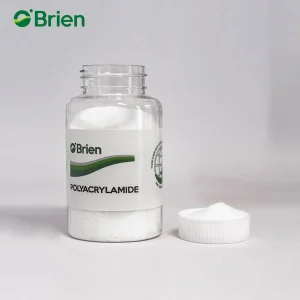
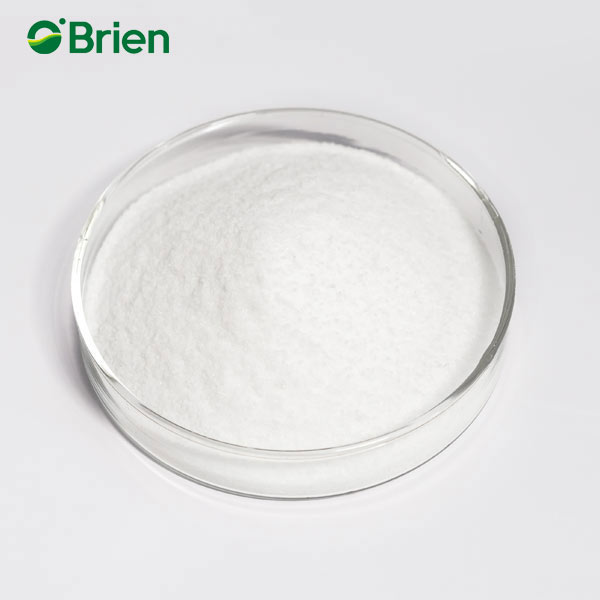
Wholesale Flocculant & Water Treatment Chemical Polyacrylamide Manufacturer & Supplier

Engineered Polymer Solutions | High-Molecular-Weight PAM (CPAM, APAM, NPAM) for Industrial Wastewater, Municipal Sewage Dewatering, Mineral Processing, and Oilfield EOR Applications.

Featured Polyacrylamide Flocculant Solutions

Explore our global wholesale catalog of high-efficiency synthetic water-soluble polymers customized for ultra-fast solid-liquid separation.
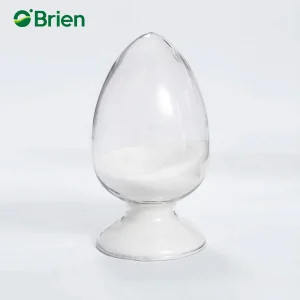
China Cationic polyacrylamide Manufacturer, Supplier
View Product Details
Wholesale Anionic Polyacrylamide for Municipal Sewage Treatment
Wholesale Anionic Polyacrylamide (APAM) for Municipal Sewage Treatment & Sludge Dewatering
View Product Details
Wholesale Cationic Polyacrylamide Powder for Wastewater Treatment
Wholesale Cationic Polyacrylamide Powder for Municipal & Industrial Wastewater Treatment
View Product Details
Wholesale Nonionic Polyacrylamide for Mineral Processing
Wholesale Nonionic Polyacrylamide (NPAM) for Mineral Processing & Metallurgical Ore Dressing
View Product Details
China PAM Anionic Polyacrylamide Paper Strength Agent
China PAM Anionic Polyacrylamide Dry & Wet Strength Agent for Paper Industry
View Product Details
Wholesale Anionic Polyacrylamide Manufacturers
Wholesale Anionic Polyacrylamide Manufacturers, Supplier
View Product Details
China Nonionic Polyacrylamide Flocculant for Acidic Wastewater
China Nonionic Polyacrylamide Flocculant for Acidic Industrial Wastewater Treatment
View Product Details
Wholesale High Molecular Weight Polyacrylamide Coal Washing
Wholesale High Molecular Weight Nonionic Polyacrylamide for Coal Washing & Tailings Dewatering
View Product Details

Enterprise Operational Heritage & Industrial E-E-A-T Profile

Established in 2011 inside the strategic Free Trade Zone of Qingdao, China, Qingdao Oubo Chemical Co., Ltd. has evolved into a global powerhouse in the synthesis, formulation, and supply of advanced Polyacrylamide (PAM) water treatment chemicals. Operating with an uncompromising Quality Control (QC) framework, Oubo Chemical has achieved a consistent annual business growth rate of over 10% for more than a decade. Our state-of-the-art chemical manufacturing infrastructure shattered historical milestones in 2018 by breaching an annual production capacity of 50,000 Metric Tons of polyacrylamide products.

Under our flagship international brand O'brien, our operations strictly adhere to the ISO 9001:2008 Quality Management System. We combine biological enzyme polymerization technologies with heavy capital investments—reinvesting over €2 Million annually into R&D—to ensure high conversion efficiency, ultra-high molecular weight consistency, and extremely low residual monomer levels (<0.05%).

50,000+ MT
Annual PAM Production Capacity
€2.0 Million
Annual R&D Capital Investment
ISO 9001
Certified Quality Architecture
100% 3-Tier QC
Pre-Shipment Testing Rigor

Biological Monomer Synthesis

We utilize proprietary bio-catalytic technology to convert Acrylonitrile to Acrylamide monomer. This zero-side-reaction method yields higher purity monomers, producing linear polymers with molecular weights exceeding 22 Million Daltons without premature cross-linking.

Global Upstream Material Security

To maintain rock-solid batch-to-batch chemical stability, our raw chemical feedstocks are sourced directly from tier-one global chemical leaders including SINOPEC and Eni, backed by fully automated continuous polymerizing lines.

Polyacrylamide Chemical Architecture & Mechanism Dynamics

Polyacrylamide (CAS Registry Number 9003-05-8) is a synthetic, water-soluble linear resin formed by the polymerization of acrylamide subunits. Based on the chemical charge introduced during copolymerization, PAM is categorized into four primary ionic variations: Cationic (CPAM), Anionic (APAM), Nonionic (NPAM), and Amphoteric/Mannich PAM.

Cationic Polyacrylamide (CPAM)

Copolymerized with cationic monomers such as DAC (Dimethylaminoethyl Acrylate Methyl Chloride) or DMC. CPAM possesses positive charge sites along its polymer chain.

  • Ionic Charge Density: 5% to 80% mol
  • Molecular Weight: 8 Million – 15 Million Da
  • Primary Action: Electric charge neutralization of negatively charged organic colloidal solids.
  • Core Target: Municipal sludge, organic industrial wastewater, belt/centrifuge dewatering.

Anionic Polyacrylamide (APAM)

Copolymerized with acrylamide and acrylate monomers. APAM carries negatively charged carboxylate groups along its backbone, yielding strong hydrodynamic stretching.

  • Degree of Hydrolysis: 10% to 60%
  • Molecular Weight: 5 Million – 25 Million Da
  • Primary Action: Polymer bridging mechanism across inorganic suspended solids.
  • Core Target: Mineral processing, sand washing, metallurgical tailings, neutral-to-alkaline effluent.

Nonionic Polyacrylamide (NPAM)

Homopolymerized pure acrylamide. NPAM exhibits neutral chemical properties in solution, utilizing hydrogen bonding for particle adsorption.

  • Ionicity: Neutral (<2% hydrolysis)
  • Molecular Weight: 3 Million – 12 Million Da
  • Primary Action: Hydrogen bonding adsorption in acidic or saline environments.
  • Core Target: Acidic wastewater treatment, soil stabilization, chemical leaching liquors.

Dual Mechanism: Charge Neutralization vs. Polymer Bridging

Flocculation using Oubo Polyacrylamide operates via two distinct physicochemical phenomena. In aqueous suspensions containing fine colloidal particles, negative electrostatic charges prevent settling due to mutual repulsion (high Zeta Potential). When Cationic PAM is introduced, its positively charged sites bind to negative particles, reducing Zeta potential to near zero and causing collapse of the double layer (Charge Neutralization).

Simultaneously, ultra-high-molecular-weight Anionic and Nonionic PAM molecules extend long polymer chains into the solution phase. Different segments of a single polymer molecule adsorb onto the surfaces of multiple suspended particles simultaneously, forming massive micro-flocs that aggregate into dense, rapidly-settling macro-flocs (Bridging Effect).

Global Industry Trends & Enterprise Procurement Dynamics

The global industrial chemical flocculant market is experiencing unprecedented structural shifts driven by strict environmental mandates, mandatory Zero Liquid Discharge (ZLD) policies, and global ESG (Environmental, Social, and Governance) compliance directives.

1. Tightening Municipal Effluent Limits

Governments worldwide are enforcing lower chemical oxygen demand (COD), total suspended solids (TSS), and phosphorus discharge thresholds. Wastewater treatment plants require high-charge CPAM formulations to maximize cake dryness in high-speed decanter centrifuges, directly reducing hazardous sludge disposal costs.

2. Mining & Tailings Circular Water Reuse

Water scarcity in major mining basins (South America, Australia, Africa) requires rapid thickening of mine tailings. Ultra-high molecular weight APAM enables up to 95% water recovery from tailing thickeners, permitting continuous closed-loop operational recycling.

3. EOR & Harsh-Condition Energy Recovery

Conventional oil reservoirs are turning to Polymer-Flooding Enhanced Oil Recovery (EOR). Global energy producers require specialized PAM polymers capable of maintaining structural viscosity under high temperatures (>85°C) and high salinity conditions.

China Industry 4.0: Supply Chain Resilience & Cost Efficiency

Global chemical procurement teams face increasing geopolitical and logistical volatility. Qingdao Oubo Chemical addresses these risks through our vertically integrated China Industry 4.0 manufacturing hub. Located adjacent to the Port of Qingdao—one of the world's top container hubs—our facility maintains uninterrupted supply lines.

Fully Automated Synthesis DCS-controlled continuous polymerization eliminates human batching errors, guaranteeing narrow molecular weight distribution.
3-Stage QC Quality Protocol Raw monomer validation, in-line viscosity tracking, and pre-shipment COA certificate verification for 100% of batches.
FTZ Duty & Port Logistics Situated in Qingdao FTZ for expedited customs clearance, container packing flexibility, and rapid vessel deployment.

Localized Application Scenarios & Engineering Practices

Oubo Polyacrylamide products are engineered to solve specific solid-liquid separation challenges across diverse global industrial sectors:

1. Water & Municipal Wastewater Treatment Industry

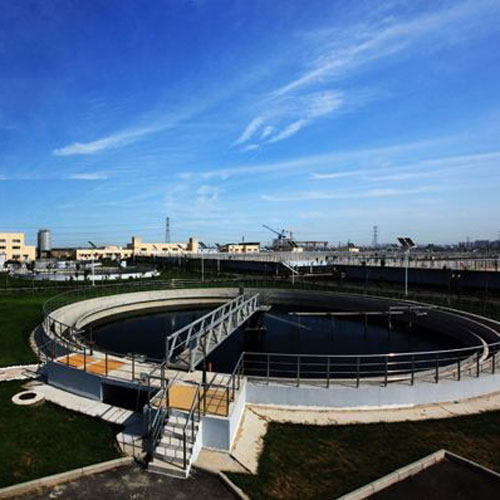
Polyacrylamide serves as a primary coagulant aid and sludge dewatering polymer in both municipal wastewater facilities and heavy industrial effluent plants. In municipal sludge dewatering processes utilizing decanter centrifuges, belt filter presses, or plate-and-frame filter presses, our high-charge Cationic Polyacrylamide (CPAM) yields clean filtrate water while generating solid, low-moisture filter cakes.

Secondary Industrial Sectors: Tannery wastewater, paper mill effluent, citric acid processing, vegetable protein extraction, textile dyeing, and incense manufacturing.
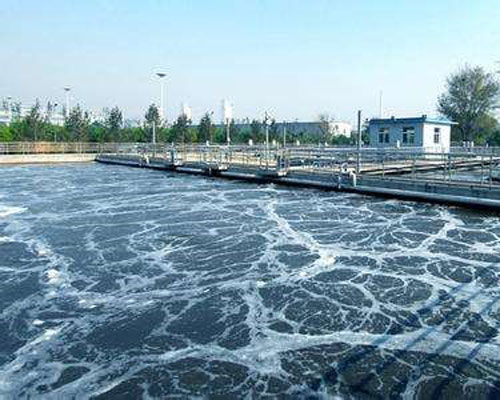
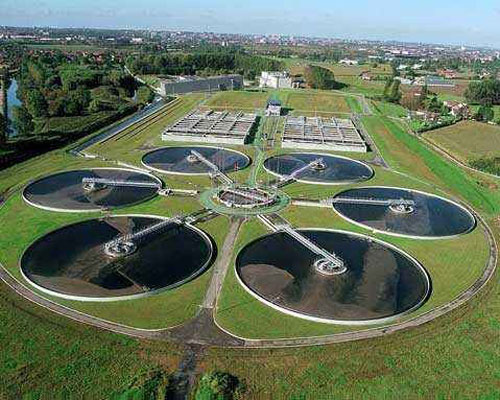
Water Treatment Plant Industrial Wastewater Dewatering Sewage Sludge Treatment Effluent Clarification

2. Paper & Pulp Manufacturing Industry

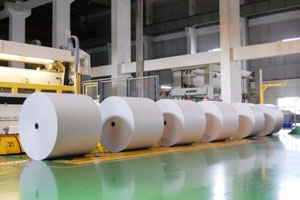
In paper machine wet-end chemistry, PAM functions as a key retention aid, drainage promoter, and dry/wet strength agent. By adding low dosages of specialized Anionic or Cationic PAM, paper mills significantly increase short fiber and mineral filler retention, improve paper formation uniformity, reduce raw material loss, and clean up white water discharge.
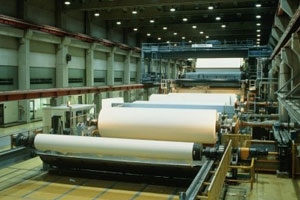
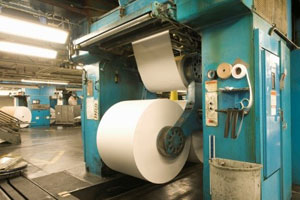
  • Paper Retention Agent: Improves retention rate of short fibers and fillers while boosting machine dewatering speed.
  • Anionic Trash Neutralizer: Neutralizes organic charge interference in recycled pulp streams to stabilize wet-end chemistry.
  • Paper Strength Enhancer: Forms covalent and ionic linkages with pulp hydroxyl groups to increase burst and tensile strength.
  • Fiber Dispersant: Promotes uniform long-fiber dispersion for premium specialty paper grades.
Paper Manufacturing Process Paper Pulp Dewatering Paper Recycling Operations

3. Oilfield Engineering & Drilling Fluids

Polyacrylamide is an essential additive across upstream oil exploration, well drilling, profile control, plugging agents, and fracturing operations. High-molecular-weight PAM acts as a fluid-loss reducer, shale inhibitor, lubricant, and thickener in water-based drilling muds, while ultra-high-weight APAM forms the backbone of Polymer-Flooding Enhanced Oil Recovery (EOR).

Core Oilfield Utilities: Enhanced Oil Recovery (EOR), Hydraulic Fracturing Fluid Friction Reducers, Drilling Fluid Shale Stabilizers, and Oil Sands Tailings Clarification.


Oilfield Drilling Rig Enhanced Oil Recovery Oilfield Fluid Management

4. Mining & Mineral Beneficiation

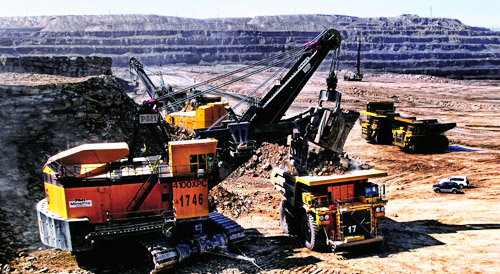
Mining operations demand rapid solid-liquid separation to clarify process water and dewater tailing slurries. Oubo supplies anionic, nonionic, and cationic PAM series tailored for coal washing plant circuits, tailings thickeners, vacuum filtration, and centrifuge operations across precious and base metal extractions including Gold, Silver, Copper, Iron, Nickel, and Lithium.

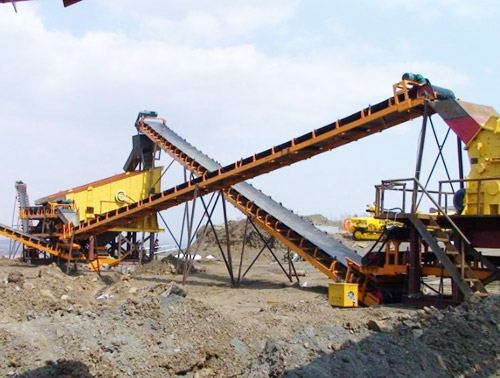
Coal Washing Operation Mining Tailings Dewatering Mineral Processing Settling

5. Sugar Refining, Textile & Food Processing Effluent

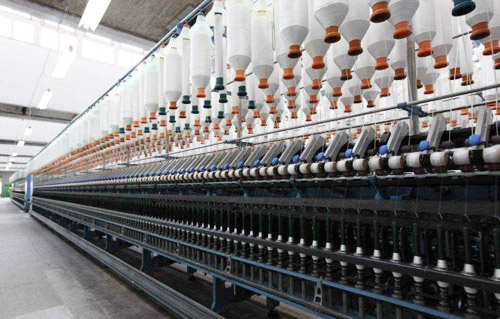
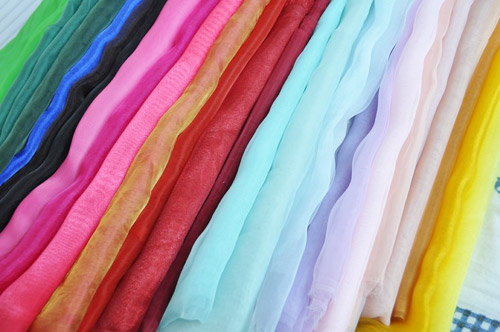
In sugar cane and sugar beet manufacturing, specialized Nonionic and Anionic PAM chemicals act as clarification flocculants during juice settling and scum flotation, accelerating cane juice purity. In the textile sector, PAM operates as a warp sizing agent, fabric finishing chemical, and high-efficiency dye wastewater decolorizer.
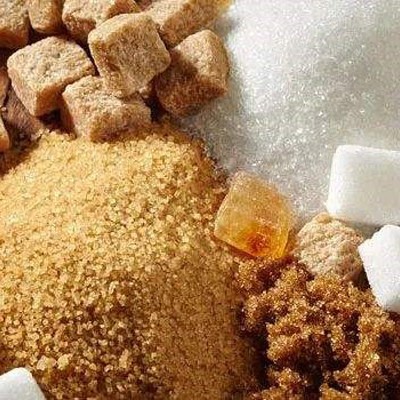
Sugar Juice Clarification Sugar Refinery Processing Textile Dyeing Wastewater Textile Fabric Sizing

Technical Grade Selection & Specification Matrix

Use this engineering reference matrix to identify the ideal Polyacrylamide formulation based on targeted substrate medium and system operating conditions.

PAM Type Ionicity / Hydrolysis Molecular Weight (Million Da) Solid Content Dissolution Time Primary Industrial Field
Cationic (CPAM) 10% - 80% High/Medium Charge 8.0 - 15.0 ≥ 88% Powder 45 - 60 Mins Municipal Sludge Dewatering, Organic Effluent, Centrifuge Filter Press
Anionic (APAM) 15% - 60% Degree Hydrolysis 12.0 - 25.0 High MW ≥ 89% Powder 30 - 50 Mins Mining Tailings, Sand Washing, Metallurgical Dewatering, Paper Retention
Nonionic (NPAM) < 2% Neutral Ionicity 5.0 - 12.0 ≥ 90% Powder 40 - 60 Mins Acidic Industrial Effluent, Soil Stabilization, Copper/Zinc Leaching
Oilfield EOR Grade 20% - 30% Controlled Hydrolysis 18.0 - 28.0 Ultra High ≥ 90% Granular 60 - 90 Mins Enhanced Oil Recovery (EOR), Drilling Mud Viscosifier, Shale Inhibitor

Industrial Packaging Standards & Technical Preparation

To safeguard polymer integrity during long-distance ocean transport, Oubo Chemical enforces rigorous double-layer packaging protocols. Polyacrylamide powder is hygroscopic and must be stored in cool, dry, ventilated environments.
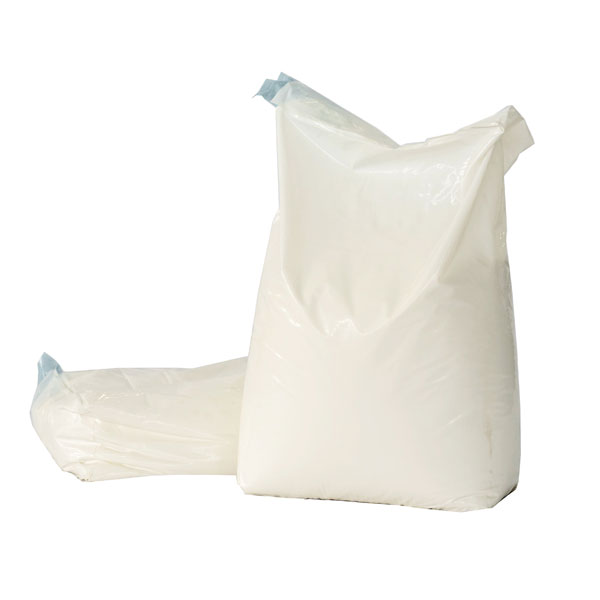
Blank Bag Packaging

Blank Neutral Bag

25kg Kraft paper / PE inner bag for private labeling OEM.
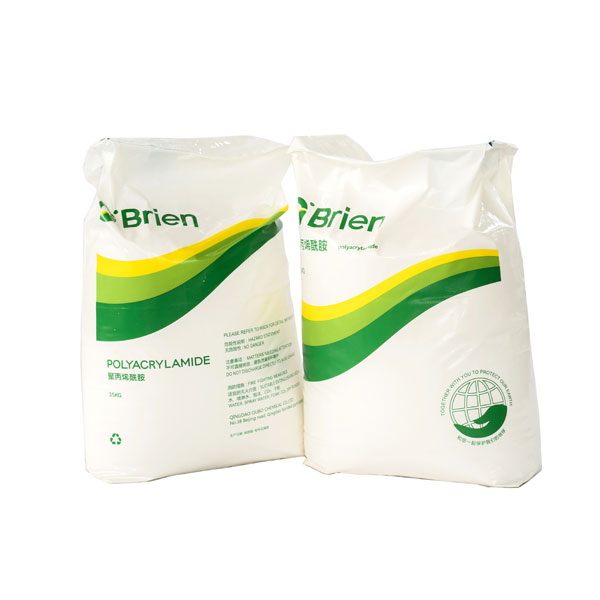
Normal Printed Bag

Standard Brand Bag

25kg O'brien branded export multi-wall paper bag.
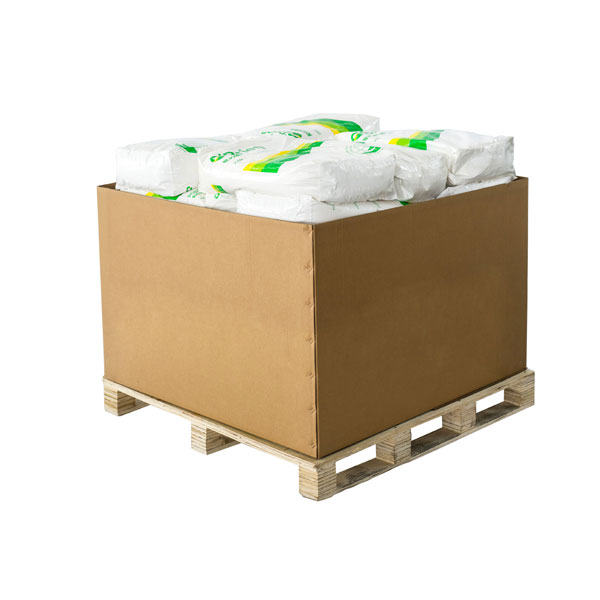
Jumbo Ton Bag Package

Jumbo Bulk Bag

750kg - 1000kg Big Bags for high-volume mining consumption.
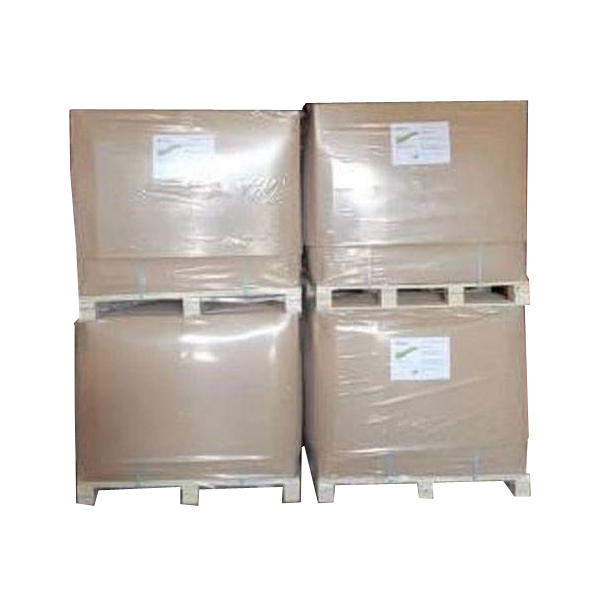
Palletized Cargo Loading

Palletized Delivery

ISPM-15 shrink-wrapped pallets for safe container shipping.

Best Practices for Polyacrylamide Solution Preparation:

  • Dissolution Concentration: Dissolve dry PAM powder to a standard 0.1% – 0.3% w/v stock solution.
  • Water Temperature & Quality: Use clean tap water or neutral process water. Water temperature should remain between 20°C and 40°C. Avoid temperatures exceeding 50°C to prevent thermal degradation.
  • Agitation Dynamics: Add powder gradually into the vortex of stirring water. Maintain continuous mechanical agitation at 200–400 RPM for 45 to 60 minutes until completely dissolved. High-shear pumps must be avoided to prevent mechanical molecular chain scission.

Frequently Asked Questions (Technical & Procurement FAQ)

Get expert answers regarding product selection, chemical properties, wholesale ordering, and application engineering.

How do I determine whether to use Cationic (CPAM) or Anionic (APAM) Polyacrylamide?
Selection depends primarily on the electrical surface charge (Zeta potential) of your suspended solids. Organic sludge (such as municipal sewage, food processing effluent, and biological sludge) carries strong negative charges and requires Cationic Polyacrylamide (CPAM) for charge neutralization. Conversely, mineral slurry, silt, metal hydroxides, and inorganic mining effluents respond best to Anionic Polyacrylamide (APAM) via polymer bridging. We recommend conducting jar testing in our lab or on-site to pinpoint exact charge density requirements.
What is the minimum order quantity (MOQ) and standard lead time for wholesale exports?
Our standard wholesale Minimum Order Quantity is 1 Metric Ton (1,000 kg). For full container load (FCL) orders (e.g., 18-20 MT per 20'FCL with pallets), standard production and dispatch lead time from our Qingdao FTZ factory is 7 to 10 working days. OEM custom packaging or specialized ionic grades are dispatched within 14 working days.
What quality guarantees and certifications accompany Oubo Chemical shipments?
Qingdao Oubo Chemical operates under ISO 9001:2008 management verification. Every production batch undergoes a mandatory 3-tier QC testing protocol covering active polymer content, bulk density, degree of hydrolysis, viscosity, and residual monomer content. Each shipment is accompanied by a Certificate of Analysis (COA), and third-party inspections (SGS, BV) are available upon request.
Why is residual monomer content (AMD) critical for environmental safety?
Acrylamide monomer (AMD) is a toxic compound, whereas Polyacrylamide (PAM) polymer is non-toxic. Ensuring residual acrylamide monomer levels remain strictly below 0.05% (500 ppm)—or below 0.02% for potable water grades—is vital to prevent environmental toxicity in discharged water or land-applied dewatered sludge. Oubo’s biological synthesis guarantees ultra-low residual monomer levels.

Complete Polyacrylamide Product Series

Select from our specialized polyacrylamide grades engineered for high shear resistance, fast dissolution rates, and optimal dosing economy.
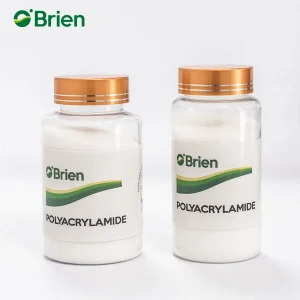
Wholesale Cationic Polyacrylamide Supplier Sludge Dewatering
Wholesale Cationic Polyacrylamide (CPAM) for Sludge Dewatering & Industrial Wastewater
View Product Details
China Nonionic Polyacrylamide PAM Thickener Drilling Fluid
China Nonionic Polyacrylamide (PAM) Thickener for Oilfield Drilling Fluid
View Product Details
China Nonionic Polyacrylamide Manufacturers Supplier
China Nonionic Polyacrylamide Manufacturers, Supplier
View Product Details
Wholesale PAM Anionic Polyacrylamide Suppliers
Wholesale PAM Anionic Polyacrylamide Manufacturer, Suppliers
View Product Details
Wholesale High Molecular Weight Anionic Polyacrylamide Petrochemical
Wholesale High Molecular Weight Anionic Polyacrylamide for Petrochemical & Metallurgical Wastewater
View Product Details
Wholesale Anionic Polyacrylamide Powder Food Processing
Wholesale Anionic Polyacrylamide Powder Flocculant for Food Processing & Sugar Refining Wastewater
View Product Details
Wholesale Cationic Polyacrylamide Textile Dyeing
Wholesale Cationic Polyacrylamide (CAS 9003-05-8) Flocculant for Textile & Dyeing Wastewater
View Product Details
China Cationic Polyacrylamide Paper Making Supplier
China Cationic Polyacrylamide Retention & Drainage Aid for Paper Making Industry
View Product Details