Engineered water-soluble synthetic polymers tailored for maximum solid-liquid separation performance, rapid settling, and operational efficiency across industrial sectors.
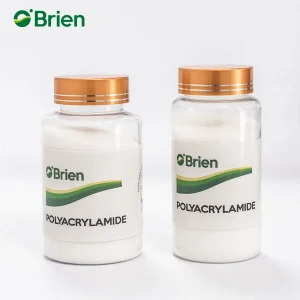
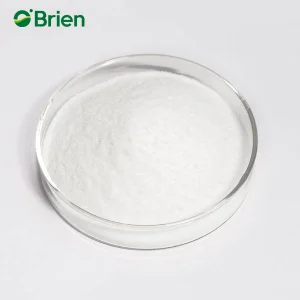
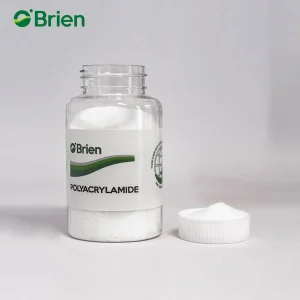
Oubo Chemical Co., Ltd, established in 2011 and strategically situated within the Free Trade Zone of Qingdao, China, operates at the dynamic intersection of chemical innovation, high-efficiency synthesis, and environmental stewardship. Over more than a decade of continuous performance scaling, Oubo has maintained a consistent annual growth rate exceeding 10%, cementing its position as a top-tier international chemical enterprise and leading global wholesale polyacrylamide manufacturer.
Operating under the world-renowned O'Brien brand, our manufacturing infrastructure combines proprietary microbiological synthesis processes with fully automated continuous polymerization production lines. By establishing a robust, resilient global raw material supply network with tier-one suppliers such as SINOPEC and Eni, Oubo guarantees unmatched chemical purity, minimal residual monomer concentration, and unparalleled batch-to-batch consistency across our entire product line.
Oubo Chemical invests heavily in continuous R&D (allocating substantial capital toward breakthrough chemical engineering and polymer physics). Using bio-catalytic methods for monomer synthesis, our patented technology ensures reduced carbon intensity, higher molecular weight stability, and cleaner dissolution profiles compared to traditional chemical synthesis paths. Our operations are fully accredited under ISO9001:2008, ensuring strict quality assurance from chemical feedstock reception to final delivery.
Comprehensive chemical breakdown of synthetic water-soluble polyacrylamide resins, charge density dynamics, and macromolecular solid-liquid separation mechanics.
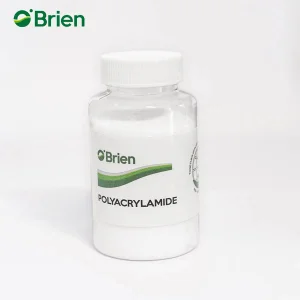
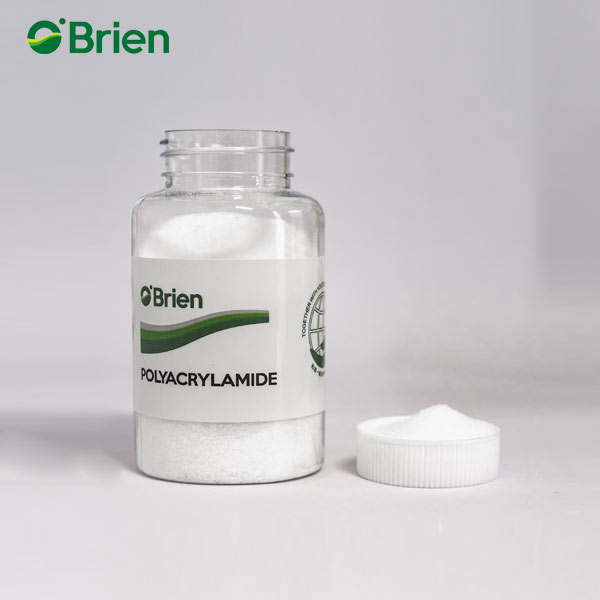
Polyacrylamide (PAM) [CAS No. 9003-05-8] is a linear, water-soluble high-polymer compound synthesized from acrylamide monomers ($[-CH_2-CH(CONH_2)-]_n$). Depending on the chemical modifications incorporated into the polymeric chain backbone during polymerization, PAM manifests across four distinct ionic classifications: Cationic (CPAM), Anionic (APAM), Nonionic (NPAM), and Amphoteric/Mannich modified types. Each configuration serves specialized operational windows across industrial effluent streams, mineral slurries, and municipal municipal sludge regimes.
| Polymer Type | Ionic Charge Range | Molecular Weight (MW) Range | Primary Industrial Application Mechanics |
|---|---|---|---|
| Cationic Polyacrylamide (CPAM) | 5% – 80% (Charge Density) | 6 Million – 15 Million Daltons | Sludge dewatering, belt filter presses, centrifuges, organic sludge neutralization, municipal wastewater flocculation. |
| Anionic Polyacrylamide (APAM) | 5% – 60% (Hydrolysis Degree) | 8 Million – 25 Million Daltons | Inorganic suspended solids settling, mineral processing, tailings dewatering, tertiary wastewater treatment, EOR oil extraction. |
| Nonionic Polyacrylamide (NPAM) | Neutral (0% – 5%) | 3 Million – 12 Million Daltons | Acidic wastewater clarification, mineral leaching, soil stabilization, specialized paper pulp filtration aids. |
| Mannich / Amphoteric PAM | Dual Cationic/Anionic | 4 Million – 10 Million Daltons | Complex industrial effluents, refractory sludge dewatering, high-salinity industrial wastewater treatment. |
The operational efficiency of wholesale flocculants relies on two key physical-chemical mechanisms: charge neutralization and macromolecular bridging.
In municipal sewage or biological sludge, suspended solids carry negative surface electrostatic charges ($\zeta$-potential) that cause particle repulsion and maintain colloidal stability. Cationic Polyacrylamide (CPAM) delivers positively charged quaternary ammonium sites that adsorb onto colloidal surfaces, reducing electrostatic repulsion and destabilizing the suspension. Once destabilized, the long polymer chains stretch across water molecules, capturing multiple particles simultaneously via polymeric bridging to create dense, fast-settling micro-flocs.
Conversely, for inorganic suspensions abundant in metal oxides, silica, or clays—such as coal washing slurry or mining tailings—Anionic Polyacrylamide (APAM) leverages high molecular weight backbones. Hydrogen bonding and ionic site interaction bind the polymer to inorganic surfaces, creating heavy macro-flocs capable of rapid phase separation in thickeners and clarifiers.
Tailored chemical dosing regimes and custom polymer formulations designed to optimize operational throughput across primary global industries.
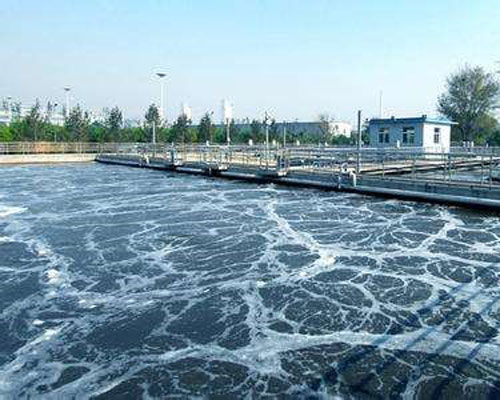
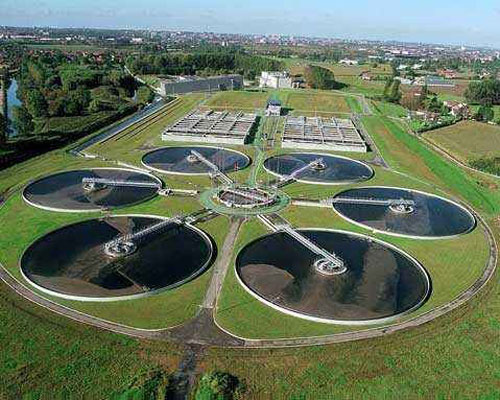
Essential for municipal sewage treatment, industrial effluent clarification, and sludge dewatering. Highly effective in belt presses, screw presses, decanter centrifuges, and DAF (Dissolved Air Flotation) systems to minimize cake moisture and maximize clarity.
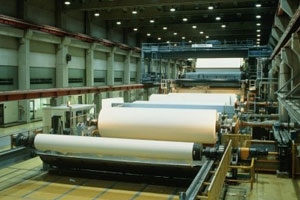
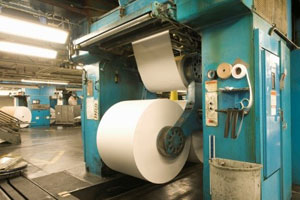
Functions as a high-performance retention aid, drainage agent, and wet/dry strength additive. Improves short-fiber and filler retention, neutralizes anionic trash, reduces raw material loss, and enhances white water recycling.
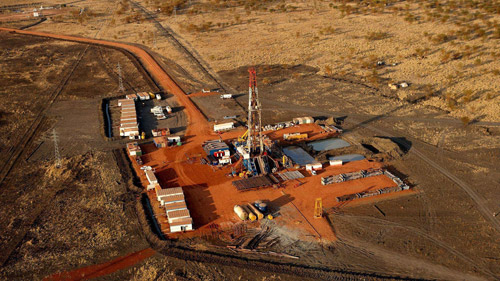
Widely utilized in Enhanced Oil Recovery (EOR) as a mobility control agent, drilling fluid viscosity modifier, shale inhibitor, and profile control/plugging agent. Provides high thermal stability and shear resistance.
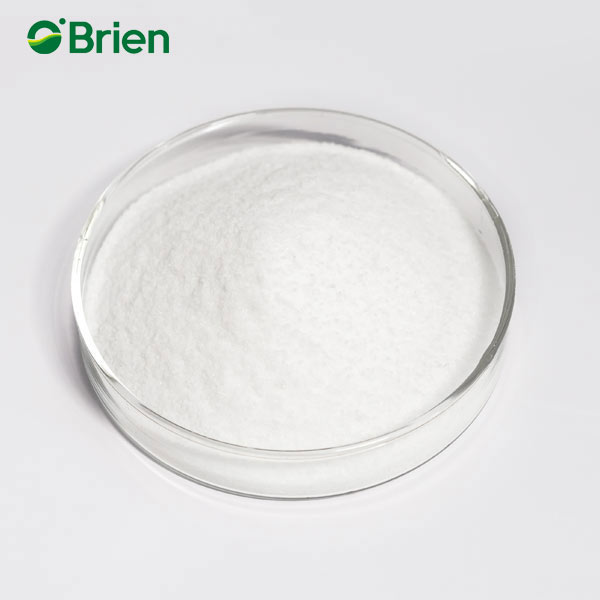
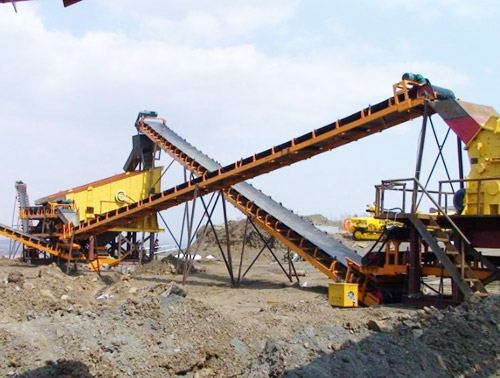
Accelerates solid-liquid filtration, centrifugation, and thickening in mineral slurry processing for gold, silver, iron, copper, nickel, alumina, and coal tailings dewatering.

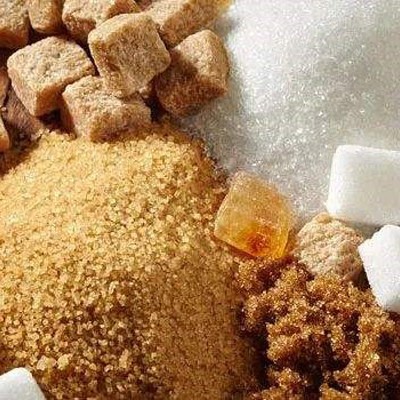
Specialized food-grade flocculants designed for sugar juice clarification, mud settling, and syrup flotation. Enhances juice clarity, decreases turbidity, and optimizes evaporation efficiency.
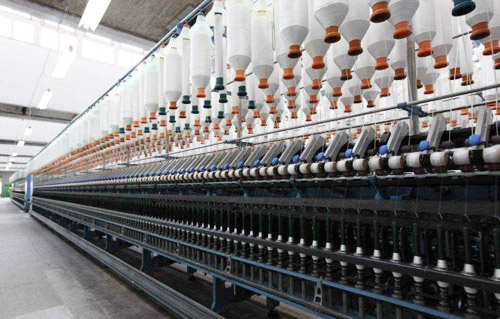
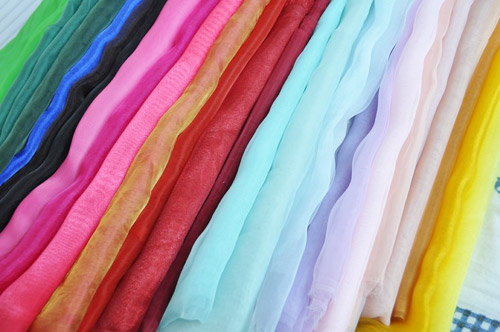
Functions as a warp sizing agent, textile finishing auxiliary, and decoloring flocculant for high-COD, high-color textile dyeing wastewater decolorization and solid precipitation.
Uncompromising dedication to quality assurance, advanced bio-technological polymerization, and global logistics execution.
Qingdao OUBO Chemical Co., Ltd. is a global leader in Polyacrylamide production. Utilizing patented bio-catalytic methods, we invest heavily in R&D annually to maintain technical leadership.
Global supply chain backed by top-tier suppliers like SINOPEC and Eni. Automated production lines operated under ISO9001, with every batch tested 3 times by QC prior to dispatch.
With deep manufacturing expertise, we offer high quality at competitive pricing. Technical teams participate in pre-sales analysis, jar testing, and field support.
End-to-end technical engagement guarantees proper product selection, optimized dosage rates, equipment integration, and ongoing operational troubleshooting.
Customized packaging options engineered to preserve moisture integrity, ensure long shelf life, and comply with global transport standards.
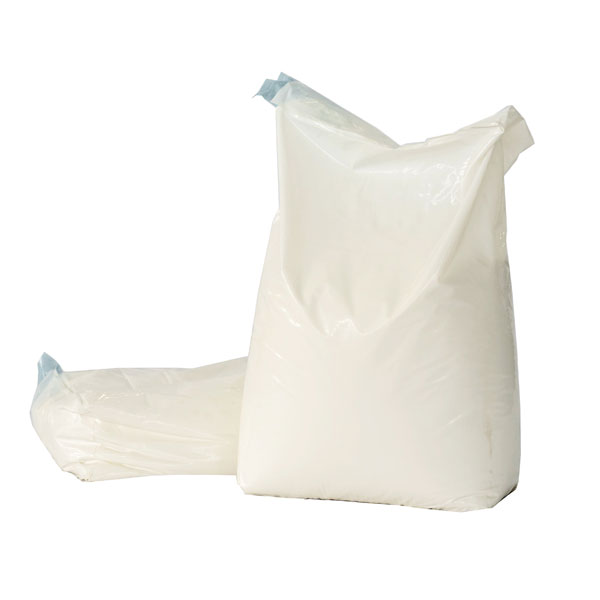
25kg multi-wall paper-plastic composite bags without print for custom re-labeling.
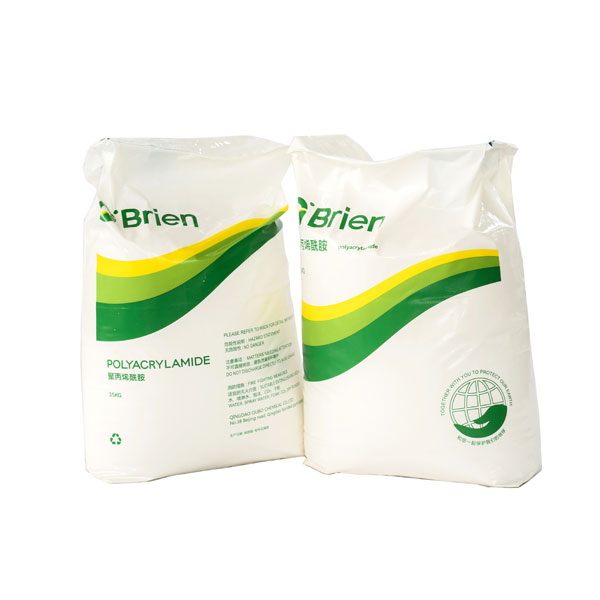
Standard 25kg export bags featuring full technical specification, batch coding, and chemical safety marks.
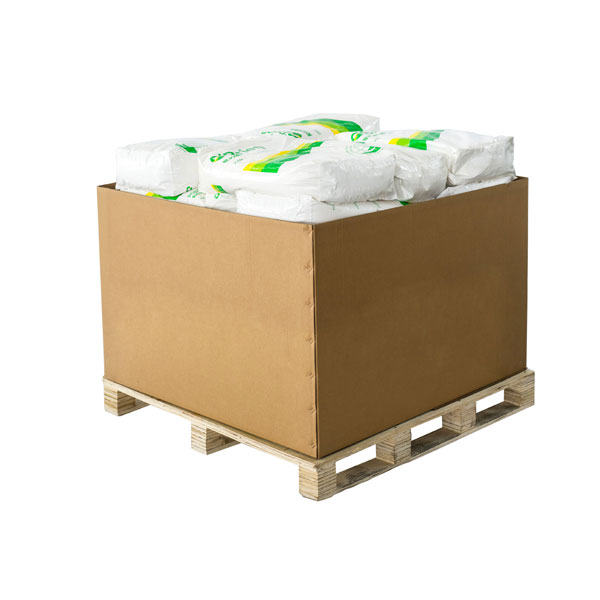
750kg – 1000kg FIBC Jumbo bags designed for high-volume automated plant feeding systems.
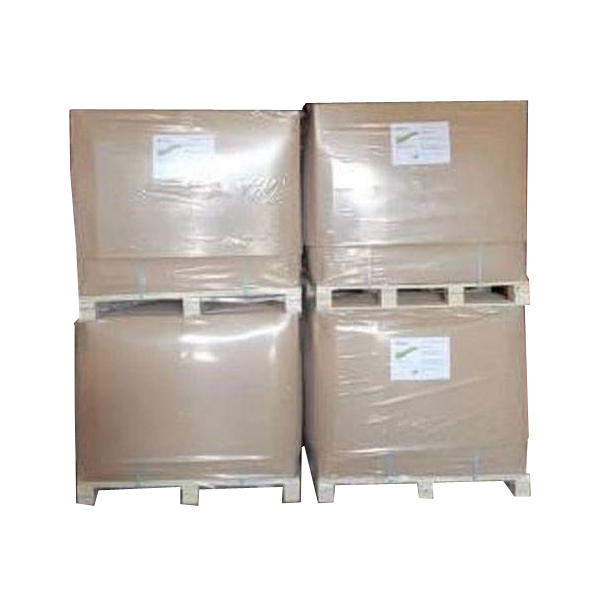
Fumigated wooden or plastic pallets fully wrapped with protective film for ocean container stability.
Driving the transition toward sustainable water chemistry through bio-based monomers, ultra-high MW polymers, and automated dosing systems.
Accelerating R&D into bio-monomers derived from renewable agricultural feedstocks, reducing petroleum dependency while lowering product carbon footprints without sacrificing flocculation kinetics.
Integrating real-time turbidity, zeta potential, and flocs image sensor feedback loops into smart dosing units, dynamically adjusting polymer feed to minimize waste and cut operational costs.
Pioneering controlled linear block polymerization to push molecular weights past 30 Million Daltons, delivering unmatched dewatering rates in high-shear centrifuges.
Answers to common engineering, procurement, and application questions for technical directors and procurement leaders.
Browse our full lineup of specialized anionic, cationic, and non-ionic polymer grades engineered for high-volume wholesale requirements.
 Oubo Chemical