Engineered for rapid solid-liquid separation, high shear stability, and precise charge neutralization.
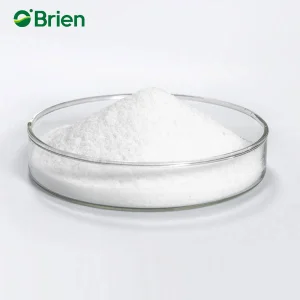
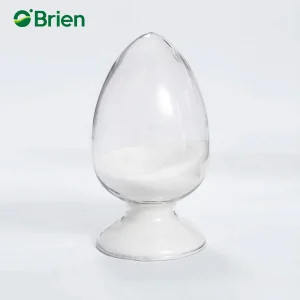
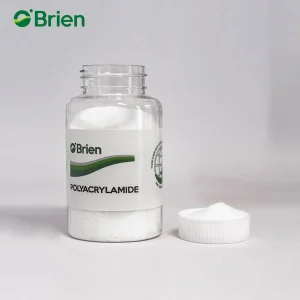
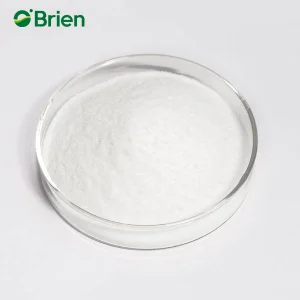
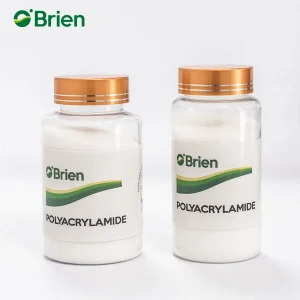
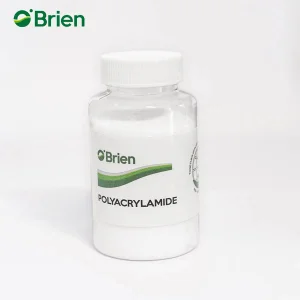
Polyacrylamide (PAM), designated under CAS Registry Number 9003-05-8, represents a critical class of synthetic, water-soluble high-molecular-weight polymers synthesized from acrylamide monomers. As industrial wastewater discharge standards tighten globally under environmental directives such as the EU Water Framework Directive and US EPA Clean Water Act, the global procurement landscape for wholesale flocculant polyacrylamide requires precise chemical selection, strict purity parameters, and verified manufacturing traceability.
Established in 2011 within the Free Trade Zone of Qingdao, China, Qingdao Oubo Chemical Co., Ltd. has evolved into a premier worldwide manufacturer and supplier of water-soluble polymers. By leveraging an advanced bio-catalytic monomer synthesis method, Oubo Chemical produces ultra-high molecular weight polyacrylamide solutions that outpace traditional chemical polymerization methods in purity, ionic stability, and environmental sustainability.
Oubo Chemical’s annual production capacity surpassed 50,000 Metric Tons in 2018. Backed by ISO 9001:2008 certification, direct feedstock integration with global petrochemical leaders like SINOPEC and Eni, and an annual R&D investment of over €2,000,000, Oubo delivers technical compliance and consistent batch-to-batch quality across all ionic variants.
Polyacrylamide functions primarily via two biochemical/physical mechanisms: Charge Neutralization and Polymer Bridging. The active polymer chains extend into solution, binding suspended fine particulate matter and forming heavy, rapidly settling macro-flocs. PAM is manufactured into four main ionic categories, each optimized for specific slurry matrices:
Formulated by copolymerizing acrylamide with cationic monomers such as DAC (Acryloyloxyethyltrimethyl ammonium chloride) or DMAEMA. CPAM carries a strong positive charge density (10% - 80%), making it the premier choice for neutralizing negatively charged organic sludge in municipal sewage plants, textile dyeing effluent, and slaughterhouse waste.
Produced via copolymerization with acrylic acid or through partial hydrolysis of polyacrylamide (HPAM). Featuring an anionicity ranging from 5% to 60% and ultra-high molecular weight (up to 25 Million Da), APAM excels at flocculating inorganic mineral suspensions, sand washing runoff, metallurgy wastewater, and coal tailings.
Formed pure polyacrylamide without ionic functional groups. NPAM relies on strong hydrogen bonding between its amide groups (-CONH2) and suspended solid surfaces. It provides exceptional stability in acidic wastewater streams, metal leach liquors, and highly complex chemical media where ionic polymers precipitate prematurely.
Selecting the optimal polyacrylamide grade depends on slurry pH, solid concentration, particle surface charge (Zeta potential), and dewatering equipment (e.g., belt filter press, decanter centrifuge, or chamber plate filter press).
| Polymer Grade | Ionic Type | Molecular Weight (Million Da) | Degree of Hydrolysis / Charge | Solid Content (%) | Primary Industrial Application |
|---|---|---|---|---|---|
| Oubo CPAM Series | Cationic | 8.0 - 14.0 | 10% - 80% Charge Density | ≥ 88% | Municipal Sludge Dewatering, Textile Dyeing, Paper Retention |
| Oubo APAM High MW | Anionic | 16.0 - 25.0 | 20% - 40% Hydrolysis | ≥ 88% | Coal Washing, Petrochemical Effluent, Metallurgical Tailings |
| Oubo NPAM Acid-Resistant | Nonionic | 6.0 - 12.0 | 0% - 3% Hydrolysis | ≥ 89% | Acidic Industrial Effluent, Hydrometallurgy, Phosphoric Acid |
| Oubo EOR Grade APAM | Anionic (HPAM) | 18.0 - 30.0 | 25% - 35% Hydrolysis | ≥ 90% | Enhanced Oil Recovery (EOR), Polymer Flooding, Fracturing |
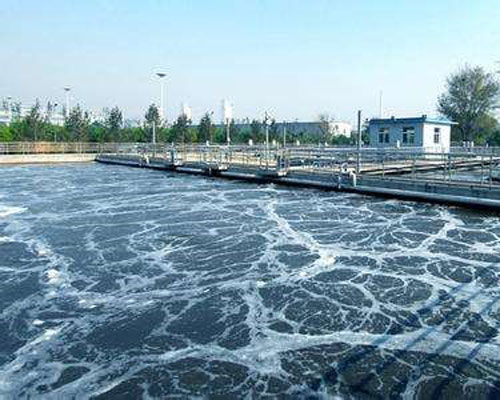
Oubo Polyacrylamide acts as a high-performance coagulant aid and flocculant in solid-liquid separation processes including sedimentation, clarification, and sludge dewatering. It dramatically reduces Total Suspended Solids (TSS), Chemical Oxygen Demand (COD), and turbidity in municipal sewage plants, leather tanneries, and pharmaceutical wastewater facilities.
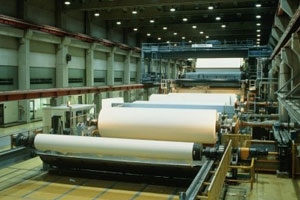
In wet-end papermaking operations, Oubo PAM serves as a retention agent, drainage aid, and dry/wet strength enhancer. It retains short fibers, titanium dioxide, and calcium carbonate fillers while neutralizing anionic trash in recycled pulp streams, ultimately raising machine speeds and reducing pulp consumption costs.
Utilized as a mobility control agent in polymer flooding for Enhanced Oil Recovery (EOR). High MW anionic PAM increases water phase viscosity, improves sweep efficiency in oil reservoirs, and acts as a friction reducer, shale inhibitor, and fluid loss control agent in hydraulic fracturing and drilling fluids.

Critical for tailing treatment, concentrate filtration, and closed-circuit water recycling in coal washing, gold, copper, iron, alumina, and nickel processing. Accelerates fine solids settling in thickeners and yields high cake dryness in filtration equipment.
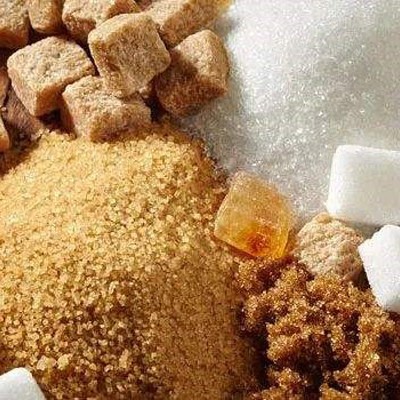
Specially synthesized anionic polyacrylamide additives facilitate fast clarification and flotation of raw sugarcane and sugar beet juices, promoting high sucrose purity and rapid mud settling without leaving harmful chemical residues.
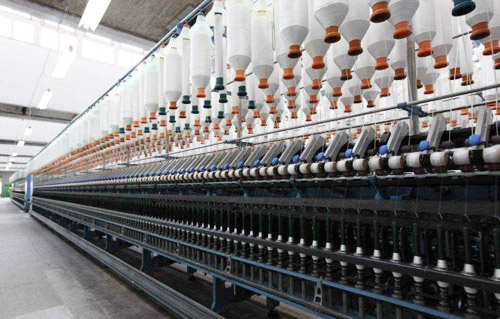
Functions as a textile sizing agent to form a smooth, protective film over yarns, reducing break rates on high-speed looms. In dyeing wastewater streams, cationic polyacrylamide coagulates unreacted dye molecules and heavy metal complexes.
Oubo Chemical utilizes proprietary microbiological methods to convert acrylonitrile into acrylamide monomer. Unlike conventional copper-catalyzed methods, bio-catalysis produces high-purity monomer free from copper ions and secondary impurities, allowing the synthesis of polymers with ultra-high molecular weight (>25 Million Da) and superior stability.
Strategic chemical feedstocks are procured directly from tier-one global chemical leaders including SINOPEC and Eni. Located strategically within the Free Trade Zone of Qingdao Port, China, Oubo guarantees seamless global shipping logistics, zero supply disruption, and direct port customs efficiency.
Our quality control system operates in full accordance with ISO 9001:2008 standards. Every individual production batch undergoes a 3-stage inspection: raw material mass spectrometry testing, polymerization reaction monitoring, and final powder mesh size/viscosity/dissolution rate testing before release.
Our technical team of chemical engineers provides end-to-end support for international clients—from initial laboratory Jar Testing and chemical selection to on-site plant dosage optimization and after-sales process adjustment.
To preserve chemical active content and prevent moisture absorption, Oubo Chemical offers multi-layer reinforced packaging tailored for long-distance maritime transport.
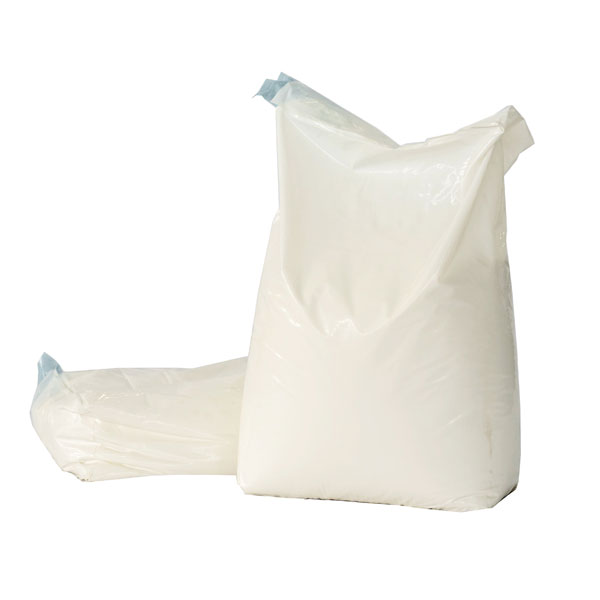
Custom OEM/Unbranded 25kg PE-lined inner bags for distributors.
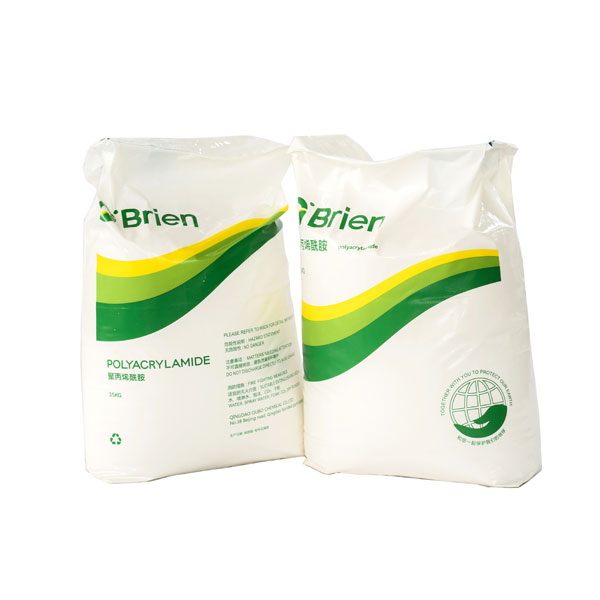
Heavy-duty 25kg Kraft paper bag with internal polyethylene film layer.
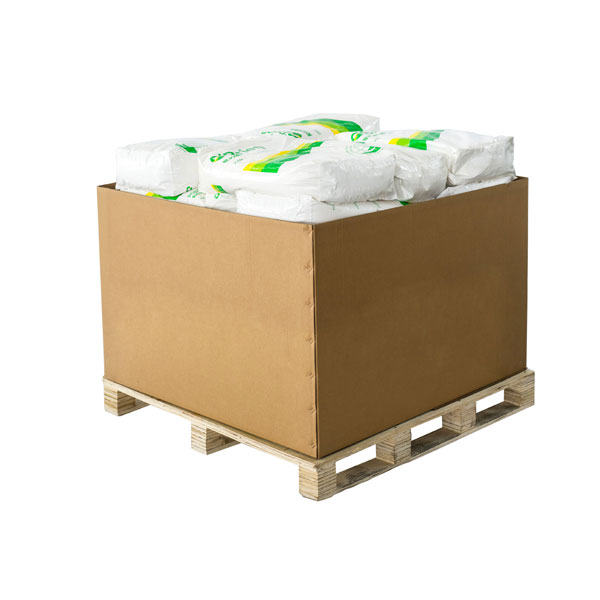
750kg - 1000kg FIBC Ton Bags for high-volume automated feeding systems.
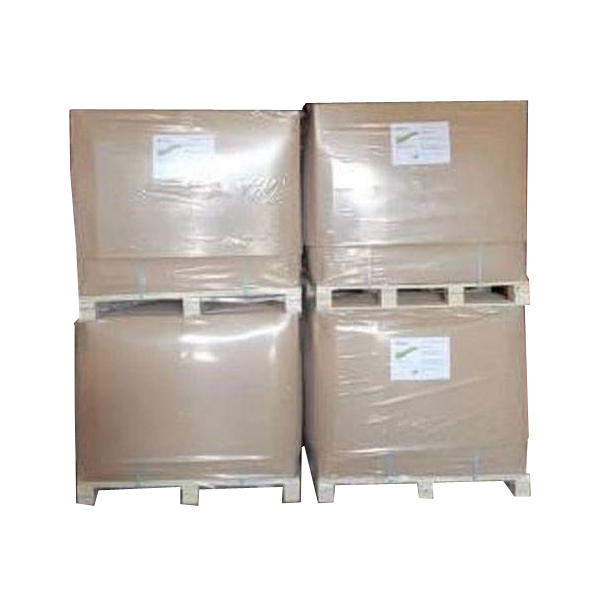
Fumigated wooden/plastic pallets with multi-layer moisture-proof shrink wrap.
Explore specialized PAM formulations engineered for Petrochemicals, Mining, Paper Dry-Strength, and Sugar Processing.
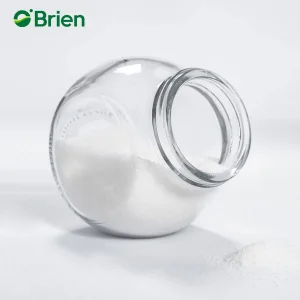
The correct ionic charge depends on the surface charge of the suspended solids in your wastewater or slurry (measured via Zeta Potential). As a general rule: Organic sludges (such as biological municipal sludge, food processing, or textile wastewater) carry strong negative charges and require Cationic PAM (CPAM). Inorganic suspensions (mining tailings, sand washing, neutral mineral slurries) respond best to Anionic PAM (APAM). Highly acidic effluent or complex chemical solutions react best with Nonionic PAM (NPAM). We strongly recommend performing a Jar Test before placing bulk orders.
Polyacrylamide dry powder must be dissolved in clean water at a concentration between 0.1% and 0.3% (w/v). Ensure water temperatures are between 10°C and 40°C. Add the polymer powder gradually while maintaining steady mechanical agitation (200 - 400 RPM) to prevent the formation of undissolved agglomerates ("fish eyes"). Dissolution typically requires 45 to 60 minutes of continuous mixing.
Traditional synthesis uses copper catalysts, which leave trace heavy metals in the acrylamide monomer and limit polymer chain length. Oubo’s patented microbiological bio-catalytic method yields pure monomer without heavy metals or organic side-products, resulting in significantly higher molecular weights (>25 Million Da), faster dissolution, and superior flocculation efficiency at lower chemical dosages.
Dry powder polyacrylamide has a shelf life of 24 months when stored in original unopened packaging in a cool, dry, and well-ventilated warehouse away from direct sunlight and humidity. Once diluted into an aqueous working solution, CPAM solutions should be consumed within 24 hours, while APAM solutions remain stable for up to 48 hours.
Yes. Oubo Chemical’s technical R&D facility customizes molecular weight (from 4 Million to 30 Million Da) and charge density (from 5% to 80%) to match client municipal or industrial tender requirements. We provide free bench-scale sample testing and tailored lab analysis prior to commercial contracts.
Operating within the Free Trade Zone of Qingdao Port, Oubo provides complete export documentation including COA (Certificate of Analysis), SDS (Safety Data Sheet), ISO9001 certificate, REACH registration, and Bill of Lading. We offer FOB, CIF, DDP, and CFR terms to over 80 countries worldwide.
 Oubo Chemical