Engineered for rapid solid-liquid separation, superior water clarification, and efficient sludge dewatering across global industrial facilities.
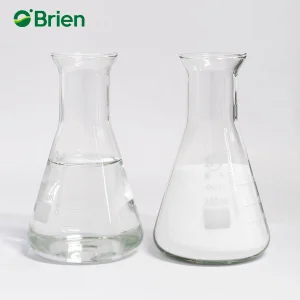
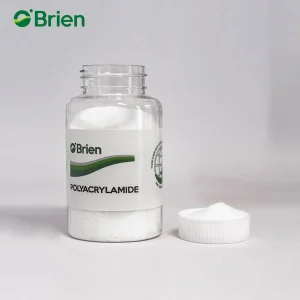
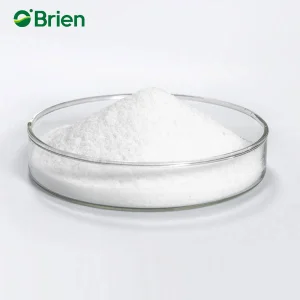
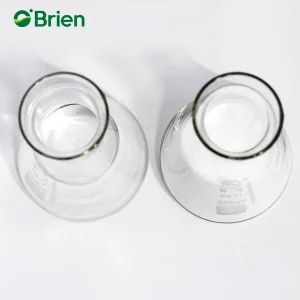
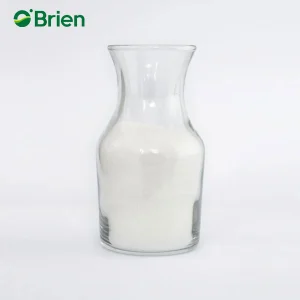
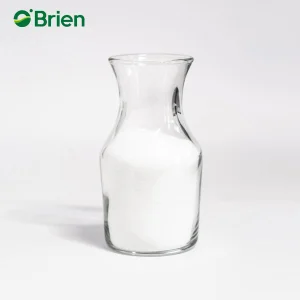
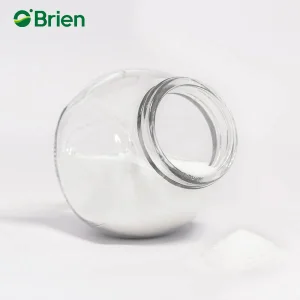
A comprehensive analysis of synthetic resin polymer chemistry, charge densities, and molecular weight customization for high-stress industrial applications.
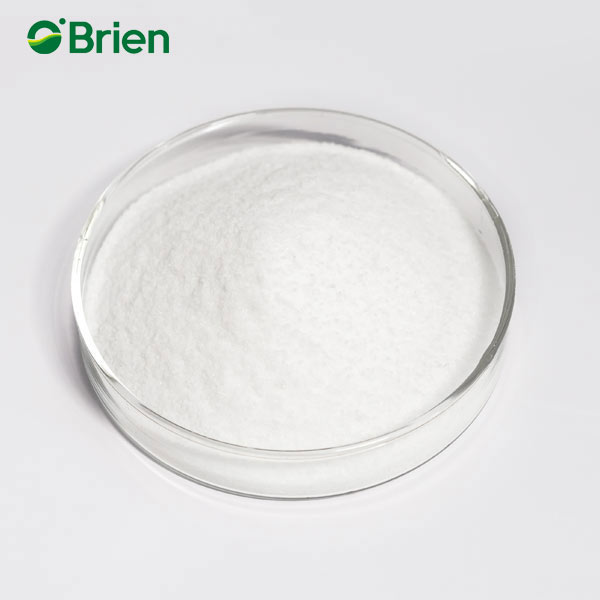
Polyacrylamide (PAM) (CAS Registry Number 9003-05-8) represents one of the most versatile synthetic linear water-soluble polymers utilized in global heavy industry. Formed through the free-radical polymerization of acrylamide monomers ($CH_2=CH-CONH_2$), PAM exhibits an array of physical properties governed primarily by two core parameters: Molecular Weight (MW) and Ionic Charge Density.
As a premier Wholesale Flocculant PAM Supplier & Factory, Qingdao Oubo Chemical Co., Ltd manufactures specialized polymer matrices categorized into four main chemical configurations: Anionic Polyacrylamide (APAM), Cationic Polyacrylamide (CPAM), Nonionic Polyacrylamide (NPAM), and Mannich-base modified Polyacrylamide. The fundamental mechanism of PAM in liquid-solid separation relies on two primary physical-chemical phenomena: charge neutralization and polymer bridging.
Copolymerized with acrylic acid monomers, APAM exhibits a negative charge density ranging from 5% to 80%. It excels in binding positively charged inorganic suspended solids through electrostatic attraction and massive polymer chain bridging. Ideal for mineral processing, municipal water clarification, and paper strength enhancement.
Synthesized via copolymerization with cationic monomers such as DAC or ADAM-MC, CPAM features a positive functional charge (10%–80%). Designed to neutralize negatively charged organic colloids, it is the industry standard for organic sludge dewatering in municipal sewage, food processing, and textile dyeing facilities.
Composed of pure acrylamide homopolymer chains with minimal ionic functionality, NPAM relies predominantly on hydrogen bonding for flocculation. It offers unmatched stability in highly acidic wastewater streams, clay-rich tailing slurry separation, and specialized oilfield fluid rheology modification.
| Polymer Type | Molecular Weight (Million Da) | Charge Density / Hydrolysis | Dissolution Time (Mins) | Primary Target Application |
|---|---|---|---|---|
| Anionic PAM (APAM) | 6 - 25 Million | 10% - 60% Hydrolysis | ≤ 60 mins | Industrial Wastewater, Coal Washing, EOR, Paper Mill Water |
| Cationic PAM (CPAM) | 5 - 15 Million | 10% - 80% Cationicity | ≤ 45 mins | Municipal Sludge Dewatering, Belt Press, Centrifuge Filtration |
| Nonionic PAM (NPAM) | 3 - 12 Million | 0% - 5% Charge | ≤ 90 mins | Acidic Industrial Effluents, Soil Stabilization, Mineral Leaching |
| Super High MW APAM | 20 - 30 Million | 20% - 35% Hydrolysis | ≤ 90 mins | Tertiary Oil Recovery (EOR), High-Speed Tailings Thickening |
Oubo Chemical Co., Ltd was established in 2011, strategically situated within the Free Trade Zone of Qingdao, China. Over more than a decade of focused polymer innovation, Oubo has maintained a strict and comprehensive QC management system, achieving a steady business growth rate of over 10% annually.
Qingdao Oubo Chemical Co., Ltd is deeply committed to technical excellence, global client service, and environmental stewardship during large-scale polymer synthesis. Utilizing patented biological enzymatic catalysis methods, Oubo manufactures high-purity Polyacrylamide powders with extremely low residual acrylamide monomer (AM ≤ 0.05%), ensuring unmatched safety and stability.
In 2018, Oubo’s annual production capacity surpassed 50,000 Metric Tons. Certified under ISO 9001:2008 quality management standards, our brand O'brien is recognized by chemical procurement directors across North America, Europe, the Middle East, and Southeast Asia.
Leveraging upstream chemical integration, advanced logistics infrastructure, and unmatched economies of scale.
China produces over 60% of the world’s Acrylonitrile (AN), the direct chemical precursor for Acrylamide monomer (AM). This direct access guarantees uninterrupted raw material availability and insulates global buyers from drastic price fluctuations seen in other regional markets.
Located inside the Free Trade Zone of Qingdao, Oubo Chemical benefits from direct access to one of the largest deep-water container ports globally. This location allows for rapid container staging, streamlined export customs clearance, and reduced inland freight overhead.
Chinese manufacturers excel at precise molecular engineering. Whether clients require ultra-high viscosity for Enhanced Oil Recovery (EOR) or specialized low-monomer powder for potable water treatment, our facilities quickly adjust copolymer ratios and charge distributions to match precise specifications.
Deploying specialized PAM polymers across primary industrial sectors to maximize yield, optimize water recovery, and satisfy environmental discharge standards.
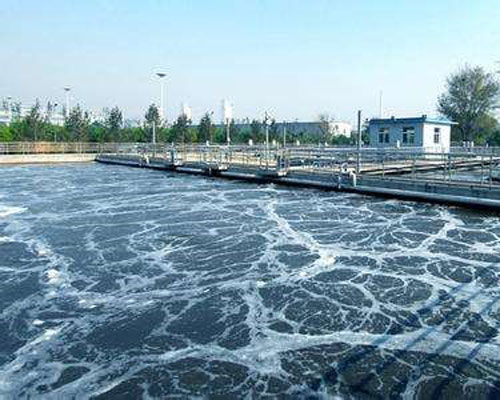
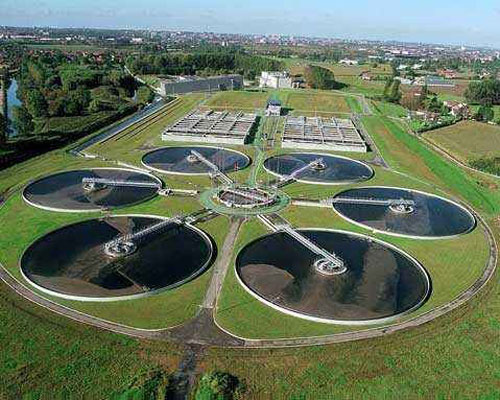
As a high-performance flocculating agent, PAM is central to solid-liquid separation processes, including primary clarification, sedimentation, and mechanical sludge dewatering (belt filter presses, centrifuges, and plate-and-frame filter presses). Strict environmental regulations mandate high water recovery rates. Cationic PAM effectively neutralizes negatively charged organic sludge particles in municipal sewage, leather manufacturing effluents, citric acid production, and vegetable protein extraction.
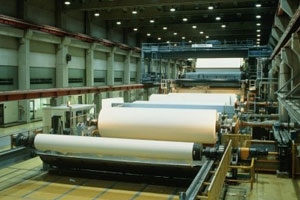
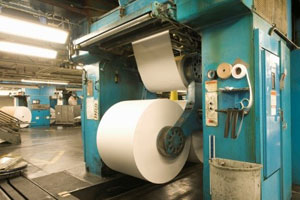
In the paper industry, PAM functions as a retention aid, drainage agent, dry/wet strength additive, and white water clarifier:
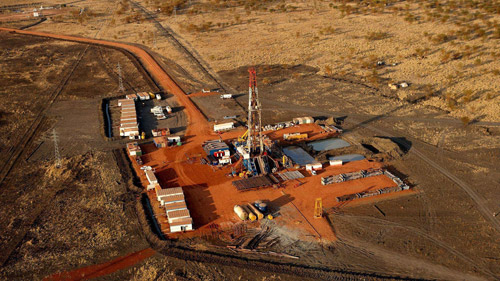
Polyacrylamide plays a critical role in upstream petroleum exploration. It acts as a fluid loss control agent, shale inhibitor, friction reducer in hydraulic fracturing, and mobility control polymer in Enhanced Oil Recovery (EOR). High MW APAM increases water phase viscosity to push residual crude oil out of depleted reservoir formations, significantly expanding field extraction lifespans.

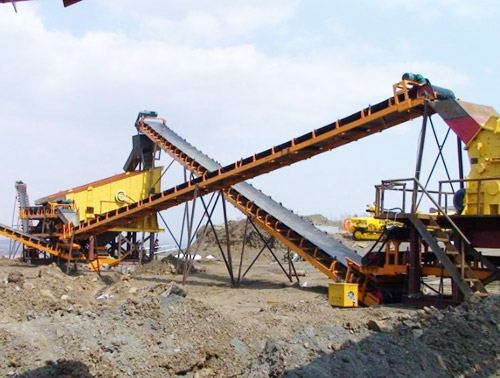
In mining operations, PAM polymers accelerate solid-liquid separation in coal washing, mineral leaching, and tailings thickening. Rapid settling of fine particulates enables clean water recycle back into closed-loop processing circuits. Specialized nonionic and anionic polymers provide exceptional performance across gold, silver, iron, copper, alumina, and nickel refining plants.
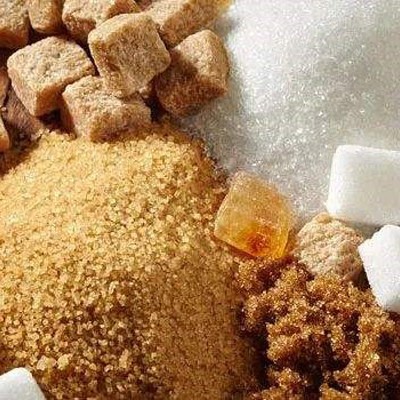
APAM polymers accelerate sugarcane and sugar beet juice clarification and flotation, filtering out impurities to yield higher sugar purity and crystal clarity.
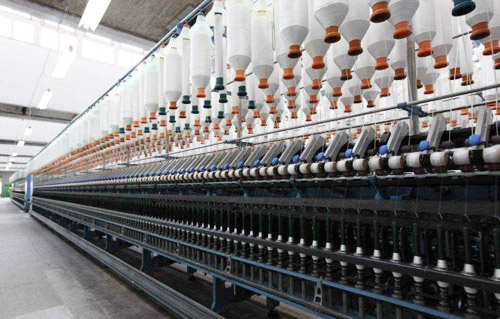
Functions as a sizing agent, fabric finishing treatment, and high-efficiency decolorizing flocculant for complex dye house wastewater discharge.
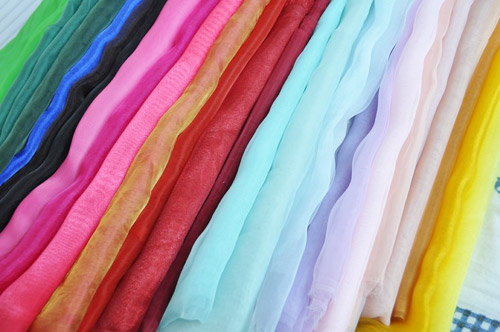
Enhances soil aggregation, retains moisture, prevents surface crusting, and reduces irrigation runoff erosion in aridity-stressed agricultural zones.
Multi-layer moisture-proof packaging configurations engineered for international sea freight and long-term storage stability.
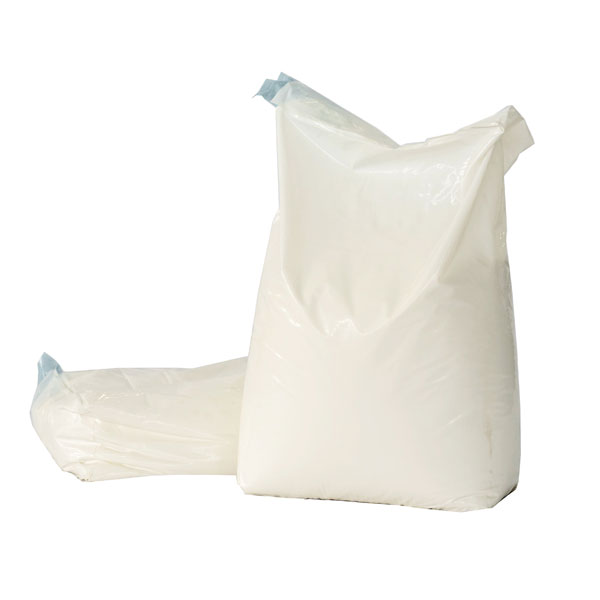
25kg Kraft paper bags with inner PE moisture liner. Ideal for chemical distributors seeking neutral unbranded packaging for local resale.
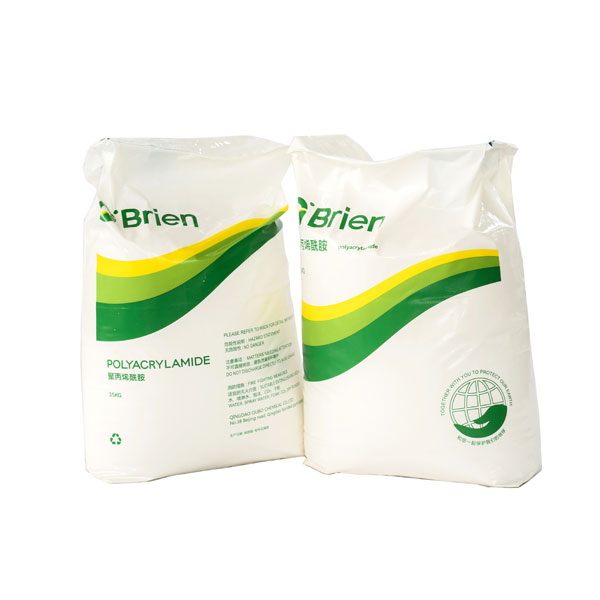
Standard factory branded 25kg valve bags printed with product designation, lot code, batch number, and UN safe handling symbols.
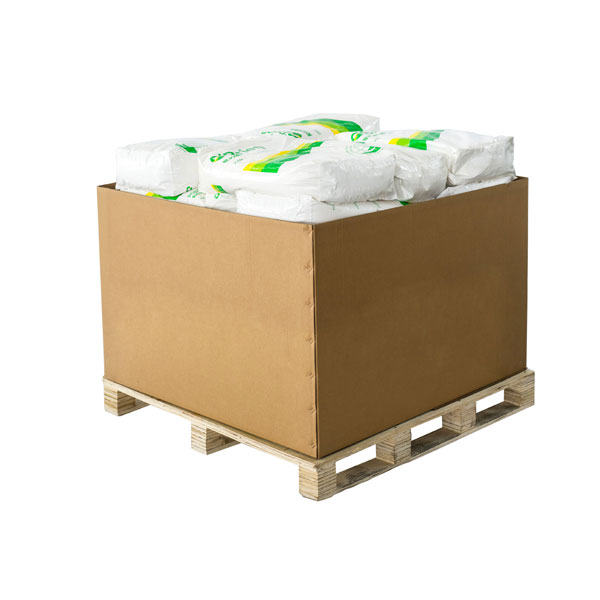
750kg – 1000kg FIBC heavy-duty jumbo bags designed for high-capacity continuous dissolution systems in mining and petroleum facilities.
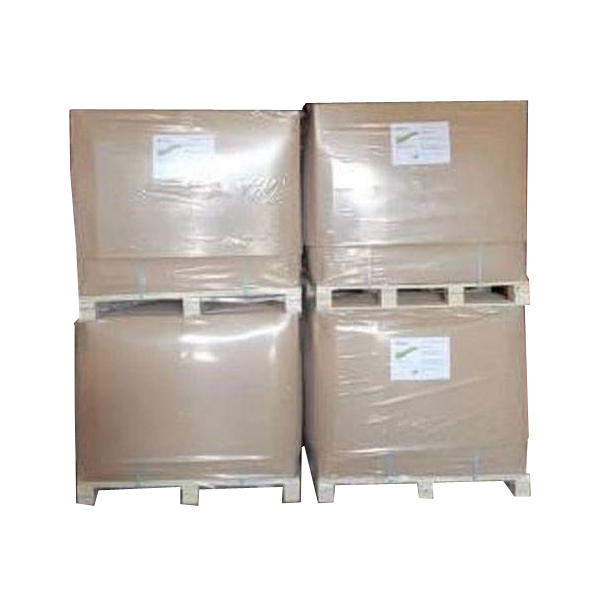
ISPM-15 fumigated wooden pallets or plastic pallets, shrink-wrapped with protective corner boards to ensure complete sea container stability.
Advancing eco-friendly bio-based synthesis, high-temperature stability, and smart automated dosing systems.
The global chemical industry is shifting away from traditional copper-catalyzed acrylamide synthesis toward third-generation enzymatic biocatalysis. Biological transformation yields higher purity monomers, eliminates heavy metals, and dramatically lowers carbon emissions during polymer synthesis.
As deep-reservoir oil exploration and severe tailing dewatering become more demanding, PAM polymers exceeding 25 to 30 Million Da molecular weight are increasingly required. These polymers exhibit extreme shear stability and thermal resistance up to 95°C.
Modern industrial wastewater facilities are pairing high-purity PAM dry powders with automated continuous dissolution units featuring online turbidity and zeta potential sensors. This real-time feedback loop optimizes chemical dosing, preventing over-dosage and lowering chemical expenditure by up to 20%.
Expert technical insights addressing selection, preparation, dosage, and storage guidelines for enterprise chemical buyers.
Explore specialized cationic, anionic, and nonionic PAM grades for paper making, sewage processing, and mining tailings.
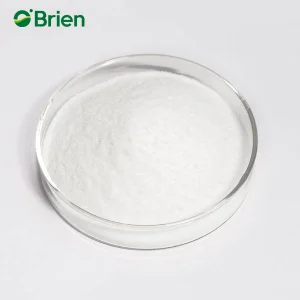
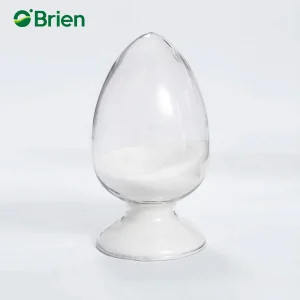
Our team of chemical engineers and polymer specialists is available to provide complimentary lab jar testing, custom charge density tailoring, and container-load FOB/CIF quotes from Qingdao FTZ.
Request Technical Data & Quote Oubo Chemical