Next-Generation Bio-Polymer Engineering, High-Purity Synthetics & End-to-End Global Supply Chain Optimization for Wastewater, Energy, Mining, and Paper Industries
Engineered for Rapid Solid-Liquid Separation, Sludge Dewatering & Complex Water Matrices
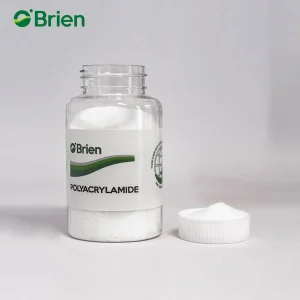
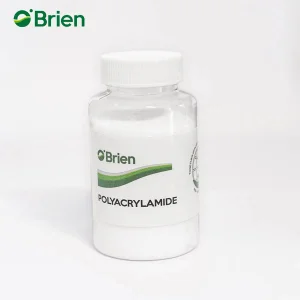
A Comprehensive Technical Whitepaper on Water-Soluble Polymers, Ionic Variations, and Polymer Dynamics
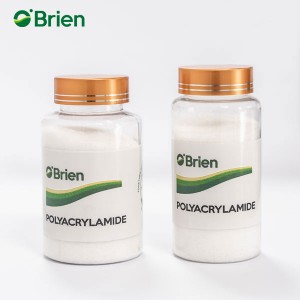
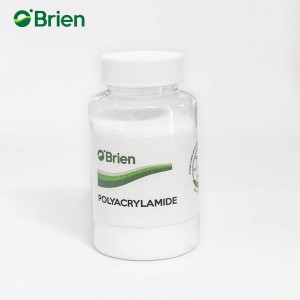
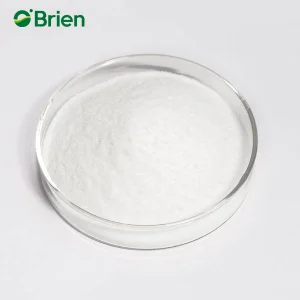
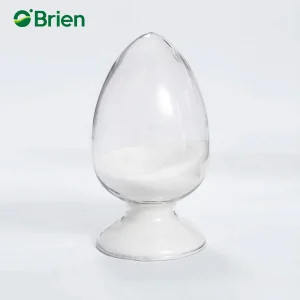
Polyacrylamide (PAM) is a high-molecular-weight synthetic resin prepared through the polymerization of acrylamide monomers ($C_3H_5NO$). In modern industrial chemistry, PAM represents the primary standard for water-soluble polymers utilized in solid-liquid separation processes, colloidal destabilization, rheology modification, and hydrodynamic friction reduction. Available primarily in granulate powder, emulsion, and liquid formats, Polyacrylamide operates via two fundamental chemical mechanisms: charge neutralization and macromolecular bridging.
Qingdao Oubo Chemical Co., Ltd. leverages patented biological enzymatic methods to convert acrylonitrile to acrylamide monomer. Unlike conventional chemical copper-catalysts, enzymatic synthesis operates at mild temperatures, yielding ultra-high purity monomer with minimal acrylic acid impurities and residual free acrylamide content guaranteed below 0.05% (500 ppm). This ensures higher molecular weight thresholds (reaching up to 25 Million Daltons) and superior linear polymer chain regularity.
The operational efficiency of polyacrylamide depends directly on its molecular weight (MW), charge density (ionicity), and chemical conformation. Oubo Chemical synthesizes four primary ionic classifications tailored to specific effluent chemistries:
Produced via the copolymerization of acrylamide and sodium acrylate monomers. APAM exhibits a negative charge density ranging from 5% to 50% and molecular weights up to 25 Million Da. Highly effective in treating positively charged inorganic suspensions such as sand washing wastewater, mining tailings, and metallurgical processing effluents.
Formulated through the copolymerization of acrylamide with cationic monomers such as DAC (Dimethylaminoethyl Acrylate Methyl Chloride) or DMC. CPAM features positive charge densities from 10% to 80% (CAS 9003-05-8), making it indispensable for organic-rich municipal sewage sludge, food processing waste, and biological sludge dewatering.
Composed of homopolymerized acrylamide featuring non-ionic amide side groups. NPAM operates predominantly via hydrogen bonding and polymer chain bridging rather than charge attraction. It demonstrates extreme chemical stability across acidic media, making it optimal for acidic industrial wastewater and mineral leaching.
Selecting the optimal polymer configuration requires matching effluent colloidal properties, Zeta Potential, pH, and hydraulic shear conditions. The table below outlines technical metrics across Oubo's product lines:
| Polymer Type | Ionicity / Hydrolysis Degree | Molecular Weight (Million Da) | Effective pH Range | Primary Industrial Application Target |
|---|---|---|---|---|
| APAM (High MW) | 10% – 40% Hydrolysis | 18.0 – 25.0 | 7.0 – 14.0 | Coal washing tailings, alumina processing, quarry wash water, municipal tertiary treatment. |
| CPAM (Medium-High Charge) | 20% – 60% Cationic Degree | 6.0 – 12.0 | 3.0 – 10.0 | Municipal sludge dewatering (Belt press/Centrifuge), paper retention aid, textile dyeing effluent. |
| NPAM (Acid Resistant) | < 3% Ionic Charge | 8.0 – 15.0 | 1.0 – 8.0 | Acidic wastewater clarification, copper/nickel hydrometallurgy, soil stabilization. |
| Mannich/Amphoteric PAM | Dual Cationic/Anionic Sites | 8.0 – 14.0 | 4.0 – 9.0 | Complex industrial effluents, high-salinity oilfield produced water, papermaking sludge. |
Unlocking Upstream Monomer Integration, Scale Logistics, and Strict ISO Quality Standards
As global environmental regulations push industrial enterprises toward Zero Liquid Discharge (ZLD) and closed-loop water recirculation, procurement managers require absolute reliability in raw chemical supply chains. Operating within the Free Trade Zone of Qingdao, China, Qingdao Oubo Chemical Co., Ltd. stands as a premier manufacturing powerhouse, combining world-class logistics access with deep raw-material integration.
Our raw acrylamide supply chain is anchored by long-term strategic contracts with global energy leaders including SINOPEC and Eni. Direct pipeline and bulk container access guarantees uninterrupted chemical supply and absolute batch-to-batch purity.
Located immediately adjacent to Qingdao Port—one of the largest deep-water shipping hubs in Asia—Oubo Chemical streamlines global export processing. We offer reduced maritime transit times, tariff optimizations, and flexible multimodal logistics.
Our automated continuous polymerization lines feature real-time DCS process monitoring. With an annual capacity surpassing 50,000 Metric Tons, Oubo delivers massive bulk volumes without sacrificing chemical precision.
Established in 2011, Oubo Chemical has achieved a sustained annual growth rate of 10%, powered by an unyielding dedication to product quality, customer-centric technical service, and environmental stewardship. Accredited under ISO 9001:2008 quality management standards, every single batch undergoes rigorous three-stage quality control testing before release.
Qingdao OUBO Chemical Co., Ltd. is a global leader in Polyacrylamide manufacturing. We utilize patented biological methods to synthesize ultra-high-purity polymers, re-investing over €2 Million annually into R&D for advanced molecular innovation.
Global raw material sourcing from SINOPEC and Eni coupled with 100% automated production lines. All products conform strictly to ISO 9001 standards, supported by mandatory 3-stage pre-shipment QC testing.
Over a decade of focused polymer manufacturing expertise. We deliver superior chemical performance at highly competitive wholesale pricing structures designed for high-volume procurement.
Our senior chemical engineers directly support pre-sales effluent analysis, lab jar testing, site trials, dosage optimization, and post-sales technical application consulting worldwide.
Optimized Water-Soluble Polymers Tailored for Diverse Sector Operations
In wastewater clarification and sludge handling, polyacrylamide acts as a high-efficiency solid-liquid separation reagent. As municipal environmental discharge standards become increasingly strict worldwide, facility operators rely on Oubo's specialized PAM range to maximize cake dry solids and minimize filtrate turbidity.
Primary Application Matrix: Urban Sewage Treatment, Leather Tanning Effluent, Paper Mill White Water, Citric Acid Fermentation Waste, Vegetable Protein Extraction, Dyeing & Finishing Plants, Pharmaceutical Residuals, and Incense Processing.
Modern paper machines run at extreme wire speeds, requiring precise chemical addition to control wet-end chemistry. Oubo Polyacrylamide functions across four critical papermaking phases:
In high-salinity, elevated-temperature reservoir conditions, Oubo's partially hydrolyzed anionic polyacrylamide (HPAM) provides superior shear stability and viscosifying power:
Mineral extraction requires processing millions of gallons of slurry daily. Oubo PAM accelerates thickener sedimentation rates and tailing filtration efficiency:
In Sugar Processing, high-purity non-toxic polyacrylamide clarifies raw sugarcane and sugar beet juices, precipitating colloidal impurities to yield sparkling syrups. In the Textile Industry, PAM serves as a high-strength warp sizing agent, fabric finishing stiffener, and a primary flocculant for decoloring high-COD textile dyeing effluents.
Engineered Packaging Options Designed for Maximum Shelf Life and International Freight Safety
Polyacrylamide powder is hygroscopic and requires protective packaging to prevent ambient moisture absorption and agglomeration. Oubo Chemical provides fully customizable packaging compliant with international maritime and air transport security standards:
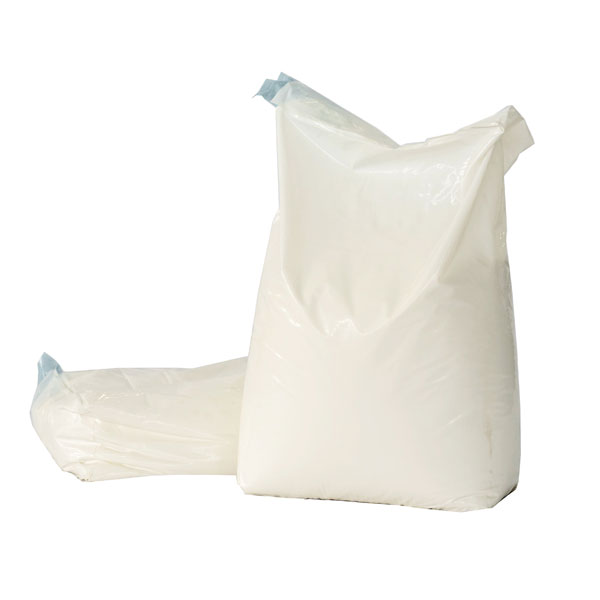
Multi-wall paper bag with inner PE liner for private labeling.
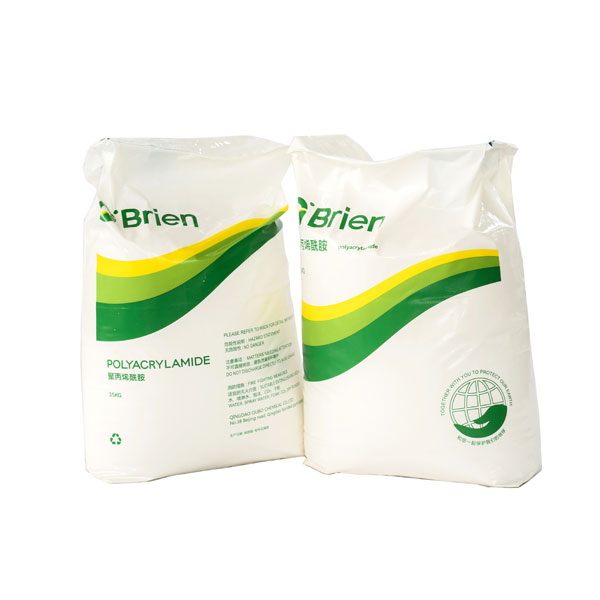
25kg heavy-duty kraft paper bag with moisture-proof barrier.
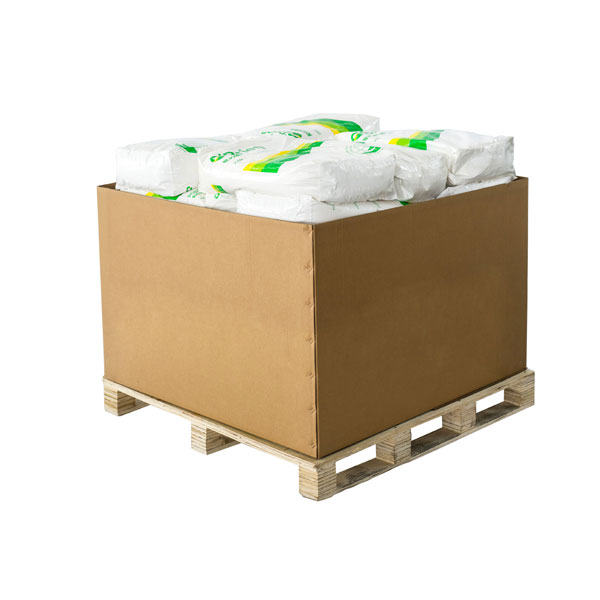
750kg – 1000kg FIBC jumbo bag designed for automated dosing hoppers.
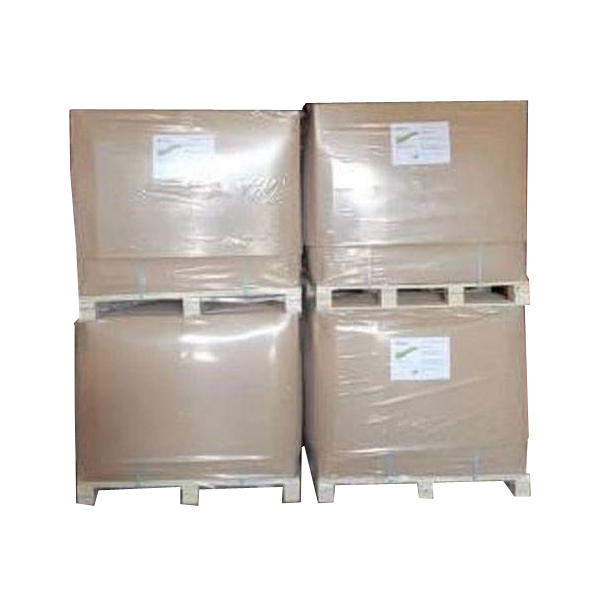
ISPM-15 compliant fumigated pallets, shrink-wrapped for sea shipping safety.
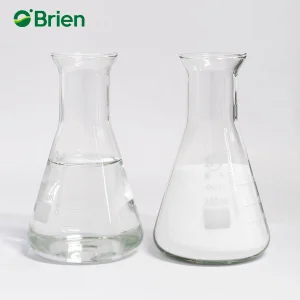
To achieve maximum polymer chain extension, Polyacrylamide powder must be dissolved in clean water at a concentration of 0.1% – 0.3% (w/v). Water temperatures should remain between 20°C and 40°C. Avoid high-shear mechanical agitation above 400 RPM to prevent backbone degradation. Recommended aging time is 45 to 60 minutes before dosing.
Expert Answers on Chemical Selection, Jar Testing, Storage, and Global Logistics
Explore Our Full Range of Polymer Formulations Available Direct from Our Qingdao Factory
 Oubo Chemical