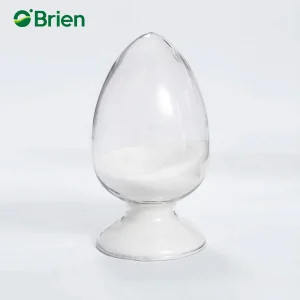
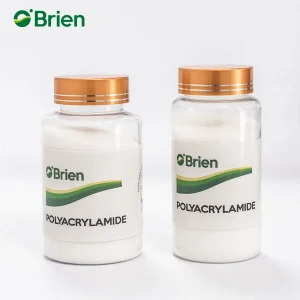
Direct factory supply of specialized Polyacrylamide (APAM, CPAM, NPAM) engineered for industrial wastewater, mineral processing, and oilfield operations.
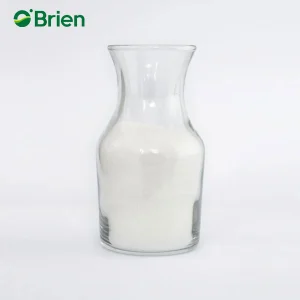
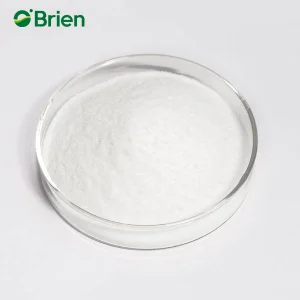
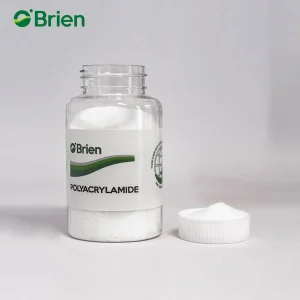
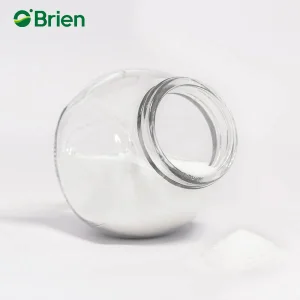
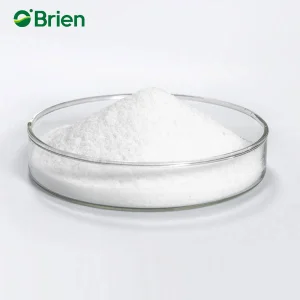
Analyzing global market shifts, chemical synthesis breakthroughs, and structural advantages of Chinese polymer manufacturing hub in Qingdao.
In modern industrial liquid-solid separation, wastewater purification, enhanced oil recovery (EOR), and mineral extraction, Polyacrylamide (PAM) serves as an irreplaceable synthetic organic polymer flocculant. Chemically defined as a linear water-soluble polymer synthesized from acrylamide monomers (CAS 9003-05-8), PAM functions via charge neutralization, polymer bridging, and hydrogen bonding mechanisms to agglomerate suspended microscopic particles into massive, rapidly settling flocs.
As regulatory frameworks surrounding industrial effluent, Zero Liquid Discharge (ZLD) directives, and environmental stewardship tighten globally, global enterprise procurement teams require more than basic chemical supply—they demand high molecular weight consistency, specialized charge densities, and resilient OEM/ODM chemical production infrastructure.
Oubo Chemical Co., Ltd. (established in 2011, headquartered within the Free Trade Zone of Qingdao, China) stands at the pinnacle of international polymer manufacturing. Operating with strict bio-method enzymatic monomer synthesis technology and automated polymer processing lines, Qingdao Oubo Chemical delivers over 50,000 metric tons of premium cationic, anionic, nonionic, and amphoteric polyacrylamide annually to global water treatment authorities, multinational oilfield service corporations, and top-tier mining operations.
Understanding charge dynamics, hydrolysis degrees, and molecular weight ranges across standard industrial flocculants.
Polyacrylamide performance is governed by three fundamental physicochemical attributes: Ionic Nature (Charge Type), Charge Density (Hydrolysis or Cationicity Degree), and Molecular Weight (MW). Selecting the correct chemistry is vital to optimizing filtration rates, cake dry solids, and operational cost per ton of dry solids treated.
| Polymer Type | Ionic Charge | Molecular Weight (Million) | Charge Density Range | Primary Industrial Applications |
|---|---|---|---|---|
| Anionic Polyacrylamide (APAM) | Negative (-) | 5 - 25 Million | 10% - 60% Hydrolysis | Municipal wastewater coagulation, red mud settling, coal tailings dewatering, paper dry strength. |
| Cationic Polyacrylamide (CPAM) | Positive (+) | 6 - 15 Million | 5% - 80% Ionicity | Organic sludge dewatering (belt press, centrifuge), textile dyeing effluent, tannery waste, paper retention. |
| Nonionic Polyacrylamide (NPAM) | Neutral (0) | 3 - 15 Million | < 3% Hydrolysis | Acidic wastewater clarification, ore leaching in mining, oilfield fluid loss additives, soil stabilization. |
| Amphoteric PAM | Dual (+ / -) | 4 - 12 Million | Variable Balance | Complex industrial sludge with fluctuating pH, difficult-to-dewater biological slurries, wet-end paper making. |
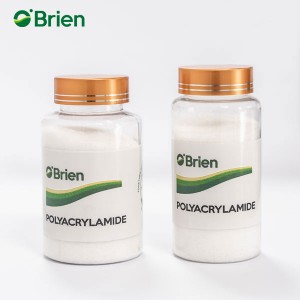
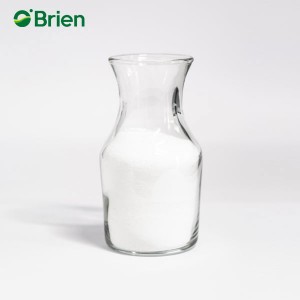
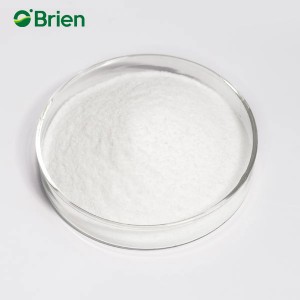
The operational effectiveness of Oubo's flocculants relies on two dominant mechanisms:
Why international procurement directors partner with Qingdao Oubo Chemical Co., Ltd. for strategic chemical sourcing.
Oubo utilizes advanced biological enzymatic technology to produce pure acrylamide monomers. Compared to traditional chemical catalyst methods, our bio-synthesis eliminates copper impurities, reduces toxic side-products, and enables high-purity ultra-high molecular weight polyacrylamide synthesis.
Located near major petrochemical refining hubs, Oubo maintains strategic long-term supply partnerships with raw material producers including SINOPEC and Eni. This feedstock integration ensures price stability, uncompromised raw material purity, and uninterrupted production schedules.
Our ISO9001:2008 quality control regime subjects every batch to three separate laboratory verification stages: Raw material HPLC purity screening, in-line viscosity/molecular weight monitoring, and finished batch dissolution/performance testing prior to export release.
Situated directly inside the Free Trade Zone of Qingdao, China, Oubo leverages world-class seaport and intermodal transport connections. We provide duty-free warehouse staging, expedited export customs clearance, and global ocean freight connectivity to major industrial ports.
Chemical selection requires precise matching with site-specific wastewater chemistry. Oubo’s experienced polymer engineers provide free sample jar testing, charge density optimization, onsite makeup system calibration, and custom product formulation support.
We supply customized OEM branding, private labeling, and diverse packaging formats—ranging from 25kg kraft paper bags and PE valve bags to 750kg and 1000kg palletized jumbo bags designed for automated industrial dissolution systems.
How Oubo Polyacrylamide formulations solve complex separation challenges across key heavy industries.
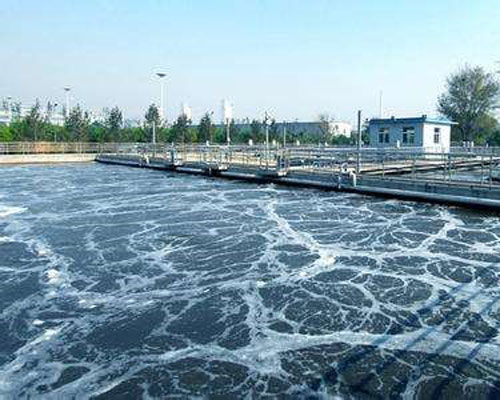
In municipal sewage plants and industrial effluent facilities (leather, tannery, pharmaceutical, chemical), Oubo’s Cationic and Anionic PAM products dramatically accelerate primary clarification and secondary sludge dewatering. Compatible with belt filter presses, decanter centrifuges, and screw presses, our polymers deliver clear filtrate and dense filter cakes.
In upstream oilfield operations, high molecular weight PAM acts as a key mobility control polymer for Enhanced Oil Recovery (EOR), viscosity builder, shale inhibitor, and friction reducer in hydraulic fracturing. Our thermal-stable and salt-tolerant formulations maintain viscosity under extreme downhole temperatures and high salinity.
Oubo PAM plays a crucial role in solid-liquid separation across coal washing, iron ore processing, copper flotation, gold leaching, and alumina production (Bayer process). Our specialized Nonionic and Anionic polymers accelerate tailings thickening, optimize mine water recycling, and ensure fast settlement in thickeners.
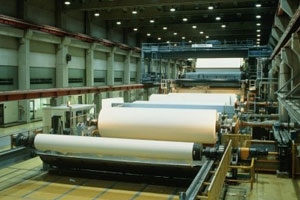
Used extensively as wet-end additives, Oubo PAM serves as a retention aid, drainage aid, and dry/wet strength agent. By capturing fine fibers and mineral fillers, our retention aids improve sheet formation, increase machine speed, lower steam consumption, and reduce paper mill white water COD/BOD loads.
Textile dyeing effluent contains complex synthetic dyes, surfactants, and heavy organic loads. Oubo’s high-cationicity CPAM coagulates finely dispersed dye pigments, decolorizes high-COD wastewater, and enables cost-effective sludge compaction prior to municipal discharge.
In raw sugar juice clarification, sugar beet processing, and food production wastewater, Oubo supplies food-grade compliant Anionic PAM. These polymers yield rapid sedimentation of organic mud, producing ultra-clear juice streams while reducing evaporation energy consumption.

Pioneering green chemistry, bio-based polymers, and circular water reuse technology.
The global flocculant chemical market is undergoing a rapid transition driven by ESG (Environmental, Social, and Governance) compliance, carbon footprint reduction targets, and strict zero-liquid-discharge (ZLD) mandates. Key macro trends shaping the sector include:
Standardized packaging solutions engineered for long-distance maritime shipping and heavy industrial storage.
Oubo Chemical provides flexible packaging and shipping specifications designed to preserve polymer integrity under tropical or humid ocean transit conditions. All packages include moisture-proof inner PE liners and robust multi-layer outer reinforcement.
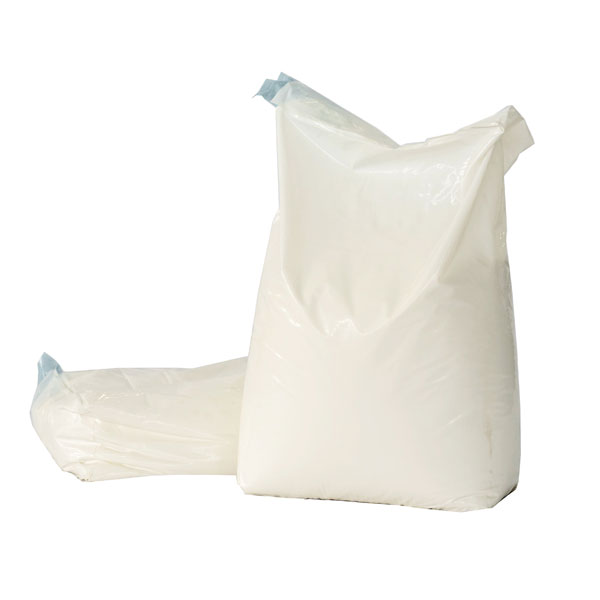
25kg PE/PP bags without commercial printing, ideal for distributors requiring localized rebranding or private labeling.
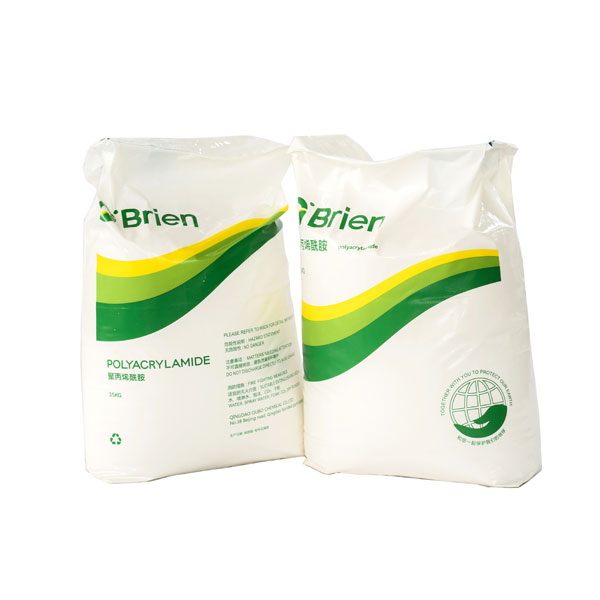
25kg multi-wall kraft paper or woven bags pre-printed with batch numbers, handling instructions, and chemical safety icons.
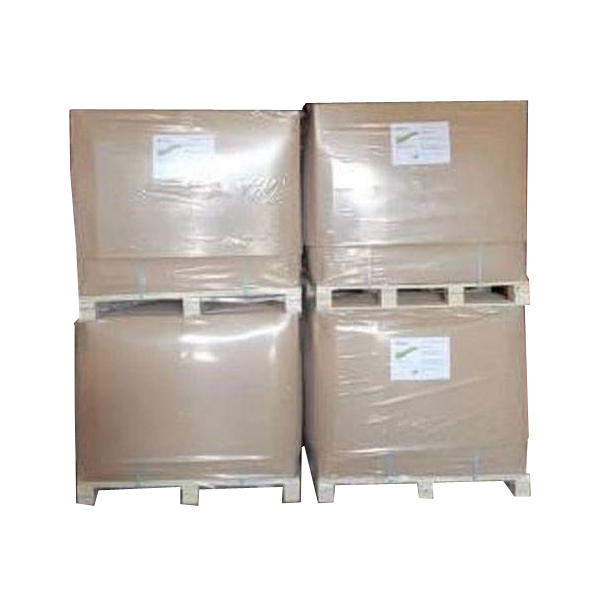
750kg / 1000kg Big Bags (Super Sacks) equipped with bottom discharge spouts, shrink-wrapped on heat-treated ISPM-15 wooden or plastic pallets.
Explore our complete inventory of industrial-grade retention aids, strength resins, and custom flocculant powders.
Expert answers regarding polymer preparation, dosage calculations, storage guidelines, and factory ordering protocols.
 Oubo Chemical