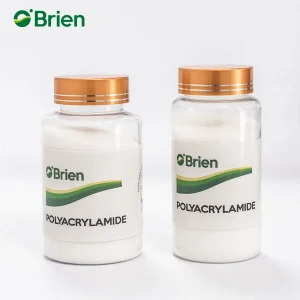
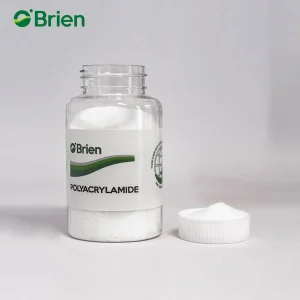
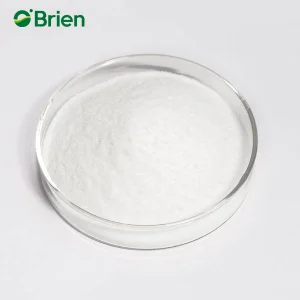
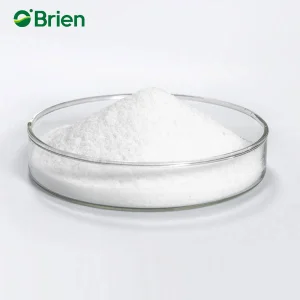
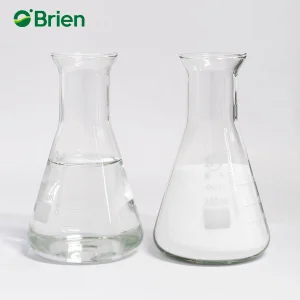
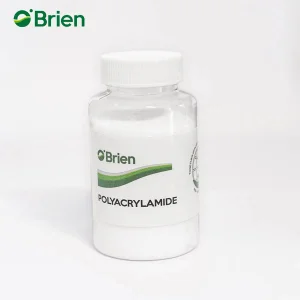
Explore our primary series of synthetic polyacrylamide flocculants, meticulously formulated for maximum solid-liquid separation velocity and dewatering performance.
Established in 2011 within the Free Trade Zone of Qingdao, China, Oubo Chemical Co., Ltd. (operating under the international brand O'brien) has evolved into a premier global authority in the synthesis and deployment of advanced Polyacrylamide (PAM) water-soluble polymers. By leveraging state-of-the-art biological enzymatic synthesis technology, Oubo delivers unmatched purity, tailored molecular weight distributions, and optimized charge densities across its entire portfolio of Anionic (APAM), Cationic (CPAM), and Nonionic (NPAM) flocculants.
Our enterprise culture is anchored on rigorous technical governance, environmental stewardship, and continuous innovation. Operating under an audited ISO 9001:2008 Quality Management System, Oubo Chemical enforces a stringent 3-stage Quality Control (QC) protocol for every single production batch—evaluating intrinsic viscosity, monomer conversion efficiency, residual acrylamide levels, and dissolution dynamics prior to international release. With annual production capacities exceeding 50,000 Metric Tons as of 2018, and an annual R&D reinvestment strategy totaling over €200 million, we guarantee continuous chemical consistency and competitive wholesale supply for heavy industrial applications globally.
Anionic Polyacrylamide (APAM) is a linear, water-soluble high polymer synthesized via the copolymerization of acrylamide monomers with charged acrylic acid (or sodium acrylate) co-monomers. The chemical structure presents repeating units containing both hydrophilic amide groups (–CONH₂) and negatively charged carboxylate groups (–COO⁻) along the hydrocarbon backbone:
-[CH₂-CH(CONH₂)]_x - [CH₂-CH(COO⁻ Na⁺)]_y-
The practical efficacy of Flocculant Anionic Polyacrylamide in liquid-solid separation relies upon two primary physical-chemical principles: Charge Neutralization and Polymeric Bridging.
In aqueous systems, mineral oxides, clay particles, suspended solids, and metallic hydroxides predominantly carry positive electrical charges or possess low negative zeta potentials. The negatively charged carboxylate ions (–COO⁻) on the APAM polymer chain interact electrostatically with positively charged surface sites on suspended colloidal particles, lowering the double-layer repulsive forces and causing immediate micro-floc aggregation.
Because APAM possesses an ultra-high molecular weight (ranging from 6 Million up to 25 Million Daltons), individual polymer chains extend far into the solution phase. A single macromolecule simultaneously adsorbs onto multiple suspended solid particles at different locations along its chain length, forming robust chemical "bridges". This results in the rapid formation of large, dense flocs (macro-flocs) that exhibit accelerated settling velocities.
Unlike conventional chemical catalysis, Oubo utilizes patented biological enzymatic pathways for monomer production. This yields acrylamide monomers with exceptional chemical purity, lower residual monomer content (< 0.05%), and hyper-linear molecular structures without random hyper-branching—ensuring superior solubility and higher intrinsic viscosity during industrial makeup.
As a global wholesale supplier, Oubo Chemical tailors its Anionic Polyacrylamide formulations to accommodate distinct industrial water chemistries, pH spectrums, ionic strengths, and solids content. Our polymers provide economic and operational benefits across vital global industries:
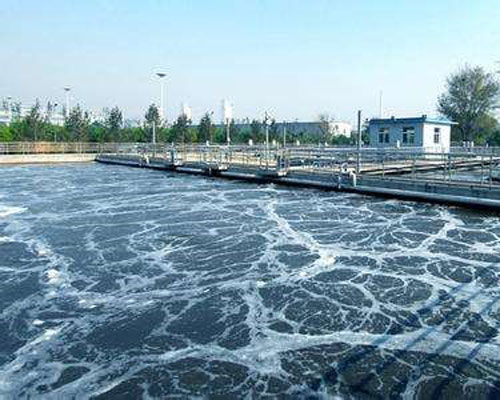
High performance in primary settling tanks, secondary sedimentation, and industrial effluent clarification across tannery, food processing, electroplating, and pharmaceutical facilities.
APAM accelerates the settling rate of inorganic suspensions, drastically reducing Chemical Oxygen Demand (COD), Total Suspended Solids (TSS), and water turbidity. It acts synergistically with primary inorganic coagulants such as Polyaluminum Chloride (PAC) or Ferric Sulfate to minimize overall chemical sludge production.
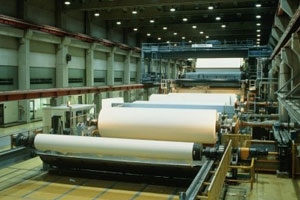
Multi-functional wet-end chemical additives for retention, drainage, dry strength enhancement, and white water recovery.
Retention & Drainage Aid: APAM increases fines and mineral filler (calcium carbonate, titanium dioxide) retention on the wire, enhancing paper formation while lowering raw material costs.
Anionic Trash Neutralization: Collects interfering organic trash in recycled pulp systems.
Strength Enhancement: Forms strong hydrogen bonding between pulp fibers to elevate tensile and burst indexes.
Crucial rheology control agents for polymer flooding, slickwater hydraulic fracturing, and drilling fluid stabilization.
In EOR applications, high molecular weight APAM increases the viscosity of injected water, improving sweep efficiency across heterogeneous reservoir formations. In drilling operations, APAM functions as a shale inhibitor, fluid loss reducer, and lubricant for drill bits while facilitating solid cuttings removal.

Accelerated thickener settling, mineral beneficiation flotation, and tailings dewatering for heavy mining operations.
Specifically optimized for Coal Washing (rapid clarification of coal slurry and tailings filtration), as well as base and precious metal extraction including Gold (Au), Silver (Ag), Copper (Cu), Nickel (Ni), Iron (Fe), and Aluminum (Bayer process alumina red mud clarification).
Used in sugarcane juice and sugar beet liquor clarification and floatation. Food-grade APAM speeds up juice clarification, removing suspended proteins and plant impurities to maximize sucrose yield and color quality.
Functions as a smooth textile warp sizing agent to reduce yarn breakage during weaving. In textile printing and dyeing wastewater, APAM decouples color complexes and accelerates sludge dewatering.
Acts as a soil conditioner and anti-erosion agent, enhancing soil water retention, preventing water run-off crusting, and promoting seed germination under dry climatic conditions.
Selecting the proper grade of Anionic Polyacrylamide requires matching the molecular weight (MW) and degree of hydrolysis (charge density) to the specific zeta potential, pH value, and shear environment of the substrate.
| Polymer Grade / Code | Molecular Weight (Million Daltons) | Degree of Hydrolysis (%) | Solid Content (%) | Dissolution Time (Mins) | Primary Target Industry |
|---|---|---|---|---|---|
| Oubo APAM-High MW | 18.0 - 25.0 | 20 - 30% | ≥ 88% | ≤ 60 | Enhanced Oil Recovery (EOR), Mineral Tailings Dewatering |
| Oubo APAM-Medium MW | 12.0 - 18.0 | 15 - 25% | ≥ 88% | ≤ 50 | Municipal Wastewater Settlement, Paper Retention Aid |
| Oubo APAM-Low MW | 6.0 - 12.0 | 5 - 15% | ≥ 88% | ≤ 40 | Textile Effluent Treatment, Acidic Industrial Wastewater |
| Oubo APAM-Ultra High MW | 22.0 - 28.0 | 30 - 50% | ≥ 89% | ≤ 65 | Coal Washing Flocculation, Heavy Mining Settling |
| Oubo APAM-Food Grade | 10.0 - 16.0 | 10 - 20% | ≥ 90% | ≤ 45 | Sugar Cane Juice Clarification, Potable Water Treatment |
Standard makeup concentration is 0.1% to 0.3% (w/v). Dissolve powder into clean neutral water (water temperature < 40°C) with continuous stirring (200 - 400 RPM). Avoid strong high-shear agitation to prevent chain scission.
Solution viscosity escalates non-linearly with molecular weight. Oubo's polymers retain high intrinsic viscosity even under moderate ionic strength environments, ensuring stable dosing dynamics.
Residual Acrylamide Monomer (AM) content is consistently maintained below 0.05% (500 ppm) max, with potable-grade batches guaranteed under 0.025% (250 ppm).
As environmental standards grow increasingly stringent globally, Oubo Chemical is dedicated to spearheading the next generation of eco-friendly water-soluble polymer chemistry. Our technical roadmap highlights ongoing innovation across four core pillars:
Transitioning raw material procurement toward 100% bio-based acrylamide routes using engineered microbial enzyme catalysts. This initiative cuts carbon emissions by up to 35% compared to chemical nitrile hydration.
Developing ultra-high temperature, high-salinity (HTHS) resistant APAM variants for ultra-deep oilfield reservoirs and high-tds industrial effluent, maintaining viscosity stability at temperatures exceeding 120°C.
Expanding our liquid emulsion portfolio to allow full dissolution in under 5 minutes, eliminating the risk of fish-eye formation and significantly cutting energy consumption during polymer makeup.
Engineered biodegradable polymer backbones designed to break down into benign organic components under natural environmental solar ultraviolet and biological exposure after solids separation.
Located strategically in the Free Trade Zone of Qingdao, Oubo Chemical benefits from direct access to major international maritime shipping hubs. We manage an integrated supply chain anchored by strategic alliances with chemical raw material leaders such as SINOPEC and Eni.
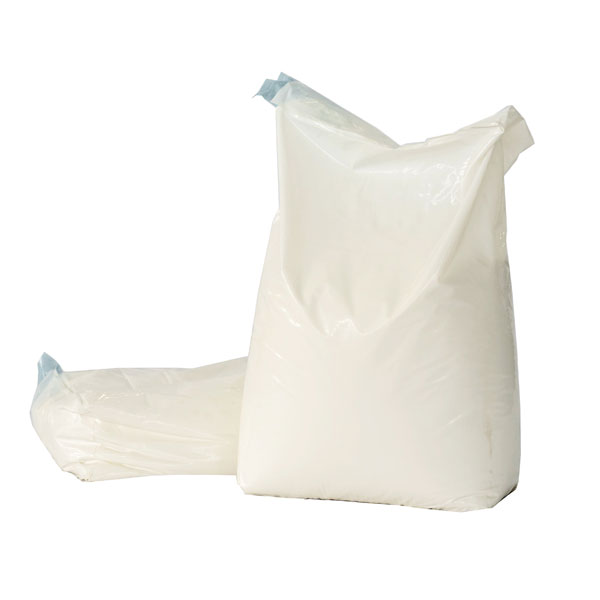
Neutral 25kg multi-wall paper-plastic compound bags with inner PE moisture barrier lining. Ideal for private-label distributors.
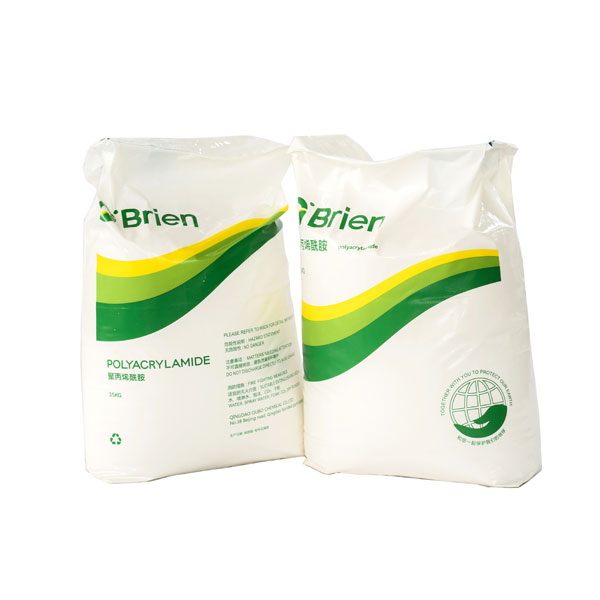
Factory standardized export packaging clearly labeled with chemical specs, batch numbers, and safety markings.
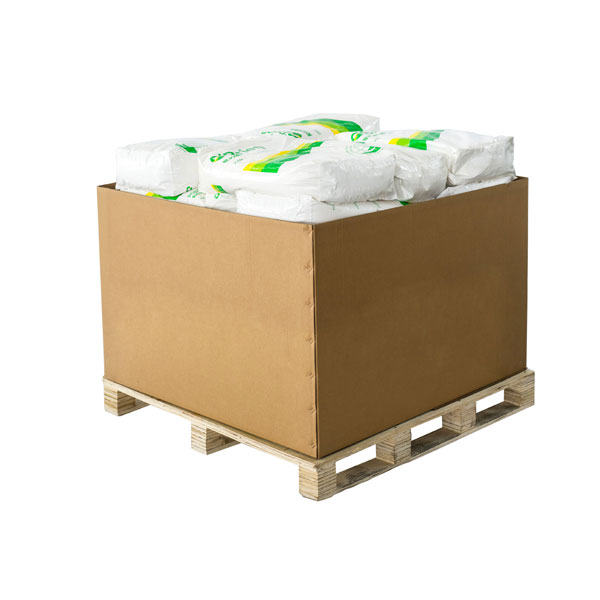
750kg and 1000kg bulk ton-bags designed for automated dosing hoppers in large-scale mining and oilfield sites.
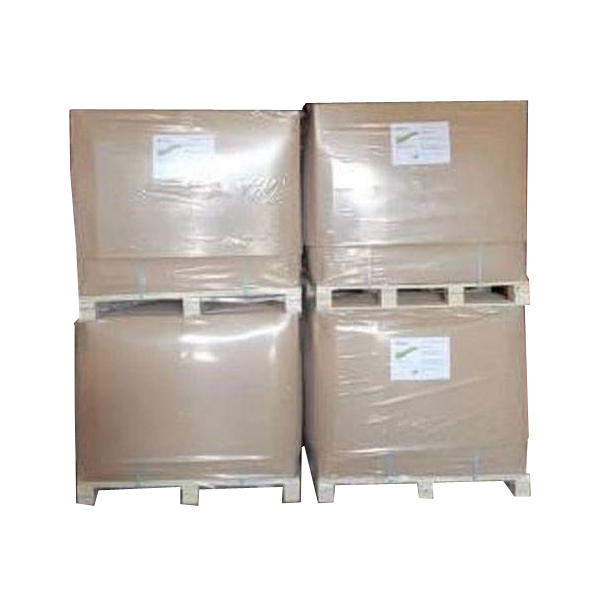
Fumigated wooden or plastic pallets, shrink-wrapped for maximum marine transport protection and warehouse stackability.
The fundamental difference lies in their ionic charge and application targets. Anionic Polyacrylamide (APAM) carries negatively charged carboxylate groups, making it highly effective for binding positively charged inorganic particles such as minerals, clays, sands, and metal oxides found in industrial wastewater, coal washing, and mining effluents. Cationic Polyacrylamide (CPAM) carries positive charges, designed primarily for negatively charged organic sludge dewatering in municipal sewage plants and biological treatment facilities.
Selection depends on suspended solids concentration, particle size, and equipment shear forces. Generally, high molecular weight polymers (18 - 25 Million Daltons) are ideal for gravimetric settling, thickener sedimentation, and Enhanced Oil Recovery where bridging strength is vital. Medium to lower molecular weight grades are suited for filtration or paper retention processes where ultra-high viscosity might cause clogging. Jar testing is strongly recommended to determine exact dosage parameters.
To prevent agglomeration (fish eyes), dry PAM powder should be added gradually into a well-agitated vortex of clean water using an automated dry powder feeder or dispersing cone. Water temperature should ideally be between 20°C and 40°C. Avoid high-shear pumps (e.g., gear or centrifugal pumps) after dissolving, as high shear degrades the high-molecular polymer chain backbone. Use progressive cavity or diaphragm pumps for polymer dosing.
Prepared 0.1% to 0.3% APAM solutions should ideally be consumed within 24 to 48 hours. Extended storage leads to hydrolysis degradation and loss of flocculation efficiency, especially in non-deionized water containing high concentrations of calcium, magnesium, or iron ions.
Yes. Oubo Chemical is fully ISO 9001:2008 certified. Our products comply with European REACH regulations, enabling seamless import into EU member states, North America, Southeast Asia, the Middle East, and Latin America. Full Safety Data Sheets (SDS) and Certificates of Analysis (COA) accompany every bulk shipment.
Browse our complete range of anionic, cationic, nonionic, and application-specific polyacrylamide formulations engineered for global industrial demands.
 Oubo Chemical