Explore our high-performance polyacrylamide (PAM) formulations engineered for municipal wastewater, mineral processing, and paper manufacturing.
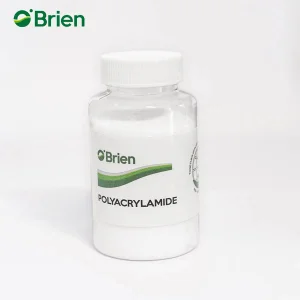
China Cationic Polyacrylamide Retention & Drainage Aid for Paper Making Industry Supplier, Factories
View Specifications
Wholesale High Molecular Weight Anionic Polyacrylamide for Petrochemical & Metallurgical Wastewater Suppliers
View Specifications
Wholesale Anionic Polyacrylamide (APAM) for Municipal Sewage Treatment & Sludge Dewatering
View Specifications
China Nonionic Polyacrylamide (PAM) Thickener for Oilfield Drilling Fluid Manufacturers
View Specifications
Wholesale Cationic Polyacrylamide (CAS 9003-05-8) Flocculant for Textile & Dyeing Wastewater
View Specifications
Wholesale Anionic Polyacrylamide Powder Flocculant for Food Processing & Sugar Refining Wastewater
View SpecificationsA Macro-Economic and Technical Whitepaper on Water-Soluble Polymers in Modern Industrial Processes
In an era defined by stringent environmental regulations, industrial water scarcity, and aggressive sustainability targets, wholesale flocculant agents have transitioned from basic operational commodities to vital strategic assets. Industrial enterprises worldwide are forced to optimize their liquid-solid separation processes to comply with discharge limits, lower sludge disposal costs, and enable internal water recycling loops.
Polyacrylamide (PAM)—a water-soluble synthetic resin synthesized via acrylamide polymerization—represents the core chemistry driving modern flocculation technology. Available in anionic, cationic, nonionic, and amphoteric formulations, PAM provides tailored performance across disparate pH spectrums, ionic charges, and suspension topologies.
Selecting qualified flocculant agents suppliers & factories requires rigorous technical validation. Enterprise procurement teams must evaluate manufacturers based on five essential parameters:
A Decade of Leadership in Polyacrylamide R&D, Bio-Catalytic Manufacturing, and Global Distribution
Established in 2011 within the Qingdao Free Trade Zone, China, Oubo Chemical Co., Ltd. has grown at a sustained 10% annual rate. Operating under strict ISO 9001:2008 quality management controls, Oubo passed the 50,000-ton annual capacity threshold in 2018. We combine sustainable polymer synthesis with comprehensive technical field support.
Utilizing patented enzymatic bio-methods for acrylamide synthesis, minimizing by-products and carbon emissions while achieving exceptional monomer purity.
Every product batch undergoes 3 rigorous QC laboratory evaluations prior to shipment. Raw materials are sourced globally from top suppliers like SINOPEC and Eni.
Our technical engineers support buyers through pre-sales lab analysis, jar test optimization, dosage calibration, and on-site after-sales process adjustment.
Marketed internationally under the proprietary O'brien brand, our polymers are trusted across North America, Europe, SE Asia, and the Middle East.
Understanding Charge Densities, Molecular Weights, and Flocculation Mechanisms
Flocculation relies on two primary physical-chemical mechanisms: Charge Neutralization and Polymer Bridging. Suspended solids in aqueous media typically carry a negative zeta potential, preventing aggregation due to electrostatic repulsion. Polyacrylamide flocculants neutralize these charges and form long-chain molecular bridges between adjacent particles, resulting in rapid micro-floc aggregation and macroscopic settling.
| Polymer Type | Ionic Charge Range | Molecular Weight (MW) | Primary Industrial Applications | Key Mechanism |
|---|---|---|---|---|
| Anionic Polyacrylamide (APAM) | 5% – 60% Anionic Density | 6 – 25 Million Daltons | Inorganic wastewater, mineral processing, coal washing, paper dry-strength. | Bridging & Hydrogen Bonding |
| Cationic Polyacrylamide (CPAM) | 10% – 80% Cationic Charge | 4 – 12 Million Daltons | Organic sludge dewatering, municipal sewage, textile dyeing, paper retention. | Charge Neutralization & Agglomeration |
| Nonionic Polyacrylamide (NPAM) | Ultra-Low Charge (<2%) | 5 – 15 Million Daltons | Acidic wastewater, soil stabilization, oilfield drilling fluid thickeners. | Polymer Network Entanglement |
| Amphoteric Polyacrylamide | Dual Cationic/Anionic | 6 – 10 Million Daltons | Complex industrial effluents with fluctuating pH and mixed organic/inorganic solids. | Synergistic Dual-Charge Attraction |
Synthesized via copolymerization of acrylamide and cationic monomers (e.g., DAC, DMC). Unsurpassed performance in municipal sludge dewatering presses (belt presses, centrifuges, screw presses).
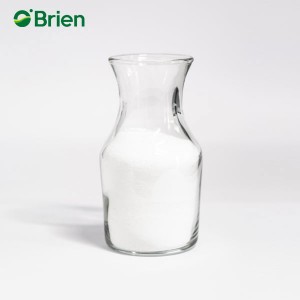
Copolymerized with acrylic acid monomers. Yields extreme high molecular weight chains that create strong polymer bridges in neutral to alkaline industrial streams.
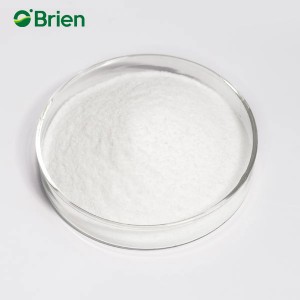
Homopolymerized acrylamide featuring superior hydrolytic stability. Designed for highly acidic wastewater streams and specialized mineral leaching operations.
Engineered Polyacrylamide Polymers Tailored for Critical Industrial Sectors
Wastewater management requires rapid solid-liquid separation to optimize clarifier throughput and reduce sludge cake moisture. Oubo's PAM solutions offer clear filtrate, dense floc formation, and reduced dewatering equipment wear.
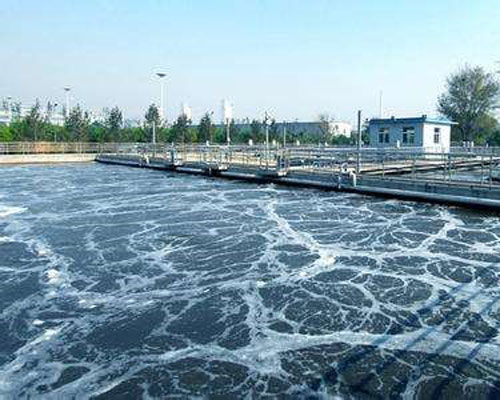
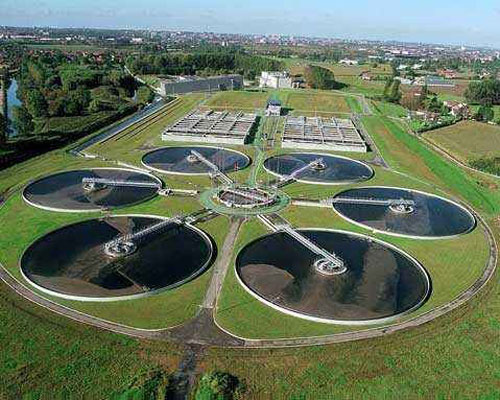
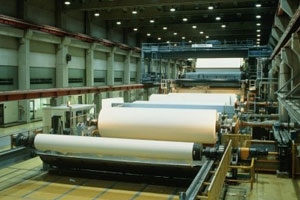
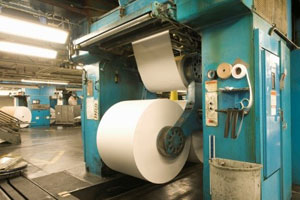
Polyacrylamide serves multiple wet-end functional roles in modern high-speed paper machinery, enhancing operational runnability and paper physical properties:
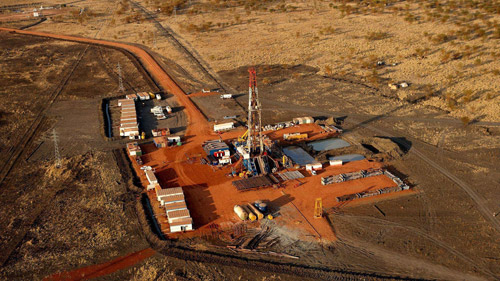
In upstream petroleum operations, PAM acts as a core fluid modifier under extreme shear, temperature, and salinity conditions:
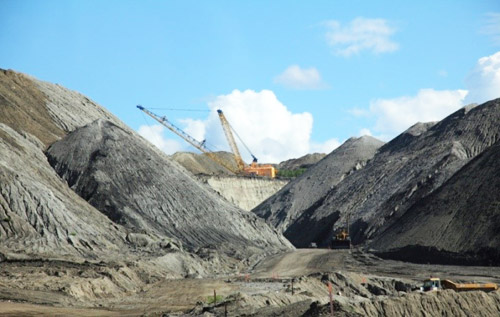
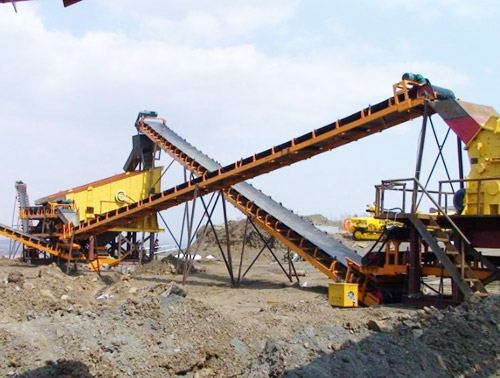
Efficient solid-liquid separation is critical for metallurgical extraction and environmental reclamation in global mining operations:
Advancing Green Chemistry, Zero Liquid Discharge (ZLD), and Next-Generation Polymers
Transitioning from chemical catalysts to third-generation microbiological enzyme catalysts. This reduces polymerization energy usage by 35% and completely eliminates toxic copper contaminants from raw acrylamide monomers.
Development of liquid inverse-emulsion polymers offering near-instantaneous dissolution (<5 minutes vs 60 minutes for dry powders), eliminating feed-equipment clogging and reducing dosing footprint in automated plants.
Integrating natural polysaccharides (starch, cellulose, chitosan) with synthetic polyacrylamide backbones to create high-efficiency, environmentally friendly flocculants designed for easy biological degradation after dewatering.
Customized Packaging and Secure Export Logistics for International B2B Buyers
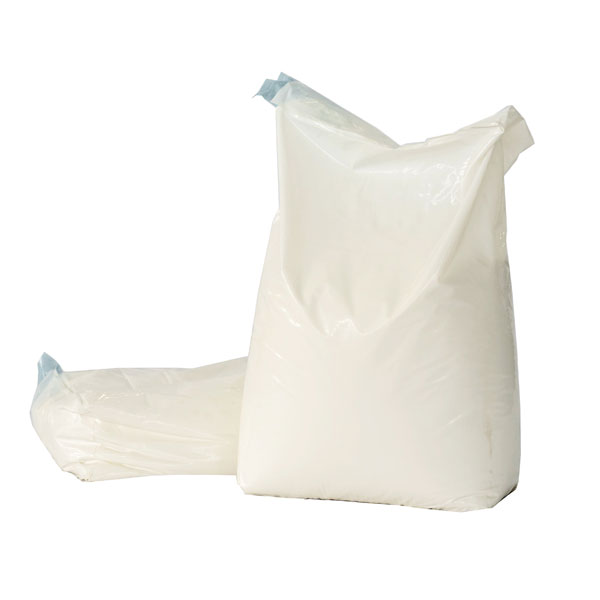
Blank-bag Packaging (Neutral OEM Printing Available)
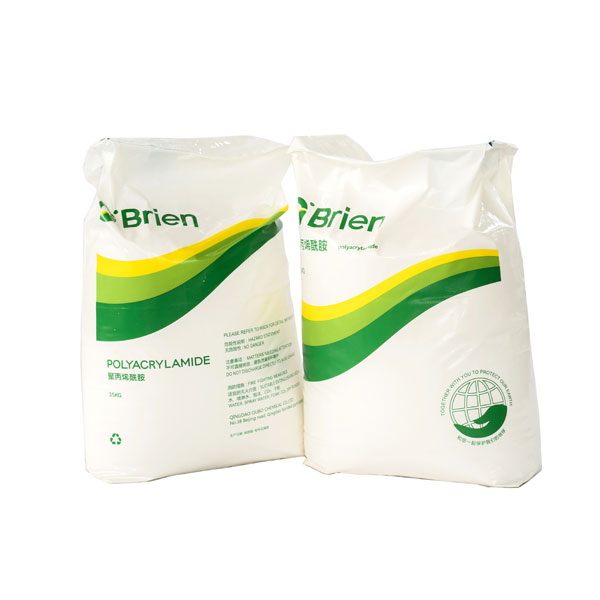
Normal Brand Printed 25kg Kraft Paper / PE Valve Bags
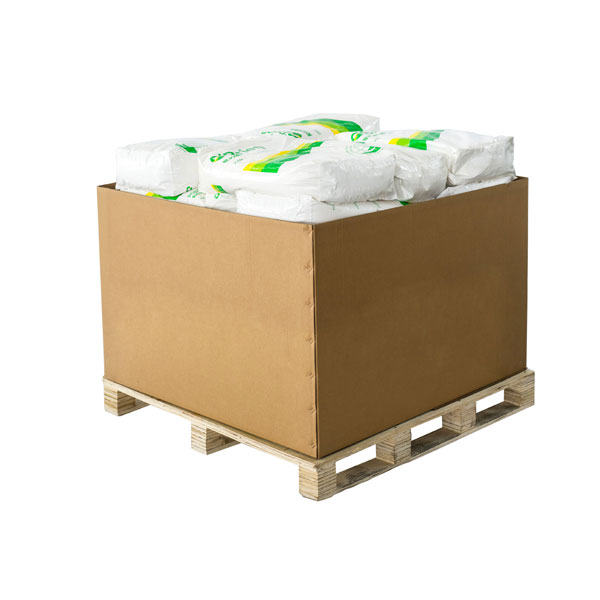
Bulk Jumbo Ton-Bags (750kg – 1000kg Capacity)
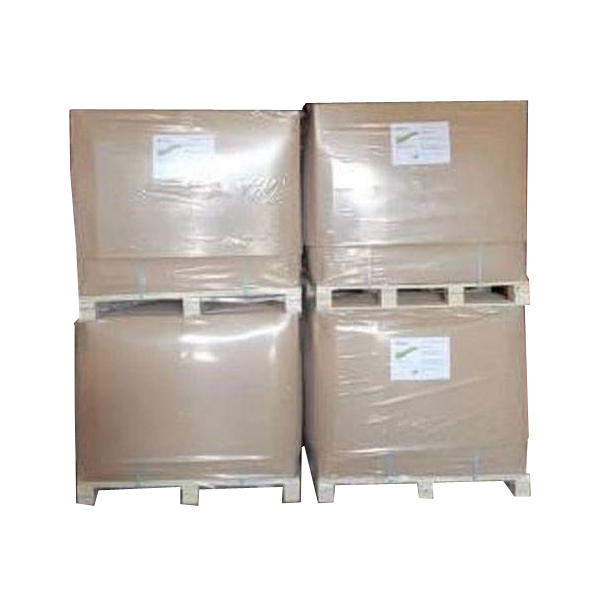
Fumigated Export Pallets with Shrink-Wrap Protection
Technical and Commercial Guidance for Polyacrylamide Procurement Specialists
Direct Factory Supply for Global Industrial Applications
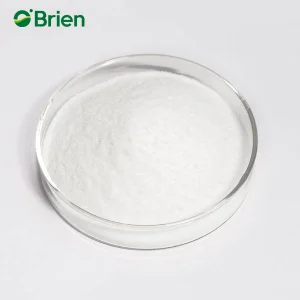
Wholesale High Molecular Weight Nonionic Polyacrylamide for Coal Washing & Tailings Dewatering
View Specifications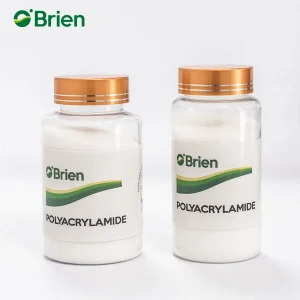
Wholesale Cationic Polyacrylamide (CPAM) for Sludge Dewatering & Industrial Wastewater Flocculation
View Specifications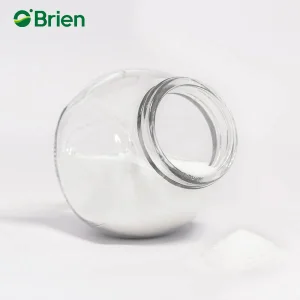
China Nonionic Polyacrylamide Flocculant for Acidic Industrial Wastewater Treatment
View Specifications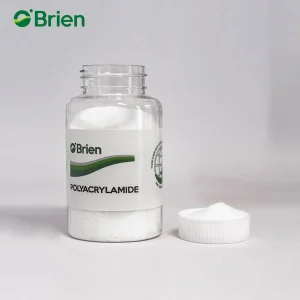
Wholesale Nonionic Polyacrylamide (NPAM) for Mineral Processing & Metallurgical Ore Dressing
View Specifications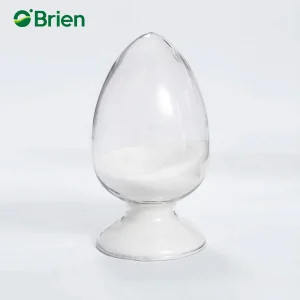
Wholesale Cationic Polyacrylamide Powder for Municipal & Industrial Wastewater Treatment
View Specifications Oubo Chemical