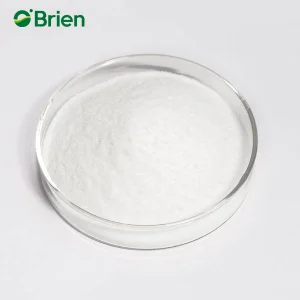
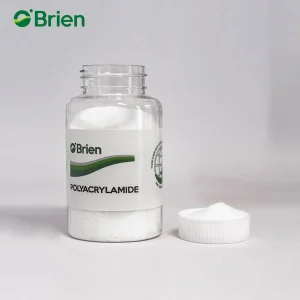
Wholesale EOR Profile Control Suppliers & Factories

Advanced Polymer Synthesis, Conformance Control Chemistry, and High-Performance Polyacrylamide Solutions for Enhanced Oil Recovery & Global Industrial Wastewater Treatment

Featured Chemical Innovations

High-Purity Polyacrylamide Product Catalog

Direct factory wholesale supply of specialized Anionic, Cationic, and Nonionic PAM formulations engineered for oilfield profile control, sludge dewatering, and industrial processing.
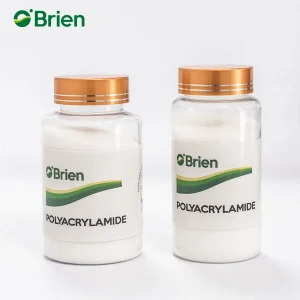
Wholesale Cationic Polyacrylamide Supplier for Sludge Dewatering
Cationic Polyacrylamide (CPAM) for Sludge Dewatering
View Specifications
Wholesale PAM Anionic Polyacrylamide Suppliers
Wholesale PAM Anionic Polyacrylamide Polymer
View Specifications
China Nonionic Polyacrylamide Suppliers
High MW Nonionic Polyacrylamide (NPAM)
View Specifications
Wholesale Cationic Polyacrylamide Flocculant for Textile
Cationic PAM (CAS 9003-05-8) for Textile Wastewater
View Specifications
China Nonionic Polyacrylamide Flocculant for Acidic Wastewater
Nonionic PAM Flocculant for Acidic Wastewater
View Specifications
Wholesale Anionic Polyacrylamide Suppliers
Industrial Grade Anionic Polyacrylamide Powder
View Specifications
China Cationic Polyacrylamide Paper Making Supplier
CPAM Retention & Drainage Aid for Papermaking
View Specifications
Wholesale Cationic Polyacrylamide Powder for Wastewater Treatment
Municipal & Industrial Wastewater CPAM Powder
View Specifications
Technical Whitepaper & Market Analysis

The Evolution of EOR Profile Control & Reservoir Conformance

In mature oil fields globally, secondary waterflooding operations inevitably face severe challenges associated with subterranean heterogeneity. Over years of continuous water injection, high-permeability thief zones, fractures, and channels develop within formation strata. As a result, injected water preferentially sweeps through these path-of-least-resistance conduits, bypassing millions of barrels of crude oil trapped in low-permeability matrix zones. This phenomenon leads to excessively high water cut at production wells—often exceeding 90%—and drastically degrades recovery efficiency.

Enhanced Oil Recovery (EOR) Profile Control (also designated as reservoir conformance control or profile modification) stands as the definitive chemical engineering intervention to rectify macroscopic volumetric sweep efficiency. By selectively injecting high-molecular-weight polymers, crosslinkable gel systems, or pre-formed particle gels (PPG) into high-permeability thief zones, profile control agents effectively plug macro-voids, equalize injection profiles, and divert subsequent fluid drives into un-swept oil-bearing micro-pores.

Information Gain Insight: Modern profile control goes beyond conventional gelation. Advanced crosslinked Polyacrylamide (PAM) architectures now leverage nanogel microspheres and thermally stable, salt-tolerant copolymer gels. These chemistry systems withstand reservoir temperatures above 120°C and salinities exceeding 200,000 ppm TDS, yielding measurable oil recovery increases of 10% to 22% OOIP (Original Oil in Place).

Macro Industry Drivers & Sourcing Demands

Global energy producers, national oil companies (NOCs), and field operational management providers are increasingly turning to strategic chemical manufacturers for wholesale EOR profile control agents. Key procurement priorities encompass:

  • Hydrolytic & Thermal Stability: Polymers capable of maintaining structural backbone integrity in harsh high-temperature, high-salinity (HTHS) subterranean conditions.
  • Controllable In-Situ Gelation: Delayed-action crosslinking mechanisms that allow deep penetration into thief channels before forming rigid, three-dimensional physical gels.
  • Shear Resistance: Formulations resistant to mechanical degradation caused by high-pressure injection pumps and narrow perforated intervals.
  • Eco-Compliant Synthesis: Sustainable manufacturing pathways with minimized unreacted acrylamide monomer (AMD) residual content (typically <0.05%).

Deep Conformance Control

Polymer gels expand deep within high-permeability thief channels, providing robust pressure-resistant blockages that redirect subsequent water or gas drives.

Tailored Gelation Kinetics

Precisely engineered crosslinking timeframes ranging from a few hours to several days, ensuring safe pumpability and targeted zone isolation.

HTHS Resistance

Advanced copolymers incorporate AMPS/acrylamide monomers to prevent thermal degradation and polyvalent ion Syneresis in extreme environments.

World-Class Manufacturing

Why Global Energy Leaders Partner with Oubo Chemical

Established in 2011 within the Free Trade Zone of Qingdao, China, Qingdao Oubo Chemical Co., Ltd. is a global leader in high-molecular polyacrylamide production, chemical innovation, and supply chain integrity.

50,000+
Metric Tons Annual Capacity
€200M
Cumulative R&D Investment
10%
Year-over-Year Growth
ISO9001
Quality Management Certified

Uncompromising Quality Assurance & Biological Synthesis Innovation

Oubo Chemical utilizes advanced biological synthesis methods for monomer conversion, holding proprietary patented technologies that ensure unparalleled purity, ultra-high molecular weight consistency, and minimal byproduct formation. Unlike conventional catalytic processes, our bio-enzymatic conversion path eliminates unwanted impurities, yielding polymers with superior chain linearity and controlled charge density.

Our global supply chain integration ensures that raw materials are sourced from tier-one international chemical leaders, including SINOPEC, Eni, and other world-grade manufacturers. All automated production lines are governed by rigid ISO 9001:2008 standards. Every single production batch undergoes triple quality control testing by our dedicated QC laboratory prior to dispatch, guaranteeing zero defect performance in demanding oilfield and industrial applications.

Industrial Application Spectrum

Comprehensive Chemical Solutions Across Strategic Sectors

From enhanced oil recovery to municipal sludge dewatering and precision papermaking, Oubo Polyacrylamide formulations deliver targeted performance.

1. Oilfield & Gas Exploration Solutions

Polyacrylamide serves as a vital constituent across upstream oilfield operations. In addition to EOR profile control and reservoir water shutoff, our specialized PAM formulations excel in:

  • Enhanced Oil Recovery (EOR): Increasing injection water viscosity to lower mobility ratios and optimize macroscopic sweep efficiency.
  • Drilling Fluid Additives: Functioning as shale inhibitors, fluid loss reducers, viscosifiers, and string lubricants under deep bore conditions.
  • Hydraulic Fracturing Fluids: Providing friction reduction and proppant transportation capabilities for unconventional shale formations.
  • Oil Sands & Heavy Oil Processing: Accelerating fine solids settling and bitumen extraction fluid clarification.

2. Water & Municipal Sewage Treatment Industry

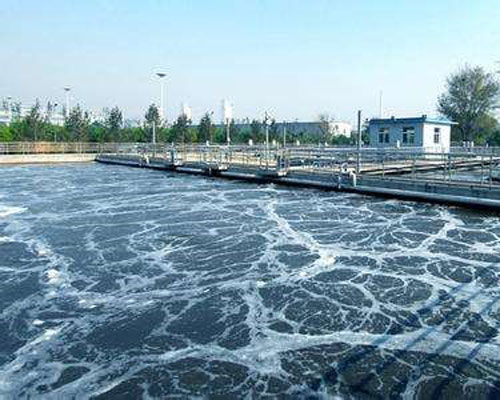
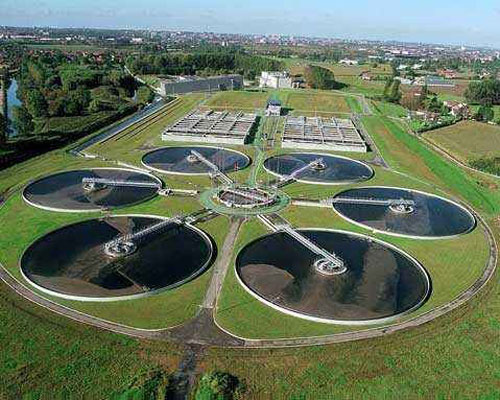
As regulatory standards on effluent discharge intensify globally, Oubo Polyacrylamide acts as an indispensable primary flocculant and coagulant aid. It facilitates rapid solid-liquid separation, sedimentation, and clarification across industrial and municipal wastewater streams. Primary application domains include urban sewage treatment, leather processing, pulp and paper effluent, citric acid processing, pharmaceutical waste, and dye wastewater purification.

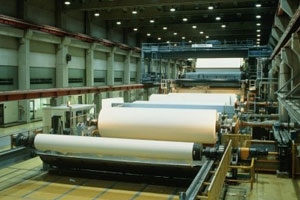
3. Pulp & Paper Manufacturing Enhancements

In paper mills, our PAM series serves as high-efficiency retention aids, drainage accelerators, and strength enhancers:

  • Retention & Drainage Aids: Significantly improve short-fiber and inorganic filler retention, reducing pulp loss and lowering energy consumption during drying.
  • Anionic Trash Neutralization: Neutralizes anionic charge buildup in white water systems, balancing wet-end chemistry.
  • Dry & Wet Strength Agents: Forms strong hydrogen and ionic bonds with wood cellulose fibers, enhancing tensile and burst strength parameters.
  • Fiber Dispersants: Promotes uniform fiber suspension, improving sheet formation, opacity, and tactile softness.

4. Mining & Mineral Processing Sector

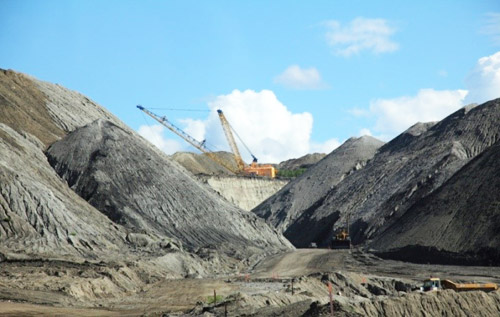
In mining operations (coal, gold, copper, silver, iron, and nickel), Oubo anionic and nonionic polymers streamline mineral dressing and tailings management. They promote high-density thickening, facilitate vacuum filtration, speed up centrifugal dewatering, and seal mining pipes against fluid loss.

5. Specialized Industrial Applications (Textile, Sugar & Beyond)

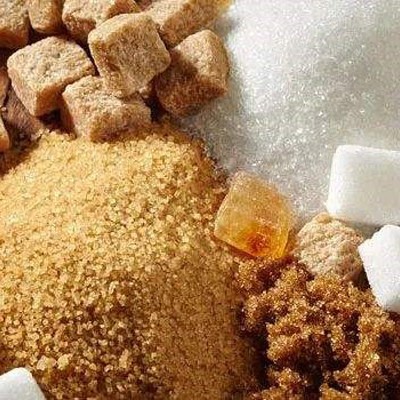
Our customized polymers play critical roles in sugar juice clarification and flotation, textile warp sizing, fabric finishing, paint dispersion, and soil stabilization for agricultural water conservation.
R&D Roadmap & Strategic Vision

Next-Generation Polymer Technologies for 2025 & Beyond

Pioneering chemical engineering innovations to address extreme reservoir environments, zero-liquid discharge regulations, and sustainable global supply chains.

Pre-Formed Particle Gels (PPG)

Developing swellable, particle-size-controlled hydrogels that bypass matrix pores and selectively lodge inside mega-fractures, offering superior wash-out resistance against high fluid shear.

Thermo-Thickening Hydrophobically Associating Polymers

Novel chemical architectures that exhibit anomalous viscosity increase upon entering hot reservoir formations, optimizing injectivity at ambient surface temperatures while boosting subterranean blocking strength.

Zero-Carbon Bio-Based Monomer Processing

Transitioning acrylamide polymerization toward bio-based feedstock sources and low-carbon footprint manufacturing plants to empower carbon-neutral target commitments for our enterprise clients worldwide.

Logistics & Packaging Standards

Export-Grade Industrial Packaging Options

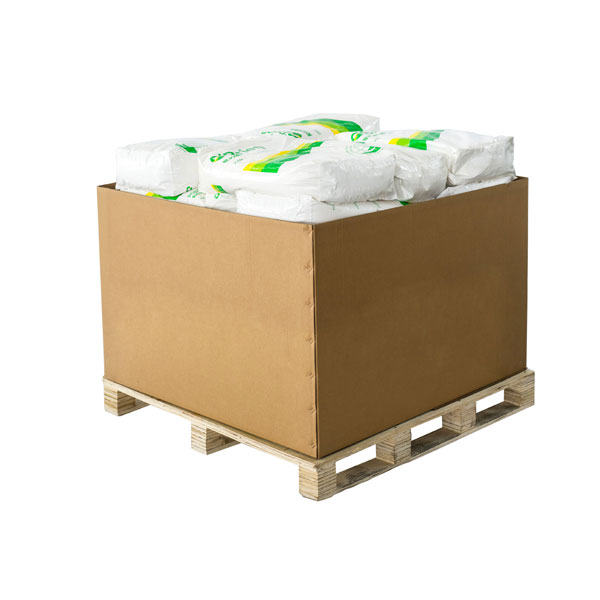
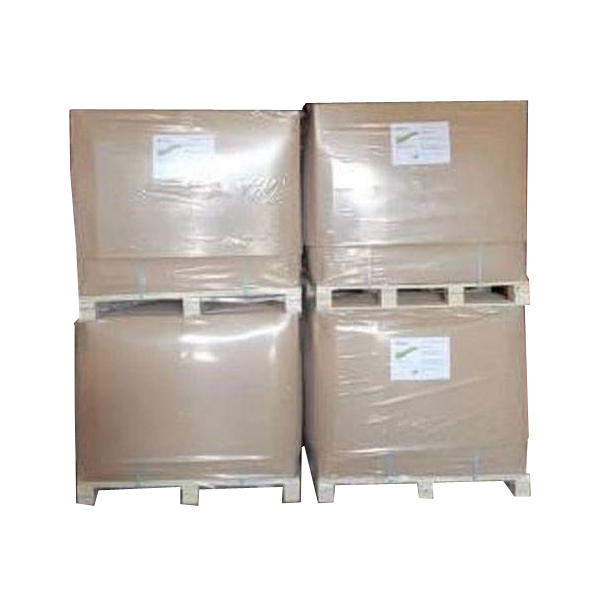
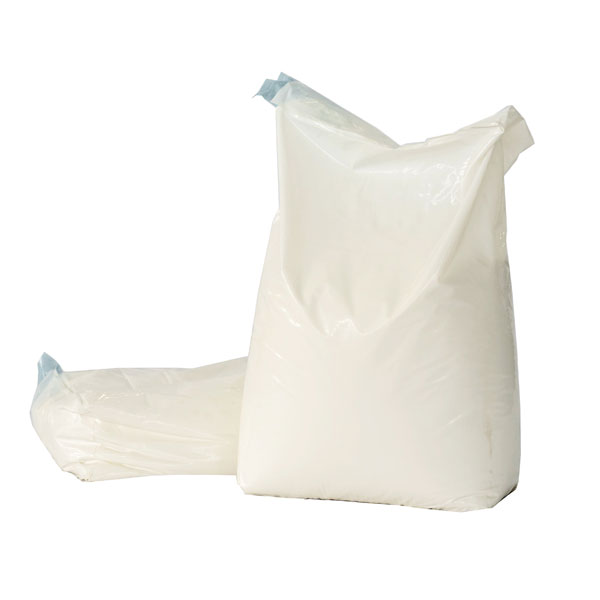
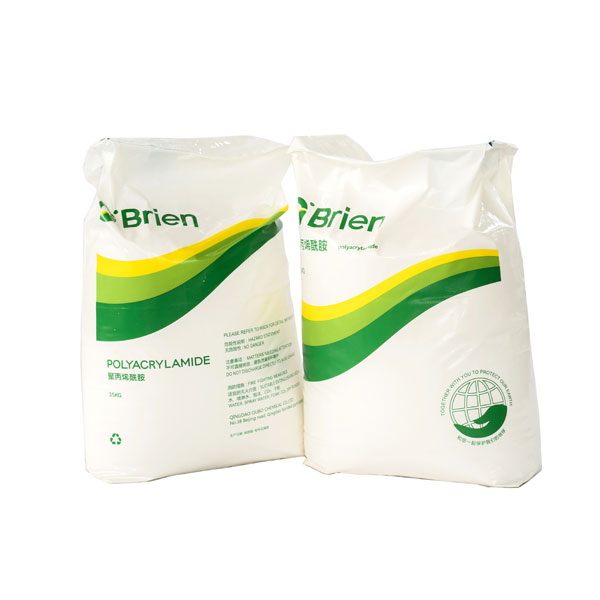
Customized packaging solutions tailored for long-distance maritime container transportation, moisture defense, and rapid field makeup dissolution.
Blank Bag Packaging

Unbranded Blank Bags

Normal Bag Packaging

Standard Brand Bags

Reinforced Package

Reinforced Multi-Wall Bags

Palletized Package

Palletized Stretch Wrapped

Complete Product Spectrum

Factory-Direct Polyacrylamide Wholesale Portfolio

Select from our specialized grades designed for enhanced oil recovery, paper production, mining processing, and advanced industrial filtration.
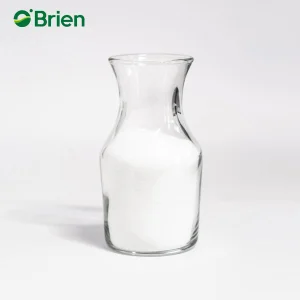
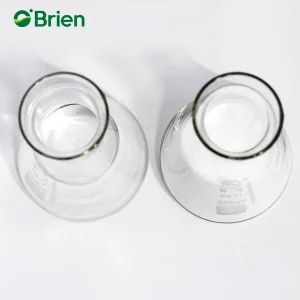
Wholesale Anionic Polyacrylamide for Sewage Treatment
APAM for Municipal Sewage & Sludge Dewatering
View Specifications
China Nonionic Polyacrylamide PAM Thickener Oilfield Drilling Fluid
NPAM Thickener for Oilfield Drilling Fluid
View Specifications
China PAM Anionic Polyacrylamide Paper Strength Agent
PAM Anionic Paper Dry & Wet Strength Agent
View Specifications
Wholesale High Molecular Weight Anionic Polyacrylamide for Wastewater
High MW Anionic PAM for Petrochemical Water
View Specifications
Wholesale High Molecular Weight Polyacrylamide Coal Washing Tailings
High MW Nonionic PAM for Coal Tailings Dewatering
View Specifications
China Cationic polyacrylamide Manufacturer Supplier
China Factory Direct Cationic Polyacrylamide
View Specifications
Wholesale Nonionic Polyacrylamide for Mineral Processing Suppliers
NPAM for Mineral Processing & Metallurgical Ore
View Specifications
Wholesale Anionic Polyacrylamide Powder Flocculant Manufacturer
Anionic PAM Powder for Food & Sugar Refining
View Specifications
Technical Help Center

EOR Profile Control & Polymer Sourcing FAQ

Answers to common engineering, purchasing, and chemistry questions regarding polyacrylamide selection and field execution.
What is the core difference between polymer flooding and profile control in EOR?
Polymer flooding primarily focuses on increasing the viscosity of the injected water to improve the mobility ratio throughout the entire formation. In contrast, profile control (conformance control) specifically targets high-permeability thief zones and subterranean fractures by injecting crosslinking hydrogel systems or particle hydrogels to block these channels, forcing subsequent fluids to sweep previously untreated low-permeability zones.
How do molecular weight and charge density affect polymer selection for profile modification?
Higher molecular weight polymers (18 to 25 million Daltons) provide greater hydrodynamic radius and viscosity yield, making them ideal for high-porosity matrix blocking. However, for deep reservoir penetration into narrow pore throats, medium to lower molecular weight polymers or pre-formed particle microgels are selected to prevent face-plugging at the injection wellbore face. Anionic charge density (typically 20% to 30% hydrolysis) is balanced to optimize rock surface adsorption while maintaining solution stability against divalent cations like Ca2+ and Mg2+.
What thermal stability limits apply to Oubo EOR profile control polymers?
Standard HPAM polymers operate reliably up to 75°C - 80°C. For extreme high-temperature, high-salinity (HTHS) reservoirs, Oubo synthesizes specialized terpolymers containing acrylamido- tertiary-butyl sulfonate (AMPS) and N-vinylpyrrolidone (NVP) monomers, extending thermal stability limits up to 120°C with salinity endurance up to 250,000 mg/L TDS.
How does Oubo ensure batch-to-batch quality across bulk wholesale orders?
Every batch undergoes automated biological monomer synthesis, automated polymerization control, and triple lab inspection for dissolution rate, filtration factor, residual monomer concentration, and apparent viscosity. Products conform strictly to ISO9001:2008 quality standards.
What dissolving equipment and water quality are required for field preparation?
Powder polymers require dedicated low-shear dry powder feeders and age tanks. Mechanical agitation speed should be controlled between 200 - 400 RPM to avoid mechanical shear degradation of molecular chains. Dissolution water should ideally have low divalent iron and free chlorine levels to prevent oxidative polymer degradation.