Explore our premium wholesale chemical agents engineered for maximum fiber bonding, dewatering kinetics, and fluid viscosity enhancement.
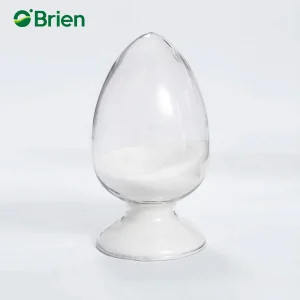
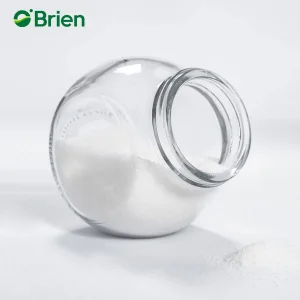
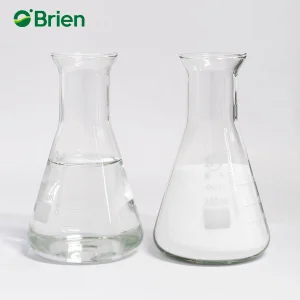
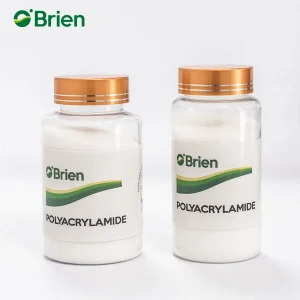
An authoritative analysis of fiber bonding chemistry, eco-regulations, and market drivers transforming modern pulp, paper, and process industries.
In the contemporary paper and pulp manufacturing ecosystem, the demand for high-performance Dry Strength Agents (DSA) has escalated rapidly due to two macroeconomic catalysts: the surge in eco-friendly packaging demand (driven by global e-commerce and single-use plastic bans) and the increasing degradation of recycled fiber quality. As paper mills utilize higher percentages of Old Corrugated Containers (OCC) and post-consumer recycled waste paper, the average cellulose fiber length shortens, leading to significant drops in physical sheet properties such as burst index, tensile strength, ring crush test (RCT), and internal bond strength (Scott Bond).
Dry Strength Agents—primarily synthetic polymers derived from acrylamide, such as modified Anionic Polyacrylamide (APAM), Cationic Polyacrylamide (CPAM), and Glyoxylated Polyacrylamide (GPAM)—serve as critical chemical bridges. By forming high-density ionic linkages and covalent hydrogen bonds between cellulose hydroxyl groups, these agents restore sheet structural integrity without requiring costly mechanical refining energy or virgin pulp addition.
Compensates for loss of inter-fiber bonding strength in secondary fibers (OCC, MW, ONP), allowing paper mills to increase ash/filler content while preserving structural specification standards.
By boosting wet-end dewatering rates and vacuum efficiency, dry strength polymers lower sheet moisture entering the dryer section, directly cutting steam consumption per ton of paper produced.
Reduces linting, dusting, and sheet breaks on high-speed paper machines, improving machine uptime, reducing chemical additive waste, and stabilizing wet-end charge equilibrium.
Understanding the interaction between synthetic polyacrylamides, charge density, and pulp fiber morphology.
Polyacrylamide (PAM) is a high-molecular-weight synthetic resin prepared via acrylamide monomer polymerization. In papermaking wet-end application, strength development relies on the adsorption of ionized amide groups (–CONH2) onto hydroxyl groups (–OH) on cellulose surfaces. This interaction establishes hydrogen bonds, ionic linkages, and covalent network crosslinks upon thermal drying, drastically expanding the effective fiber contact surface area.
| Polymer Class | Ionic Type & Charge Range | Molecular Weight Range | Primary Industrial Functions | Target Machine Systems |
|---|---|---|---|---|
| Cationic PAM (CPAM) | Cationic (5% – 80% charge) | 5 Million – 15 Million Da | Direct cellulose adsorption, retention aid, wet strength enhancement, sludge dewatering | High-speed tissue machines, fine paper, municipal sludge presses |
| Anionic PAM (APAM) | Anionic (5% – 60% charge) | 8 Million – 22 Million Da | Synergistic dry strength enhancement (with alum/CPAM), filler retention, industrial flocculation | Packaging linerboard, fluting medium, mining tailings, oil field recovery |
| Nonionic PAM (NPAM) | Neutral / Near-Zero Charge | 3 Million – 10 Million Da | Drilling fluid loss control, acid wastewater clarification, mineral pulp thickening | Acidic industrial effluents, oilfield drilling fluids, metallurgical refining |
| Amphoteric / GPAM | Dual Cationic/Anionic Balance | 1 Million – 4 Million Da | Ultra-high initial dry strength, temporary wet strength, rapid drainage acceleration | Recycled OCC board, specialty filter paper, high-ash graphic paper |
Measuring streaming current potential (PCD) and zeta potential to balance anionic trash before polymer introduction.
Dissolving dry powder in automated aging tanks at 0.1% – 0.3% concentration with low-shear agitation to preserve polymer chain length.
Dosing prior to the pressure screen or headbox fan pump to optimize uniform adsorption across long and short fiber fractions.
Activates covalent and hydrogen polymer cross-links during dryer section passage (80°C – 120°C sheet surface temp).
Oubo Chemical Co., Ltd was established in 2011, located in the prestigious Free Trade Zone of Qingdao, China. Over more than a decade of technological refinement and market expansion, Oubo has grown into a world-class producer of polyacrylamide solutions, maintaining a consistent business growth rate of over 10% per year.
Our quality management system is fully certified by ISO 9001:2008. In 2018, our total annual production capacity of synthetic polyacrylamide surpassed 50,000 Metric Tons. Oubo is deeply committed to environmental stewardship, rigorous raw material selection, and sustainable bio-engineering methods.
Unlike conventional chemical manufacturers, Oubo utilizes patented biological enzymatic synthesis to produce high-purity acrylamide monomer, drastically reducing byproduct impurities and unreacted residual monomer content. With an annual R&D expenditure exceeding €200 million, our technical teams continuously pioneer next-generation dry strength agents, flocculants, and thickening agents.
Proprietary biological enzymatic conversion process yields higher molecular weight and superior structural uniformity.
Fully automated production lines backed by strategic chemical feedstocks from premier international suppliers including SINOPEC and Eni.
Dedicated chemical engineers participate in pre-sale pulp testing, machine trial optimization, and post-sale performance auditing.
Oubo Polyacrylamide products provide tailored performance across primary global manufacturing sectors.
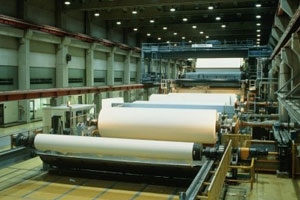
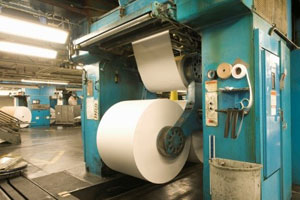
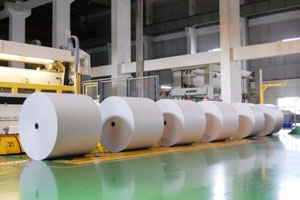
Serves as specialized dry strength agents, retention aids, cationic garbage scavengers, and filter aids. Dramatically increases paper burst strength, tensile resistance, and folding endurance while decreasing fiber loss in white water recycling.
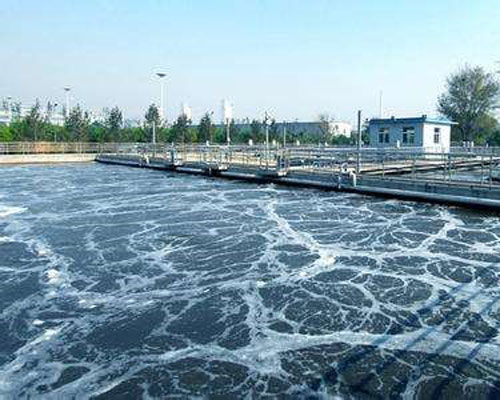
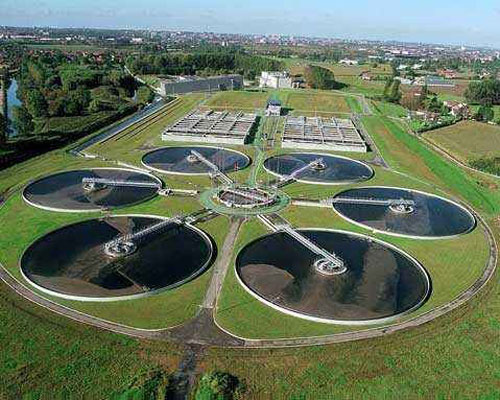
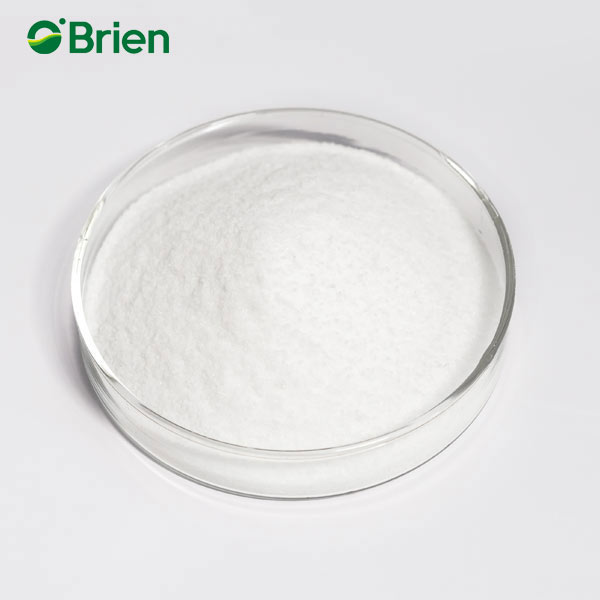
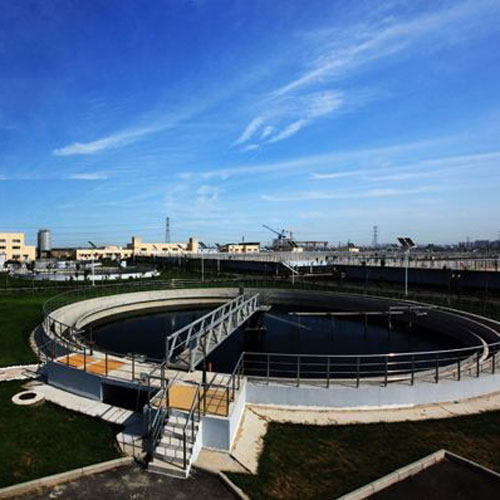
Functions as a primary coagulant and flocculating agent in industrial solid-liquid separation, sedimentation, clarification, and belt press/centrifuge sludge dewatering processes.

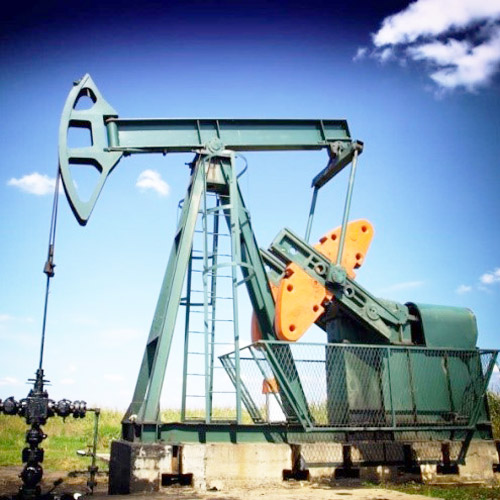
Extensively applied in oil production, drilling mud additives, friction reducers, shale inhibition, profile control, and Enhanced Oil Recovery (EOR) polymer flooding.
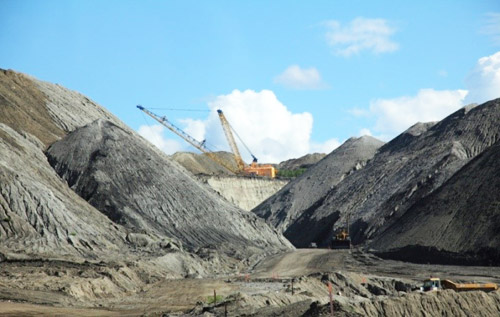
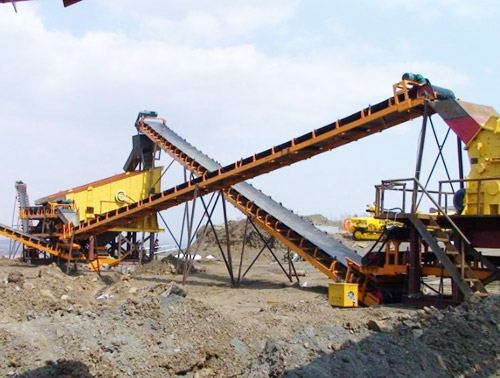
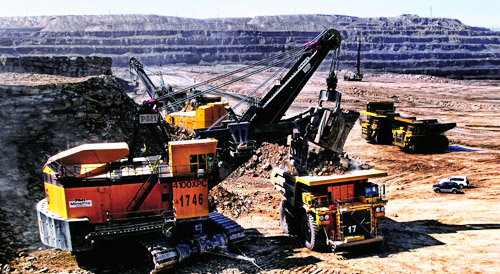
Accelerates solid-liquid filtration, coal washing, and tailing slurry thickening across mineral refining operations including Gold, Copper, Iron, Nickel, and Aluminum.
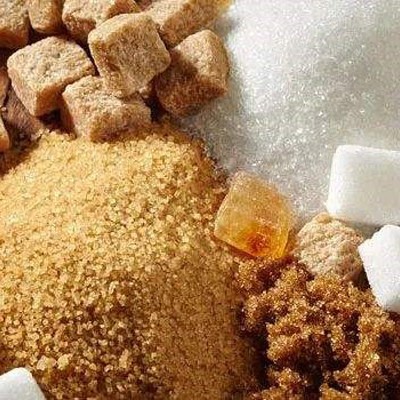
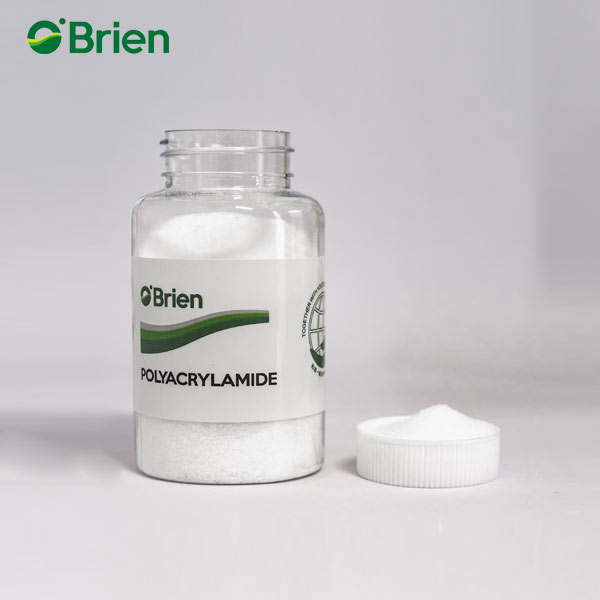
Food-grade polyacrylamide agents used in sugarcane and sugar beet juice clarification, flotation, and syrup mud removal, maximizing sucrose recovery yield.
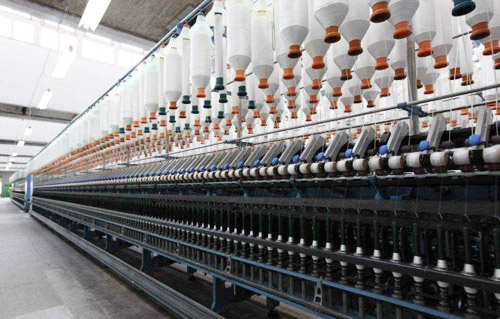

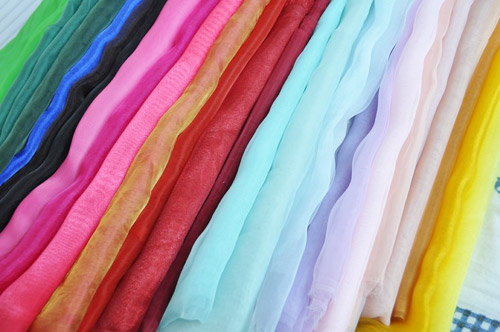
Utilized as a high-performance chemical sizing agent, finishing agent, anti-static coating additive, and specialized flocculant for textile printing/dyeing wastewater color removal.
Moisture-proof, anti-caking packaging engineered for long-distance ocean transit and prolonged shelf storage.
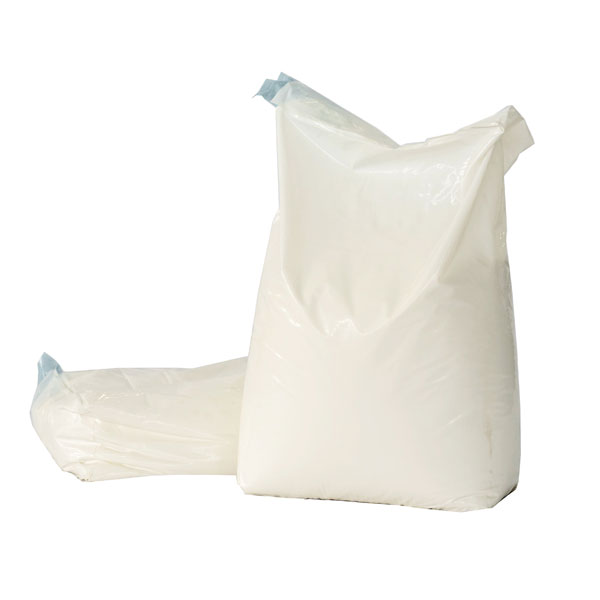
25kg PE-lined unprinted kraft paper bags for private label distributor requirements.
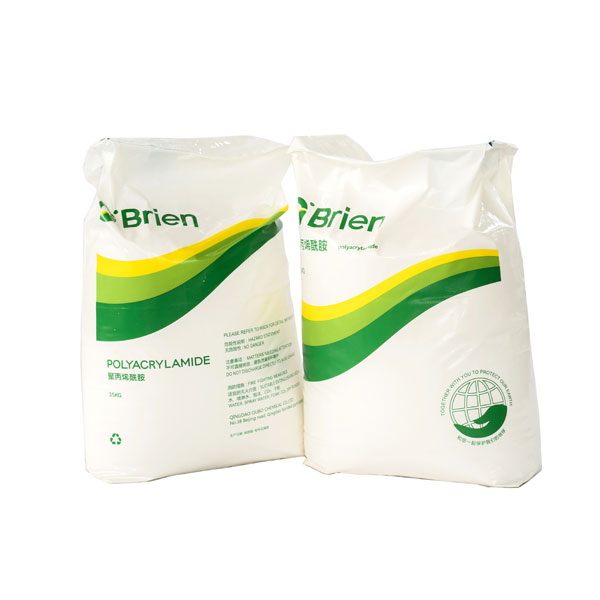
Oubo standardized 25kg multi-wall valve bags with international chemical warning labels.
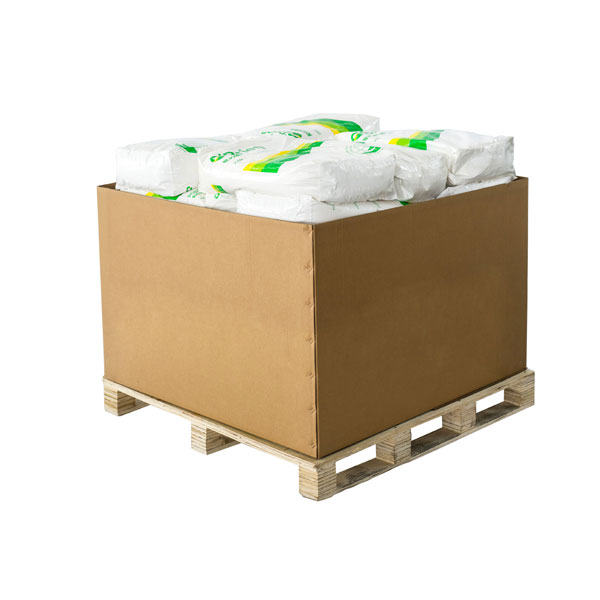
750kg – 1000kg ton bags optimized for high-volume automated paper mill dissolving systems.
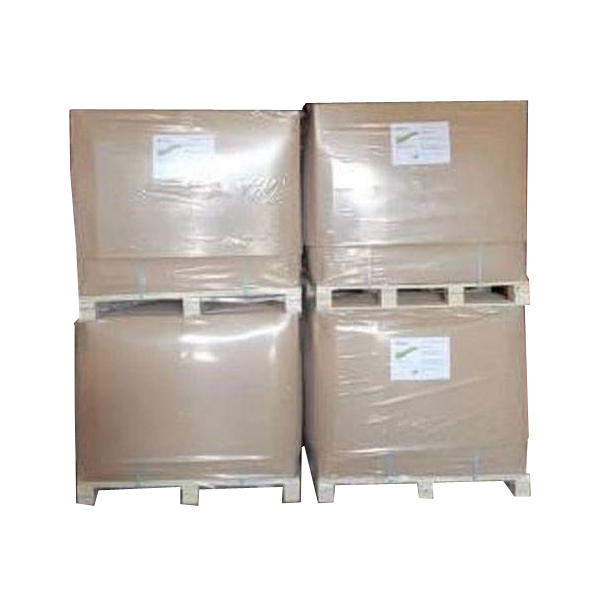
Fumigated wooden/plastic pallets wrapped with multi-layer moisture barrier film for safe handling.
Expert answers to critical operational, chemical selection, and application questions for process engineers and procurement specialists.
Complete product range for global industrial procurement and wholesale supply demands.
 Oubo Chemical