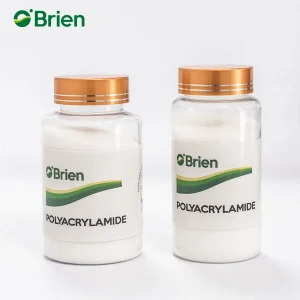
Direct manufacturer prices for industrial, municipal, and specialized polymer formulations.
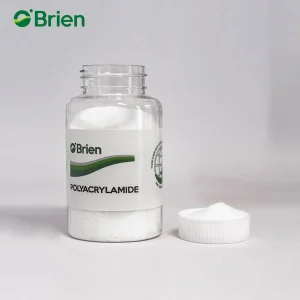
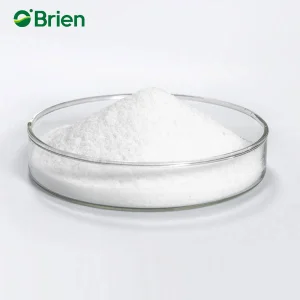
Comprehensive analysis of commercial factors, raw material indexes, and wholesale price dynamics.
The global municipal and industrial drinking water treatment market is experiencing unprecedented transformation. Driven by stringent environmental legislation (such as EPA compliance thresholds, EU Water Framework Directives, and China's Zero Liquid Discharge policies), demand for ultra-pure potable water treatment agents has scaled dramatically. Central to this sector is Polyacrylamide (PAM)—a high-molecular-weight synthetic resin prepared through the precise polymerization of acrylamide monomers.
Wholesale prices for drinking water treatment chemicals vary across global regions due to monomer feedstock costs (Acrylonitrile / AN), energy input dynamics, charge density specs, and biological vs. chemical polymerization methods. Standard bulk wholesale pricing ranges typically evaluate as follows:
| Chemical Category | Primary Application Grade | Average Wholesale Price (USD / Metric Ton) | Key Cost Drivers |
|---|---|---|---|
| Anionic Polyacrylamide (APAM) | Potable Clarification, Flocculation, Sedimentation | $1,450 – $2,300 / MT | Acrylonitrile monomer price, Hydrolysis degree (10–60%), Molecular weight (6M–25M Dalton) |
| Cationic Polyacrylamide (CPAM) | Sludge Dewatering, High Turbidity Removal | $2,200 – $3,400 / MT | DAC/DAC5 monomer synthesis, Ionicity degree (10–80%), Bio-enzymatic conversion purity |
| Nonionic Polyacrylamide (NPAM) | Acidic Water Streams, Mineral Tailings Separation | $1,800 – $2,800 / MT | Ultra-low charge control, Intrinsic viscosity index, Residual acrylamide monomer standard (<0.05%) |
| Polyaluminum Chloride (PAC) | Primary Coagulant (Drinking & Industrial) | $350 – $650 / MT | Alumina content (28–30%), Basicity levels, Heavy metal residue refining |
When evaluating Drinking Water Treatment Chemicals With Price metrics, global enterprise buyers must consider total cost of ownership (TCO) rather than raw product cost per metric ton alone. Higher-purity polymers synthesized via advanced biological enzymatic methods demonstrate substantially lower consumption rates per cubic meter of treated water. This yields significant savings in chemical sludge disposal, shipping, and automated dosing maintenance.
Leading China's polymer production with patented bio-catalytic technology and world-class raw material partnerships.
Established in 2011 in the Free Trade Zone of Qingdao, China, Oubo Chemical employs cutting-edge biological enzymatic processes for acrylamide monomer production. This patented approach ensures zero residual hazardous impurities and exceptional chain stability.
We source top-tier raw materials globally from leaders like SINOPEC and Eni. Our fully automated lines operating under ISO9001:2008 certification subject every product batch to rigorous 3-stage Quality Control testing prior to container loading.
Our dedicated technical team supports clients seamlessly across pre-sales selection, jar testing, on-site dosing optimization, and long-term after-sales performance monitoring. Over 50,000 MT annual production powers operations worldwide.
Understanding Ionic Variations, Molecular Weights, and Flocculation Mechanisms.
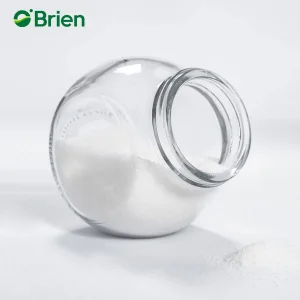
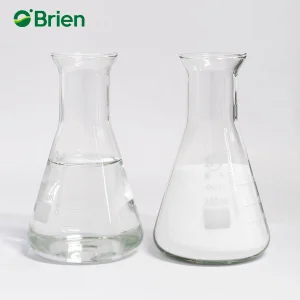
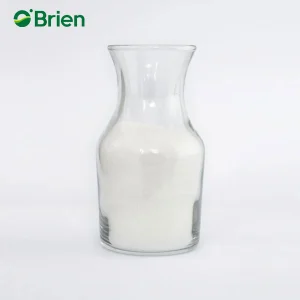
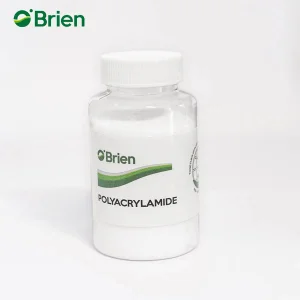
Polyacrylamide (PAM) is a water-soluble linear polymer formed by acrylamide polymerization or co-polymerization with functional acrylic monomers. The versatile physical and chemical properties of PAM enable tailored performance across diverse fluid clarification and solid-liquid separation tasks.
Mechanism: Negatively charged ionic sites adsorb onto positively charged mineral particles, creating strong inter-particle bridging.
Parameters: Molecular weight 6 Million to 25 Million; Hydrolysis 10%–60%.
Ideal Uses: Municipal potable water treatment, river intake clarification, coal washing, metallurgical beneficiation.
Mechanism: Positively charged quaternary ammonium groups neutralize negatively charged colloidal organic matter and sludge cells.
Parameters: Molecular weight 8 Million to 15 Million; Ionicity 10%–80%.
Ideal Uses: Organic municipal sludge dewatering (centrifuge/belt press), textile dye destruction, paper industry retention aids.
Mechanism: Hydrogen bonding through neutral amide groups provides bridging flocculation without ionic charge dependence.
Parameters: Molecular weight 3 Million to 12 Million; Hydrolysis < 5%.
Ideal Uses: Highly acidic industrial wastewater, high-salinity oilfield brine treatment, selective mineral leaching.
Targeted chemical polymer solutions engineered for global industrial and municipal sectors.
Used widely in primary sedimentation, secondary clarification, and sludge dewatering. Polyacrylamide acts as an efficient coagulant aid, binding micro-flocs into large, rapid-settling aggregates to deliver crystal-clear water effluent while meeting stringent drinking water monomer residue limits.
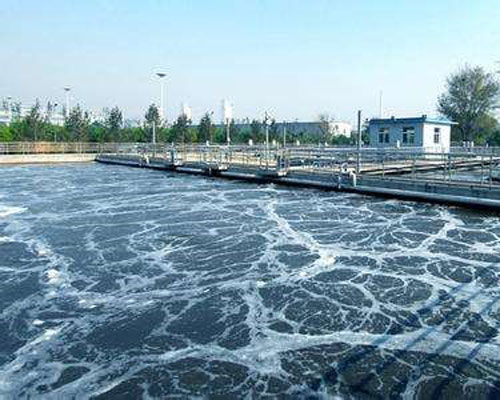
Accelerates solid-liquid separation in high-turbidity municipal intake basins.
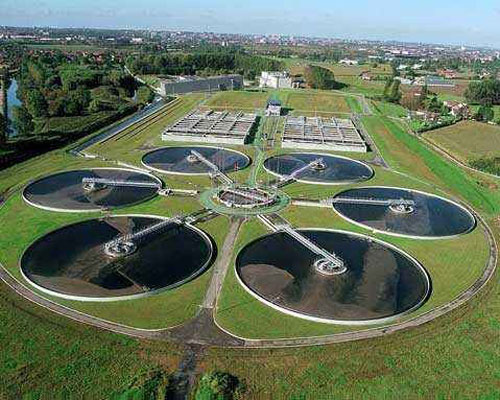
CPAM enables high dewatering cake dryness and clean filtrate recovery.
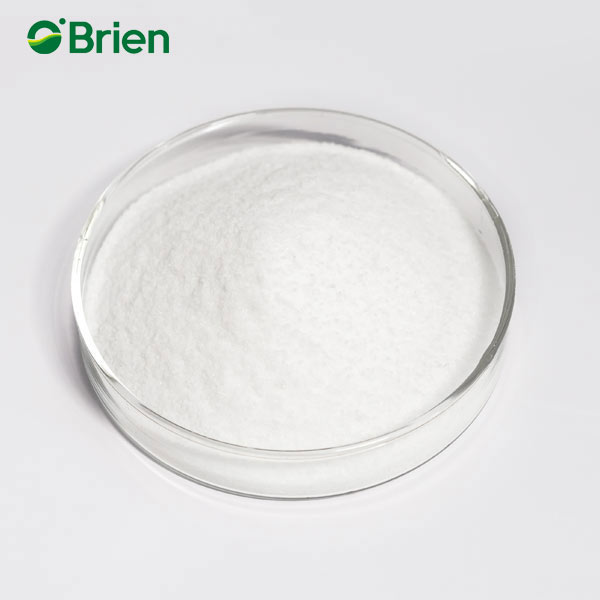
Reliable biological and chemical sludge treatment across municipal plants.
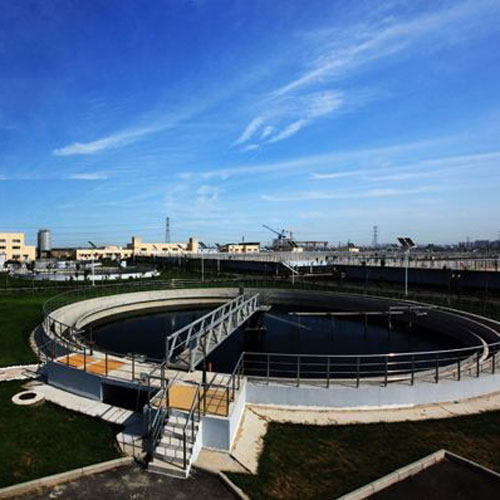
Supports Zero Liquid Discharge (ZLD) systems in chemical processing plants.
Oubo PAM formulations serve as premium dry strength agents, retention aids, cationic trash fixatives, and filter aids. They significantly increase short-fiber and filler retention, optimize wet-end chemistry balance, improve paper sheet tensile strength, and lower energy usage during drying.
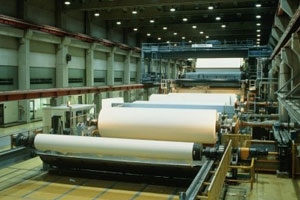
Increases fine fiber retention and speeds up paper sheet dewatering on the wire.
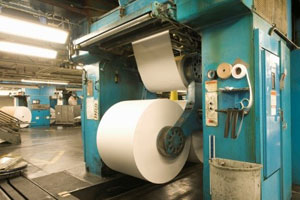
Neutralizes wet-end charge interferences to stabilize chemical additives.
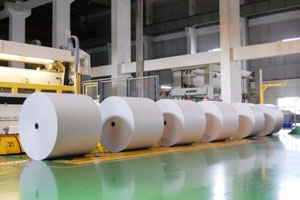
Enhances sheet formation uniformity, burst strength, and overall paper softness.
In energy and mining extraction, high-shear, shear-thinning PAM polymers enhance tertiary oil recovery (EOR), control fluid loss in drilling muds, stabilize shale formations, clarify coal washing slurry, and speed up tailings thickening for gold, copper, iron, and nickel operations.

Increases sweep efficiency and water-flooding displacement viscosity.
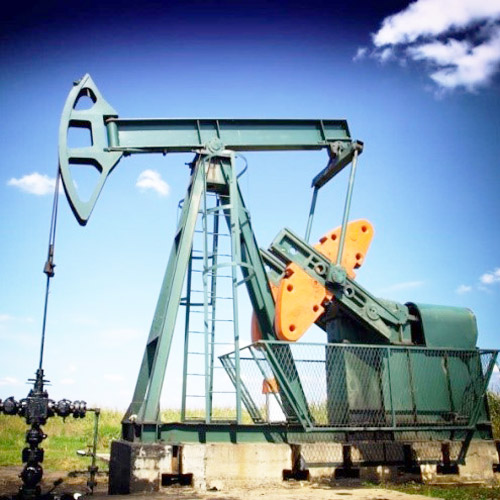
Inhibits shale hydration, cools drill bits, and improves cuttings transport capability.
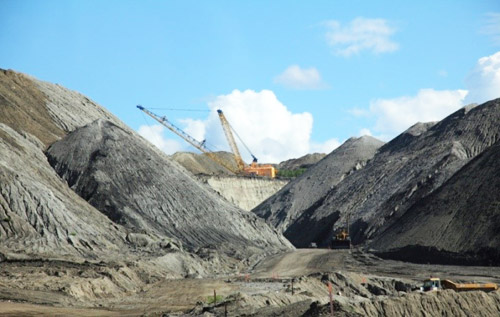
Provides rapid solid-liquid settling and mineral thickener underflow clarity.
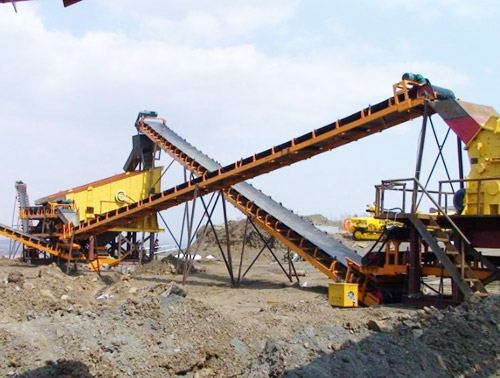
Optimizes filter cake release in copper, nickel, and gold concentrate filtration.

Enables clear supernatant water recycling for closed-loop mining loops.
Oubo's specialized polyacrylamide polymers function efficiently as juice clarification flocculants in sugar processing mills and act as sizing agents, anti-static modifiers, and color coagulation destruction agents in textile dyeing operations.
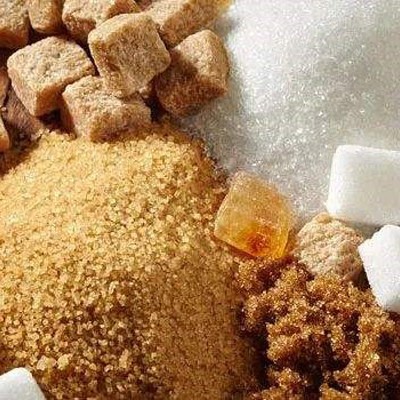
High-purity food grade PAM ensures rapid juice turbidity removal and sucrose recovery.
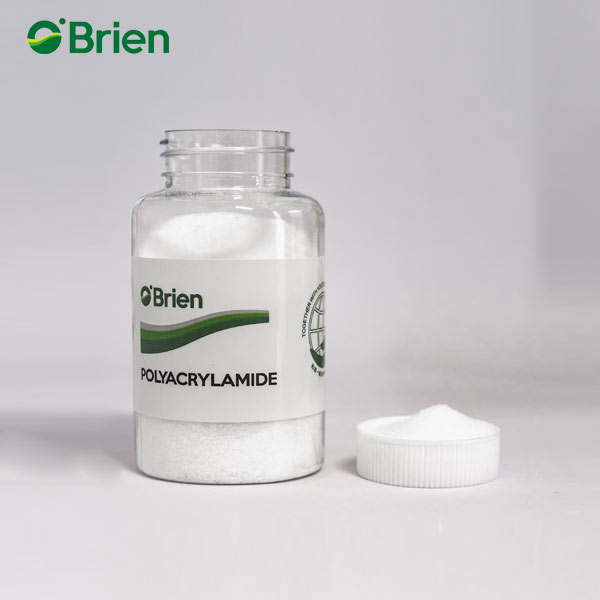
Enhances scum flotation efficiency during raw and refined sugar processing.
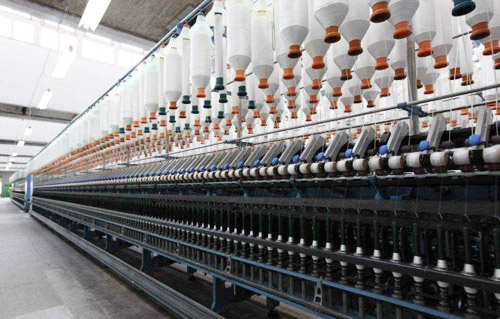
Formulated for sizing warp yarns, improving yarn smoothness, and fabric anti-static properties.

Breaks complex organic dye emulsions to achieve low COD and color discharge compliance.
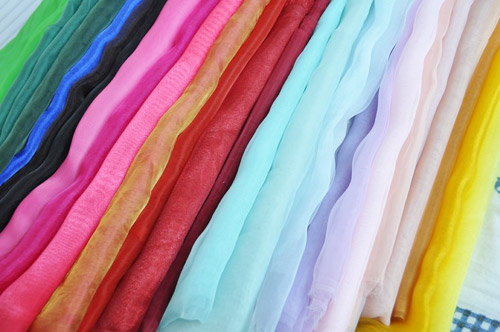
Improves textile tensile resistance and abrasion properties in high-speed looms.
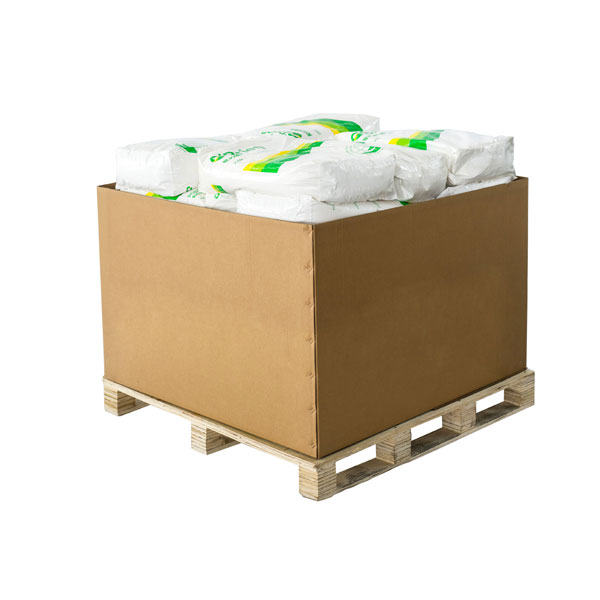
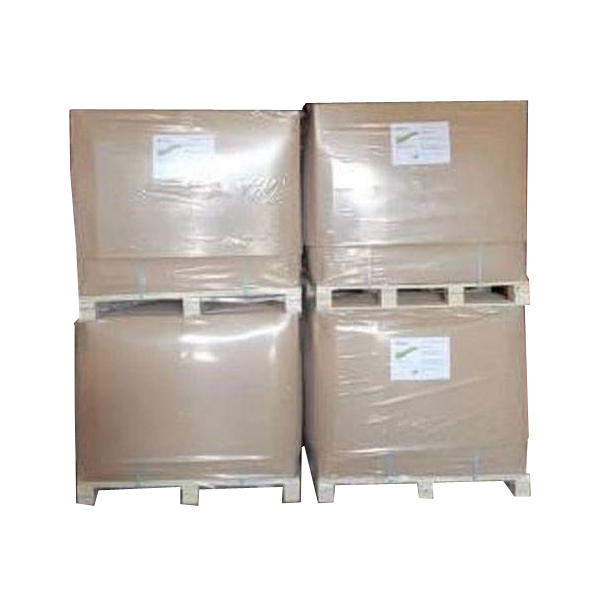
Moisture-proof, standardized packaging designed for worldwide oceanic container shipment.
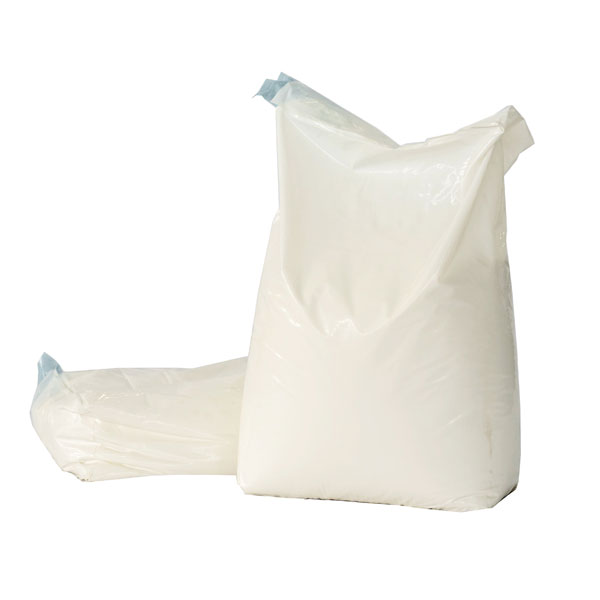
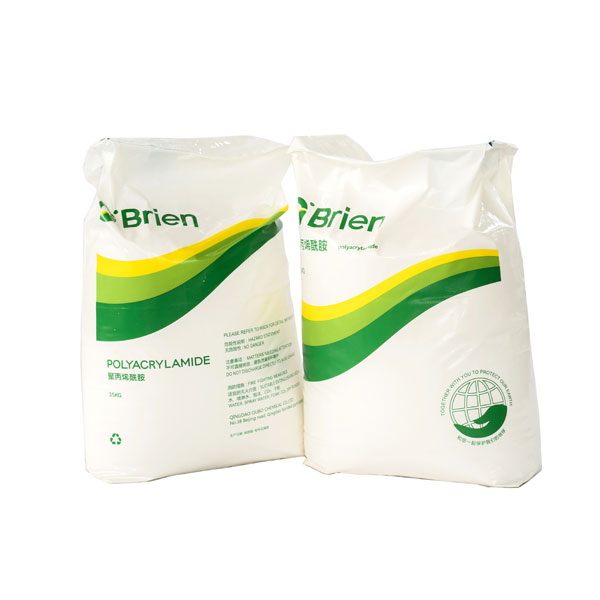
Next-generation green chemistry, bio-catalysis advancements, and automated inline dosing.
As international water purity standards shift toward micro-pollutant elimination (PFAS removal, heavy metal chelation, and microplastic coagulation), the molecular structure of drinking water polyacrylamide is evolving rapidly. Oubo Chemical’s technical roadmap highlights three core engineering breakthroughs:
Traditional chemical polymerization leaves trace residual acrylamide (AMD) monomers. Oubo’s patented bio-catalytic enzymatic technology reduces unreacted monomer levels below 0.02% (200 ppm), far exceeding European and WHO drinking water standard safety margins.
Deploying automated inline preparation and viscosity monitoring units allows real-time dosage adjustments based on incoming raw water turbidity. This prevents over-dosing, cuts chemical footprint by 15-25%, and minimizes operating expenditure (OPEX).
Moving beyond conventional linear polymer chains, star-branched PAM architecture increases spatial adsorption contact area. This yields faster settling flocs, higher resistance to high-shear mixing, and vastly improved dewatering filtration rates.
Expert insights on procurement, dosage determination, quality assurance, and pricing parameters.
Wholesale pricing for Polyacrylamide (PAM) and water chemicals depends primarily on raw material cost (Acrylonitrile / AN monomer index), ionic type (Cationic, Anionic, Nonionic), molecular weight grade, charge density, order quantity, and packaging type. Direct factory prices typically start around $1,450/MT for standard Anionic PAM and range up to $3,400/MT for specialized high-ionicity Cationic PAM. Contact our team with your specifications for a real-time CIF/FOB price quote.
Oubo utilizes a bio-enzymatic conversion process to manufacture acrylamide monomer. Unlike conventional chemical catalyst methods (such as copper catalysis), the biological route produces zero toxic chemical residues, lower unreacted monomer levels (<0.02%), exceptionally consistent molecular weight distribution, and higher water solubility, making it far safer and more efficient for potable water treatment.
The choice of polymer depends on the net electrical charge of suspended solids in your wastewater or raw water intake. Inorganic particles (such as clay, sand, silica, and mineral oxides) usually carry negative charges and require Anionic Polyacrylamide (APAM). Organic sludges (such as municipal biological sewage, food waste, or dye sludges) carry positive or complex charges requiring Cationic Polyacrylamide (CPAM). Highly acidic or non-charged slurries perform best with Nonionic Polyacrylamide (NPAM). We recommend conducting a jar test in our laboratory to determine the exact optimal type and dosage.
Dry powder polyacrylamide should be stored in a cool, dry, and well-ventilated warehouse below 35°C (95°F), sealed away from direct sunlight, moisture, and heat. Under optimal storage conditions, dry PAM powder has an official shelf life of 24 months. Aqueous solutions prepared from dry powder should ideally be consumed within 24 to 48 hours to prevent viscosity loss from chain degradation.
Oubo Chemical operates under ISO 9001:2008 Quality Management System certification. Every production batch undergoes a 3-step strict QC protocol examining intrinsic viscosity, degree of ionicity/hydrolysis, active content percentage, dissolution time, and unreacted monomer residues before release. Certificates of Analysis (COA) are provided with every shipment.
Explore specialized grade polyacrylamide products for papermaking, oilfields, and wastewater treatment.
 Oubo Chemical