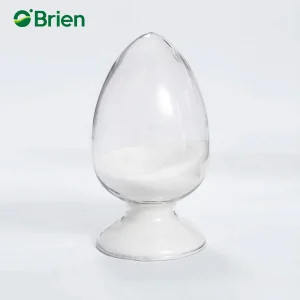
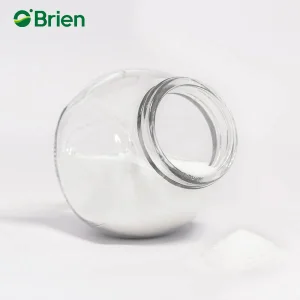
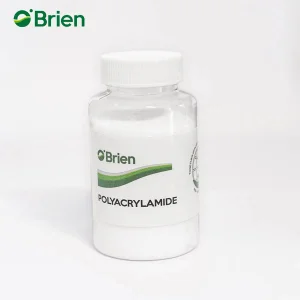
Premium Drinking Water Grade & Industrial Polyacrylamide Formulations from Oubo Chemical
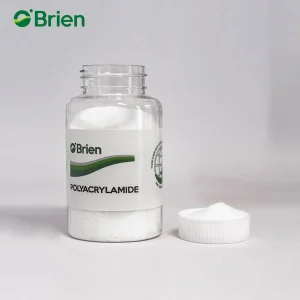
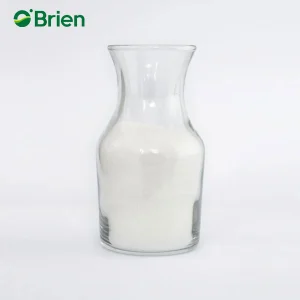
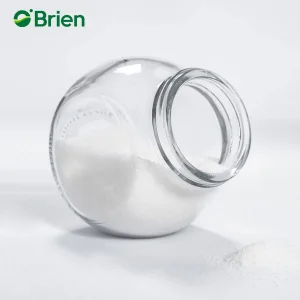
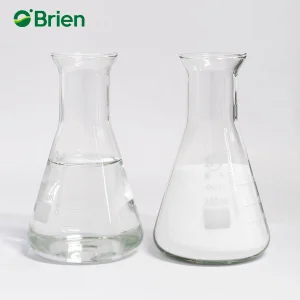
Comprehensive Technical Analysis on Low Residual Monomer Polyacrylamide Synthesis and Water Potabilization Engineering
Potable water purification requires stringently regulated chemical additives that balance clarification efficiency with toxicological safety. Drinking Water Grade Polyacrylamide (PAM), a high-molecular-weight synthetic polymer derived from acrylamide monomers, serves as a paramount coagulant aid and flocculant in municipal waterworks worldwide. However, the synthesis of drinking water grade PAM demands advanced bio-catalytic polymerization techniques to guarantee that residual Acrylamide Monomer (AMD) levels remain strictly beneath regulatory thresholds (typically < 0.05% or 500 ppm), safeguarding public health while maximizing solid-liquid separation velocity.
As a global leader in water-soluble polymer manufacturing, Qingdao Oubo Chemical Co., Ltd (established in 2011 within the Free Trade Zone of Qingdao, China) operates state-of-the-art biological synthesis facilities. Certified under ISO9001:2008, Oubo Chemical combines continuous bio-catalytic processes with rigorous multi-stage HPLC testing, maintaining a 10% annual growth rate and achieving an annual production capacity surpassing 50,000 metric tons. By sourcing premium raw materials from global industry leaders like SINOPEC and Eni, Oubo guarantees reliable, high-performance polyacrylamide solutions tailored for municipal drinking water purification, industrial effluent clarification, and resource recovery operations across more than 40 countries.
Molecular Weight, Charge Density, and Hydrolysis Dynamics in Potable Water Clarification
Synthesized via copolymerization of acrylamide and acrylic acid monomers. Characterized by high molecular weight (12 - 22 Million Daltons) and medium charge density (10% - 40% hydrolysis). Functions primarily via charge neutralization and inter-particle polymer bridging, binding negatively charged inorganic suspended solids, clay minerals, and metal hydroxides in raw river or lake water.
Produced by copolymerizing acrylamide with cationic monomers such as DAC (Acryloyloxyethyltrimethyl ammonium chloride) or DMC. Featuring cationic charge densities from 5% to 80% and molecular weights from 6 to 12 Million Daltons. Highly effective in destabilizing negatively charged organic colloids, municipal sludge conditioning, and high-bioburden raw water sources.
Homopolymerized pure acrylamide polymer possessing minimal ionic charge (hydrolysis < 5%). Exhibiting exceptional polymer chain extension in acidic media or high-salinity industrial process water. Serves as an outstanding filtration aid and selective flocculant where ionic interference must be minimized.
| Polyacrylamide Grade | Ionic Type | Molecular Weight (Million) | Degree of Hydrolysis / Charge | Residual Monomer Content | Primary Application Focus |
|---|---|---|---|---|---|
| Oubo DW-APAM 18M | Anionic | 16.0 - 18.0 | 20% - 30% | ≤ 0.025% (250 ppm) | Potable Water Clarification, Reservoir Water Treatment |
| Oubo DW-APAM 22M | Anionic | 20.0 - 22.0 | 15% - 25% | ≤ 0.030% (300 ppm) | High-Turbidity River Water Coagulation Aid |
| Oubo DW-NPAM 10M | Nonionic | 8.0 - 12.0 | 0% - 3% | ≤ 0.020% (200 ppm) | Acidic Water Treatment, Direct Filtration Aid |
| Oubo Ind-CPAM 30 | Cationic | 8.0 - 10.0 | 30% Charge Density | ≤ 0.050% (500 ppm) | Municipal Sludge Dewatering (Centrifuge / Belt Press) |
| Oubo EOR-APAM Ultra | Anionic | 22.0 - 25.0 | 25% - 35% | ≤ 0.050% (500 ppm) | Enhanced Oil Recovery (EOR) & Drilling Fluid Thickener |
Enhancing Sedimentation Velocity, Turbidity Reduction, and Filtration Efficiency in Municipal Infrastructure
In conventional municipal water treatment, inorganic salts such as Aluminum Sulfate (Alum), Polyaluminum Chloride (PAC), or Ferric Chloride are applied for primary charge neutralization. However, relying solely on inorganic coagulants often yields small, fragile flocs that settle slowly and clog sand filters. Adding Drinking Water Grade Anionic PAM at dosages ranging from 0.05 mg/L to 0.3 mg/L accelerates micro-floc aggregation. The high molecular weight polymer chains adsorb onto multiple destabilized micro-particles simultaneously, forming dense, rapidly settling macro-flocs. This synergistic approach reduces inorganic coagulant consumption by up to 30% - 40%, minimizes sludge volume, and prevents residual aluminum carryover into finished water.
Surface waters during winter months or from deep oligotrophic reservoirs frequently exhibit extremely low turbidity (< 5 NTU) combined with low water temperatures. Cold temperatures increase water viscosity and retard chemical reaction rates, severely hindering conventional coagulation. Oubo Chemical’s specialized low-temperature active Drinking Water Grade PAM features customized molecular weight distributions that rapidly hydrate and extend polymer chains even at temperatures near 0°C. By creating robust bridging linkages, it ensures effective clarification under challenging seasonal conditions without compromising water safety standards.
Eutrophic raw water sources impacted by seasonal algal blooms present major operational challenges, including filter blinding and odor formation. Cyanobacteria and organic cellular matter possess low specific gravity, making sedimentation inefficient. Utilizing Oubo Drinking Water Grade PAM in combination with Dissolved Air Flotation (DAF) systems increases micro-bubble attachment efficiency. The hydrophobic polymer segments adsorb onto algal cell walls, building buoyant floc-bubble complexes that float rapidly to the surface for automated skimming, achieving over 98% algae removal efficiency.
Navigating Worldwide Potable Water Standards, Sustainability Mandates, and Supply Chain Security
In North America, municipal drinking water treatment chemicals must strictly comply with NSF/ANSI Standard 60. The Maximum Allowable Dosage (MAL) for Polyacrylamide is typically capped at 1.0 mg/L to ensure that residual acrylamide monomer in treated drinking water does not exceed the US EPA limit of 0.5 ppb. Oubo Chemical’s Drinking Water Grade PAM rigorously adheres to these toxicity profiles.
European directives governing water potabilization enforce strict limits under the ECHA REACH registration framework. World Health Organization (WHO) drinking water guidelines establish a maximum acrylamide concentration of 0.5 μg/L. Oubo's bio-catalyzed PAM products undergo ultrafiltration processing to ensure full alignment with EU environmental and human health directives.
Rapid industrial expansion and population density across Asia-Pacific and the Middle East drive immense demand for drinking water clarification and seawater reverse osmosis (SWRO) pretreatment. PAM serves as a critical coagulant aid to prevent silt and organic fouling on RO membranes, extending membrane lifespan and reducing operational expenditure.
Patent-Protected Bio-Synthesis Process, Integrated Supply Chain, and Comprehensive Technical Support
Qingdao Oubo Chemical utilizes patented enzymatic microbial bio-catalysis for acrylamide monomer synthesis. Unlike traditional chemical copper-catalyzed methods, biological conversion operates under ambient conditions, producing zero toxic heavy metal residues and yielding monomer purity exceeding 99.9%, establishing the foundation for safe drinking water polymers.
All raw materials are procured from global market leaders including SINOPEC and Eni. Production lines feature fully automated process monitoring. Every batch undergoes 3 separate quality inspections by our QC team—evaluating molecular weight, dissolution rate, intrinsic viscosity, and HPLC residual monomer verification—prior to export release.
Our specialized technical team collaborates directly with plant engineers across pre-sales jar testing, dosage calibration, pump system integration, and post-sales optimization. We provide custom polymer tailoring to address varying pH, salinity, and mineral solids across distinct global water basins.
Tailored Polymer Solutions for Water Treatment, Pulp & Paper, Oilfield, Mining, and Processing Industries
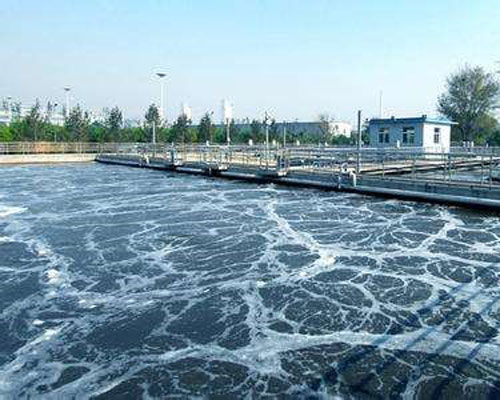
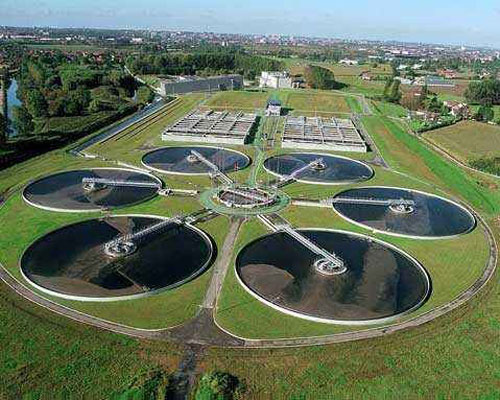
Serves as a high-efficiency flocculating agent in solid-liquid separation processes, including primary settlement, clarification, and sludge dewatering. Widely implemented across urban sewage treatment plants, leather processing, paper mills, citric acid extraction, pharmaceutical effluent, dyeing facilities, and food processing wastewater.
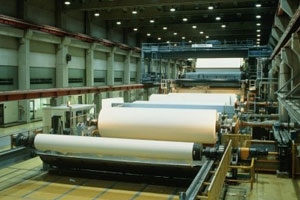
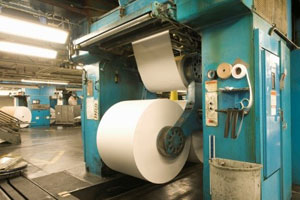
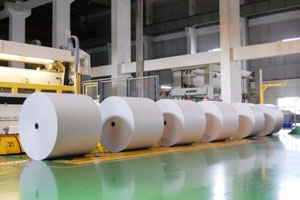
Functions as retention aid, filter aid, dry/wet strength agent, and dispersant. Significantly enhances paper physical strength, minimizes fine fiber loss, improves machine dewatering speed, neutralizes anionic garbage, and clarifies paper machine white water during recycling and de-inking operations.
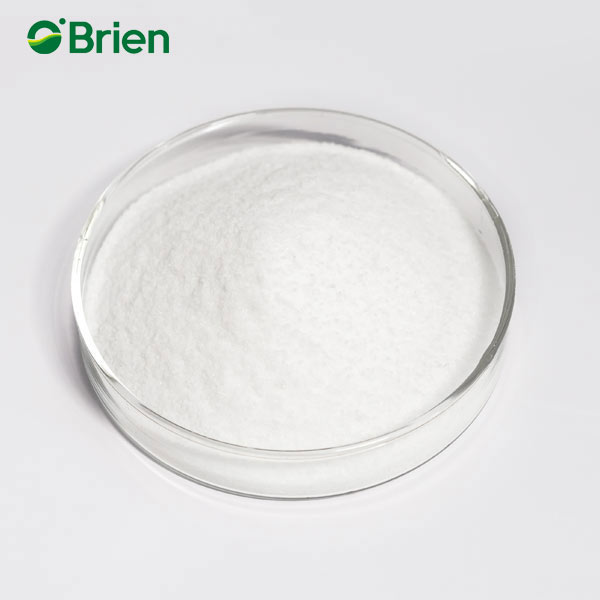


Extensively applied in Enhanced Oil Recovery (EOR), tertiary mobility control, drilling fluid fluid-loss reduction, shale inhibition, well cementing, and fracturing fluid friction reduction. Optimizes rheology and viscosity in high-temperature, high-salinity reservoir environments.

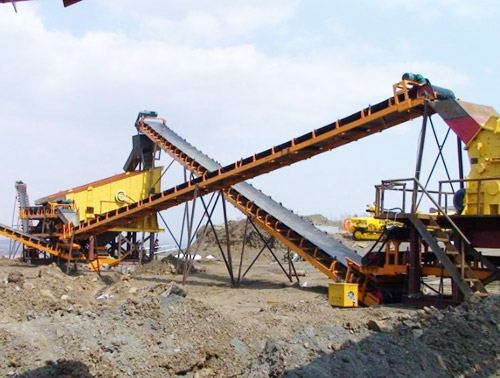

Facilitates rapid solid-liquid separation in coal washing, mineral tailing dewatering, and leach liquor clarification. Highly efficient across precious metal extractions including gold, silver, copper, iron, nickel, and alumina production processes.
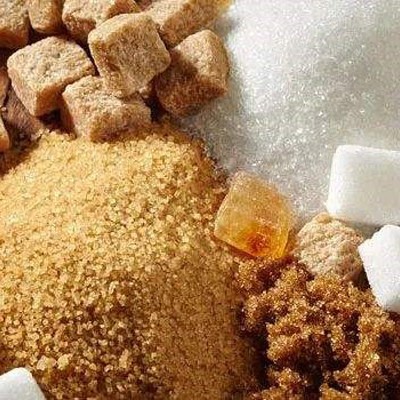
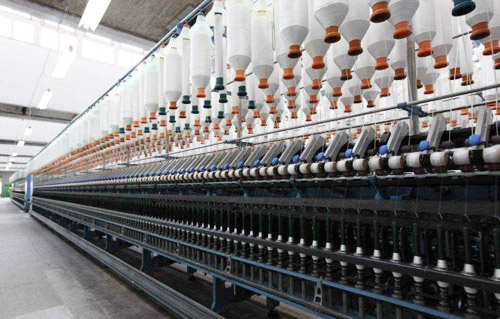
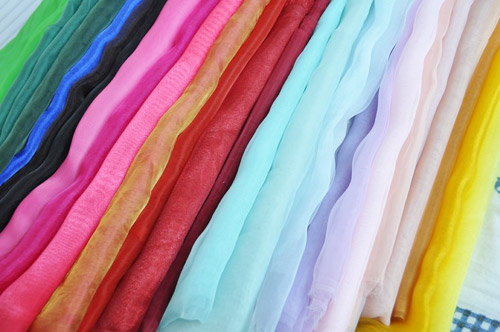
In sugar manufacturing, PAM promotes rapid juice clarification and flotation settling. In textiles, it serves as an indispensable sizing agent, fabric finishing aid, and dye-house wastewater decolorizing flocculant.
Standard Packaging Options, Palletization Specifications, and Preparation Best Practices
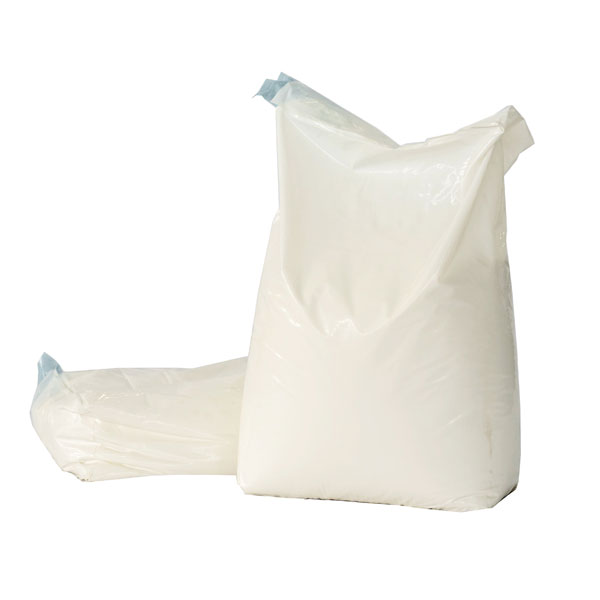
25kg multi-wall Kraft paper bag with inner PE moisture barrier. Ideal for OEM white-label distributors.
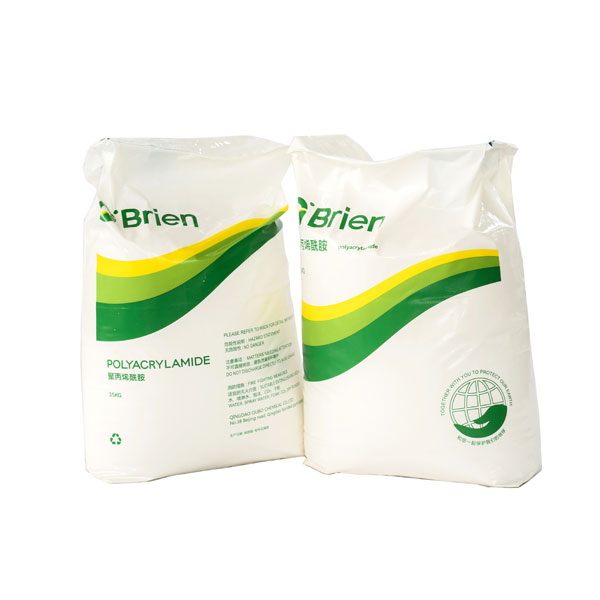
25kg O'brien branded high-strength valve bag, fully sealed against humidity and UV degradation.
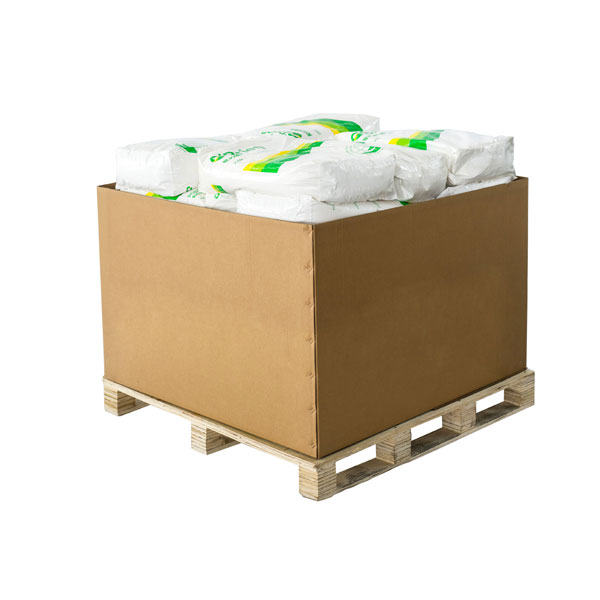
750kg - 1000kg super sacks equipped with bottom discharge spouts for large-scale municipal applications.
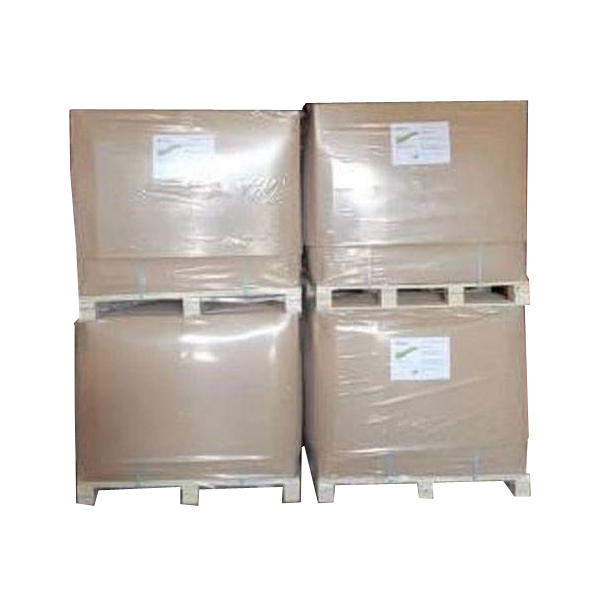
ISPM-15 compliant wooden or plastic pallets wrapped in heavy stretch-film, maintaining load stability during ocean freight.
Next-Generation Smart Flocculants and Sustainable Bio-Polymer Innovations
As environmental regulations tighten globally, the water treatment chemical sector is undergoing rapid technical evolution. Oubo Chemical’s R&D division continues to pioneer advanced polymer architectures focused on enhanced performance and reduced environmental footprint:
Through genetic optimization of microbial nitrilase enzymes, Oubo is advancing third-generation bio-catalysts capable of converting acrylonitrile to monomeric acrylamide with near 100% conversion efficiency. This process eliminates trace impurities entirely, yielding Drinking Water Grade PAM with undetectable residual monomer (< 100 ppm), far exceeding standard international requirements.
For applications involving high ionic strength—such as oilfield produced water recycling and industrial brine clarification—Oubo is deploying hydrophobically modified water-soluble polymers (HAPAM). These smart polymers exhibit reversible self-assembly in solution, maintaining high flocculation efficiency even in hypersaline conditions exceeding 100,000 mg/L Total Dissolved Solids (TDS).
In response to emerging global microplastic and persistence concerns, Oubo Chemical is investing heavily in hybrid biopolymer matrices. By grafting polyacrylamide branches onto natural polysaccharide backbones (such as starch, cellulose, and chitosan), we are developing effective flocculants that demonstrate accelerated natural environmental degradation post-discharge while retaining superior solid-liquid separation capabilities.
Expert Guidance on Selection, Safety Compliance, Storage, and Dosage Optimization
High-Performance Nonionic, Anionic, and Cationic Flocculant Solutions from Factory Directly
 Oubo Chemical