Direct Factory Wholesale Solutions for Oilfield Fluid Systems, Mining, and Municipal Water Treatment
Comprehensive Market Analysis, Industrial Drivers, and Supply Chain Benchmarks
Polyacrylamide (PAM) and its tailored ionic variants—Partially Hydrolyzed Polyacrylamide (HPAM), Hydrophobically Associated Polyacrylamide (HAPAM), Cationic Polyacrylamide (CPAM), and Nonionic Polyacrylamide (NPAM)—serve as the technological backbone for modern water-based drilling muds (WBMs), enhanced oil recovery (EOR) sweeps, and complex industrial solids-liquid separation processes. The global demand for specialized drilling polymer polyacrylamide has witnessed unprecedented growth, propelled by the relentless expansion of deepwater exploration, ultra-deep onshore drilling, unconventional shale gas extraction, and increasingly stringent international environmental mandates concerning drill cuttings and industrial effluent treatment.
Key Market Insight: High-molecular-weight drilling polymers are no longer viewed merely as simple thickeners. Modern energy projects require multi-functional macromolecules capable of maintaining shear-thinning rheology, resisting extreme shearing forces at the drill bit, preventing hydration swelling of reactive clay shale formations, and minimizing fluid filtration loss under High-Temperature and High-Pressure (HTHP) conditions.
The supply chain landscape for industrial polyacrylamide has transitioned toward highly integrated, automated manufacturing clusters. Qingdao Oubo Chemical Co., Ltd., located within the Free Trade Zone of Qingdao, China, exemplifies this modern industrial capability. Combining advanced biological enzymatic polymerization technologies with top-tier raw material sourcing (partnering with global chemical leaders such as SINOPEC and Eni), global manufacturers can now produce polyacrylamide with ultralow residual monomer content (<0.05%), exact molecular weight distribution (ranging from 3 Million to over 26 Million Daltons), and custom ionic charge densities (from 5% to 80%).
The commercial viability of drilling polymers is intimately tied to the global rig count, reservoir complexity, and tertiary oil production operations (EOR). As conventional oil reservoirs mature, operators heavily rely on polymer flooding using ultra-high molecular weight APAM to modify mobility ratios and sweep efficiency. Simultaneously, the hydraulic fracturing market relies on cross-linked polymer gels and friction reducers to transport proppants efficiently into complex subsurface fracture networks.
Tailored Rheological Solutions for Regional Geophysical Challenges
In regions like the Permian Basin, Marcellus, and Bakken, drillers utilize High-MW Anionic Polyacrylamide as rapid friction reducers in slickwater fracturing. The polymer reduces hydrodynamic friction pressures by up to 70-80% in high-rate pumping systems while maintaining strict salt tolerance against produced brine.
Deep drilling across carbonate reservoirs in the Middle East demands thermally stable, salt-tolerant polyacrylamides. Modified polymers incorporating ATBS (2-Acrylamido-2-Methylpropanesulfonic Acid) monomers are deployed to resist degradation from high total dissolved solids (TDS) and temperatures exceeding 130°C.
In offshore drilling platforms and intensive mineral processing operations (such as Australian bauxite and Chinese coal washing), Nonionic and Cationic PAMs are vital for ultra-fast solid-liquid separation, tailings dewatering, and closed-loop water recycling.
World-Leading Manufacturer of High-Performance Polyacrylamide Polymers
Oubo Chemical Co., Ltd was established in 2011, located in the Free Trade Zone of Qingdao, China. The QC system of O'Brien / Oubo is strict and comprehensive. Over the past decade, our annual business growth rate has consistently exceeded 10%. Qingdao Oubo Chemical Co., Ltd. is highly committed to product quality, technical field service, and minimizing environmental impact during polymer synthesis and field application.
Oubo specializes in manufacturing and supplying full-spectrum Cationic Polyacrylamide (CPAM), Anionic Polyacrylamide (APAM), and Nonionic Polyacrylamide (NPAM). Equipped with automated, state-of-the-art biological polymerization lines and staffed by senior polymer chemistry experts, Oubo ensures every batch delivers consistent molecular weight, exact hydrolysis levels, and rapid dissolution rates. Our annual polyacrylamide production capacity surpassed 50,000 Metric Tons, backed by full ISO9001:2008 Quality Management System certifications.
Qingdao OUBO Chemical Co., Ltd. is a global leader in PAM manufacturing. We utilize proprietary biological enzymatic methods for monomer synthesis, backed by registered patents. We invest over €200 million into cumulative research and development to maintain unmatched technological innovation.
Our raw material supply chain is fully integrated with global energy giants like SINOPEC and Eni. Our fully automated production lines comply strictly with ISO9001 standards. Every production lot undergoes triple testing by our internal QC lab before dispatch.
With deep specialized experience in polyacrylamide synthesis, our technical engineers directly assist customers during pre-sales laboratory jar testing, product selection, polymer dissolution unit setup, and field performance tracking.
Our dedicated engineering team collaborates throughout the pre-sales, active sales, and post-delivery phases to provide client-tailored polymer chemistry solutions that ensure maximum ROI and operational efficacy.
Understanding Physical Forms, Molecular Structure, and Charge Density
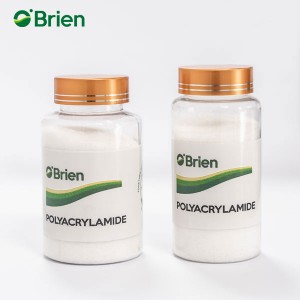
Synthesized by copolymerizing acrylamide with cationic monomers (such as DAC or ADAME). Positively charged polymer chains adsorb negatively charged organic colloidal particles, facilitating rapid sludge dewatering in municipal and industrial wastewater.
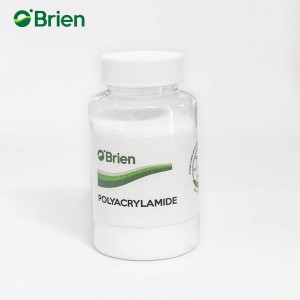
Copolymerized with acrylamide and acrylate monomers. Carrying negative functional charges, APAM excels at bridging inorganic suspended solids, clay minerals, and mineral slurry particles in neutral to alkaline water environments.
Homopolymerized pure acrylamide polymer possessing neutral ionic charge. Highly stable in acidic, highly saline, or low-pH industrial effluents where ionic polymers experience charge dissipation or precipitation.
Tailored Polyacrylamide Chemistry Across Vital Global Infrastructure Sectors
Polyacrylamide plays a mission-critical role in oil field drilling operations, profile modification, water shut-off plugging agents, and fracturing fluids. In water-based drilling muds, high-MW APAM acts as a primary rheology modifier, lowering fluid filtration loss, encapsulating drill cuttings for efficient solids removal, lubricating bit strings, and inhibiting shale hydration swelling.
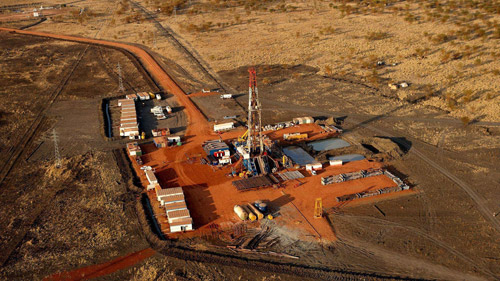
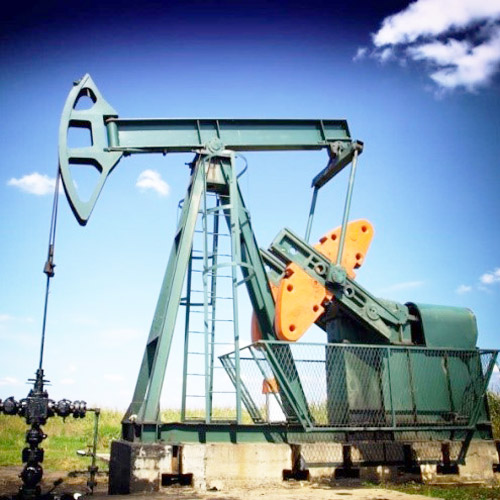
Primary Application Vectors: Enhanced Oil Recovery (EOR) sweep mobility control, Friction Reduction in Hydraulic Fracturing Slickwater, Water-Based Drilling Mud Thickening, Oil Sands Tailings Flocculation.
As an advanced flocculating agent, polyacrylamide is heavily utilized in solid-liquid separation processes including sedimentation, water clarification, thickeners, and mechanical sludge dewatering. Increasingly stringent environmental discharge regulations worldwide drive continuous demand for high-efficiency polyacrylamide flocculants.
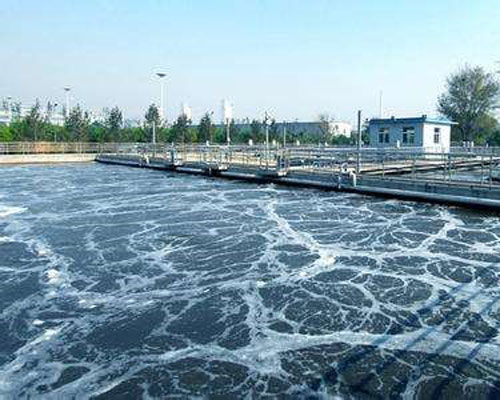
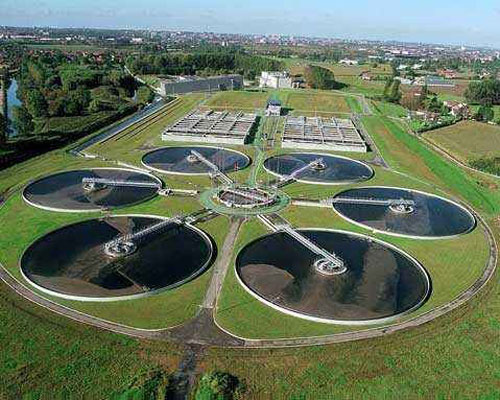
Beyond municipal wastewater purification, Oubo PAM formulations are widely applied in leather manufacturing, pulp & paper effluent, citric acid processing, plant protein extraction, textile dyeing, and pharmaceutical wastewater treatment.
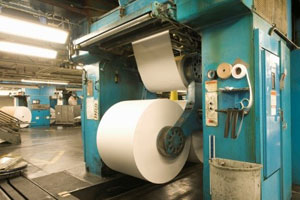
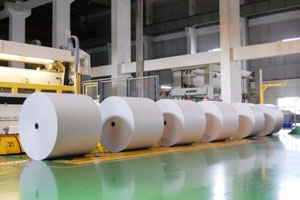
In papermaking wet-end processing, polyacrylamide serves as a dry strength agent, retention aid, filter aid, and dispersant. It enhances sheet physical strength, minimizes fine fiber loss, improves drainage rates, and clears white water loops.
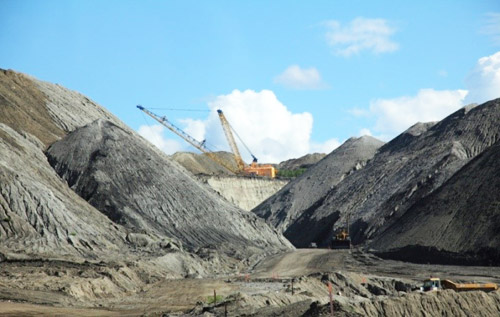
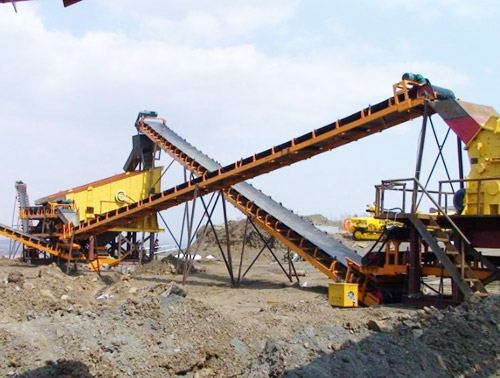
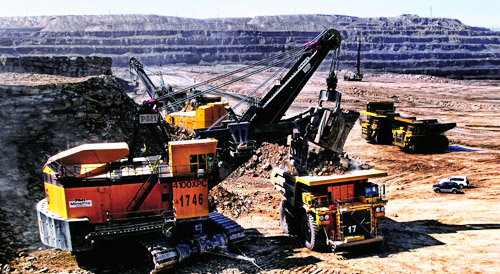
Modern mineral extraction operations rely heavily on PAM for rapid clarification of mineral slurries, thickener overflow clarification, and tailing pond water recovery. Nonionic, anionic, and cationic polymers at tailored molecular weights accommodate diverse ore matrices including gold, silver, copper, nickel, iron ore, and coal washing.
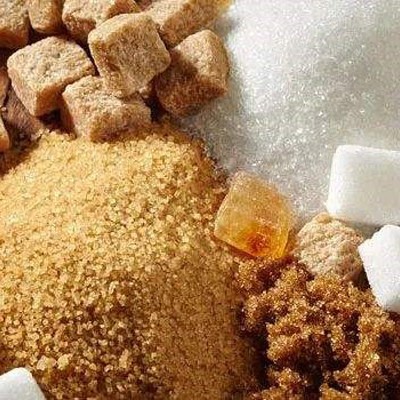
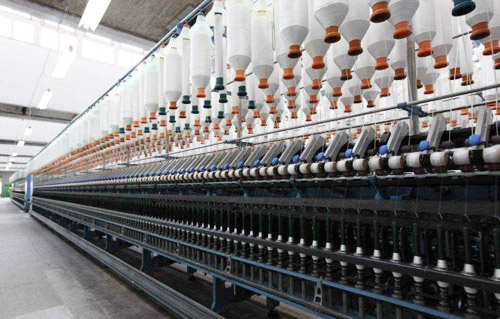
In sugar manufacturing, polyacrylamide acts as a high-purity settling aid for cane juice clarification and syrup flotation. In textiles, high-viscosity PAM functions as a fabric sizing agent, finishing agent, and protective coating to reduce yarn breakage during high-speed weaving.

Pioneering Next-Gen Nanocomposites, Bio-Monomers, and Smart Rheology Modifiers
Integration of functionalized silica nanoparticles and graphene oxide nanosheets into polyacrylamide hydrogel matrices dramatically boosts mechanical shear stability and heat tolerance, enabling stable drilling performance up to 200°C.
Responding to strict offshore environmental regulations (such as OSPAR harmonized mandatory lists), current research focuses on bio-derived acrylamide building blocks that deliver rapid marine biodegradability without compromising viscosity yields.
Developing pH- and temperature-responsive polyacrylamide structures that self-adjust viscosity depending on reservoir depth. These smart polymers minimize surface pumping resistance while thickening automatically in reservoir zones.
Customized Industrial Packaging Solutions to Protect Polymer Quality During Oceanic Transit
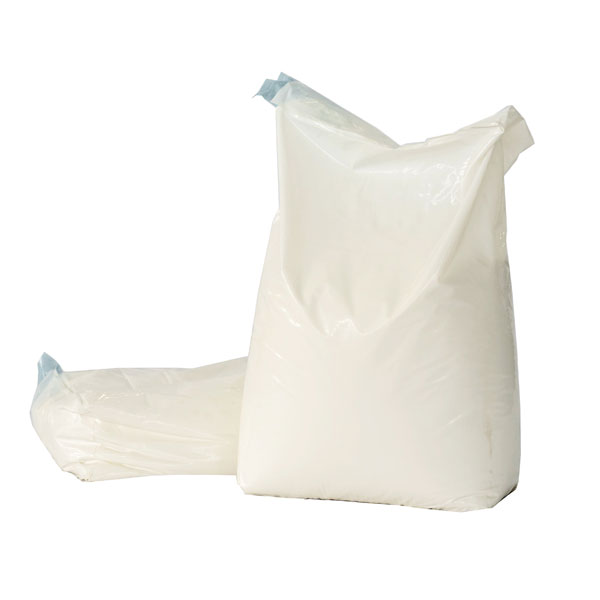
25kg multi-wall paper-plastic composite bag with inner PE liner, suitable for neutral OEM distribution.
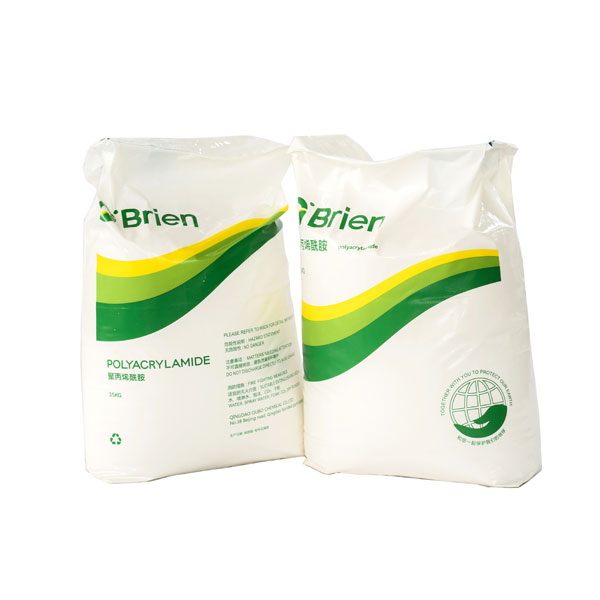
Standardized high-strength moisture-proof printed bag showing batch number and specs.
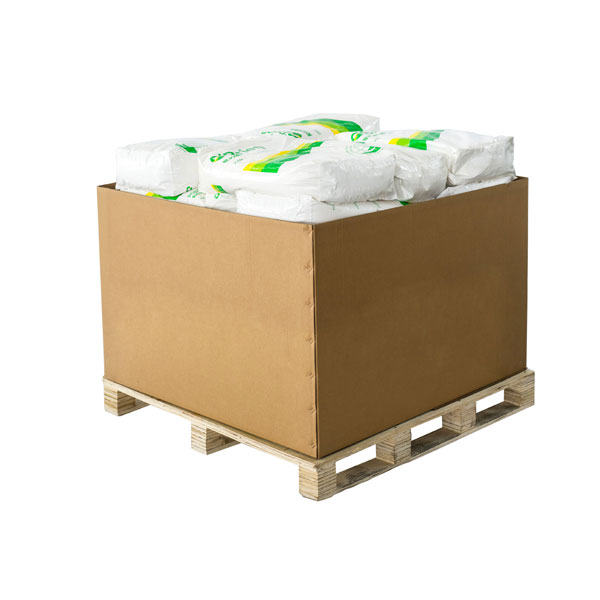
750kg - 1000kg industrial ton bag with bottom discharge spout for high-volume automated operations.
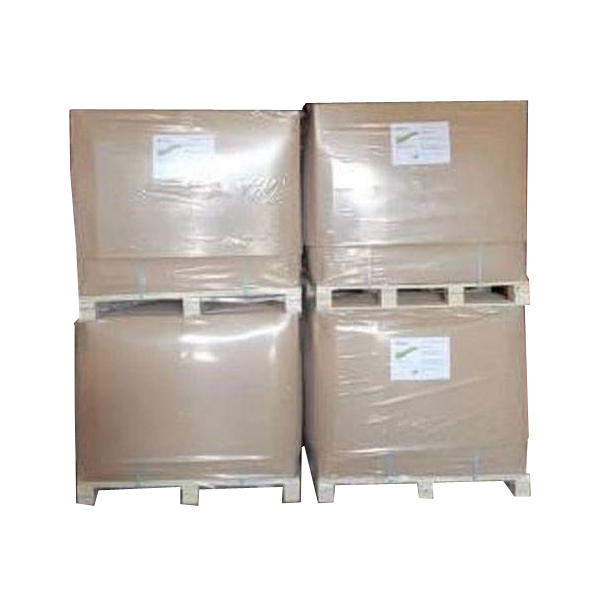
Fumigated wooden/plastic pallets wrapped in stretch film for secure forklift handling and sea freight container loading.
Expert Answers to Technical Questions Regarding Polyacrylamide Procurement and Field Application
Explore Direct Factory Order Specifications for Industrial Operations
 Oubo Chemical