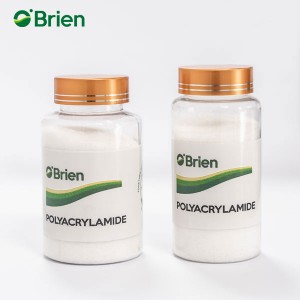
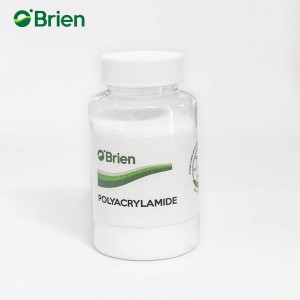
Direct factory supply of high-performance Anionic, Cationic, and Nonionic PAM formulations for global drilling, wastewater, and mineral extraction enterprises.
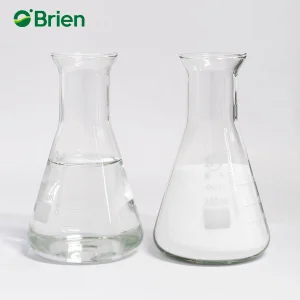
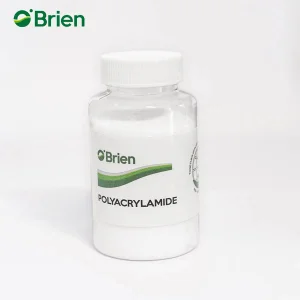
In-depth analysis of rheology modification, shale encapsulation, and fluid loss reduction in deep oilfield exploration.
Anionic Polyacrylamide (APAM), specifically high-molecular-weight Hydrolyzed Polyacrylamide (HPAM), stands as a cornerstone chemical additive in modern upstream oil & gas drilling, horizontal directional drilling (HDD), and deep geothermal well development. As exploration extends into HPHT (High-Pressure, High-Temperature) environments and complex shale formations, the demand for sophisticated drilling fluid additives that deliver superior rheological control, friction reduction, and bore-hole stabilization has grown exponentially worldwide.
In water-based drilling muds (WBM), Anionic Polyacrylamide performs critical multi-functional roles: it serves as a primary viscosifier, shale inhibitor, friction reducer, and filtration loss control agent. Its long polymer chains adsorb onto negatively charged clay minerals and drill cuttings, encapsulating reactive shale to prevent hydration, swelling, and wellbore collapse. This mechanism dramatically lowers non-productive time (NPT) for drilling operators and protects formation integrity.
Increases low-shear-rate viscosity (LSRV) to maximize cutting carrying capacity, ensuring efficient hole cleaning without raising high-shear viscosity that taxes mud pumps.
Forms a protective polymeric membrane over drill cuttings and exposed shale walls, neutralizing active clays and mitigating bit balling and hole enlargement.
Creates a low-permeability filter cake on wellbore surfaces, significantly minimizing fluid migration into permeable hydrocarbon formations.
| Grade / Parameter | Molecular Weight (Million Daltons) | Anionic Degree (Hydrolysis %) | Solid Content (%) | Dissolution Time | Primary Drilling Application |
|---|---|---|---|---|---|
| APAM Ultra-High MW | 18.0 - 25.0 | 20% - 30% | ≥ 89% | ≤ 50 min | EOR polymer flooding, Drag reduction, High-shear muds |
| APAM High MW (Standard) | 12.0 - 18.0 | 15% - 25% | ≥ 88% | ≤ 45 min | Shale inhibition, Viscosifying WBM, Hole cleaning |
| APAM Medium MW | 8.0 - 12.0 | 10% - 20% | ≥ 88% | ≤ 40 min | Flocculation, Solids control equipment, Mud clarification |
| HTHS Co-Polymer (AMPS/APAM) | 10.0 - 16.0 | 25% - 35% | ≥ 90% | ≤ 60 min | Ultra-deep wells (>150°C), Saline & offshore drilling fluids |
Leveraging World-Class Biological Polymerization, Scale Economies, and Strategic Port Logistics in the Qingdao Free Trade Zone.
Oubo Chemical Co., Ltd was established in 2011, located strategically within the Free Trade Zone of Qingdao, China. Over the past decade, Oubo has sustained an average annual business growth rate of over 10%, scaling its manufacturing infrastructure to become a global leader in water-soluble polymer synthesis. The quality management system of Oubo has been officially certified under ISO9001:2008 standards.
In 2018, Oubo's annual production capacity broke through 50,000 Metric Tons. By utilizing advanced biological enzymatic methods (microbial catalytic conversion) for monomer synthesis—a proprietary technology backed by extensive patent portfolios—Oubo produces high-purity polyacrylamide with ultra-high molecular weights, negligible monomer residuals (<0.05%), and exceptionally stable chain structures.
Qingdao OUBO Chemical Co., Ltd. is a global manufacturing powerhouse. By employing cutting-edge biological methods to synthesize acrylamide monomers, our process drastically reduces energy consumption and chemical impurities. We re-invest heavily in R&D to continuously push performance boundaries.
Integrated global supply chain sourcing. Key raw materials are procured from leading international chemical producers including SINOPEC and Eni. Our fully automated continuous polymerization lines ensure batch-to-batch consistency. Every batch undergoes 3 rigorous tests by our dedicated QC team prior to shipping.
Our senior engineering team actively engages across pre-sales evaluation, sample testing, on-site mud formulation design, and post-delivery performance optimization. We assist buyers in selecting the exact molecular weight and ionic charge for tailored well conditions.
Situated in the Qingdao FTZ adjacent to Qingdao Port—one of the largest deep-water ports in the world—we offer seamless ocean freight logistics, minimized lead times, competitive freight rates, and flexible global delivery capabilities (FOB, CIF, DDP).
From modern oilfield extraction to eco-friendly municipal sludge dewatering and industrial processing.
Polyacrylamide is widely used in oil exploration, profile control, plugging agents, drilling fluids, and fracturing fluid additives. It provides low fluid loss, flocculation, shale inhibition, viscosity dilution, cooling, drill string lubrication, and solids transport.
Mainly used in industrial solid-liquid separation processes including sedimentation, clarification, thickening, and sludge dewatering. Highly effective in municipal sewage treatment and diverse industrial effluents.
Serves as retention aids, drainage aids, dry strength agents, and dispersants. Enhances paper physical strength, lowers fiber loss, improves white water clarity, and aids deinking processes.
Facilitates efficient solid-liquid separation by filtration, sedimentation, and centrifugation across coal washing and metal ore beneficiation plants.
Specifically formulated nonionic and anionic flocculants applied in sugar juice clarification, mud settling, and froth flotation in sugarcane and sugar beet mills.
Functions as a textile sizing agent, finishing auxiliary, soil conditioner for moisture retention, anti-soil erosion polymer, and stabilizer in paints and latex coatings.
Key technical criteria for evaluating Anionic Polyacrylamide suppliers, total cost of ownership, and emerging market trends.
When procuring APAM / HPAM additives for drilling mud systems, global procurement teams must evaluate:
The global polyacrylamide market is undergoing key strategic shifts:
We offer customizable OEM packaging solutions designed for international sea transport, humidity resistance, and long-term storage stability.
Expert insights on drilling fluid polyacrylamide specification, usage, and procurement.
HPAM is a specific sub-category of Anionic Polyacrylamide produced by partial hydrolysis of polyacrylamide, converting amide groups (-CONH2) into carboxylate groups (-COO-). In drilling fluids, HPAM provides superior hydration, mud viscosity enhancement, and shale encapsulation due to its charged carboxylic functional groups interacting with formation clays.
APAM functions via polymer bridging and adsorption. The anionic polymer chains attach to the positively charged edge sites of clay minerals (such as bentonite and montmorillonite), coating shale cuttings in a protective polymer sheath. This prevents water molecules from penetrating the shale matrix, thereby eliminating shale swelling, dispersion, and bit balling.
Typical dosage of APAM/HPAM ranges from 0.5 kg to 3.0 kg per cubic meter of drilling mud (0.17 to 1.0 lb/bbl), depending on target viscosity, solids loading, and well depth. For high-shear friction reduction in fracturing, dosages can be as low as 0.05% to 0.15% concentration.
Oubo's biological enzymatic technology utilizes bio-catalysts at room temperature, preserving high molecular weight chain lengths without thermal degradation. It results in ultra-pure polyacrylamide with negligible unreacted monomer residuals (<0.05%), superior water solubility, and zero heavy metal contamination (e.g., copper ions).
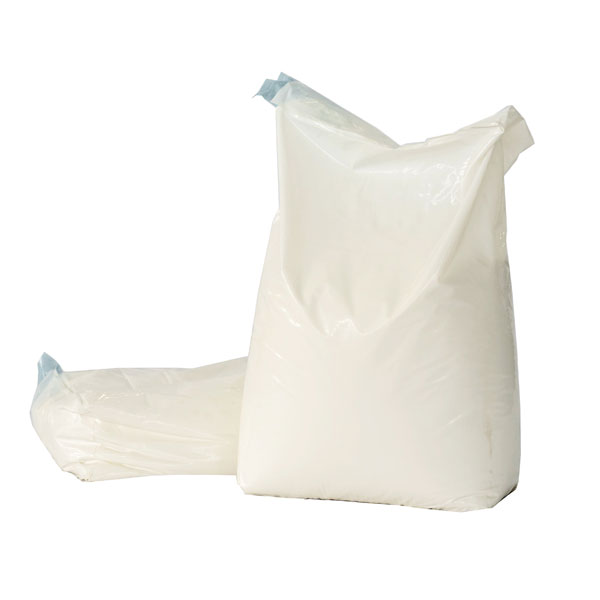
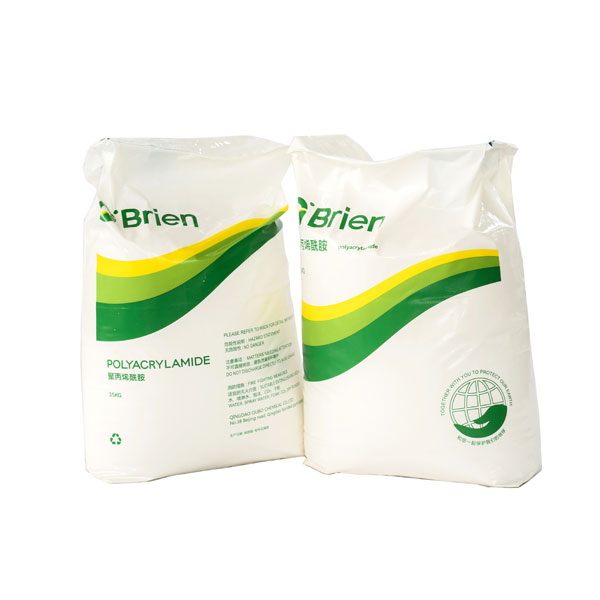
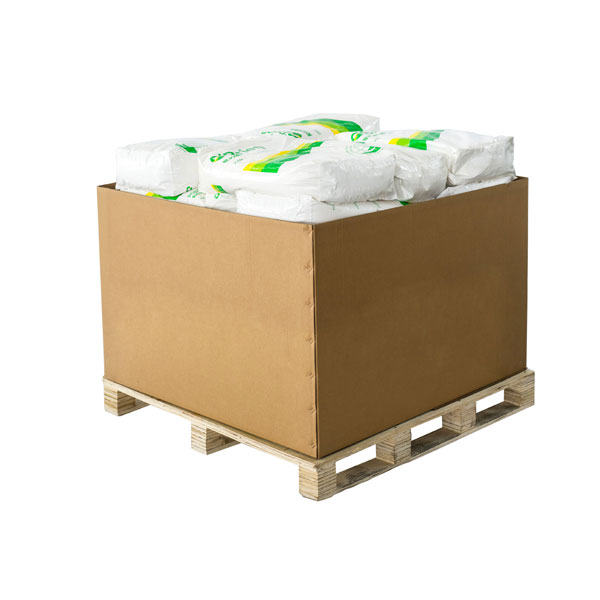
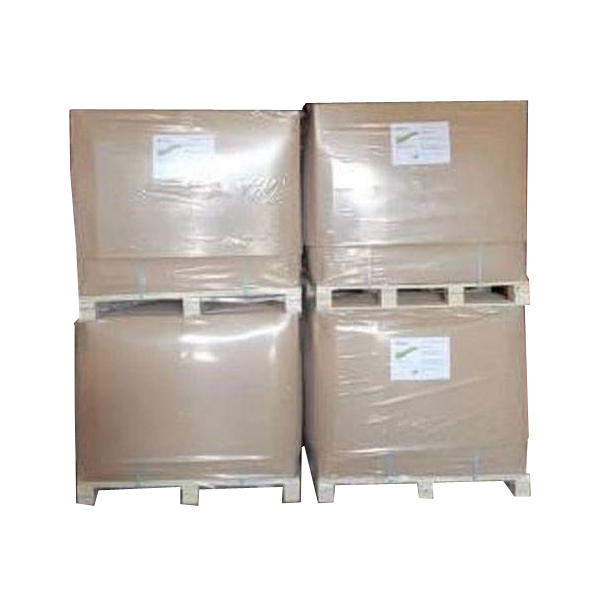
We supply 25kg multi-wall paper bags, PE liner bags, 750kg/1000kg jumbo ton bags, all available with custom OEM branding or neutral packaging. All shipments can be fully palletized and shrink-wrapped for maximum moisture defense during sea transit.
Oubo operates under ISO9001:2008 standards with fully automated DCS continuous production lines. Raw materials sourced from premium global vendors like SINOPEC and Eni undergo stringent entry checks, and every production batch is sampled and tested 3 times for molecular weight, hydrolysis degree, viscosity, and moisture before release.
Explore our full range of Anionic, Cationic, and Nonionic PAM products tailored for international oilfield, paper, and wastewater operations.
 Oubo Chemical