Engineered High-Molecular-Weight Partially Hydrolyzed Polyacrylamide (PHPA), Anionic, Cationic & Nonionic Polymers for Oilfield Drilling Fluids, Shale Encapsulation, EOR & Industrial Waste Treatment.
Explore our high-performance polyacrylamide formulations tailored for drilling viscosity control, flocculation, tailings dewatering, and specialized water purification.
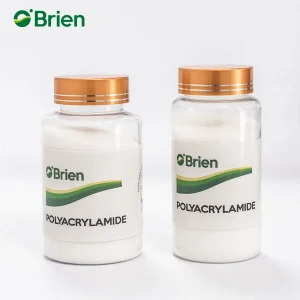
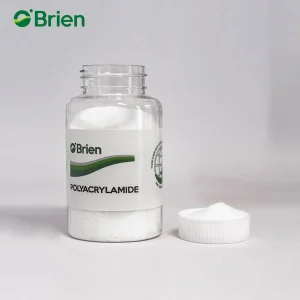
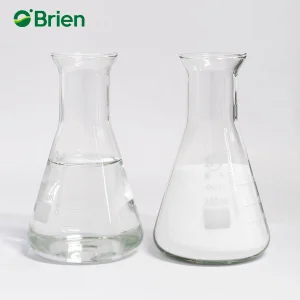
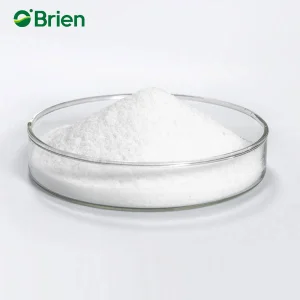
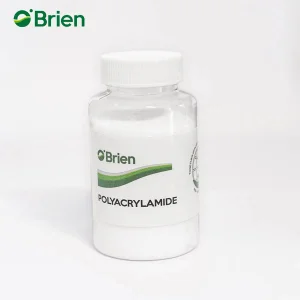
Technical insight into molecular weight engineering, shale encapsulation mechanics, rheological fluid dynamics, and global supply stability from Qingdao Oubo Chemical Co., Ltd.
Polyacrylamide (PAM) with CAS Registration Number 9003-05-8 is a synthetic water-soluble high-polymer prepared through the polymerization of acrylamide monomers. In upstream oil and gas exploration, unconventional shale gas drilling, and deep hydrological drilling operations, standard water-based mud (WBM) systems face severe challenges: bit cooling inefficiency, severe fluid loss into porous subterranean strata, high-temperature structural degradation, and shale sloughing.
Drill Mud Polyacrylamide—specifically Partially Hydrolyzed Polyacrylamide (PHPA) and specialized nonionic/cationic variants—functions as a vital multi-functional rheology modifier, friction reducer, and shale encapsulator. By selectively hydrolyzing acrylamide units (introducing carboxylate groups -COO⁻ along the carbon polymer chain backbone), PHPA exhibits extended molecular stretching in aqueous media. This high radius of gyration dramatically increases shear-thinning (pseudoplastic) viscosity at low shear rates while minimizing frictional pressure drop inside the drill string during high-velocity pumping operations.
Unlike conventional thermochemical synthesis which yields unreacted acrylamide monomer (AM) residues and broader molecular weight distributions, Qingdao Oubo Chemical Co., Ltd. utilizes patented biological enzymatic technology. This bio-catalytic process yields ultra-high molecular weight polyacrylamide polymers (up to 22 Million Daltons) with exceptionally low residual monomer levels (<0.05%), ensuring superior thermal endurance and environmental safety across sensitive drilling regions worldwide.
To optimize fluid performance in diverse subsurface geological formations (salt beds, reactive clay zones, high-temperature high-pressure HTHP environments), Oubo Chemical manufactures targeted ionic grades:
| Polymer Type | Ionic Charge | Molecular Weight (Million) | Hydrolysis / Charge Degree | Primary Drilling & Industrial Function |
|---|---|---|---|---|
| PHPA / APAM (Drilling Grade) | Anionic | 16.0 - 22.0 Mg/mol | 20% - 30% | Shale inhibition, fluid loss reduction, viscosity enhancement in low-solid WBM. |
| CPAM (Cationic PAM) | Cationic | 8.0 - 15.0 Mg/mol | 10% - 60% (Charge) | Organic sludge dewatering, clay stabilization, drill cutting flocculation. |
| NPAM (Nonionic PAM) | Nonionic | 10.0 - 16.0 Mg/mol | < 5% | High-salinity brine drilling muds, acidic wastewater flocculation, mineral processing. |
| Ultra-High MW APAM | Anionic | 18.0 - 25.0 Mg/mol | 25% - 40% | Enhanced Oil Recovery (EOR) polymer flooding, heavy tailing dewatering. |
Analysis of macro-economic drivers, petroleum industry expansion, strict environmental compliance, and localized application scenarios across major international markets.
In basins like Permian, Bakken, and Marcellus, horizontal drilling and multi-stage hydraulic fracturing demand millions of pounds of high-friction-reducing anionic polyacrylamide annually. PHPA acts as a core clay control additive, preventing hydration swelling in reactive smectite and illite formations while maintaining bit integrity.
Subterranean wells in the Middle East present extreme salt concentrations and downhole temperatures exceeding 150°C. Oubo’s thermal-stable bio-polyacrylamide formulations remain resilient against shear degradation, preventing borehole collapse and catastrophic drilling fluid gelation in deep carbonates.
Rapid industrialization across China and Southeast Asia drives high demand for polyacrylamide in municipal wastewater dewatering, paper mill retention, and coal washing tailings processing. Oubo’s strategic location in the Free Trade Zone of Qingdao ensures seamless maritime export to major Asia-Pacific ports.
Established in 2011 in Qingdao Free Trade Zone, Oubo Chemical is a globally recognized polymer manufacturer serving premier petroleum and environmental engineering corporations.
We produce high-purity polyacrylamide using proprietary biological enzymatic techniques. Backed by over €200M in cumulative R&D investment, our technological edge guarantees high molecular weight stability and ultra-low toxicity.
Integrated with ISO9001:2008 standards, our automated continuous production lines source raw materials globally from trusted chemical titans (SINOPEC, Eni). Every production batch undergoes 3 strict QC inspections prior to dispatch.
Our dedicated chemical engineering team engages directly in pre-sales dynamic lab testing, polymer selection, field dosage optimization, and post-sales technical troubleshooting to ensure maximum operational efficiency for your site.
With annual capacity breaking through 50,000 Tons, our brand O'brien delivers steady commercial supply, customizable packaging (25kg kraft bags, 750kg jumbo bags, neutral OEM palletization), and worldwide rapid export clearance.
Oubo Chemical provides optimized polyacrylamide polymer formulations across key heavy-industrial sectors globally.
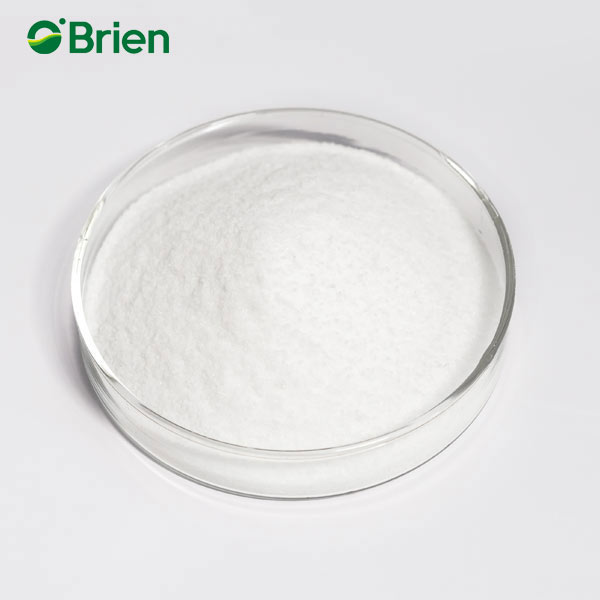
Wide range application in drilling fluids, shale stability, profile control, plugging agents, EOR polymer flooding, and hydraulic fracturing additives. Drops fluid loss and cools bits effectively.
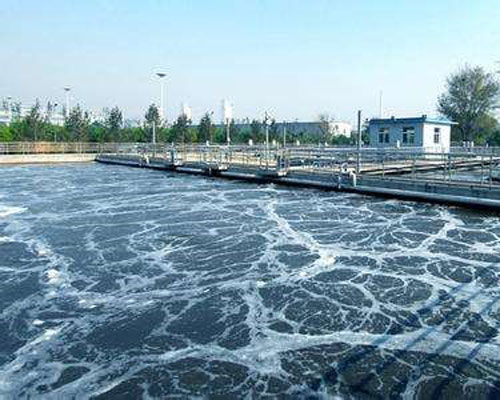
Primary solid-liquid separator for municipal sludge dewatering (belt filter press, centrifuge, screw press) and complex industrial effluent clarification.
Serves as retention aid, drainage promoter, dry/wet strength agent, and anionic trash catcher in high-speed paper production machine wet-ends.
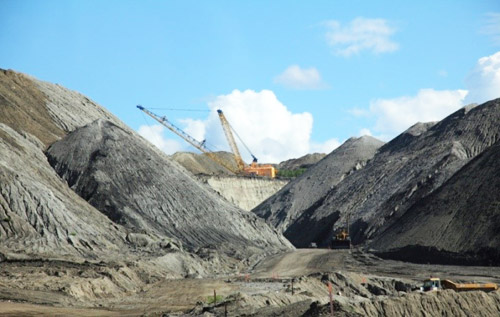
Accelerates sedimentation and filtration of mineral slurries across coal, gold, silver, copper, iron, and aluminum beneficiation plants.
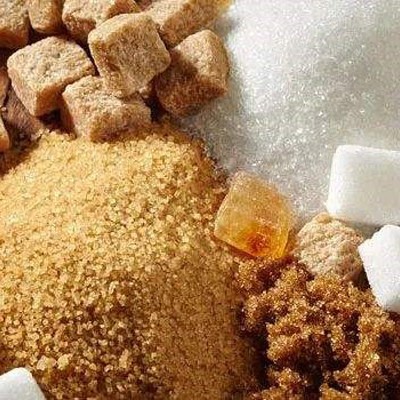
High-purity anionic flocculants designed for rapid juice clarification, syrup filtration, and sugar cane flotation during refining.
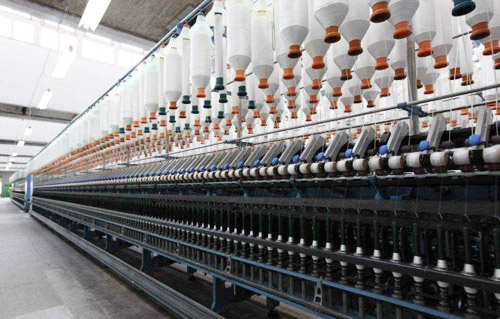
Used as textile sizing agent, fabric finishing treatment, and powerful decolorizing flocculant for complex dye-laden wastewater streams.
Strategic technological milestones guiding Oubo Chemical’s R&D pipeline toward eco-conscious oilfield chemistries and high-efficiency bio-polymers.
Incorporating 2-Acrylamido-2-Methylpropane Sulfonic Acid (AMPS) to boost divalent ion (Ca²⁺, Mg²⁺) tolerance in high-salinity marine mud systems.
Development of instant liquid inverse-emulsion polyacrylamides providing rapid dissolution (< 5 mins) for automated continuous drill rig injection.
Hybridizing graft-polyacrylamide with silica nanospheres to resist thermal shear degradation up to 220°C in ultra-deep gas wells.
Engineering eco-friendly polyacrylamide backbones using enzymatic cross-linkers, guaranteeing rapid environmental breakdown after well completion.
Rigorous moisture-proof packaging standards designed for international ocean transport and extended shelf life storage.
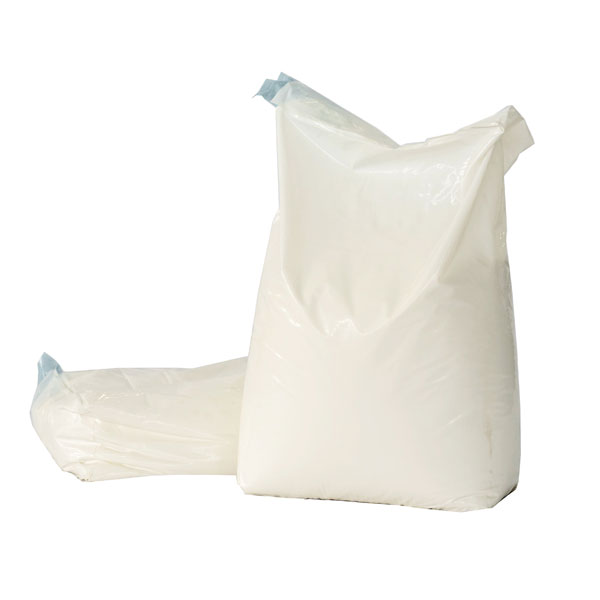
Multi-wall paper bag with inner PE liner for distributor re-branding.
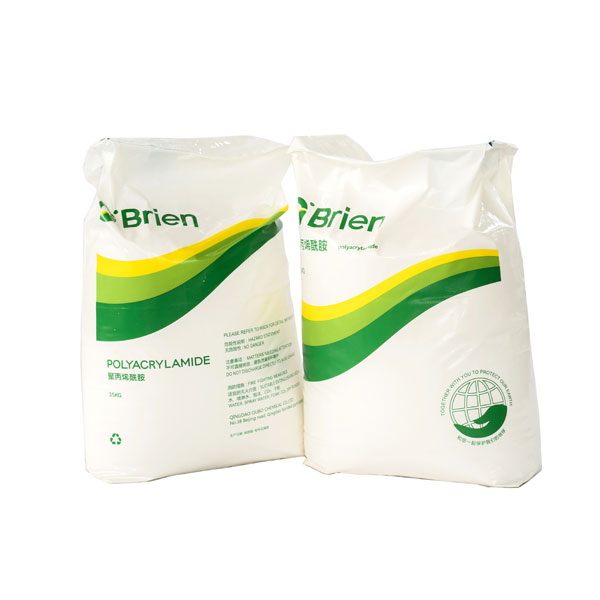
High-strength PP woven bag with chemical spec and batch identification.
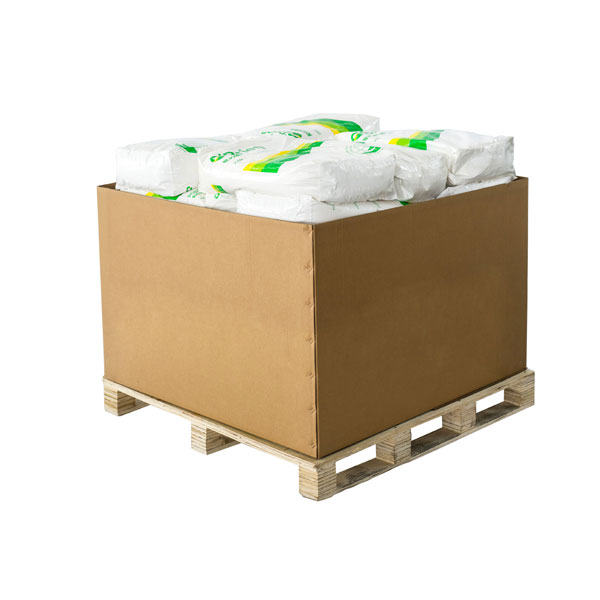
Heavy-duty FIBC big bag designed for high-capacity drilling rig hoppers.
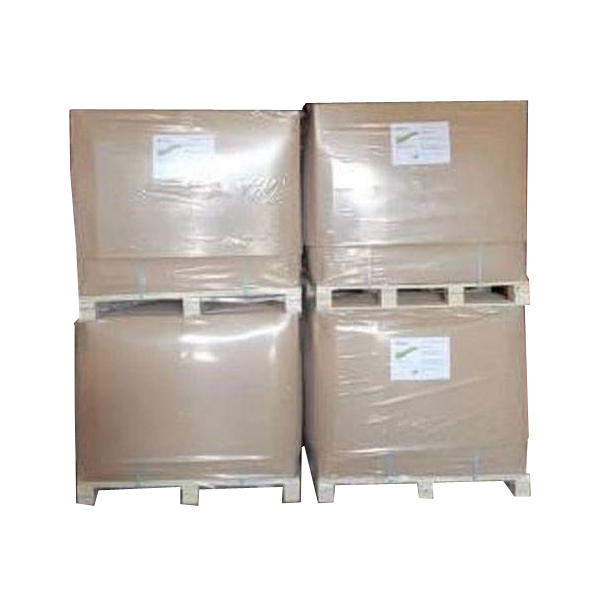
Stretch-wrapped wooden/plastic pallets ensuring sea container stability.
Browse our complete catalog of anionic, cationic, and nonionic polyacrylamide polymers available for bulk global distribution.
Expert answers regarding polyacrylamide dosage, molecular weight selection, shale encapsulation mechanics, and bulk wholesale logistics.
PHPA acts primarily as a shale encapsulator and rheology modifier. The high-molecular-weight polymer chains adsorb onto negatively charged clay shale surfaces via hydrogen bonding, forming a protective polymeric film. This coat prevents water molecules from penetrating clay lattices, preventing bit balling, drill pipe sticking, and borehole wall collapse.
Selection depends on suspended particle charge and water salinity: Anionic (APAM) is ideal for freshwater to light-brine muds, mineral flotation, and neutral effluent; Cationic (CPAM) excels in organic sludge dewatering (municipal sewage, tannery) due to strong electrostatic attraction to negative bio-solids; Nonionic (NPAM) is preferred in high-salinity brine muds or acidic industrial effluents where ionic charges are shielded.
Our bio-catalytic process yields polyacrylamide polymers with higher structural purity, narrower molecular weight distribution, and exceptionally low unreacted monomer content (<0.05%). This guarantees superior shear endurance downhole, reduced thermal breakdown at elevated temperatures, and environmental compliance in stringent regulatory zones.
Dry PAM powder should be slowly dispersed into a high-vortex water stream using an automated polymer dosing unit or mechanical jet mixer at a concentration of 0.1% to 0.3% (w/v). Allow aging for 45-60 minutes under gentle mechanical agitation. Avoid high-shear mechanical pumps (like high-speed centrifugal pumps) which break long polymer chains and reduce viscosity.
When stored in original unopened moisture-proof packaging in a cool, dry, well-ventilated warehouse under 35°C, dry polyacrylamide powder maintains full active performance for 24 months. Protect from direct sunlight, rain, and ambient humidity to prevent chemical caking.
We supply standard 25kg multi-wall paper bags, PP woven bags, 750kg/1000kg bulk ton bags, and unprinted blank bags. Neutral OEM labeling, customized palletization, and custom color bagging are fully supported for global chemical distributors and service companies.
 Oubo Chemical