Premium grade Anionic, Cationic, and Nonionic Polyacrylamide formulations designed for high-efficiency solid-liquid separation and flotation performance.
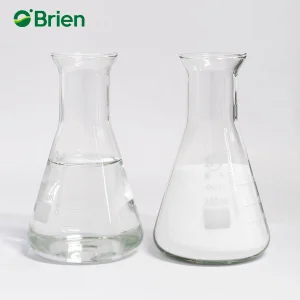
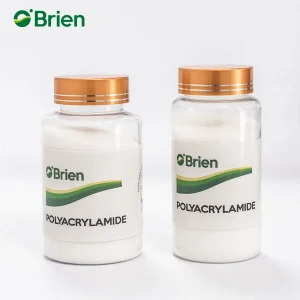
An authoritative technical analysis of market dynamics, regulatory compliance, and polymer selection strategies for modern Dissolved Air Flotation plants.
Dissolved Air Flotation (DAF) is a critical primary and secondary physical-chemical treatment process widely deployed across municipal and industrial wastewater facilities. DAF technology operates by introducing micro-bubbles (typically 10 to 50 microns in diameter) into the aqueous phase, which attach to suspended solids, fats, oils, and greases (FOG), creating a buoyant micro-floc structure that rapidly rises to the liquid surface for mechanical skimming.
However, the physical mechanism of micro-bubble attachment is fundamentally dependent on the chemical conditioning of the influent water. Without optimal coagulation and polymer flocculation, colloidal particles remain electrostatically repulsive, preventing effective bubble-particle adhesion. As global environmental discharge regulations (such as US EPA NPDES, EU Water Framework Directive, and China GB 18918 standards) become increasingly strict regarding Total Suspended Solids (TSS), Chemical Oxygen Demand (COD), and Total Phosphorus (TP), the commercial demand for specialized high-performance DAF chemicals—specifically synthetic organic polyacrylamides—has reached unprecedented levels.
In high-throughput industrial DAF systems, conventional alum or ferric salts often produce fragile flocs that fragment under hydraulic turbulence in the saturation zone. Adding high molecular weight Polyacrylamide (PAM) bridges sub-micron micro-flocs into dense, shear-resistant aggregates with low density, increasing the hydraulic flotation velocity by up to 300% compared to unconditioned sedimentation processes.
Driven by strict Zero Liquid Discharge (ZLD) directives and resource recovery initiatives. Primary focus is on ultra-pure, low-acrylamide monomer (< 0.05% residual AMD) polyacrylamides suitable for sensitive watersheds and municipal reuse applications.
Rapid industrialization across textile, chemical manufacturing, and paper refining industries in China, Southeast Asia, and India demands scalable, cost-effective wholesale polymer sourcing with custom charge densities for heavy organic loads.
Heavy utilization in Latin America, Middle East, and Australia for oil-water separation (EOR produced water treatment), coal washing, and mineral tailings dewatering where saline and acidic effluents require specialized Nonionic/Anionic polymers.
Understanding the molecular structures of Polyacrylamide (PAM) synthetic resins for optimal dosage efficiency.
Polyacrylamide (PAM) is a high-molecular-weight synthetic resin formed by the polymerization of acrylamide monomers (CAS 9003-05-8). In DAF applications, PAM serves as an advanced flocculant that operates via two core mechanisms: Charge Neutralization and Interparticle Bridging.
Depending on the wastewater colloidal charge, target pH, and surface chemistry, specific PAM ionic types are deployed within DAF chemical feed systems:
| Polymer Type | Charge Density Range | Molecular Weight (MW) | Primary DAF & Wastewater Applications |
|---|---|---|---|
| Anionic Polyacrylamide (APAM) | 10% - 60% (Carboxyl Groups) | 8 - 22 Million Daltons | Municipal primary DAF clarification, mineral processing, stone washing, sugar clarification, neutral/alkaline industrial effluent. |
| Cationic Polyacrylamide (CPAM) | 5% - 80% (Quaternary Ammonium) | 6 - 12 Million Daltons | Organic-rich sludge dewatering (belt filter, centrifuge, screw press), municipal bio-sludge DAF flotation, food/dairy effluent, textile dye house waste. |
| Nonionic Polyacrylamide (NPAM) | Near Zero (< 2% Hydrolysis) | 5 - 15 Million Daltons | Highly acidic industrial wastewater, oilfield drilling fluids, soil stabilization, high-salinity mining tailings clarification. |
A primary technological differentiator of Qingdao Oubo Chemical Co., Ltd. is our proprietary biological enzymatic method for acrylamide monomer synthesis. Unlike conventional chemical catalyst processes (which rely on copper catalysts leaving trace metallic impurities), the biotransformation process using nitrile hydratase enzymes delivers distinct performance advantages:
Over a decade of manufacturing excellence, global supply chain reliability, and certified quality management.
Established in 2011 and situated in the Free Trade Zone of Qingdao, China, Oubo Chemical Co., Ltd (brand O'Brien) has grown into a world-leading manufacturer and wholesale supplier of synthetic polyacrylamide polymers. Over the past decade, Oubo has maintained a consistent annual business growth rate exceeding 10%, breaking through an annual polyacrylamide production capacity of 50,000 Tons in 2018.
Our quality management system is fully certified under ISO 9001:2008. Oubo Chemical is deeply committed to environmental stewardship, strict quality control (QC), and continuous research into high-efficiency water treatment chemicals. We invest over €2 million annually in technical R&D, continually accumulating patented innovations in polymer chemistry and application engineering.
All primary raw chemical materials are sourced from world-class suppliers including SINOPEC and Eni. Production lines are 100% automated. Every single batch of PAM powder undergoes 3 rigorous QC inspections before laboratory release, ensuring flawless batch-to-batch consistency for international clients.
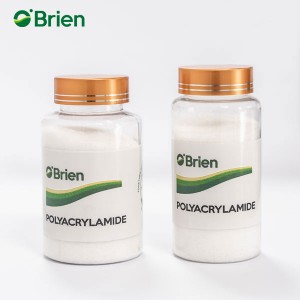
High charge density polymer ideal for organic sludge dewatering and high-COD DAF flotation.
High molecular weight polymer optimized for inorganic solid flotation and mineral clarification.
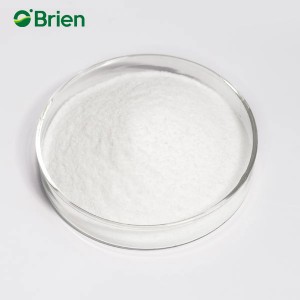
Neutral polymer formulated for acidic wastewater treatment, oilfield muds, and mineral leaching.
Tailored polyacrylamide formulations designed to tackle complex effluent compositions across key industrial sectors.
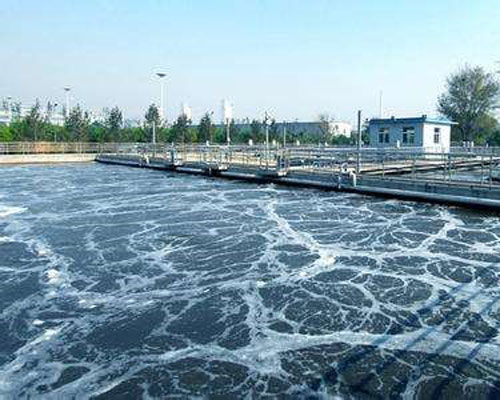
Acts as a primary coagulant aid and sludge dewatering agent in municipal sewage plants, leather tanneries, citric acid plants, and vegetable protein extraction. Dramatically speeds up settling and DAF skimming speeds while maintaining low effluent turbidity.
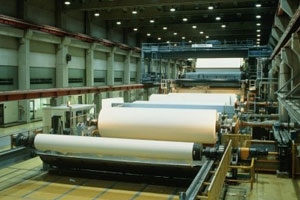
Functions as a retention aid, drainage aid, and dry strength agent. In white water recovery DAF systems, Oubo APAM captures fine fibers and fillers, boosting raw material retention while clarifying process water for zero-discharge recycling.
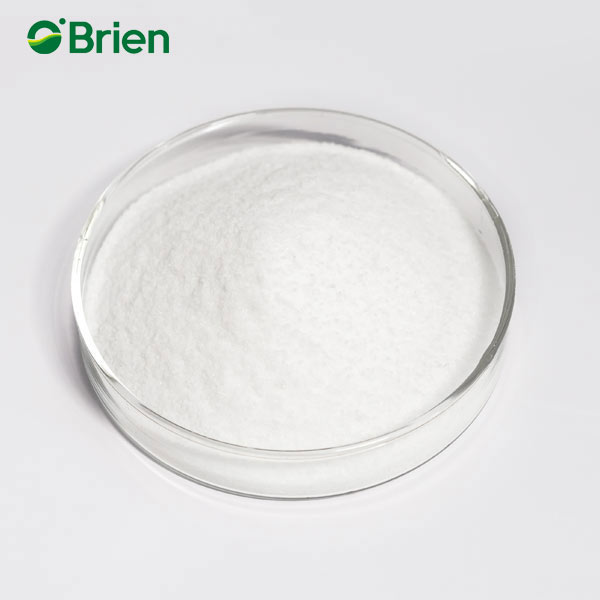
Widely applied in Enhanced Oil Recovery (EOR), drilling fluid friction reduction, fracturing fluid additives, and produced oil-water DAF separation. Hydrophobic PAM grades rapidly break emulsions and float emulsified oils.

Provides rapid solid-liquid separation for coal washing tailings, gold, silver, iron, copper, and nickel ore slurries. Highly effective in high-shear thickeners, pressure filtration, and mine water clarification tanks.
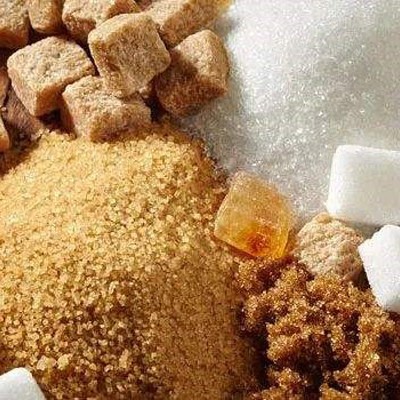
Specialized food-grade anionic polyacrylamide used in sugarcane juice clarification and syrup flotation. Accelerates dirt precipitation, producing crystal-clear liquor while preserving high sugar recovery rates.
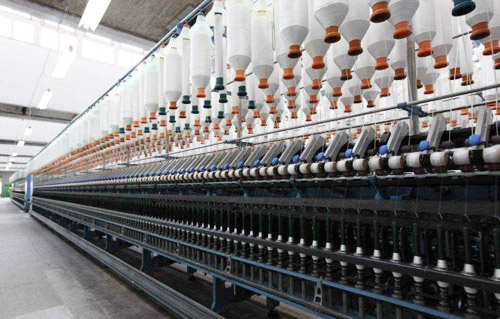
Utilized as textile sizing agent, fabric finishing enhancer, and high-performance decolorizing flocculant in dye house DAF plants to remove residual azo dyes, COD, and suspended color complexes.
The convergence of green chemistry, real-time dosing automation, and circular economy compliance.
As corporate ESG directives become mandatory across Western and Asian supply chains, wastewater chemical purchasers are actively transitioning away from fossil-derived additives. Oubo Chemical is at the forefront of bio-polymer engineering, optimizing non-toxic biocatalytic pathways that minimize unreacted monomer toxicity and enhance environmental biodegradability of sludge cake.
Modern DAF units are integrating real-time optical turbidimeters, Zeta potential sensors, and streaming current detectors (SCD). By feeding real-time water quality data into automated dosing pumps, facilities can adjust Polyacrylamide concentrations dynamically. This prevents both under-dosing (leading to poor clarification) and over-dosing (which causes polymer carryover and membrane fouling in downstream RO units).
Water scarcity and rising industrial freshwater tariffs mean DAF units are no longer used merely for discharge compliance, but as the primary pretreatment stage for ultrafiltration (UF) and reverse osmosis (RO) recycling loops. Oubo’s low-fouling APAM and CPAM formulations are chemically designed to produce micro-flocs that leave zero sticky residual polymer in the clear water filtrate.
Because DAF water chemistry varies dramatically according to temperature, pH, and dissolved solids, Oubo Chemical strongly recommends performing standardized Jar Tests prior to bulk purchasing. Contact our engineering team for free sample kits and lab dosing procedures.
Robust, moisture-proof packaging options engineered for long-distance international ocean shipping.
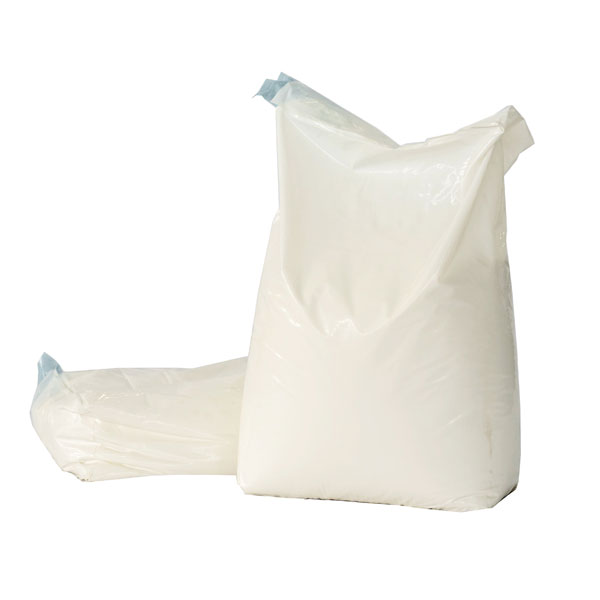
Unbranded 25kg PE/Kraft paper inner bags designed for neutral distributor re-labeling.
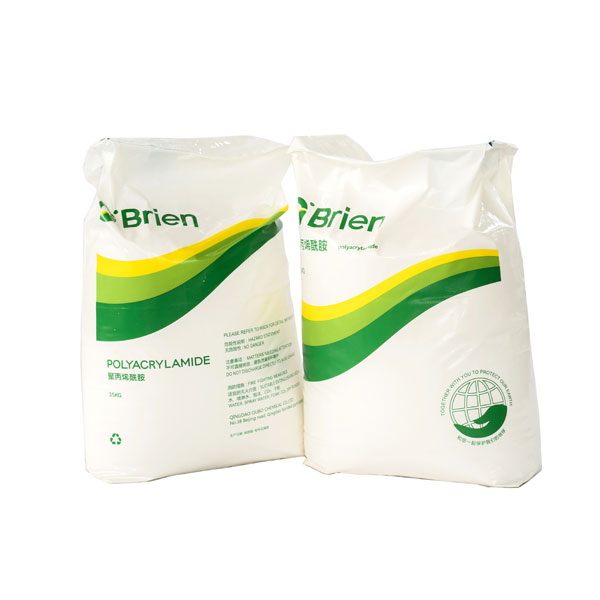
Standard O'Brien factory brand 25kg multi-wall paper bags with PE moisture barrier.
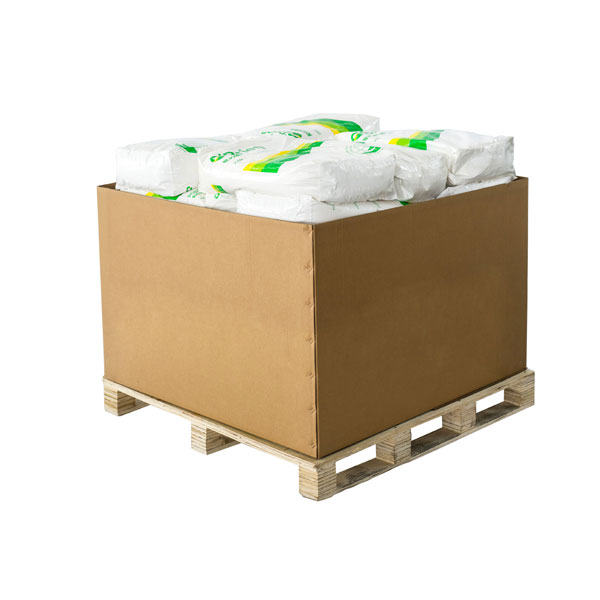
750kg – 1000kg bulk FIBC bags with bottom discharge spouts for high-volume automated dosing systems.
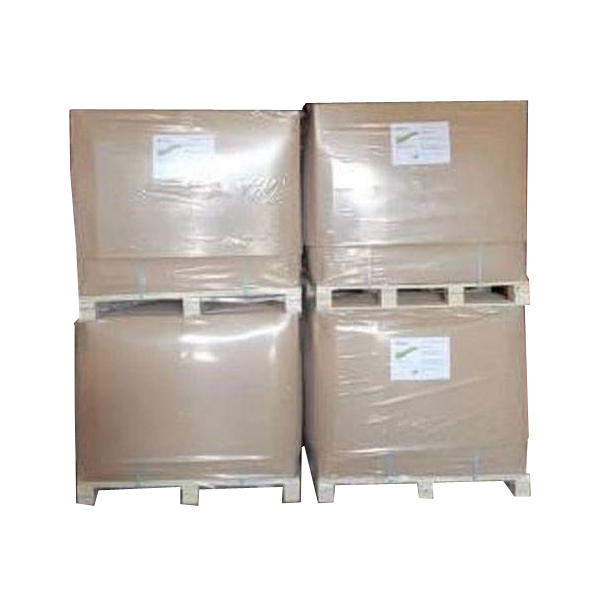
Fumigated wooden or plastic pallets shrink-wrapped with stretch film for safe container transport.
Expert answers regarding DAF chemical selection, dosing calculations, and wholesale supply chain logistics.
Explore our complete range of certified PAM chemicals manufactured in Qingdao Free Trade Zone for direct global export.
 Oubo Chemical