Technical White Paper & Global Industrial Procurement Guide for High-Efficiency Water Decolorization, Polyacrylamide Flocculants & Advanced Wastewater Clarification Solutions
Direct Factory Wholesale Solutions for Global Industrial Effluent & Water Treatment Infrastructure
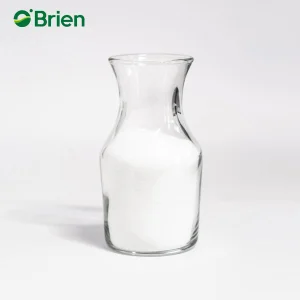
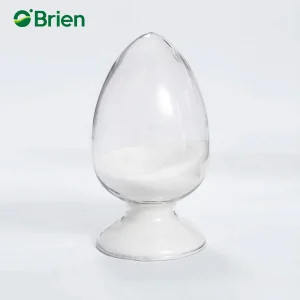
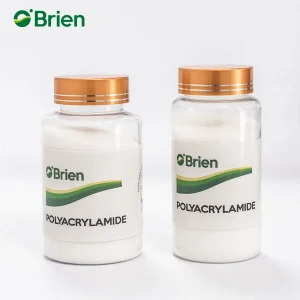
Addressing the Global Challenge of Complex Industrial Effluent Decolorization & Regulatory Compliance
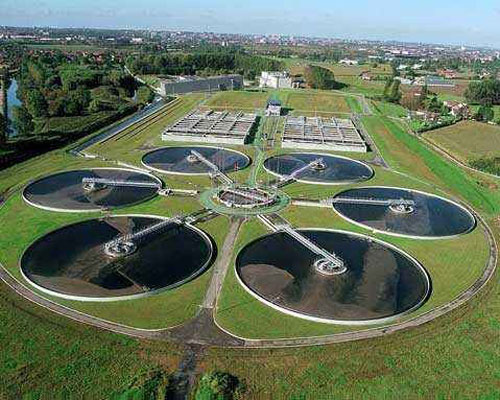
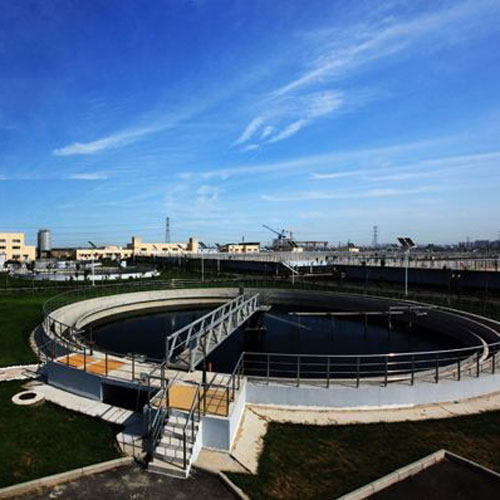
In the modern industrial processing sector, color removal chemicals and specialty polymer flocculants represent a critical tier of environmental protection infrastructure. Industrial processes across textile dyeing, pulp and paper manufacturing, petrochemical refining, mining, and food processing produce vast volumes of wastewater laden with synthetic dyes, recalcitrant organic compounds, suspended solids, and heavy metals. The release of highly colored effluent into aquatic ecosystems severely reduces light penetration, disrupts photosynthesis, degrades biological oxygen demand (BOD/COD) ratios, and poses long-term bioaccumulation risks.
As global regulatory frameworks—such as the EU Water Framework Directive, the US EPA National Pollutant Discharge Elimination System (NPDES), and China's Environmental Protection Law—tighten discharge thresholds, industrial enterprises face mounting pressure to modernize their chemical treatment trains. Selecting reliable wholesale color removal chemical manufacturers and factories is no longer merely a procurement operation; it is a strategic business mandate directly influencing operational uptime, total cost of ownership (TCO), and corporate ESG compliance.
Advanced cationic polymer chains neutralize negatively charged dye chromophores (azo, reactive, acid, disperse dyes) efficiently, causing rapid destabilization and floc formation.
Combines charge neutralization with molecular bridging mechanisms to aggregate micro-flocs into heavy, fast-settling compact sludge cakes for seamless dewatering.
Bio-catalyzed synthesis produces high-purity Polyacrylamide (PAM) free from toxic monomer residues, reducing chemical sludge mass by up to 35%.
To meet these stringent industrial requirements, modern chemical factories must leverage advanced organic polymer synthesis. Polyacrylamide (PAM)—available in cationic (CPAM), anionic (APAM), and nonionic (NPAM) ionic variants—stands at the forefront of this industrial transition. By combining dicyandiamide-formaldehyde resins, quaternary ammonium compounds, and tailored acrylamide polymers, chemical manufacturers provide custom-engineered color removal chemicals capable of achieving over 98% color removal efficiency across complex water matrices.
World-Leading Technical Expertise, Advanced Biological Synthesis & Certified Quality Assurance
Qingdao OUBO Chemical Co., Ltd is a world-leading manufacturer of Polyacrylamide established in 2011 in the Free Trade Zone of Qingdao, China. We utilize proprietary biological methods to produce high-purity polyacrylamide, backed by filed patents. We reinvest over €2 million annually into R&D for technical advancement.
Integrated into a global supply chain, our raw materials are sourced from premier chemical leaders including SINOPEC and Eni. Operating fully automated production lines certified under ISO9001:2008, every batch undergoes triple QC testing before delivery to guarantee zero-defect consistency.
With an annual capacity breaking through 50,000 Tons, Oubo maintains a continuous business growth rate of over 10% per year. We provide end-to-end technical engagement from pre-sales laboratory jar testing to full-scale plant optimization and after-sales support.
Our strategic action depends on continuous performance improvement and absolute customer satisfaction. Our brand O'brien is trusted worldwide across North America, Europe, Southeast Asia, and the Middle East, delivering sustainable chemistry to protect our planet.
Scientific Foundations of Macromolecular Flocculants and Color Removal Compounds
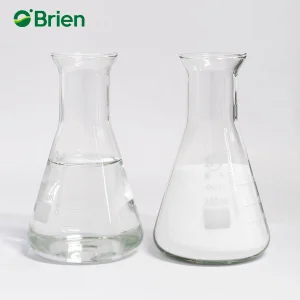
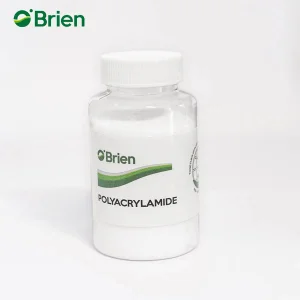
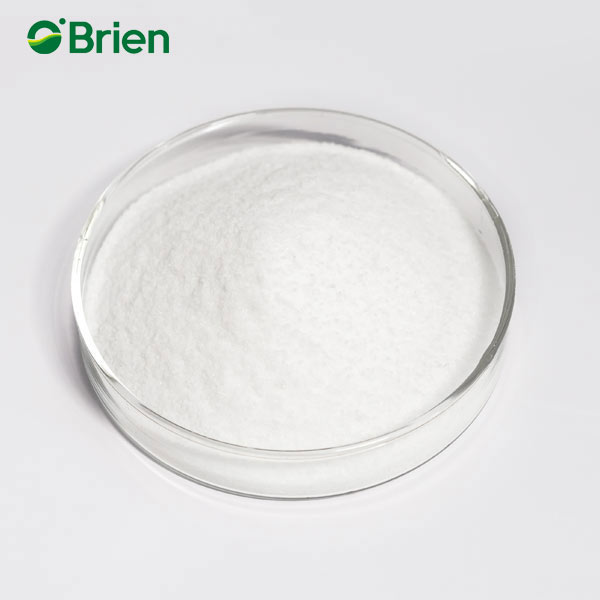
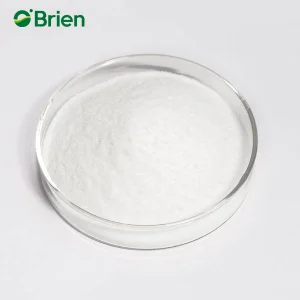
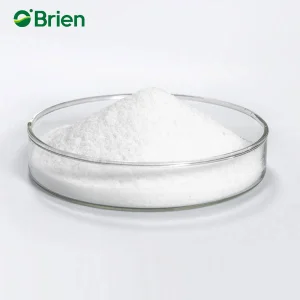
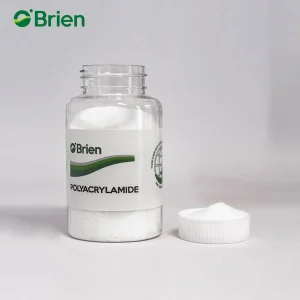
Polyacrylamide (PAM) is a synthetic, water-soluble linear polymer prepared through the polymerization of acrylamide monomers ($C_3H_5NO$). It exists as a white, solid powder or emulsion that dissolves readily in water to form highly viscous aqueous solutions. PAM acts as an exceptional flocculant, coagulant, thickener, and filtration aid across an extensive industrial spectrum. Its performance characteristics are dictated by physical form (powder vs. emulsion), molecular weight (ranging from 3 Million to over 22 Million Daltons), and ionic charge type (Nonionic, Anionic, Cationic, and Mannich types).
Formulated by copolymerizing acrylamide with cationic monomers such as DAC (Acryloyloxyethyltrimethyl ammonium chloride) or DMC. CPAM exhibits a high positive charge density, making it exceptionally efficient at destabilizing negatively charged colloids, organic dyes, and activated sludge particles in municipal and industrial wastewater.
Produced via copolymerization with acrylic acid or through partial hydrolysis. APAM carries negative carboxylate groups along its backbone. It excels at bridging suspended inorganic solids, minerals, sand, and metallic hydroxide flocs in neutral to alkaline pH conditions.
Composed of pure polyacrylamide polymer chains without ionic functional groups. NPAM relies predominantly on hydrogen bonding and van der Waals forces. It is specifically suited for highly acidic wastewater treatment, mineral leaching, and delicate paper retention processes.
The removal of color from industrial wastewater—especially dye-rich effluent from textile houses and paper mills—involves three concurrent chemical processes:
Custom-Engineered Polyacrylamide Formulations Tailored for Specific Industrial Ecosystems
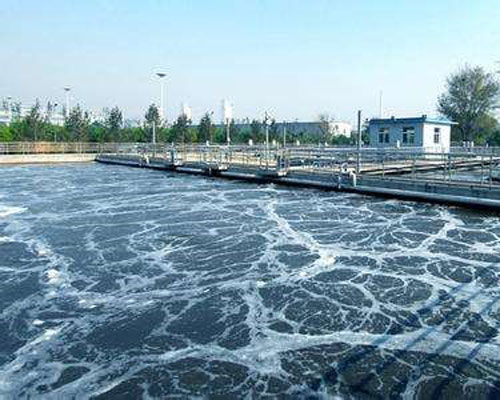
Serves as a primary solid-liquid separation agent for settlement, clarification, concentration, and mechanical sludge dewatering. Highly effective in municipal wastewater treatment, leather processing, citric acid, vegetable protein extraction, and pharmaceutical effluent.
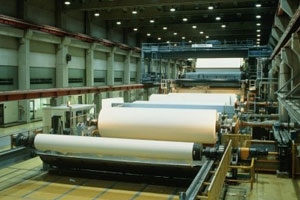
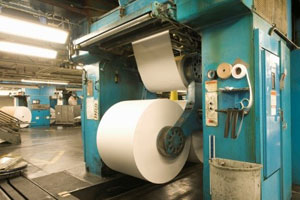
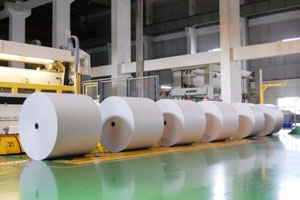
Functions as a retention aid, filter aid, and dry strength agent. Significantly enhances paper physical strength, minimizes fiber loss, captures anionic trash, and acts as an efficient deinking flocculant during white water recirculation.
Widely utilized in Enhanced Oil Recovery (EOR), profile control, plugging agents, drilling fluids, and hydraulic fracturing fluids. Reduces fluid loss, inhibits shale swelling, lubricates drill bits, and assists oil sands flocculation.

Critical for coal washing, tailings dewatering, and solid-liquid separation by filtration or centrifugation. Essential for gold, silver, iron, copper, and nickel mineral processing, alongside sealing mining pipelines.
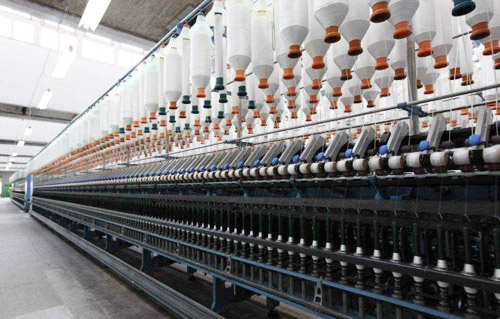
Operates as a high-performance decolorizing agent, textile sizing additive, and fabric finishing agent. Rapidly removes recalcitrant azo and reactive dye colors from high-COD textile effluent matrices.
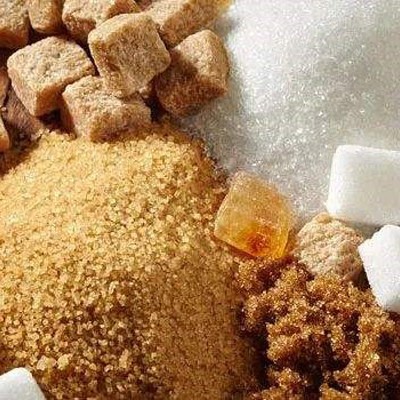
Utilized in juice clarification, syrup floatation, and food process separation. Food-grade nonionic and anionic polyacrylamide formulations ensure high clarity without compromising end-product purity.
Pioneering Bio-Catalyzed Polyacrylamide Formulations & Green Chemistry Innovation
The global color removal chemical market is transitioning rapidly toward sustainable, ultra-low-carbon chemistries. Oubo Chemical’s R&D laboratory is actively advancing next-generation polyacrylamide synthesis to meet evolving global demands:
Traditional acrylamide synthesis relies on chemical catalysts that leave trace acrylamide monomer (AM) impurities. Oubo's patented bio-microbial catalytic method yields acrylamide at 99.9% purity under ambient temperature, dramatically reducing energy consumption while ensuring ultra-low toxicity for sensitive aquatic environments.
Future water treatment facilities require real-time adaptation to varying influx turbidity and dye concentrations. Oubo is developing smart, tailored-charge CPAM formulations optimized for automated AI-driven dosing pumps, cutting chemical consumption by up to 25% while maintaining 100% discharge compliance.
By focusing on eco-friendly polymer backbones, high shear stability, and improved solubility rates (dissolving within 30-45 minutes), Oubo Chemical continues to lead wholesale color removal manufacturers worldwide in technological innovation.
Customized Bulk Packaging, OEM Bag Designs & International Shipping Compliance
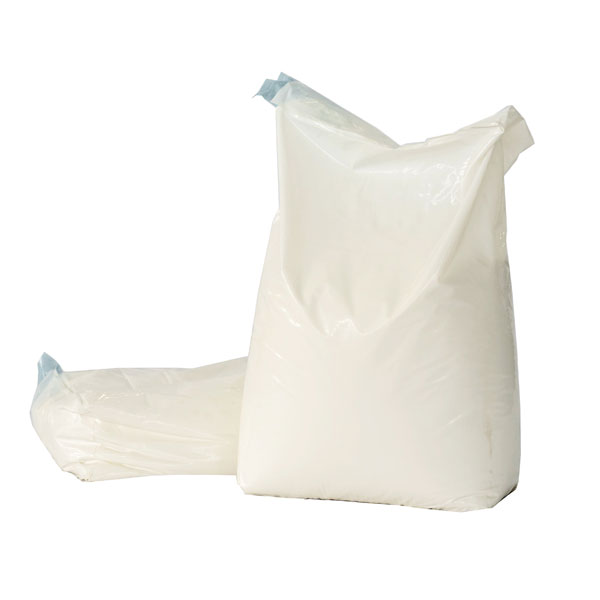
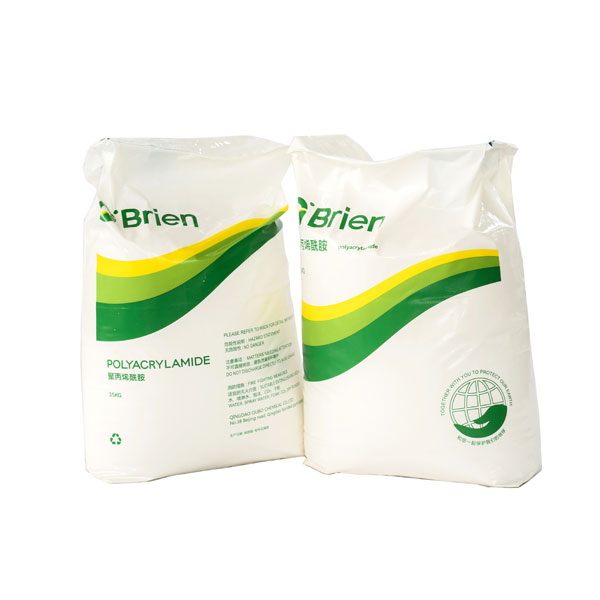
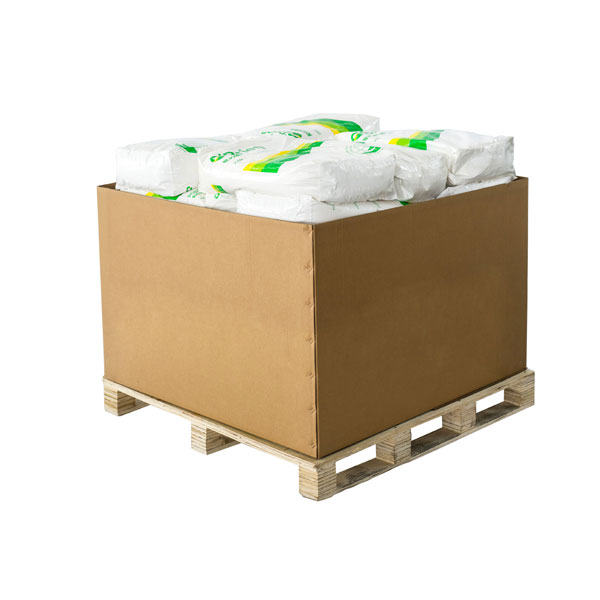
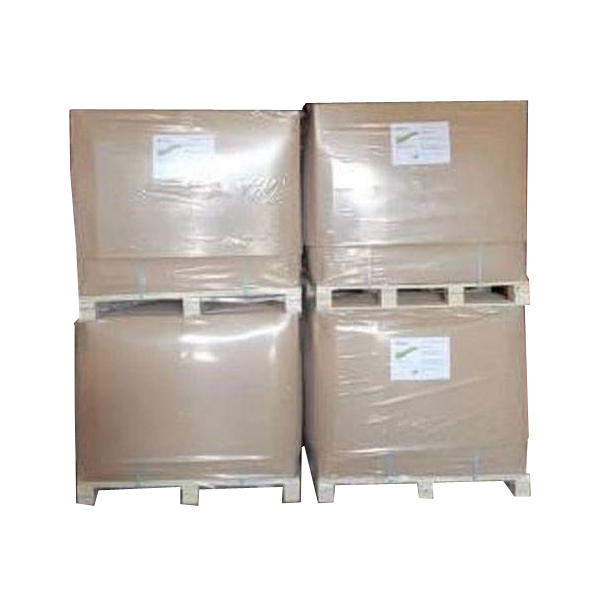
To support global distributors, industrial end-users, and OEM partners, Qingdao Oubo Chemical provides comprehensive packaging options, custom labeling, and palletized container shipping directly from our Free Trade Zone hub in Qingdao.
Expert Guidance on Color Removal Chemical Selection, Jar Testing & Procurement
Color removal chemicals (typically high-charge cationic polymers or dicyandiamide resin coagulants) interact with water-soluble anionic dye molecules (azo, reactive, acid). The cationic quaternary ammonium groups neutralize the negative surface charges on dye chromophores, precipitating them into insoluble flocs that are subsequently flocculated by APAM/CPAM for rapid removal via DAF or sedimentation.
Dosage varies widely based on raw wastewater COD, color unit intensity (Pt-Co), and suspended solids. Typically, color removal coagulants are dosed at 50–300 ppm (g/m3), followed by Polyacrylamide flocculant at 1–5 ppm. Laboratory Jar Testing is strongly recommended to identify the precise stoichiometry for your plant matrix.
Anionic Polyacrylamide (APAM) carries negatively charged carboxylate groups and is ideal for inorganic suspended solids, mineral processing, and primary clarification in alkaline water. Cationic Polyacrylamide (CPAM) carries positive ammonium charges, suited for organic sludge dewatering, biological sludge, and negatively charged dye/colloid neutralization.
Yes. As a direct manufacturer with a 50,000-ton capacity and €2M annual R&D investment, Oubo customizes molecular weight (3 Million to 22 Million) and charge degree (5% to 80%) to match client-specific wastewater conditions and dewatering equipment (screw press, belt filter, centrifuge).
Explore Direct Manufacturer Wholesale Supply Options for Global Industrial Applications
 Oubo Chemical