High-performance ionic polyacrylamides and synthetic coagulants engineered for industrial wastewater, enhanced oil recovery, mining tailings, and papermaking efficiency.
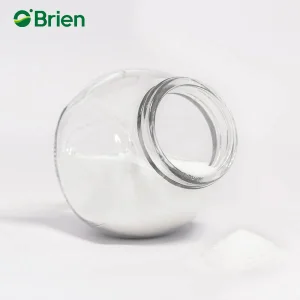
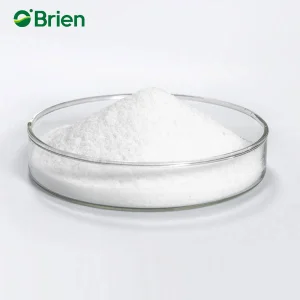
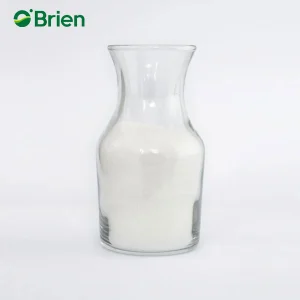
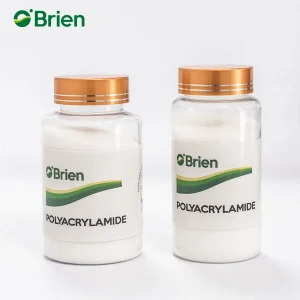
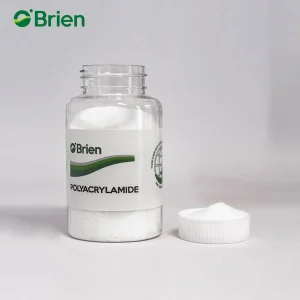
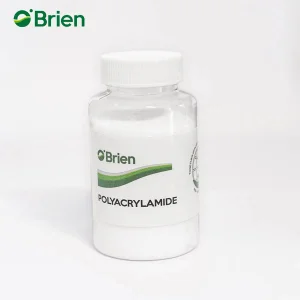
An engineering-grade analysis of global polymer trends, water remediation imperatives, zero liquid discharge (ZLD) adoption, and bio-catalytic polyacrylamide manufacturing dynamics.
The global industrial chemical landscape is experiencing a fundamental paradigm shift driven by stringent regulatory frameworks, global water scarcity, and the aggressive expansion of Enhanced Oil Recovery (EOR) initiatives. Central to this transformation is Polyacrylamide (PAM, CAS 9003-05-8), a versatile water-soluble polymer synthesized from acrylamide monomers. As municipal and industrial sectors mandate higher clarification efficiencies and lower carbon footprints, legacy chemical synthesis routes are rapidly giving way to advanced bio-catalytic polymerization protocols using third-generation nitrile hydratase enzymes.
As an industry-leading manufacturer situated within the Free Trade Zone of Qingdao, China, Qingdao Oubo Chemical Co., Ltd. stands at the forefront of this industrial transformation. By integrating fully automated production processes with high-purity monomer feedstocks sourced via strategic global partnerships (including SINOPEC and Eni), Oubo Chemical delivers high-grade Cationic (CPAM), Anionic (APAM), and Nonionic (NPAM) polyacrylamides engineered for demanding separation, retention, and rheological control challenges.
| Polymer Variant | Ionic Charge Density | Molecular Weight Range (Million) | Primary Industrial Applications | Key Performance Mechanism |
|---|---|---|---|---|
| Cationic Polyacrylamide (CPAM) | Low to High (5% - 80%) | 6.0 - 12.0 Million | Sludge Dewatering, Textile Dyeing Effluent, Municipal Sewage | Charge neutralization of negatively charged organic suspended solids. |
| Anionic Polyacrylamide (APAM) | Low to High (5% - 60%) | 8.0 - 22.0 Million | Coal Tailings, Mineral Processing, Paper Strength, EOR Drilling | High molecular weight bridging mechanism & hydrogen bonding. |
| Nonionic Polyacrylamide (NPAM) | Neutral (< 3%) | 5.0 - 15.0 Million | Acidic Wastewater, Soil Stabilization, Oilfield Thickeners | Steric stabilization & hydrogen bonding in highly acidic/saline conditions. |
Established in 2011 inside Qingdao Free Trade Zone, China, Oubo Chemical Co., Ltd. delivers global chemical compliance, continuous innovation, and rigorous 3-stage QC verification.
Qingdao OUBO Chemical Co., Ltd is a world-leading manufacturer of Polyacrylamide. Utilizing patented biological methods (nitrile hydratase biocatalysis), we invest €2 Million per year into R&D to ensure technological superiority and precise polymerization kinetics.
Global supply chain integration. All raw materials are purchased globally from premier partners like SINOPEC and Eni. Operating automated production lines certified under ISO 9001:2008, every product batch undergoes 3-stage QC testing prior to release.
Backed by over a decade of dedicated PAM chemical production, our annual growth rate remains at a steady 10% per year. Our team of senior technical chemists supports clients through product selection, lab bench testing, and full-scale factory dosage optimization.
Our dedicated technical team joins in pre-sales analysis, pilot trials, sales coordination, and long-term after-sales technical assistance. We guarantee precise molecular matching for your distinct water chemistry or mineral slurry matrix.
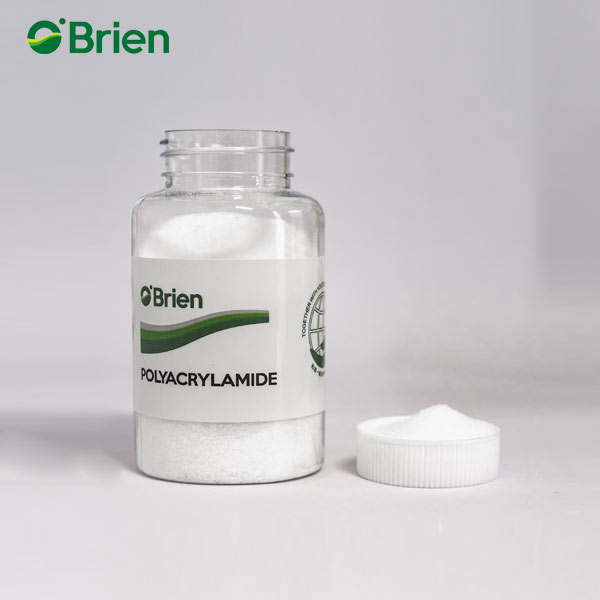
Our proprietary O'brien brand Polyacrylamide solutions are tailored for demanding high-shear, extreme pH, and heavy-solid industrial environments globally.
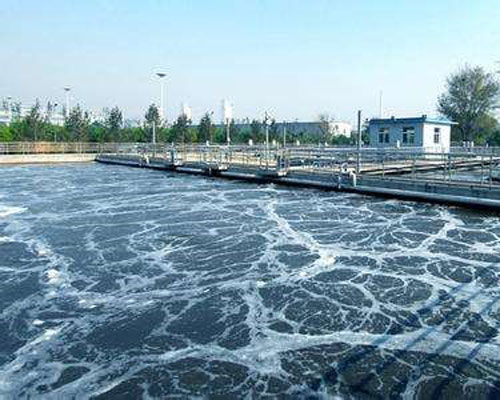
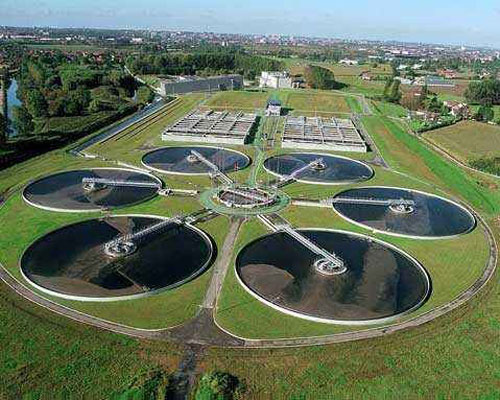
As an advanced synthetic flocculant, Polyacrylamide is crucial in solid-liquid separation including sedimentation, clarification, thickening, and sludge dewatering. Highly effective in municipal sewage plants, tanneries, paper effluents, citric acid plants, pharmaceutical waste, and toxic dyeing wastewater.
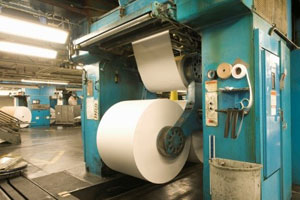
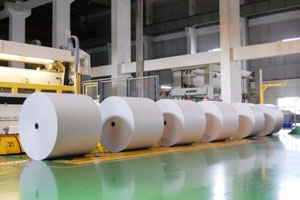
Serves as a wet-end chemical, retention agent, filter aid, and dry strength agent. Enhances physical paper strength, reduces fine fiber loss, captures anionic trash, and clarifies white water during deinking processes to optimize total fiber yield.
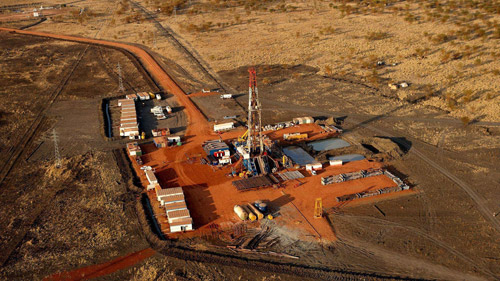
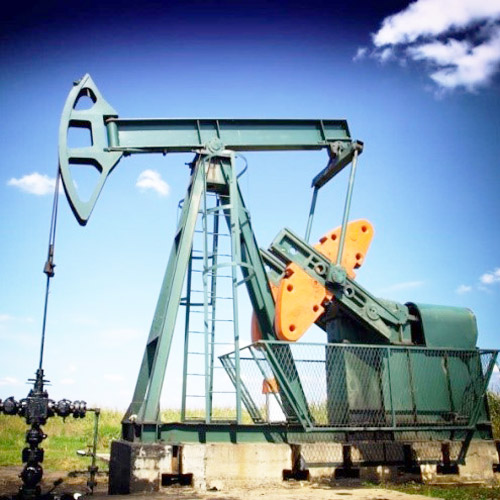
Widely utilized in Enhanced Oil Recovery (EOR), profile control, water plugging, friction reduction in hydraulic fracturing, and drilling fluid additives. Controls fluid loss, lubricates drill bits, and inhibits shale hydration in severe reservoir conditions.

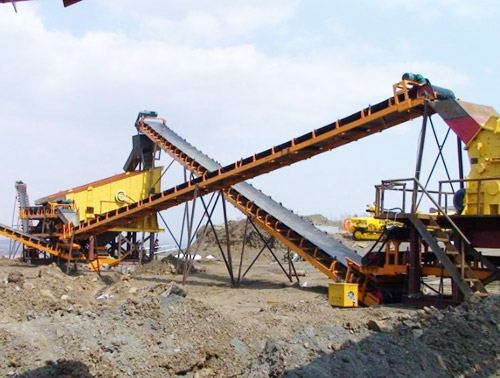
Essential for mineral dressing, coal washing, tailing dewatering, and solid-liquid separation via filtration and centrifugation. Accelerates settling rates for gold, silver, iron, copper, nickel, and alumina mineral slurries.

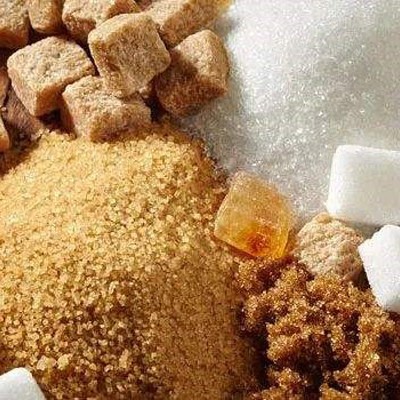
High-purity anionic flocculants designed for juice clarification and syrup flotation in cane and beet sugar factories. Accelerates settling velocities while maintaining food-grade safety standards and minimizing thermal degradation.
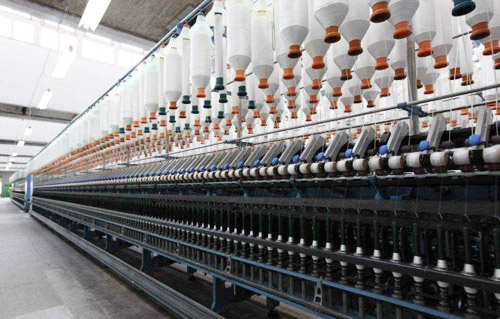
Applied as a protective warp sizing agent, finishing auxiliary, and anti-static agent. Imparts smooth film properties, reduces thread breakage during high-speed weaving, and simplifies desizing wastewater treatment.

Rigorous moisture-barrier packaging engineered to prevent polymer hygroscopic caking, ensuring structural integrity during multi-modal international freight.
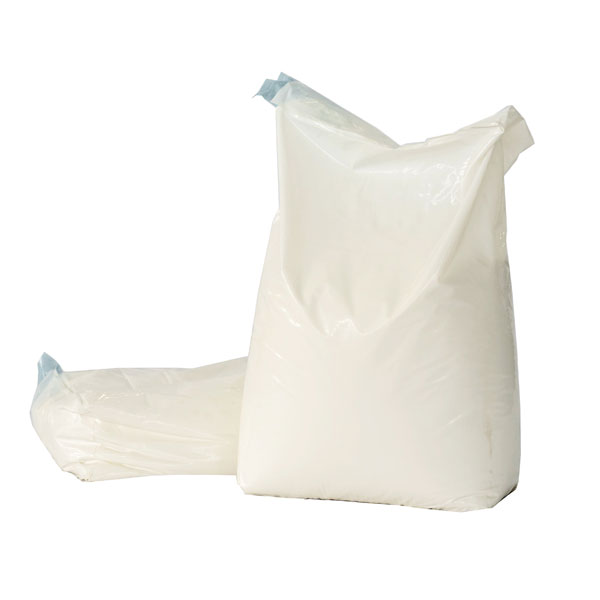
25kg multi-wall paper-plastic composite bags with inner PE liner for private labeling and OEM supply contracts.
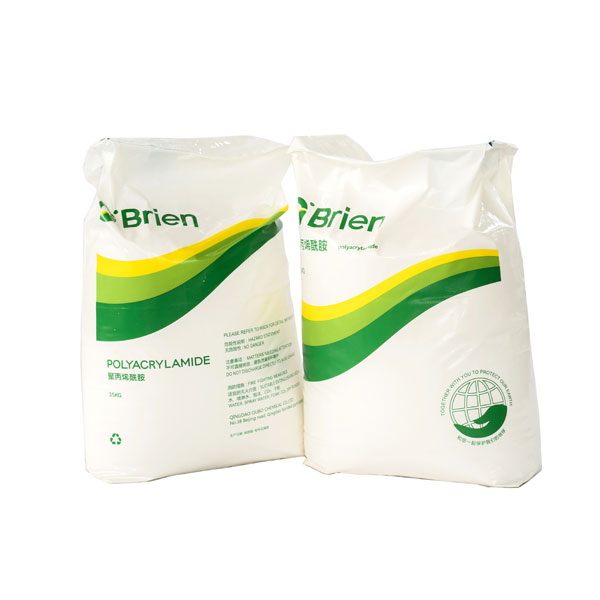
Factory standard high-strength polypropylene woven bags featuring batch numbers, production dates, and GHS compliance data.
Heavy-duty bulk bags equipped with top filling and bottom discharge spouts designed for automated chemical dissolving systems.
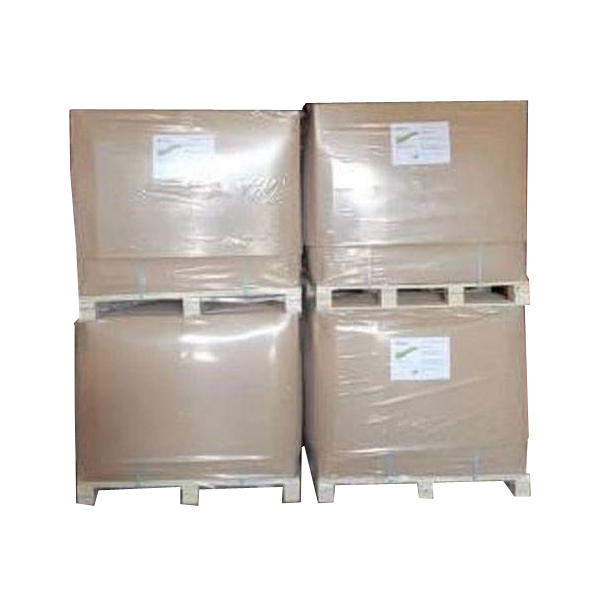
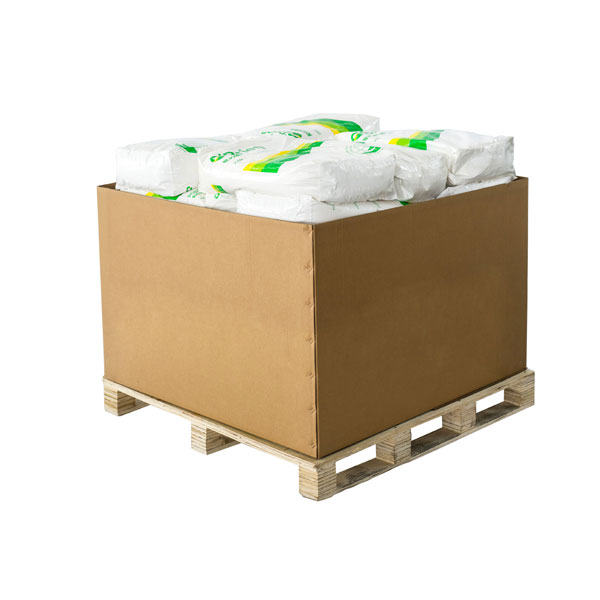
Full shrink-wrap palletizing with edge protection boards to ensure safe sea container loading (1.0 to 1.2 Tons/pallet).
Spearheading next-generation biopolymer synthesis, ultra-low residual acrylamide monomers (<100ppm), and AI-driven automated polymer dosing systems.
Transitioning full production to 4th generation continuous enzymatic conversion. Target residual free acrylamide (AMD) content below 100 ppm (0.01%), exceeding stringent European drinking water and food-contact packaging standards.
Development of micro-emulsion and cross-linked terpolymers capable of maintaining high viscosity retention under extreme subterranean conditions (temperatures >120°C and total dissolved solids >200,000 mg/L) for offshore oilfields.
Deploying IoT-enabled online turbidity and zeta-potential feedback loops that automatically regulate polymer solution concentration in real time, reducing operational chemical waste for industrial clients by up to 25%.
Navigating international chemical trade requires uncompromising adherence to environmental regulations and regional customs protocols. Oubo Chemical guarantees full transparency, comprehensive documentation, and robust quality control for every shipment dispatched from our Qingdao Free Trade Zone facility.
All polyacrylamide grades conform strictly to ISO 9001:2008, REACH registration protocols for European imports, OSHA hazard communication standards, and non-hazardous sea freight safety certificates issued by accredited international testing authorities (SGS, Intertek).
Expert analytical answers regarding polyacrylamide chemistry, preparation parameters, ionic selection, and procurement logistics.
Selection depends directly on the surface electrical charge (Zeta Potential) of the suspended solids in your fluid. Cationic PAM (CPAM) is typically required for organic sludges (e.g., municipal sewage, food processing, biological waste) which carry a net negative charge. Anionic PAM (APAM) is optimal for inorganic mineral suspensions (e.g., coal tailings, clay, silica, sand washing, metal ores) carrying positive or neutral surface charges. Nonionic PAM (NPAM) performs best in highly acidic, saline, or non-ionic mineral suspensions where steric hindrance rather than charge neutralization dominates flocculation.
Polyacrylamide powder must be dissolved in clean water at a stock solution concentration of 0.1% to 0.3% (w/v). Water temperature should ideally be between 20°C and 40°C; temperatures exceeding 50°C induce thermal degradation of polymer chains. Powder must be fed gradually using a mechanical disperser to prevent the formation of undissolved agglomerates ("fish eyes"). Mechanical agitation should be maintained at a moderate speed (200-400 RPM) for 45 to 60 minutes. Excessive shear from high-speed impellers can break long-chain polymer strands, severely reducing performance.
Dry powder PAM has a shelf life of 24 months when stored in original unopened packaging within a cool, dry, ventilated warehouse at temperatures below 35°C. Due to the hygroscopic nature of PAM, exposure to humidity will cause clumping. Diluted aqueous stock solutions have shorter operational lifespans: Anionic and Nonionic stock solutions remain stable for up to 7-10 days, whereas Cationic PAM stock solutions should be consumed within 24-48 hours due to charge hydrolysis in water.
Biological synthesis utilizes nitrile hydratase microbial enzymes to convert acrylonitrile directly to acrylamide at ambient temperatures and low pressures. This process yields monomer purities exceeding 99.9% without copper catalyst contamination or side-product impurities. The resulting PAM polymers feature higher molecular weight capabilities, superior linear structural stability, lower residual monomer toxicity (<0.05%), and significantly reduced manufacturing carbon emissions.
Every batch manufactured at Oubo Chemical undergoes a 3-tier Quality Control process certified under ISO 9001:2008: (1) Raw Material Monomer Purity Testing via High-Performance Liquid Chromatography (HPLC); (2) In-Line Polymerization Viscosity & Degree of Hydrolysis Measurement; (3) Finished Product Benchtesting, including dissolution time, insoluble matter percentage, free residual monomer level, and specific gravity verification. Certificates of Analysis (COA) are provided with every shipment.
High-purity industrial polymers, thickening agents, retention aids, and dewatering flocculants tailored for global commercial supply.
 Oubo Chemical