Explore our top-tier cationic, nonionic, and anionic polyacrylamide formulations synthesized for extreme industrial environments.
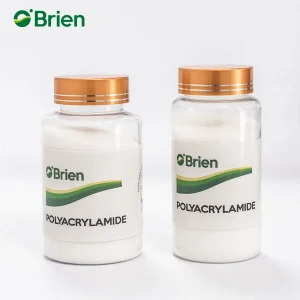
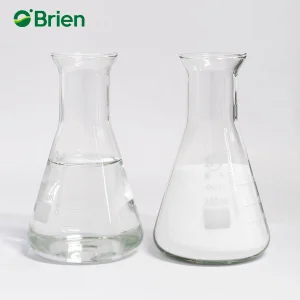
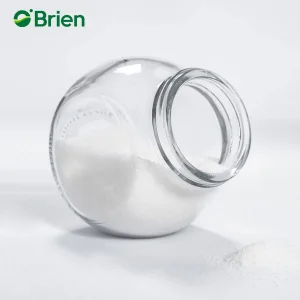
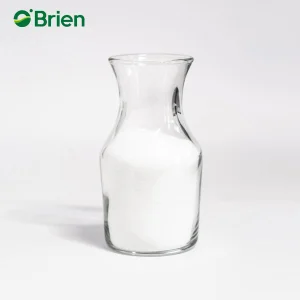
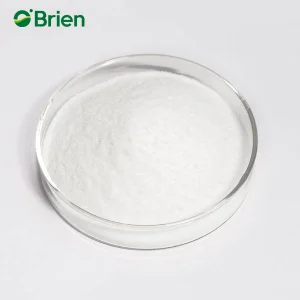
In contemporary industrial manufacturing, municipal liquid-solid separation, and chemical resource extraction, cationic surfactants and cationic polyacrylamide (CPAM) polymers serve as foundational functional additives. As global regulations on effluent discharge limits tighten under ESG frameworks and ESG-driven environmental directives, procurement managers and process engineers require high-purity, charge-dense cationic compounds to drive rapid flocculation, lower cake moisture content, and optimize operational expenditure (OPEX).
Oubo Chemical Co., Ltd. (operating under the global brand O'brien) has solidified its authority as a flagship manufacturer headquartered in the Free Trade Zone of Qingdao, China. Operating with an annual polyacrylamide capacity exceeding 50,000 Metric Tons, Oubo integrates cutting-edge biological enzymatic monomer production with computerized automated polymer synthesis to supply cationic surfactants and water-soluble polymers across North America, Europe, Southeast Asia, and the Middle East.
Cationic surfactants are surface-active molecules characterized by a positively charged polar head group—typically quaternary ammonium, pyridinium, or phosphonium structures—and a hydrophobic hydrocarbon chain tail. When polymerized or copolymerized with acrylamide monomer systems (forming Cationic Polyacrylamide / CPAM via monomers like DAC [Acryloyloxyethyltrimethyl ammonium chloride] or DMC [Methacryloyloxyethyltrimethyl ammonium chloride]), these agents demonstrate extraordinary electro-neutralization capabilities.
Most naturally occurring colloidal suspended solids, municipal sludge particles, cellulosic fibers, and mineral fines carry a net negative surface zeta potential (-10 mV to -45 mV). The positively charged nitrogen centers of cationic surfactants and CPAM instantly bind to these negatively charged sites via electrostatic attraction. This mechanism collapses the double electrical layer surrounding suspended particles, initiating micro-flocculation followed by polymeric bridging, forming large, dense, rapidly settling macro-flocs.
Selecting the precise cationic surfactant or cationic polyacrylamide grade depends on charge density (ionicity percentage), molecular weight (MW), and target process pH. Oubo Chemical manufactures a versatile matrix engineered for specialized operations:
| Polymer / Surfactant Grade | Ionicity (%) | Molecular Weight (Million) | Solid Content (%) | Residual Monomer | Primary Industrial Application |
|---|---|---|---|---|---|
| Oubo CPAM Low-Charge | 10% - 20% | 10.0 - 12.0 | ≥ 88% | < 0.05% | Paper wet-end retention aid, inorganic mineral slurry filtration |
| Oubo CPAM Medium-Charge | 25% - 40% | 9.0 - 11.0 | ≥ 88% | < 0.05% | Municipal sludge dewatering, belt filter press operations |
| Oubo CPAM High-Charge | 45% - 60% | 8.0 - 10.0 | ≥ 88% | < 0.05% | Centrifuge dewatering of high-organic biological sludge, decanters |
| Oubo CPAM Ultra-High Charge | 60% - 80% | 6.0 - 8.0 | ≥ 88% | < 0.05% | Textile dyeing effluent clarification, oily wastewater demulsification |
| Nonionic PAM (NPAM) | < 3% | 9.0 - 12.0 | ≥ 88% | < 0.05% | Acidic wastewater flocculation, mineral dressing in low pH media |
| Anionic PAM (APAM) | 10% - 60% (Anionic) | 12.0 - 22.0 | ≥ 88% | < 0.05% | Coal tailings washing, EOR flooding, sugar juice clarification |
The operational flexibility of Oubo Chemical's cationic surfactant portfolio empowers diverse sectors to achieve high solid-liquid separation yield and process efficiency:
Mainly used in industrial and municipal solid-liquid separation processes including sedimentation, clarification, thickening, and sludge dewatering. Cationic polyacrylamide neutralizes organic bio-sludge charges, allowing belt presses, screw presses, and centrifuges to produce low-moisture dry cakes with crystal-clear filtrate water.
Serves as essential retention agents, drainage aids, and wet/dry strength enhancers. CPAM neutralizes anionic garbage in recirculated white water, enhances fine fiber retention, optimizes machine speed, and drastically reduces raw material fiber loss during high-speed papermaking operations.
Functions as friction reducers in hydraulic fracturing, drilling fluid shale inhibitors, drag reduction additives, and profile control agents. Polyacrylamide solutions stabilize boreholes, fluid viscosity under high salinity/shear conditions, and improve sweep efficiency in tertiary oil recovery.
Extensive utility in coal washing, iron ore separation, copper extraction, gold/silver hydrometallurgy, and tailing lagoon management. Accelerates gravity settling of fine tailings, enabling efficient water recycling back into mineral processing loops.
Acts as sizing agents and dye-house wastewater decolorizers in textiles by neutralizing reactive dye molecules. In sugar production, specialized polyacrylamides clarify raw sugarcane and sugar beet juices, precipitating non-sugar impurities.
Established in 2011 within the Qingdao Free Trade Zone, Oubo Chemical leads global polyacrylamide innovation through patented bio-enzymatic synthesis and uncompromising quality assurance.
Oubo utilizes advanced biological enzymatic methods to convert acrylonitrile to acrylamide monomer. This proprietary, patented technique operates under lower temperatures, producing ultra-high molecular weight polymers with virtually zero toxic byproduct impurities and significantly lower residual monomer counts (<0.05%). We re-invest over €2,000,000 annually into technical R&D.
Quality begins at the chemical precursor level. Oubo procures global raw materials exclusively from world-class chemical leaders such as SINOPEC and Eni. Our fully automated, computer-controlled polymerization lines guarantee batch-to-batch consistency and rigorous structural integrity.
Certified under ISO9001 management systems, every production batch undergoes a strict 3-stage QC verification before dispatch: incoming raw material assay, real-time polymerization viscosity monitoring, and finished product powder laboratory testing (molecular weight, charge density, dissolution rate, moisture level).
Our senior polymer engineering team actively participates across pre-sales jar testing, sample matching, plant trial execution, and post-sales optimization. We assist procurement teams in matching exact cationic charge densities to offset seasonal wastewater fluctuation, ensuring optimized chemical consumption.
Multi-layer protective packaging engineered to prevent moisture ingress during international oceanic transportation.
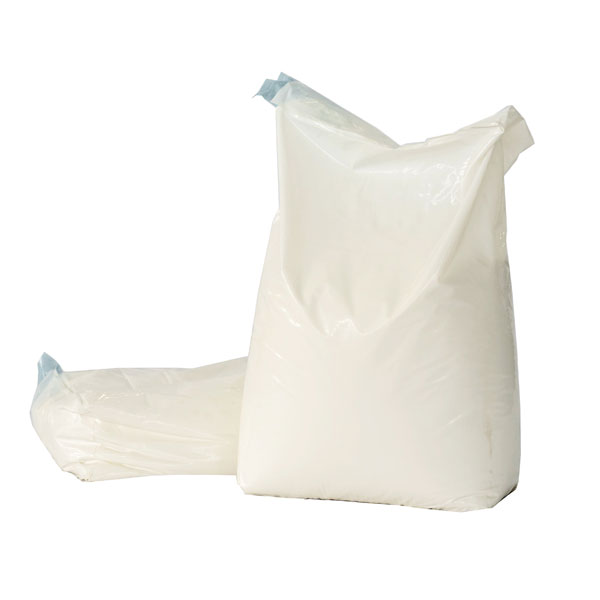
Unbranded PE/PP craft paper bags ideal for distributor private labeling or localized chemical blending operations.
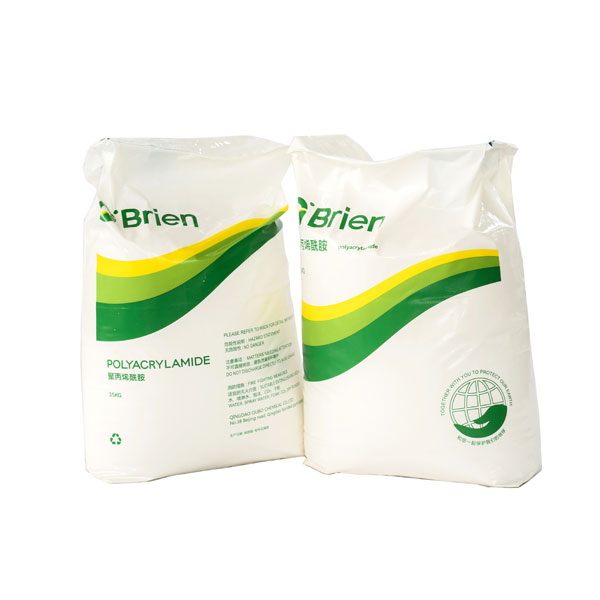
Standard Oubo/O'brien factory printed multi-wall paper-plastic composite bag with inner moisture-proof PE liner.
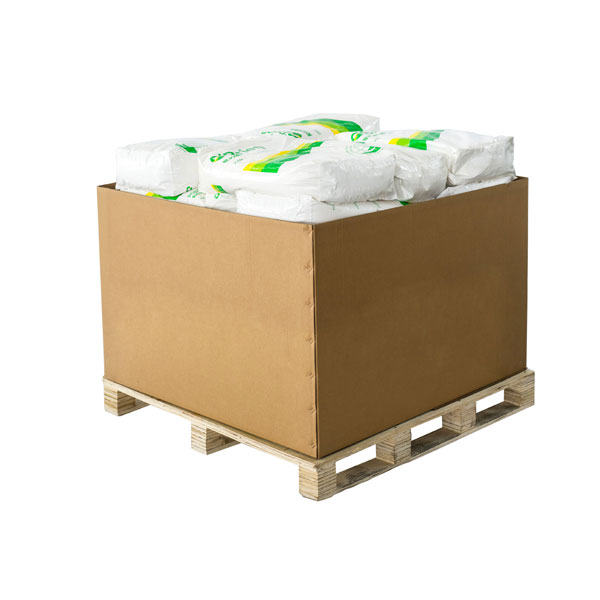
Heavy-duty ton bags with bottom discharge spouts designed for high-volume automated chemical dosing hoppers.
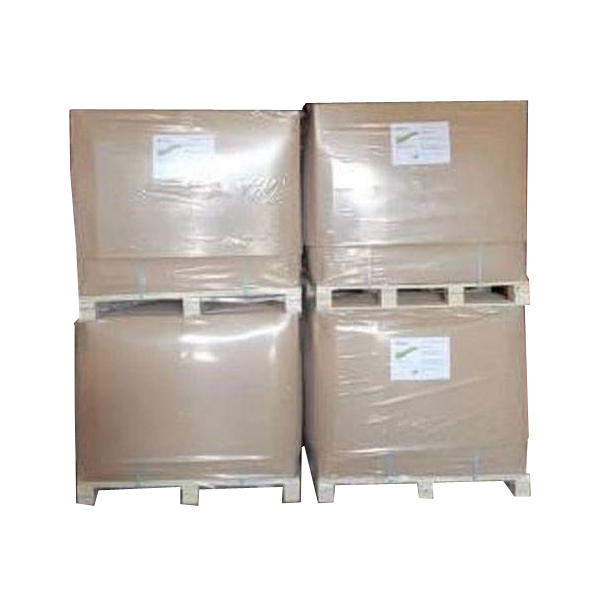
Standard ISPM-15 compliant fumigated wooden or plastic pallets, shrink-wrapped for containerized ocean freight stability.
Visualizing polymer performance across wastewater purification, paper mill wet-ends, oilfield recovery, and mining tailings separation.
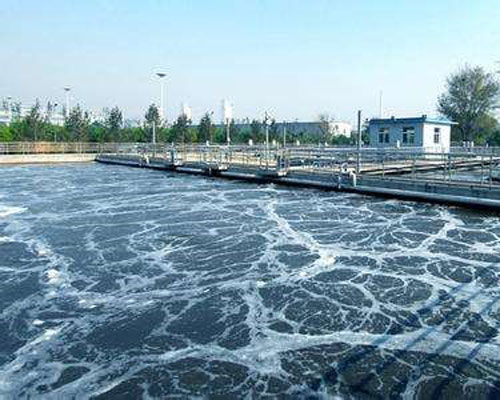
Enables rapid phase separation, transforming cloudy bio-sludge into dewaterable flocs with minimal chemical dosage requirement.
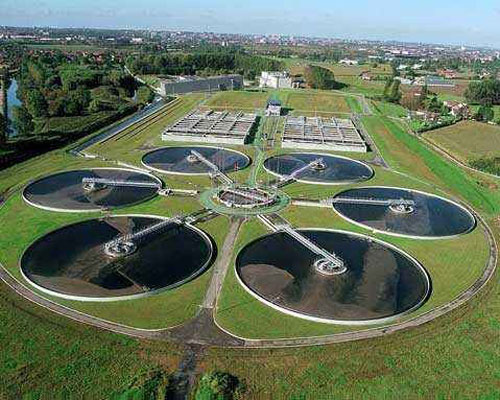
Oubo CPAM withstands intense shear forces inside decanter centrifuges without shearing macro-flocs apart prematurely.
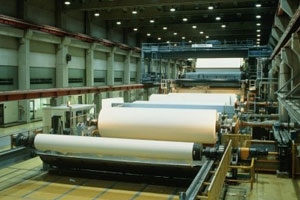
Binds fillers, titanium dioxide, and cellulose fines onto the paper sheet, elevating tensile strength and reducing white water BOD/COD.

Accelerates gravity thickener settling rates, enabling high-rate clarifiers to recycle process water back into circuits swiftly.
Expert answers regarding cationic polymer chemistry, dosage preparation, shelf-life, and international supply chain protocols.
A: Charge density selection depends on organic content (volatile solids percentage) of the sludge. Higher organic content (e.g., biological municipal sludge, food processing waste) requires higher cationic charge (40% - 60%). Sludges with higher inorganic mineral content respond better to lower cationic charge (10% - 30%). Oubo Chemical offers laboratory jar-test evaluation to pinpoint optimal ionicity.
A: Cationic polyacrylamide powder should be dissolved to a concentration of 0.1% to 0.3% (w/v) using clean, un-chlorinated water. Dissolution requires gentle agitation (200 - 400 RPM) for 45 to 60 minutes. Avoid high-shear mixers which tear the high-molecular-weight polymer chains, reducing flocculation efficacy.
A: Dry powder PAM has a shelf life of 24 months when stored in sealed original packaging within a cool, dry, and ventilated warehouse (temperature below 35°C). Aqueous stock solutions (0.1%-0.3%) should be consumed within 24 to 48 hours as cationic charge gradually hydrolyzes in diluted liquid state.
A: Oubo CPAM polymers remain highly stable across pH 3.0 to 10.0. Extreme alkaline conditions (pH > 11.0) can cause gradual hydrolysis of cationic quaternary ammonium ester groups into nonionic form. Thermal stability is maintained up to 70°C; for ultra-high temperature oilfield conditions, specialized thermal-resistant copolymers are supplied.
A: Yes. We offer OEM/ODM services, including customized molecular weight/charge target specifications, tailored particle sizes (micro-beads vs granular powder), and customized 25kg or 1000kg palletized blank/private label packaging with complete SDS, REACH, and COA documentation.
A: Our manufacturing facilities are certified under ISO9001:2008 and ISO14001. All products comply with EU REACH registration standards, US EPA guidelines for industrial wastewater additives, and heavy metal testing protocols (RoHS / SVHC compliance).
Complete your chemical procurement requirements with our high-grade ionic and non-ionic flocculants.
 Oubo Chemical