Explore our primary cationic, anionic, and nonionic polymer series engineered for high-performance liquid-solid separation, sludge dewatering, and enhanced oil recovery.
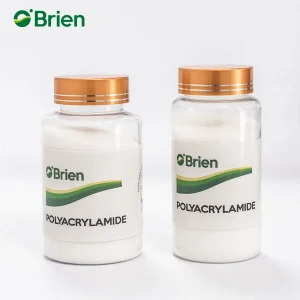
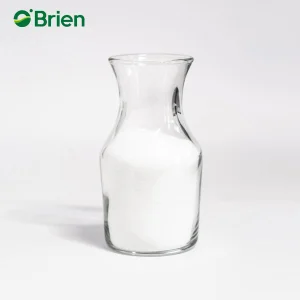
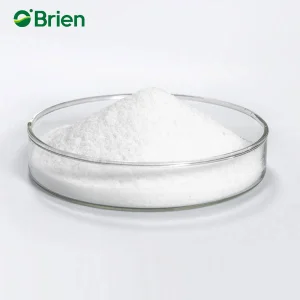
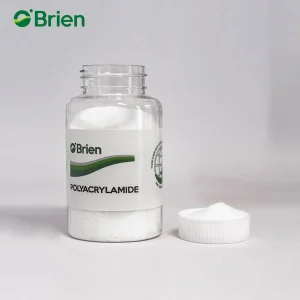
Oubo Chemical Co., Ltd was established in 2011, located in the free trade zone of Qingdao, China. As a premier global chemical manufacturer specializing in water-soluble polymers, Oubo's quality control system is strict and comprehensive. Over the past decade, our enterprise has sustained an annual business growth rate exceeding 10%, breaking through an annual production capacity of 50,000 Metric Tons.
Our manufacturing infrastructure utilizes advanced biological enzymatic methods to produce acrylamide monomers, a patented process that minimizes residual toxicity, ensures ultra-high molecular weights, and minimizes environment impacts. With an ongoing commitment to technological innovation, Oubo invests heavily into R&D annually to accumulate technical capital and maintain global competitiveness.
Certified under ISO9001:2008 quality management standards, our brand O'brien is trusted across North America, Europe, Southeast Asia, and the Middle East for reliability, batch-to-batch consistency, and custom chemical engineering support.
Strategic Raw Material Sourcing: To guarantee absolute polymer purity and reaction stability, our raw material supply chain operates in strategic partnership with global chemical giants including SINOPEC and Eni. Every batch undergoes a 3-stage QC verification before distribution.
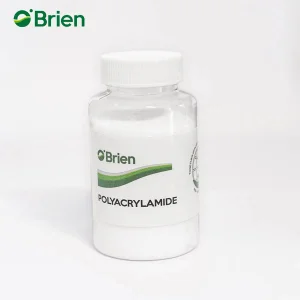
Qingdao Oubo Chemical Co., Ltd is highly committed to quality, customer service, and environmental stewardship. Polyacrylamide (PAM) products provided by Oubo offer sustainable solutions across Municipal Wastewater Treatment, Oil & Gas Extraction, Mining Beneficiation, Agriculture, Paper & Pulp Manufacturing, Textiles, and Food Processing.
An authoritative deep-dive into polymer chemistry, copolymerization dynamics, charge density spectrums, and flocculation mechanics.
Cationic Polyacrylamide (CPAM) is a linear, water-soluble high-molecular-weight polymer formed by copolymerizing non-ionic acrylamide (AM) monomers with cationic functional monomers such as acryloyloxyethyltrimethyl ammonium chloride (DAC) or methacryloyloxyethyltrimethyl ammonium chloride (DMC). The resulting structure provides positively charged quaternary ammonium sites along the polyacrylamide backbone.
The degree of cationicity (charge density) represents the mole percentage of cationic monomer units integrated into the polymer chain. Oubo manufactures precise charge densities ranging from low (10%-20%), medium (30%-50%), to ultra-high (60%-80%). Selecting the correct charge density neutralizes the negative surface charge (Zeta Potential) of organic suspensions effectively.
CPAM functions through dual microscopic mechanisms: Charge Neutralization and Polymer Bridging. Positively charged quaternary ammonium groups collapse the electrical double layer of negatively charged organic particles (sludge, proteins, pulp fibers), while long polymer chains (molecular weight 5–15 million Daltons) bridge adjacent particles to form large, dense flocs.
| Polymer Grade Type | Ionicity / Charge Density (%) | Molecular Weight (Million Daltons) | Solid Content (%) | Dissolution Time (Mins) | Target Industrial Application |
|---|---|---|---|---|---|
| CPAM High-MW Grade | 10% - 30% (Low to Medium) | 10.0 - 12.0 | ≥ 88% | ≤ 60 | Paper Retention, River Dredging Sludge |
| CPAM Dewatering Grade | 30% - 50% (Medium to High) | 8.0 - 10.0 | ≥ 88% | ≤ 45 | Municipal Sewage Sludge Centrifugation |
| CPAM Ultra-High Charge | 60% - 80% (Ultra High) | 6.0 - 8.0 | ≥ 88% | ≤ 45 | Textile Dyeing, Tannery & Oily Sludge |
| APAM Anionic Series | 5% - 40% (Anionic Degree) | 12.0 - 22.0 | ≥ 88% | ≤ 50 | Coal Tailings Washing, Mineral Processing |
| NPAM Non-ionic Series | < 2% (Non-ionic) | 8.0 - 10.0 | ≥ 88% | ≤ 90 | Acidic Wastewater, Soil Stabilization |
Macroeconomic analysis of the polyacrylamide market, regulatory compliance frameworks, and regional industrial demand.
North America & Europe: Environmental mandates such as the EU Water Framework Directive (2000/60/EC) and US EPA Clean Water Act force industrial municipal facilities to upgrade sludge dewatering systems. Low-monomer-residual polymers (<250 ppm residual monomer) are strictly required for discharge compliance.
Asia-Pacific & Middle East: Rapid industrialization, mega municipal infrastructure projects, and intense mining activities in Australia, China, and Southeast Asia drive massive bulk demand for dry powder CPAM and high-viscosity APAM for mineral flotation and coal tailing dewatering.
Traditional PAM manufacturing relied on chemical hydration of acrylonitrile using copper catalysts, leaving toxic copper ions and high acrylamide monomer (AM) residues. Oubo Chemical utilizes 3rd-generation biological microbiological enzymatic catalysis (nitrile hydratase enzyme).
This green chemistry approach delivers 99.9% pure monomer conversion, zero metallic impurities, higher polymerization linearity, and significantly reduced carbon footprint during mass production.
Tailored chemical dosage strategies for complex waste streams, heavy industrial manufacturing, and resource recovery.
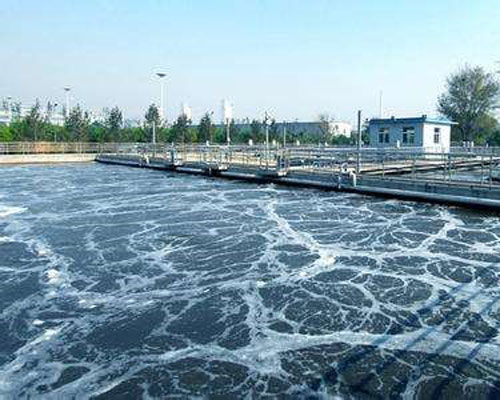
Mainly used in industrial solid-liquid separation processes including sedimentation, clarification, concentration, and sludge dewatering. Ideal for belt filter presses, centrifuge decanters, and screw presses across municipal sewage, leather processing, and pharmaceutical wastewater.
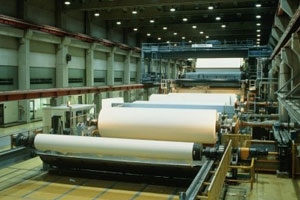
Serves as dry/wet strength agents, retention aids, and filter aids. CPAM acts as an anionic garbage catcher in closed-loop white water systems, balancing wet-end chemistry, increasing filler retention, and enhancing paper structural integrity.
Applied extensively in tertiary oil recovery (EOR), profile control, plugging agents, drilling fluids, and fracturing fluid additives. Reduces fluid loss, inhibits shale swelling, and provides high-shear thermal viscosity stability.

Critical for solid-liquid separation by filtration and centrifugation in coal washing, tailings thickener dewatering, and hydrometallurgical recovery of gold, silver, copper, iron, and nickel ores.
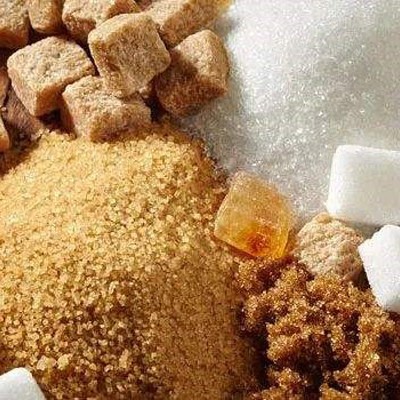
Specially formulated non-toxic polyacrylamide polymers assist in juice clarification, syrup filtration, and flotation processes in sugar cane and sugar beet refining mills.
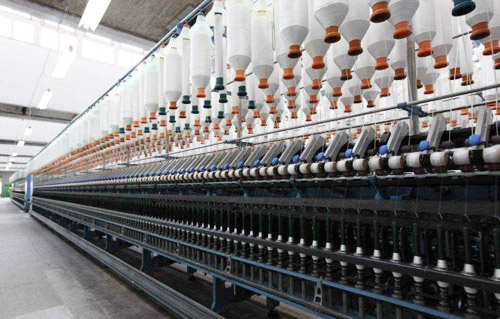
Functions as a textile sizing agent, fabric finishing agent, and decolorizing flocculant for complex dyeing effluent containing reactive dyes and heavy organic loads.
Maximizing chemical yield and reducing operational expenditure through scientific polymer preparation.
Dissolve dry powder into a 0.1% to 0.3% aqueous solution. Avoid direct addition of dry powder to sludge systems to prevent agglomeration ("fish eyes").
Use clean neutral tap water (pH 6.5–7.5). Water temperature should be maintained between 20°C and 40°C to accelerate dissolution without thermal chain cleavage.
Maintain stirrer mechanical speed at 200 - 400 RPM. Excessive shear stress (>600 RPM) degrades long molecular chains, reducing flocculation performance.
Perform standard jar testing to establish optimal dosage rates (typically 2 - 10 kg dry polymer per ton of dry sludge solids) for minimum filtrate turbidity.
Empirical advantages, world-class production infrastructure, and dedicated technical support teams.
Qingdao OUBO Chemical Co., Ltd is a world-leading polyacrylamide manufacturer utilizing proprietary biological synthesis methods with multiple patents applied. By committing continuous R&D expenditure, we maintain technical leadership in ultra-high molecular weight polymer stabilization.
All raw materials are ethically sourced from world-class suppliers like SINOPEC and Eni. Our fully automated production lines comply with ISO9001 standards. Every single batch product is tested 3 times prior to shipment by our dedicated QC laboratory team.
We specialize in polyacrylamide manufacturing with superior quality and factory-direct pricing. Our technical engineering team participates directly in pre-sales analysis, jar testing, process selection, trial runs, and after-sales maintenance.
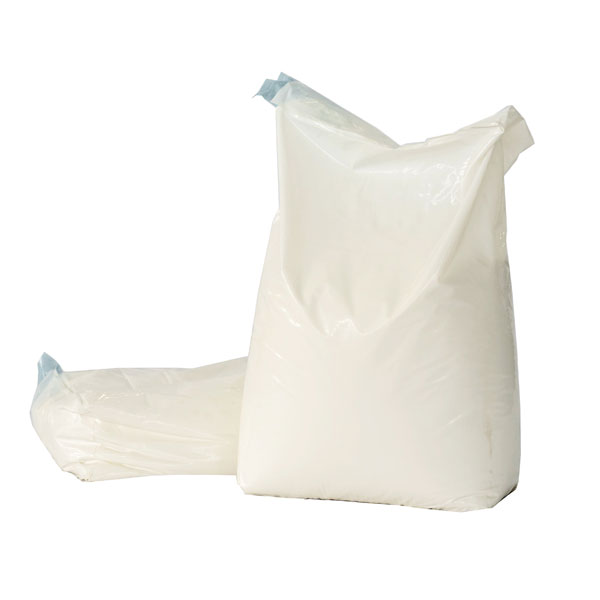
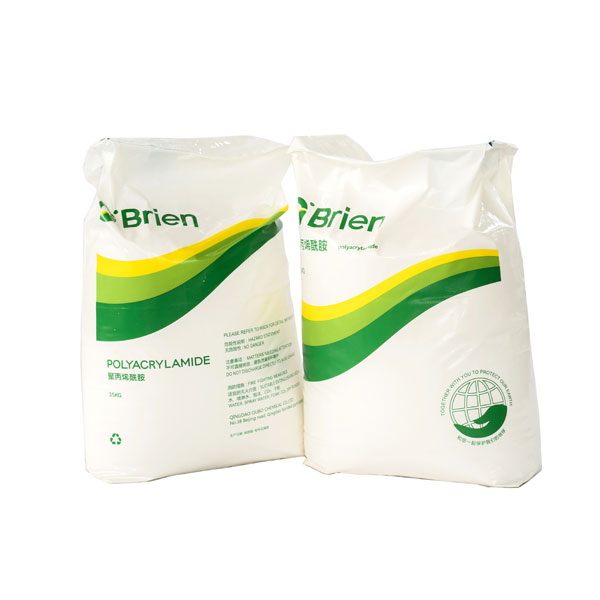
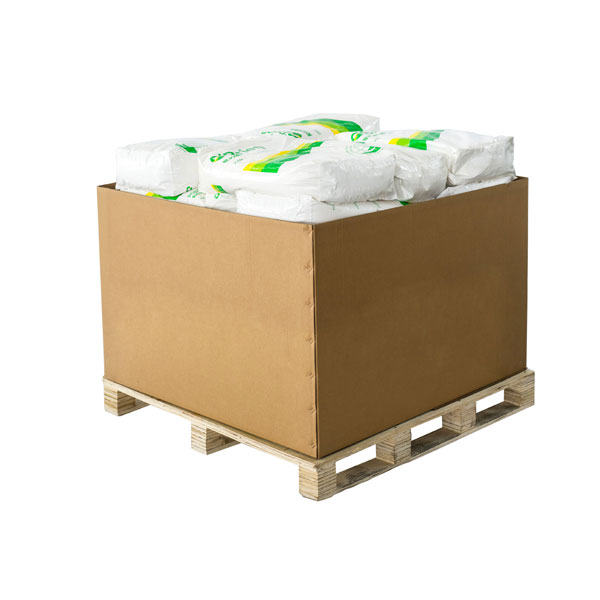
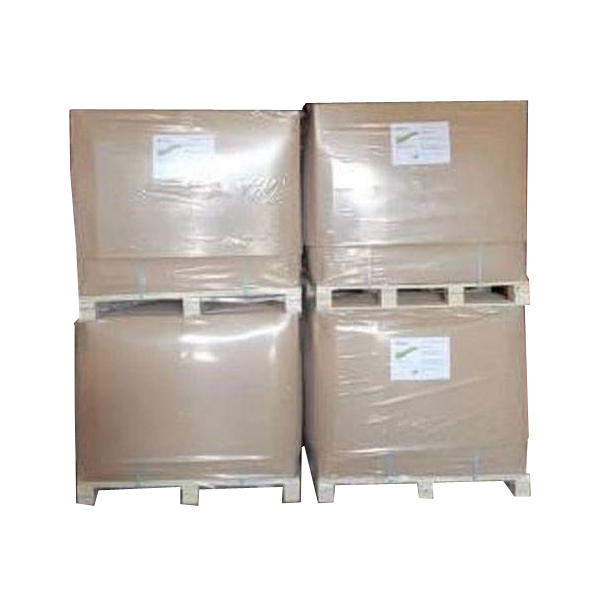
Standard packaging options include 25kg Kraft paper bags with internal PE moisture barriers, blank neutral bags, and customized palletized bulk packaging optimized for international maritime container transport.
Technical and commercial answers for chemical procurement managers, water treatment engineers, and plant operators.
Selection depends entirely on the electrostatic charge of the suspended solids in your substrate. Cationic Polyacrylamide (CPAM) is suitable for negatively charged organic sludges (municipal sewage, biological sludge, food processing, tannery waste). Anionic Polyacrylamide (APAM) is designed for positively charged or neutral inorganic mineral suspensions (coal tailings, sand washing, silica, clay, acid mine drainage). Nonionic Polyacrylamide (NPAM) works best under acidic environments or highly complex mineral-rich fluids where ionic charges are shielded.
Unopened dry powder CPAM/APAM has a shelf life of 24 months when stored in a cool, dry, and ventilated warehouse away from direct sunlight, moisture, and extreme heat (<35°C). Once dissolved into a liquid working solution, cationic polymers should be consumed within 24 to 48 hours, as aqueous CPAM chains undergo slow hydrolytic degradation over time.
"Fish eyes" occur when dry powder is dumped into water too rapidly. The outer layer hydrates instantly, forming a waterproof gelatinous shell that prevents water from penetrating the inner core. To eliminate this, use an automated powder disperser or feed dry powder slowly while maintaining steady mechanical agitation (200 - 400 RPM).
Yes. Utilizing our advanced bio-catalytic acrylamide synthesis pathway, Oubo produces cationic and anionic polymers with residual acrylamide monomer (AM) concentrations guaranteed below <250 ppm to <500 ppm, meeting stringent international standards set by the US EPA and European REACH regulations.
Wholesale direct-from-factory catalog for chemical distributors and industrial end-users.
 Oubo Chemical