Direct factory supply of premium flocculants, coagulants, and processing aids engineered for extreme industrial performance.
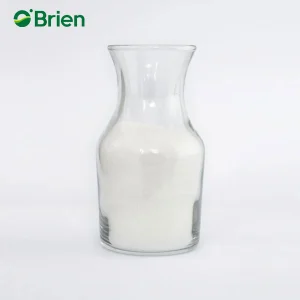
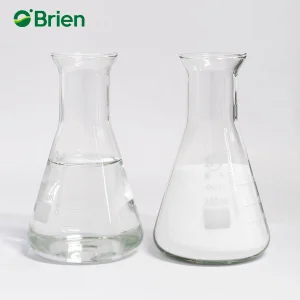
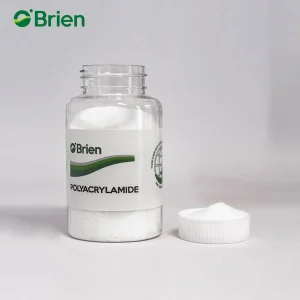
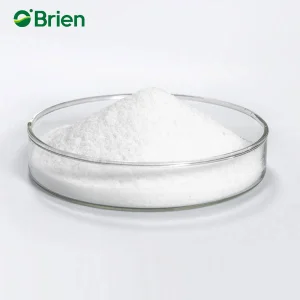
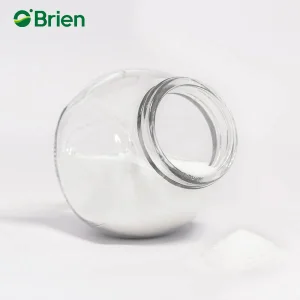
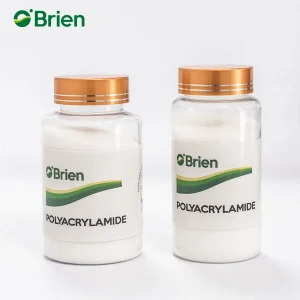
Understanding the charge density dynamics, copolymerization mechanisms, and structural kinetics of linear water-soluble cationic polymers in heavy industrial solid-liquid separation.
Cationic Polyacrylamide carries positively charged quaternary ammonium groups along its backbone (e.g., DAC or DMC monomers). In colloidal suspensions with negatively charged organic particles, CPAM destabilizes electrical double-layers via rapid charge neutralization, collapsing zeta potential to near-zero levels.
Featuring ultra-high molecular weights ranging from 5 Million to over 15 Million Daltons, CPAM macromolecular chains extend deep into the aqueous phase. Individual polymer threads adsorb simultaneously onto multiple suspended solids, forming large, fast-settling macroscopic flocs.
At high cationic charge densities (40%–80% mole content), the polymer chain attaches to particle surfaces in localized patches. This creates alternating positively and negatively charged domains across micro-flocs, driving intense electro-viscous coagulation under high shear stress conditions.
| Parameter / Grade | Molecular Weight (Million Daltons) | Charge Density (Degree of Cationicity) | Solid Content (%) | Dissolving Time (Mins) | Primary Application Focus |
|---|---|---|---|---|---|
| CPAM Low-Charge | 10.0 - 15.0 | 10% - 20% Mol | ≥ 88% | ≤ 60 | Papermaking retention aids, river dredging, low-organic municipal sludge |
| CPAM Medium-Charge | 8.0 - 12.0 | 30% - 40% Mol | ≥ 88% | ≤ 50 | Textile dyeing wastewater, belt filter press dewatering, food processing waste |
| CPAM High-Charge | 6.0 - 10.0 | 50% - 60% Mol | ≥ 88% | ≤ 45 | Centrifugal dewatering, high-fat food industrial sludge, tannery effluents |
| CPAM Ultra-High Charge | 5.0 - 8.0 | 70% - 80% Mol | ≥ 90% | ≤ 40 | Pharmaceutical sludge, biochemical sludge, high-speed centrifuge dewatering |
Engineered to meet the stringent demands of global water infrastructure, resource extraction, and industrial manufacturing.
Oubo Chemical Co., Ltd was established in 2011, which is located in the Free Trade Zone of Qingdao, China. The QC system of O'Brien is strict and comprehensive, in the past 10 years, the business growth rate is 10% per year. Qingdao Oubo Chemical Co, Ltd is highly committed to quality, service, and pays more attention to the influence of the environment during polymer production and application.
Oubo specializes in supplying Cationic Polyacrylamide, Anionic Polyacrylamide, and Nonionic Polyacrylamide, we have advanced equipment and professional staff, which ensure all the products and service to be in good order. The annual capacity of polyacrylamide has broken through 50,000 Tons in 2018, and the quality management system of Oubo has been certified by ISO9001:2008. We proudly stand behind our product.
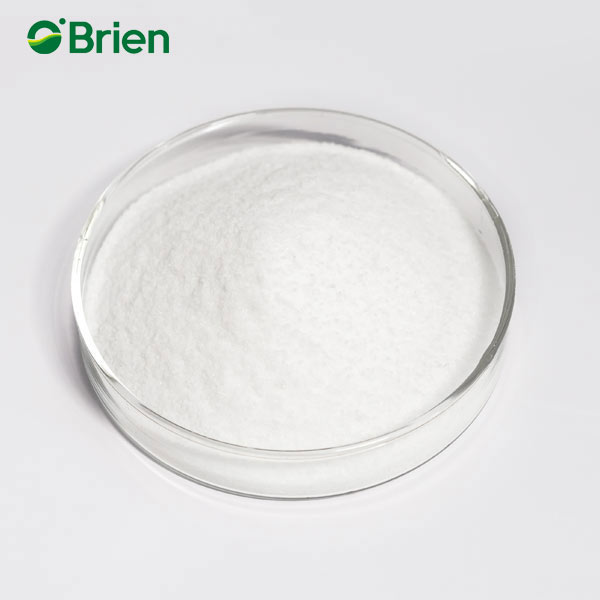
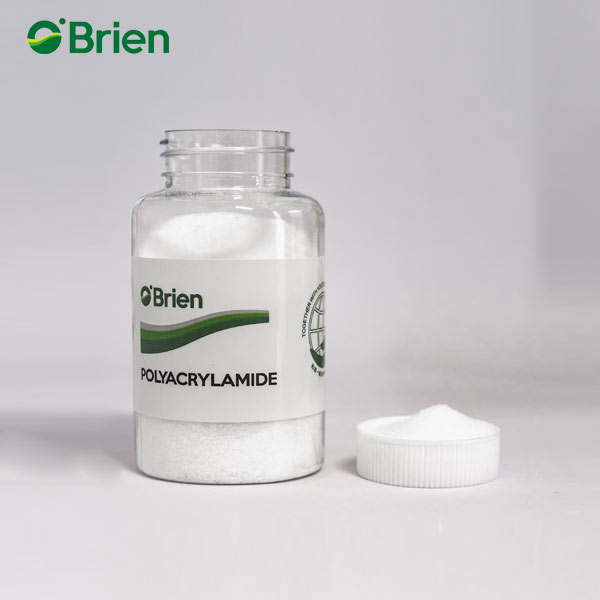
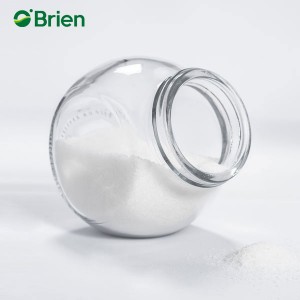
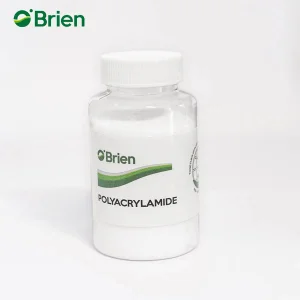
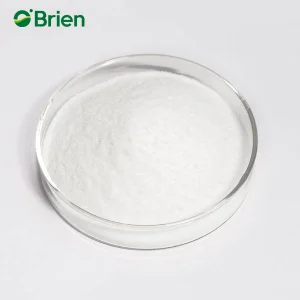
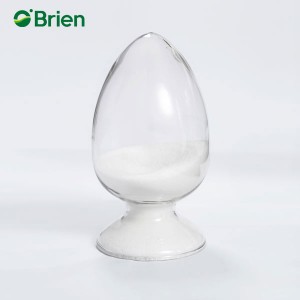
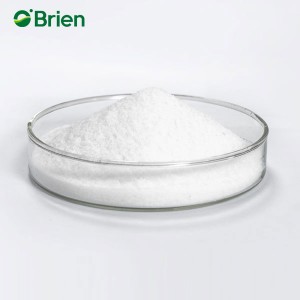
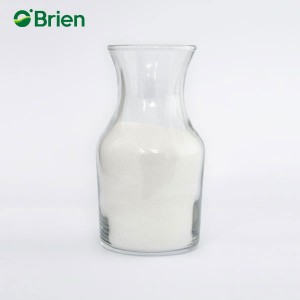
Polyacrylamide (PAM) is a synthetic resin prepared by polymerizing acrylamide. It is a white, solid, water-soluble polymer of acrylamide, mostly used as a flocculant, coagulant, and filtration aid in a whole range of applications that are determined by its physical form and its ionic type (nonionic, anionic, cationic, and Mannich).
It is utilized in secondary oil recovery, as a thickening agent, a flocculant, and an absorbent. Moreover, polyacrylamide is also employed to separate macromolecules of different molecular weights.
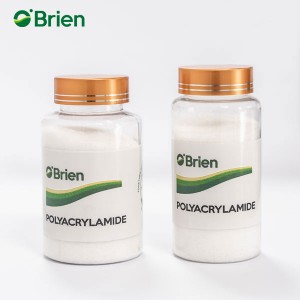
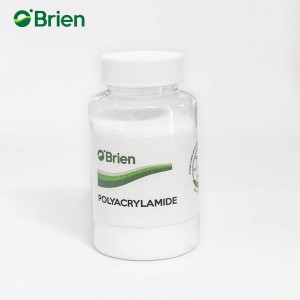
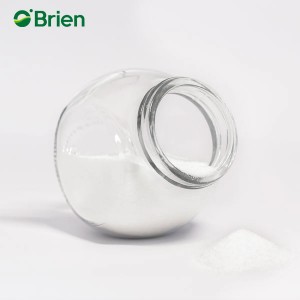
Qingdao OUBO Chemical Co,. Ltd is the leading manufacturer of Polyacrylamide in the world. We use biological methods to produce polyacrylamide, which has a patent applied for. We put €2 hundred million into research per year for continuous technical accumulation.
Global supply chain integration. All raw materials are purchased from leading world suppliers like SINOPEC and Eni. Our production lines are fully automated. All products comply with ISO9001, and each batch is tested 3 times prior to delivery by our expert QC team.
Specialized in manufacturing Polyacrylamide for over a decade with superior quality and competitive direct-factory pricing. Our technical staff supports pre-sales selection, dosage optimization, laboratory beaker testing, and comprehensive field service.
Our engineering team joins the pre-sales, sales, and after-sales process to support your chemical selection, polymer makeup concentration, dosing pump calibration, and operational cost-reduction audits.
Engineered formulas designed for municipal sewage, pulp and paper, enhanced oil recovery, mining tailings, and industrial effluent treatment.
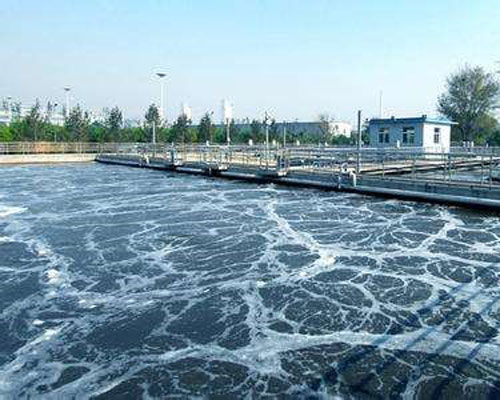
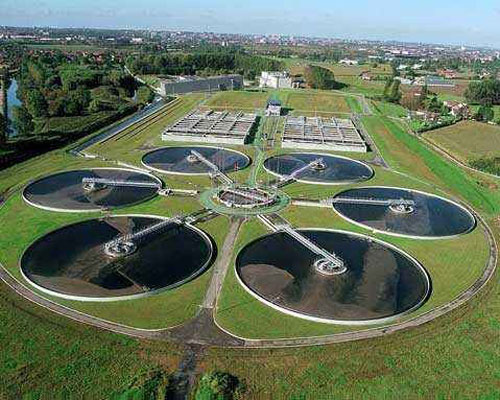
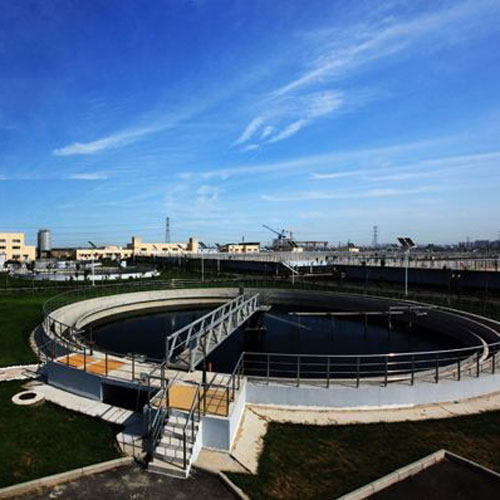
As a cationic flocculating agent, CPAM is predominantly used in industrial solid-liquid separation processes including sedimentation, clarification, thickening, and sludge dewatering. Highly effective across belt presses, screw presses, and high-speed centrifuges, CPAM dramatically lowers cake moisture content.
Increasingly stringent environmental regulations accelerate the need for ultra-pure water discharge. Beyond urban sewage, CPAM works extensively in leather processing, citric acid production, vegetable protein extraction, dyeing, pharmaceuticals, incense manufacturing, and chemical effluent purification.
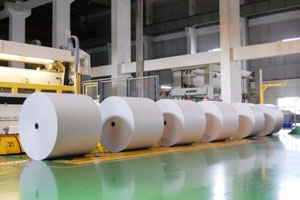
In the paper industry, cationic polyacrylamide functions as a vital dry strength agent, retention aid, drainage promoter, and filter aid. It significantly enhances paper quality, increases physical sheet strength, and reduces fiber loss while recycling white water during deinking processes.
Polyacrylamide polymers are extensively deployed across oil recovery, profile control, water-plugging agents, drilling fluids, and hydraulic fracturing fluids. They effectively suppress shale swelling, reduce fluid loss, lubricate drill strings, cool bits, and carry rock cuttings out of the borehole during cementing and completion operations.
Key application sectors include:



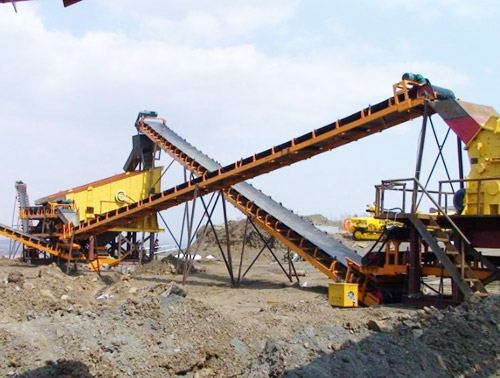

Mining & Mineral Processing: High-molecular polyacrylamides accelerate solid-liquid separation in coal washing, mineral tailing thickening, filtration, centrifugation, and hydrometallurgical recovery of Gold, Silver, Iron, Nickel, and Copper.
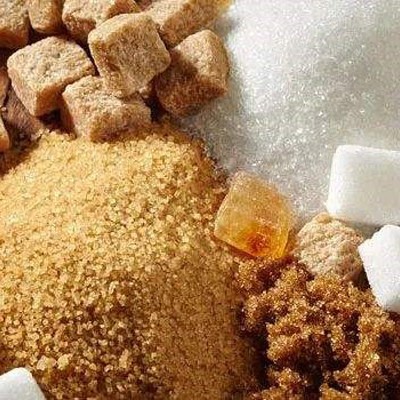
Sugar Industry: Acts as an ultra-pure clarification and flotation aid in sugarcane and sugar beet juice clarification, accelerating impurity drop-out.
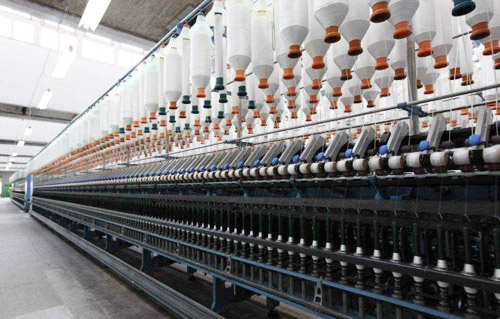
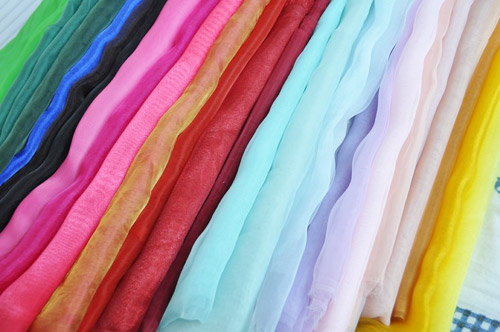
Textile Industry: Functions as a high-performance sizing agent, finishing auxiliary, and fabric treatment agent, delivering superior yarn strength while treating dye-rich wastewater effluent.

Situated within the Qingdao Free Trade Zone, Oubo Chemical benefits from direct access to Qingdao Port—one of the world's largest deep-water maritime hubs. This geographic placement ensures rapid vessel loading, seamless customs clearing, and robust resilience against international supply chain disruptions.
By leveraging integrated upstream raw material supply agreements with global petrochemical giants like SINOPEC and Eni, we maintain 100% monomer price stability and guaranteed supply continuity even during global material shortfalls.
Oubo Chemical leads the industry into green polymer chemistry with our patented bio-catalyzed acrylamide synthesis method. By replacing traditional chemical nitrile hydration processes with bio-enzymatic conversion, we reduce manufacturing carbon footprints by over 30% while eliminating trace by-products.
Our R&D roadmap focuses on developing micro-emulsion cationic polymers with rapid-dissolution capabilities (<15 minutes) and ultra-shear-stable branched macromolecular chains for deep-well oilfield applications.
Heavy-duty, moisture-proof multi-layer packaging solutions engineered for long-distance maritime and continental transport.
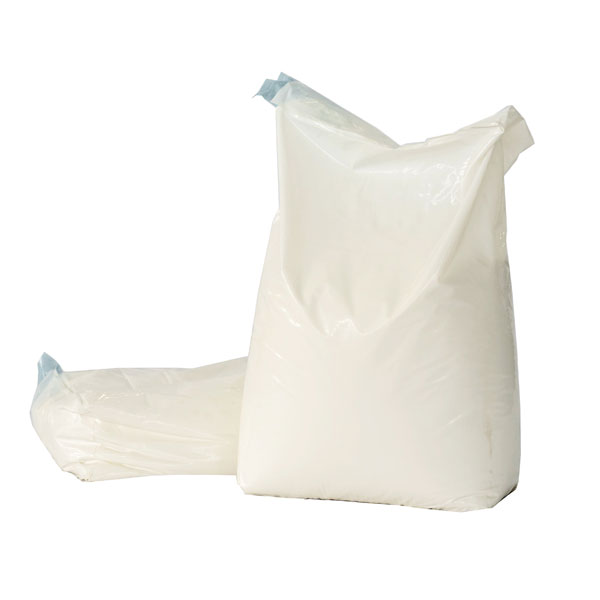
25kg unbranded neutral Kraft paper/PE bags ideal for OEM distributors and private labeling.
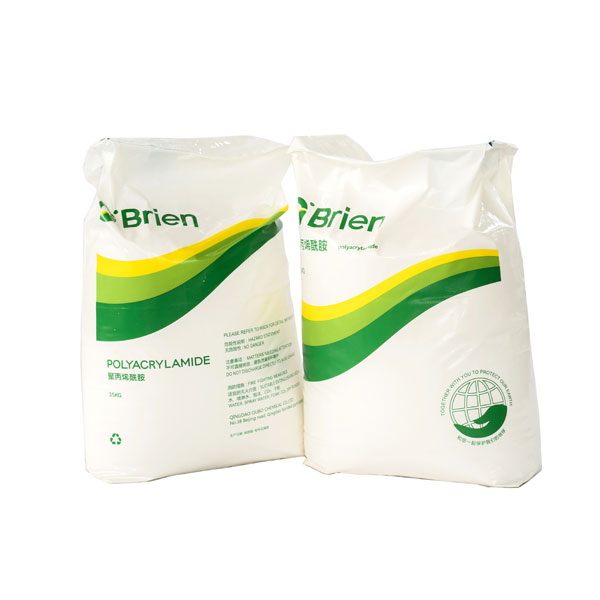
Standard Oubo branded 25kg moisture-proof woven poly bags with inner plastic liner.
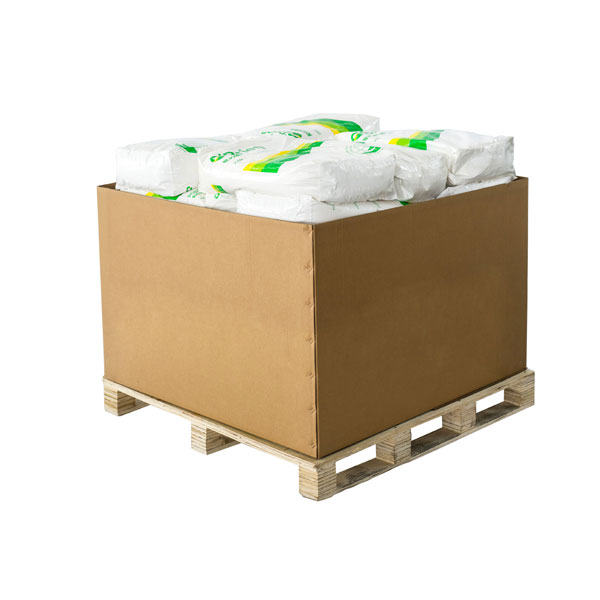
750kg–1000kg heavy-duty super-sacks for continuous automated dosing systems.
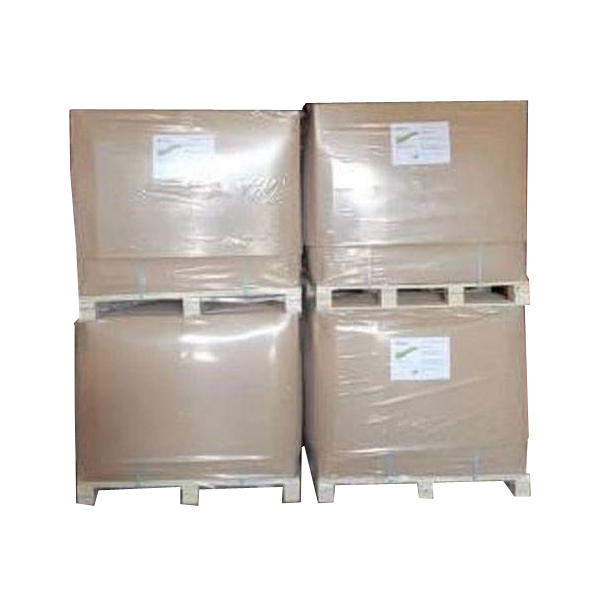
ISPM-15 compliant wooden/plastic pallets shrink-wrapped for maximum ocean freight protection.
Expert technical insights regarding selection, dosing chemistry, handling, and application optimization for cationic polyacrylamides.
Explore our full line of specialized cationic, anionic, and nonionic polyacrylamide solutions available for global wholesale shipping.
 Oubo Chemical