Engineered for High-Performance Sludge Dewatering, Industrial Effluent Clarification, and Process Acceleration
Macroeconomic Drivers, Environmental Regulations, and Supply Chain Dynamics in Polyelectrolyte Manufacturing
The global polyelectrolyte market—specifically Cationic Polyacrylamide (CPAM)—is experiencing unprecedented structural growth. Driven by stringent global environmental mandates such as the EU Water Framework Directive, the US EPA Effluent Limitations Guidelines, and China's Environmental Protection Law, industrial and municipal entities are forced to achieve zero-liquid discharge (ZLD) and optimized sludge dry-cake solid content.
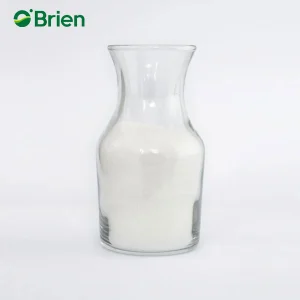
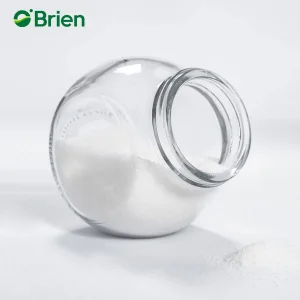
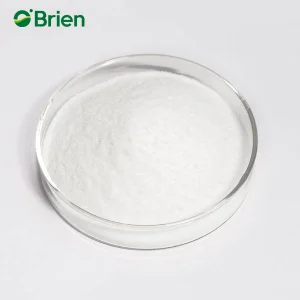
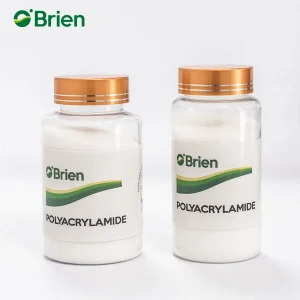
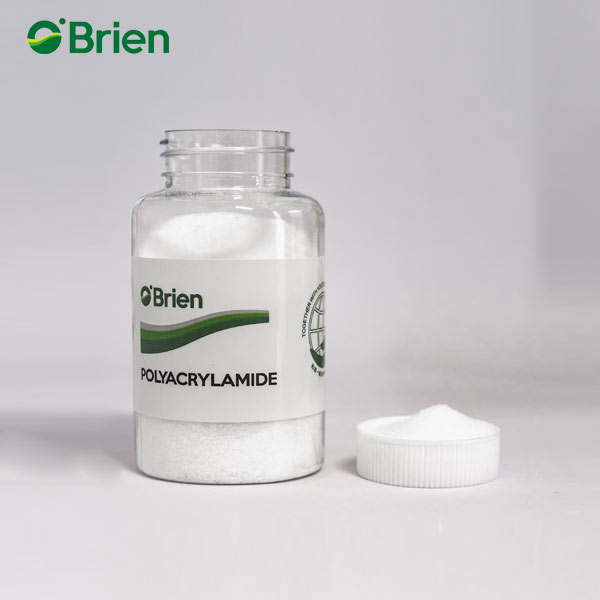
Cationic Polyacrylamide (CAS 9003-05-8) serves as the indispensable cornerstone for organic sludge conditioning, solid-liquid separation, and dewatering operations across municipal wastewater treatment plants (WWTPs), paper mills, petrochemical complexes, and textile dye units.
As chemical supply chains shift toward centralized purity standards and scale efficiencies, sourcing direct from premier manufacturing hubs such as Qingdao Oubo Chemical Co., Ltd. provides critical competitive advantages. Situated in the Free Trade Zone of Qingdao, China, Oubo leverages seamless maritime logistics, world-class raw material pipelines (in partnership with SINOPEC and Eni), and advanced automated polymerization lines to deliver unmatched lot-to-lot consistency.
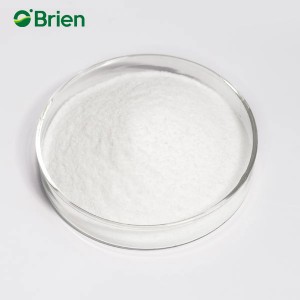
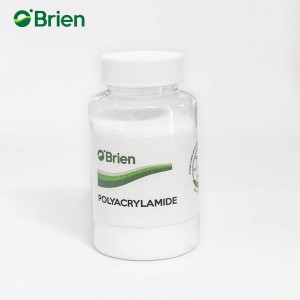
Deciphering Molecular Weight Profiles, Charge Density Variation, and Biological Polymerization Techniques
Polyacrylamide (PAM) is a water-soluble synthetic linear polymer formed from acrylamide subunits. Cationic Polyacrylamide (CPAM) is copolymerized with cationic monomers such as acryloyloxyethyltrimethyl ammonium chloride (DAC) or methacryloyloxyethyltrimethyl ammonium chloride (DMC).
Suspended organic solids in sludge carry negative electrostatic surface charges. CPAM molecules, possessing positively charged quaternary ammonium sites, neutralize these surface charges, collapsing the electrical double layer and initiating micro-floc formation via charge patch mechanisms.
Beyond charge neutralization, CPAM’s ultra-high molecular weight (ranging from 8 million to over 15 million Daltons) provides long polymer chains that absorb onto multiple solid particles simultaneously, forming robust, shear-resistant flocs suitable for high-pressure belt presses and centrifuges.
| Polyelectrolyte Grade | Ionicity / Charge Density (%) | Molecular Weight (Million Daltons) | Solid Content (%) | Dissolution Time (Mins) | Primary Target Application |
|---|---|---|---|---|---|
| CPAM Low Charge | 5% – 15% | 10.0 – 14.0 | ≥ 88% | ≤ 60 | Papermaking Retention & Fiber Recovery |
| CPAM Medium Charge | 20% – 40% | 8.0 – 12.0 | ≥ 88% | ≤ 50 | Municipal Sludge & Food Industry Waste Dewatering |
| CPAM High Charge | 40% – 80% | 6.0 – 10.0 | ≥ 88% | ≤ 45 | Textile Dyeing, Chemical Sludge & Centrifugal Dewatering |
| APAM (Anionic) | 10% – 60% (Anionic) | 12.0 – 22.0 | ≥ 88% | ≤ 60 | Inorganic Wastewater, Mining & Oilfield EOR |
| NPAM (Nonionic) | < 3% | 8.0 – 15.0 | ≥ 88% | ≤ 90 | Acidic Industrial Effluent & Soil Stabilization |
Field-Tested Chemical Engineering Solutions across Key Global Sector Verticals
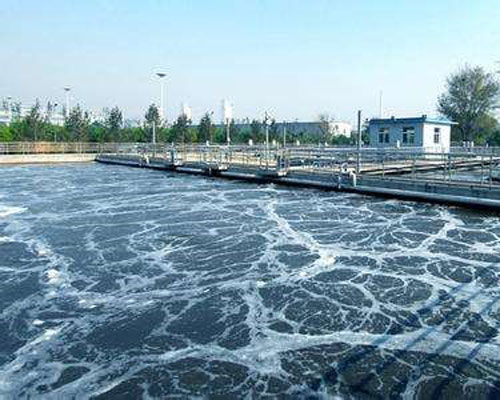
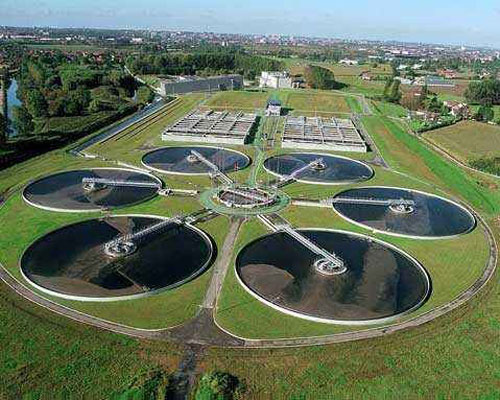
As a leading flocculating agent, CPAM is predominantly used in industrial solid-liquid separation processes, including sedimentation, clarification, thickening, and sludge dewatering. Increasingly stringent environmental discharge regulations drive the modernization of global wastewater treatment plants.
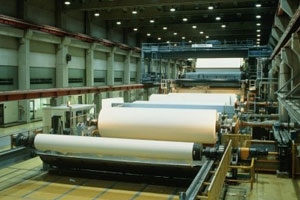
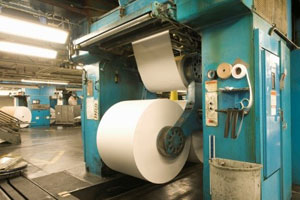
In the paper industry, polyacrylamide acts as a high-efficiency retention aid, drainage promoter, and wet/dry strength agent, drastically reducing raw material loss and improving paper formation.
PAM derivatives are extensively used in oil exploration, profile control, plugging agents, drilling fluids, and hydraulic fracturing formulations.
Full spectrum anionic, cationic, and non-ionic polymers designed to accelerate solid-liquid separation in heavy mineral slurry circuits.
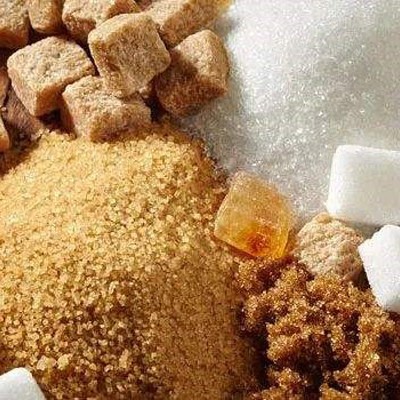
Utilized in juice clarification and scum flotation during cane and beet sugar processing, ensuring crystal clarity and higher sugar yield without toxic residues.
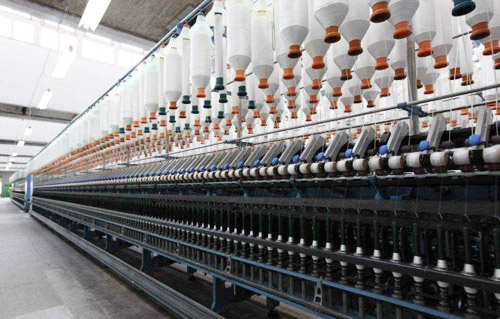
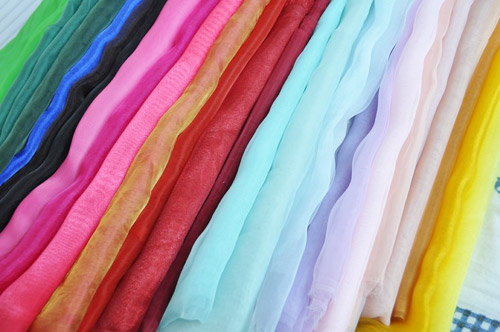
Acts as an efficient sizing agent, finishing auxiliary, and primary flocculant for decoloring intensely colored reactive/disperse dye effluents.
World-Class Polymer Manufacturing Expertise, Global Raw Material Integration, and Rigorous Quality Control
Established in 2011 inside the Qingdao Free Trade Zone, China, Qingdao Oubo Chemical Co., Ltd. has grown into a world-renowned manufacturer of polyacrylamide. We pioneered patented biological methods to synthesize acrylamide monomers, yielding higher molecular weights and ultra-clean polymers with lower toxic side-products.
Our quality management system is fully certified under ISO9001:2008, ensuring every metric ton shipped meets exacting world standards.
Our raw material supply network integrates global chemical giants such as SINOPEC and Eni. Production lines are 100% automated with continuous digital monitoring of polymerization temperatures, viscosity curves, and particle size distribution.
Every product batch undergoes 3 rigorous lab checks before release: raw material assay, reactor output check, and final powder quality control testing by our specialized engineers.
Next-Generation Bio-Based Polyelectrolytes, Low-Monomer Standards, and Smart Dosing Integration
Future global standards mandate acrylamide monomer levels under 100 ppm for sensitive applications. Oubo’s catalytic enzymatic technology leads this transition, enabling food-grade and potable water approval across stringent EU/US jurisdictions.
Traditional linear CPAM degrades under high shear rates inside high-speed centrifuges. Advanced branched and structured polyelectrolyte architectures maintain floc integrity under extreme centrifugal forces, drastically lowering dosing requirements.
Integrating real-time Zeta potential sensors and turbidity meters into automated dissolution units allows dynamic adjustment of CPAM dosing rates, reducing polymer consumption by 15–30% in modern smart water treatment facilities.
Tailored Industrial Packaging Options Designed for Maximum Shelf-Life and Moisture Protection
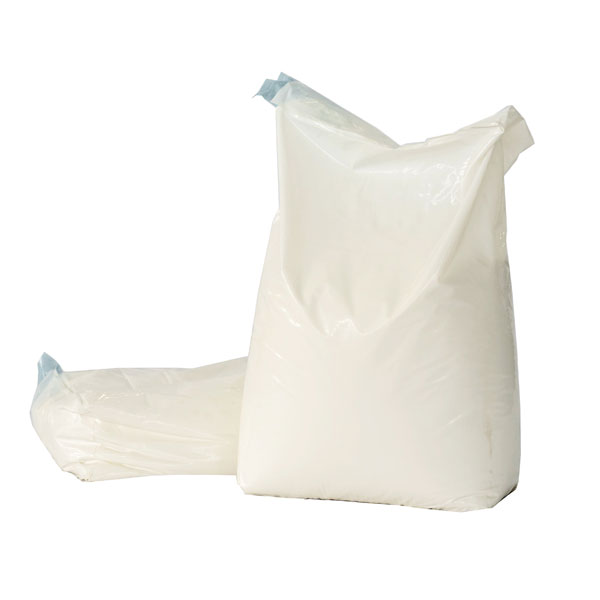
25kg PE/PP inner-lined neutral white bags. Ideal for distributor private labeling and custom rebranding.
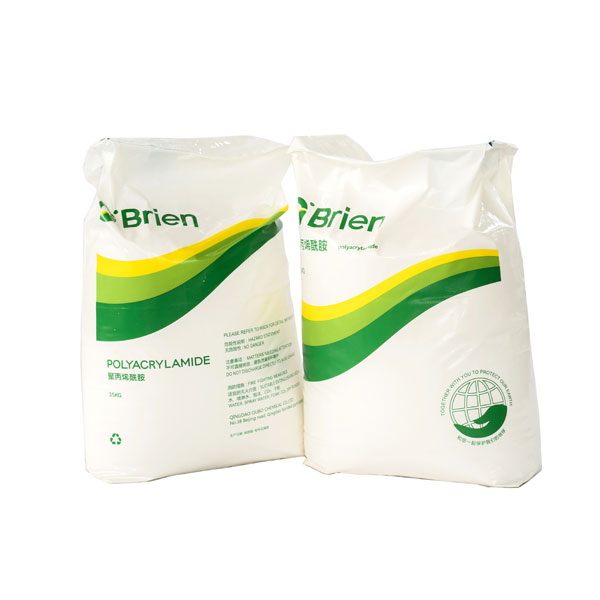
25kg multi-wall kraft paper bags with moisture-proof inner plastic film featuring standardized batch markings.
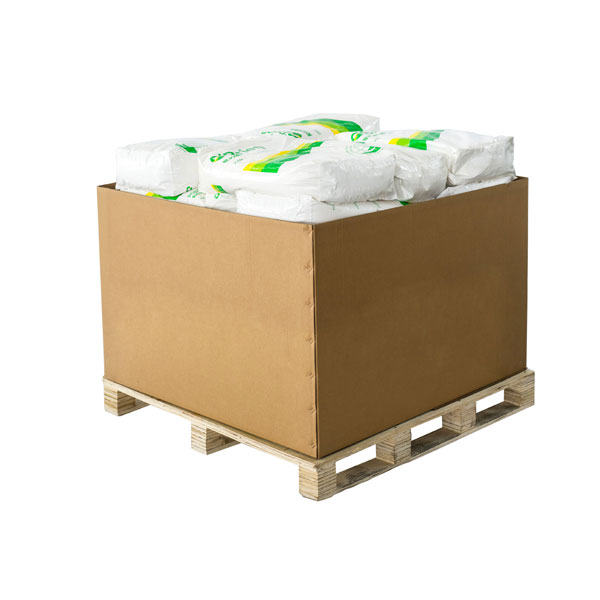
750kg / 1000kg high-capacity FIBC big bags designed for automated industrial continuous feeders.
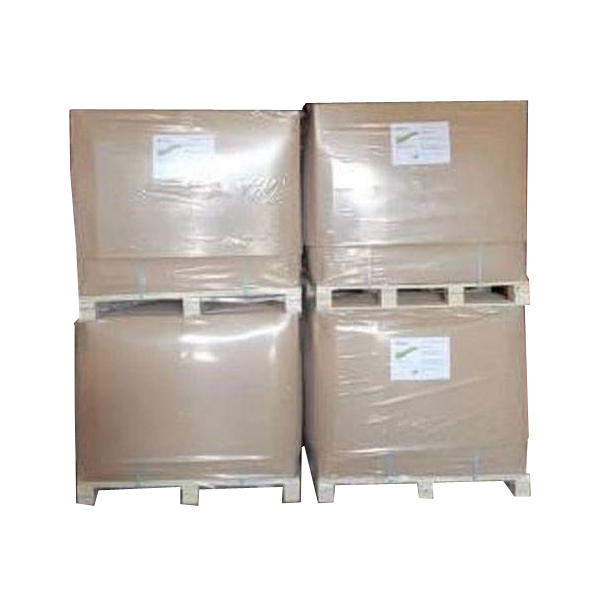
Fumigated wooden or plastic pallets, heavy-duty stretch wrapped for safe, moisture-free ocean transit.
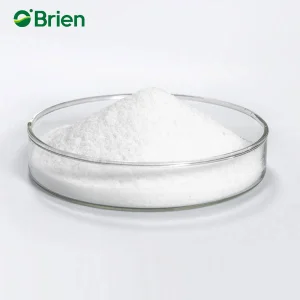
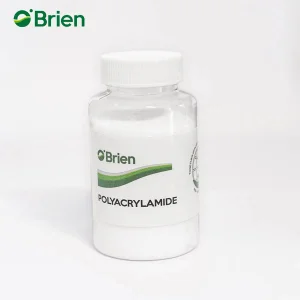
Select directly from our factory-certified product portfolio below
Expert Answers to Essential Sourcing, Dosing, and Performance Questions
 Oubo Chemical