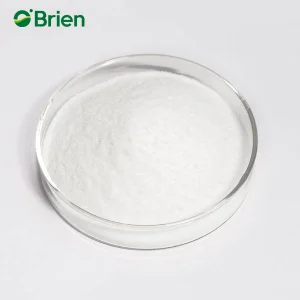
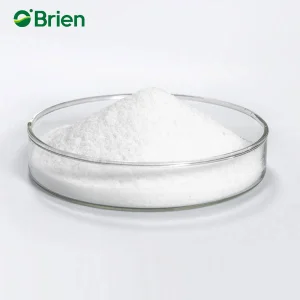
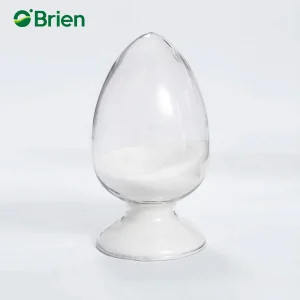
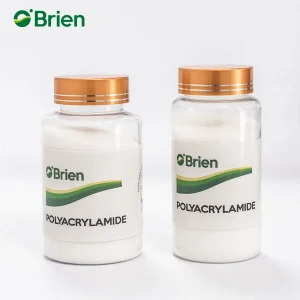
Wholesale Cationic Polyacrylamide Powder MSDS Manufacturer & Factories

Global Leadership in Industrial Polymer Synthesis, Water Treatment Chemical Safety, and High-Performance Dewatering Solutions

Featured Industrial Polymer Products

Premium Grade Anionic, Cationic, and Nonionic Polyacrylamide Formulations
Wholesale Anionic Polyacrylamide Powder Flocculant
Anionic Polyacrylamide Powder Flocculant for Food Processing & Sugar Refining Wastewater
View Details & MSDS
Nonionic Polyacrylamide PAM Thickener
Nonionic Polyacrylamide (PAM) Thickener for Oilfield Drilling Fluid
View Details & MSDS
High Molecular Weight Anionic Polyacrylamide
High Molecular Weight Anionic Polyacrylamide for Petrochemical & Metallurgical Wastewater
View Details & MSDS
Nonionic Polyacrylamide Coal Washing
High Molecular Weight Nonionic Polyacrylamide for Coal Washing & Tailings Dewatering
View Details & MSDS
Anionic Polyacrylamide Sewage Treatment
Anionic Polyacrylamide (APAM) for Municipal Sewage Treatment & Sludge Dewatering
View Details & MSDS
China Nonionic Polyacrylamide Suppliers
China Nonionic Polyacrylamide Industrial Grade Manufacturers & Suppliers
View Details & MSDS
Cationic Polyacrylamide Paper Making
Cationic Polyacrylamide Retention & Drainage Aid for Paper Making Industry
View Details & MSDS
China Cationic Polyacrylamide Manufacturer
China High-Purity Cationic Polyacrylamide Powder Manufacturer & Direct Factory
View Details & MSDS

Enterprise Leadership & Manufacturing Capability

Qingdao Oubo Chemical Co., Ltd – Pioneering Sustainable Polymer Synthesis Since 2011

50,000+
Annual Metric Tons Capacity
ISO 9001
Certified Quality Management
€200M+
R&D Investment & Tech Accumulation
10% YoY
Consistent Decade Growth Rate

Oubo Chemical Co., Ltd was established in 2011, located strategically within the Free Trade Zone of Qingdao, China. Operating under an uncompromising and comprehensive Quality Control (QC) architecture, Oubo Chemical has experienced a sustained annual business growth rate of over 10% for the past decade. As a global authority in water treatment and polymer chemistry, Qingdao Oubo Chemical Co., Ltd is deeply committed to quality engineering, customer-centric technical service, and environmental stewardship throughout every stage of polymer synthesis and industrial application.

Specializing in the continuous R&D and manufacturing of Cationic Polyacrylamide (CPAM), Anionic Polyacrylamide (APAM), and Nonionic Polyacrylamide (NPAM), our facilities feature automated production lines integrated with biological enzymatic monomer synthesis processes. In 2018, Oubo's annual production capacity breached the 50,000-metric-ton milestone. Certified under ISO9001:2008 standards, our operations guarantee absolute lot-to-lot consistency, minimal residual monomer levels, and optimized charge densities tailored to complex global supply chains.

Strategic Sourcing & Chemical Integrity: All primary raw materials are sourced globally via trusted partnerships with global chemical leaders such as SINOPEC and Eni. Every production batch undergoes rigorous 3-stage Quality Control testing prior to dispatch, ensuring absolute compliance with global MSDS (Material Safety Data Sheet) guidelines and regulatory standards.

Technical Specification & Comprehensive MSDS Blueprint

Chemical Structure, Safety Handling, Toxicological Profile, and Regulatory Compliance

Understanding Cationic Polyacrylamide (CPAM) Chemistry

Cationic Polyacrylamide (CAS No. 9003-05-8) is a linear water-soluble macromolecular polymer formed by copolymerizing acrylamide (AM) monomers with cationic monomers such as DAC (Acryloyloxyethyltrimethyl ammonium chloride) or DMC (Methacryloyloxyethyltrimethyl ammonium chloride). Characterized by positively charged functional groups along the polymer backbone, CPAM excels at charge neutralization and bridging adsorption on negatively charged colloidal particles suspended in industrial wastewater and organic sludge matrices.

Parameter Standard Technical Range Testing Methodology
Appearance White to Off-White Granular Powder Visual Inspection
Molecular Weight (MW) 8 Million - 15 Million Daltons Viscometric Standard / GPC
Cationic Degree (Charge Density) 10% - 80% (Customizable) Colloid Titration Method
Solid Content ≥ 88% - 90% Gravimetric Oven Drying
Residual Monomer (Acrylamide) ≤ 0.05% (500 ppm standard; < 250 ppm industrial) HPLC Analysis
Dissolution Time ≤ 45 - 60 Minutes (at 25°C) Standard Stirrer Dissolution Test
Insoluble Content ≤ 0.2% Sieve Filtration Mesh 120

MSDS / SDS Critical Safety & Operational Guidelines

A standard Material Safety Data Sheet (MSDS) for Wholesale Cationic Polyacrylamide Powder serves as an essential regulatory document detailing safe handling, emergency procedures, toxicological metrics, and environmental disposal guidelines. Below is an expert breakdown of the key MSDS sections required for global logistics and plant safety compliance:

  • Section 2: Hazard Identification: CPAM powder is non-toxic under normal industrial handling. However, fine airborne dust can create mechanical respiratory irritation. Crucial Slip Hazard: Spilled powder becomes extremely slippery when wet. Prompt dry cleanup is mandatory.
  • Section 4: First-Aid Measures: Eye Contact: Rinse immediately with copious amounts of water for at least 15 minutes. Skin Contact: Wash off thoroughly with soap and water. Inhalation: Move personnel to fresh air. Ingestion: Do not induce vomiting; seek immediate medical guidance.
  • Section 7: Handling & Storage: Store in cool, dry, well-ventilated dedicated chemical storage facilities. Keep packaging sealed airtight to prevent moisture absorption (hygroscopic behavior). Storage temperature ideal between 5°C and 35°C.
  • Section 8: Exposure Controls & Personal Protection: Use local exhaust ventilation. Operators must wear chemical splash goggles, nitrile protective gloves, anti-static dust masks (N95 equivalent), and standard industrial safety footwear.
  • Section 12: Ecological Information: High concentrations of cationic polymers show acute toxicity to aquatic organisms (especially fish and micro-invertebrates) due to charge interaction with gill membranes. Discharges must be neutralized or treated via primary wastewater clarification prior to water body release.

Global Market Landscape & Industrial Trends

Strategic Drivers Shaping Cationic Polyacrylamide Demand across Continents

The global polyacrylamide market is experiencing unprecedented transformation driven by stringent global environmental regulations, rising municipal sludge generation, and expanding industrial infrastructure across APAC, North America, and Europe. The global market size for Cationic Polyacrylamide Powder is projected to expand at a CAGR of 6.2% over the next decade.

APAC Growth Engine

Rapid urbanization, massive infrastructure expansion, and aggressive zero-liquid-discharge (ZLD) mandates in China, India, and Southeast Asia drive massive volume growth for municipal and industrial sludge dewatering.

North American Energy & Paper

High demand for specialized hydraulic fracturing fluid friction reducers alongside advanced paper recycling plants prioritizing cationic retention and drainage aids.

European Sustainability Directives

Strict European Union REACH compliance and toxicological regulations demand ultra-low residual monomer (<250 ppm) CPAM formulations produced via eco-friendly biological catalysis.

Key Macro Trends Reshaping Polyacrylamide Supply Chains

  • Transition to Enzymatic Biological Synthesis: Traditional chemical polymerization using acrylonitrile is being replaced by biological enzymatic conversion, dramatically reducing energy consumption, side-reactions, and residual monomer contamination.
  • High-Cationic Customization for High-Organic Sludges: Industrial operations in food processing, brewing, and municipal biological processes generate high-viscosity, high-charge organic sludges requiring specific cationic charge densities (40% - 80%).
  • ESG & Carbon Footprint Optimization: Global corporate buyers prioritize suppliers offering optimized logistics (powder concentrates vs liquid emulsions) to minimize maritime freight carbon intensity.

Localized Application Scenarios & Macro Solutions

Engineered Polyacrylamide Formulations Tailored for Specific Industrial Processes

1. Municipal & Industrial Water Treatment

In municipal sewage treatment and industrial solid-liquid separation, Cationic Polyacrylamide acts as the primary sludge dewatering flocculant. Municipal biological sludge contains negatively charged organic matter. Adding CPAM effectively neutralizes the particle surface charge, causing fine particles to aggregate rapidly into large, dense flocs. This dramatically improves dewatering efficiency across belt filter presses, decanter centrifuges, and plate-and-frame filter presses, resulting in lower cake moisture content and cleaner filtrate return.

Applications span diverse industrial segments: municipal plants, tannery wastewater, paper mill effluent, citric acid processing, vegetable protein extraction, dyeing, and pharmaceutical effluent treatment.

2. Pulp & Paper Manufacturing Industry

Within the paper mill wet-end process, CPAM serves three vital roles:

  • Retention Aid: Significantly boosts the retention rate of fine fibers, titanium dioxide, calcium carbonate, and other functional fillers, lowering raw material waste.
  • Drainage Aid: Accelerates water release on the wire mesh section, increasing machine operating speed and reducing thermal drying energy consumption.
  • Anionic Trash Collector (Catching Agent): Neutralizes anionic contaminants ("anionic trash") stemming from mechanical pulp or recycled fiber loops, maintaining wet-end chemistry stability.

3. Oilfield Drilling & Enhanced Oil Recovery (EOR)

Polyacrylamide plays an imperative role in modern energy extraction. In oil exploration, drilling fluids, fracturing fluids, and profile control agents rely on custom PAM polymers. They reduce friction fluid loss, inhibit shale swelling, lubricate bit strings, carry drill cuttings to the surface, and optimize sweep efficiency during secondary and tertiary enhanced oil recovery (EOR).

4. Mining & Mineral Processing Operations

The mining sector utilizes non-ionic, anionic, and cationic PAM powders across diverse solid-liquid separation operations. In coal washing, tailing thickeners, and metal hydrometallurgy (Gold, Silver, Copper, Iron, Nickel), polyacrylamide speeds up clarification, solid settlement, and tailing filter cake dewatering while recycling operational wash water.

5. Textile, Dyeing, and Sugar Refining Sectors

In textile production, PAM functions as a high-performance sizing agent, finishing agent, and fabric treatment auxiliary. In sugar manufacturing, specialized polyacrylamide aids in the clarification and flotation of raw sugarcane and sugar beet juices, ensuring high-purity sucrose crystallization.

Technical Roadmap & Future Innovations

Next-Generation Polymers, AI-Assisted Dosing Systems, and Sustainable Chemistry

As industrial processes grow increasingly complex and water scarcity intensifies, the technology driving polyacrylamide synthesis must evolve. Oubo Chemical is at the forefront of polymer innovation, investing heavily in state-of-the-art research and development.

Bio-Catalytic Synthesis 2.0

Pioneering third-generation microbial enzymes to synthesize ultra-pure monomer Acrylamide, completely eliminating copper catalysts and minimizing hazardous chemical byproducts.

AI Dosing Integration

Developing intelligent closed-loop algorithms that adjust CPAM feed rates in real time based on incoming sludge zeta-potential and turbidity sensors.

Eco-Degradable Backbones

Designing specialized modified cationic polymers that offer rapid degradation in environmental soils without generating microplastic residues.

Industrial Product Selection Matrix

Selecting the Right Polymer Grade for Your Specific Sludge & Wastewater Characteristics

Selecting the proper Cationic Polyacrylamide grade requires matching sludge substrate characteristics with polymer charge density and molecular weight. The selection matrix below provides general guidelines for chemical procurement officers and process engineers:

Industry / Application Sludge / Effluent Type Recommended Ionic Type Optimal Charge Degree Molecular Weight
Municipal Sewage Plant Mixed Primary & Secondary Digest Sludge Cationic (CPAM) 20% - 40% (Medium) 10 - 12 Million
Food & Beverage Processing High-Organic Biological Sludge Cationic (CPAM) 40% - 60% (High) 8 - 11 Million
Paper Mill Dewatering Fibre-Rich Deinking & Biological Sludge Cationic (CPAM) 15% - 30% (Low-Medium) 12 - 15 Million
Coal Washing & Mining Inorganic Mineral Suspensions Anionic / Nonionic Low Anionic (10-20%) 14 - 18 Million
Tannery & Dyeing Effluent Complex Chemical Organic Sludge Cationic (CPAM) 50% - 80% (Ultra High) 8 - 10 Million

Industrial Packaging & Supply Chain Capabilities

Standardized, Moisture-Proof Packaging Designed for Ocean & Overland Transport
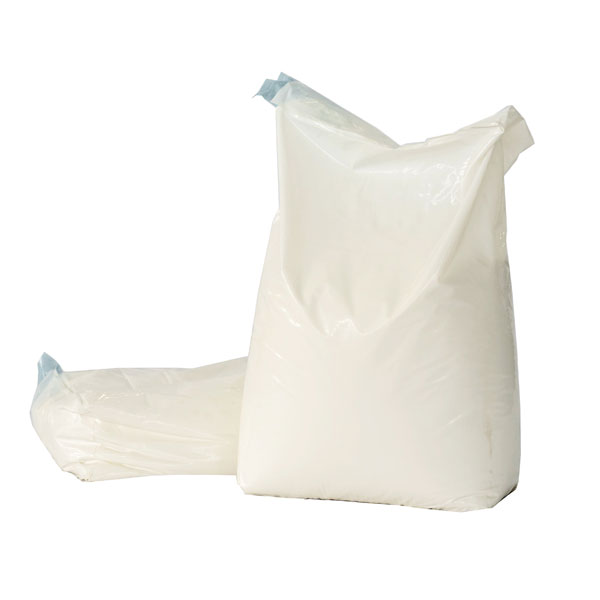
Blank Packaging Bag
OEM / Blank Industrial Bags

25kg Kraft paper outer bag with internal PE moisture barrier liner. Ideal for private-label distributors.
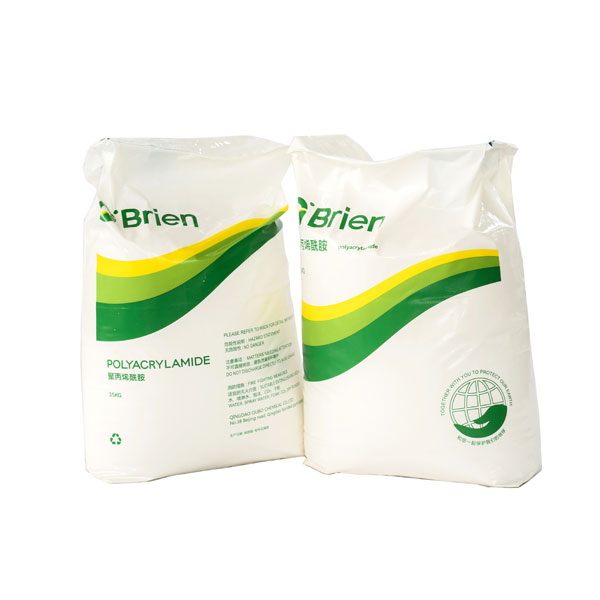
Normal Printed Bag
Standard Brand Printed Bags

Factory standard printed multi-wall bags featuring complete batch codes and handling warnings.
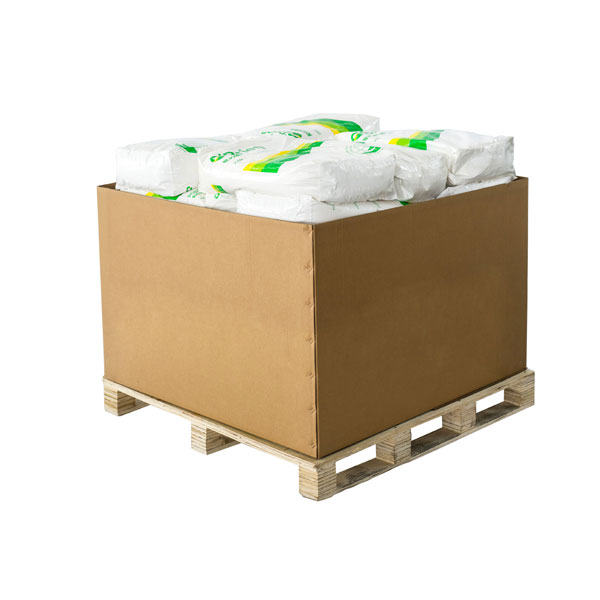
Jumbo Package Bag
Bulk Jumbo Bags (FIBC)

750kg - 1000kg heavy-duty super sacks equipped with bottom discharge spouts for automated dosing systems.
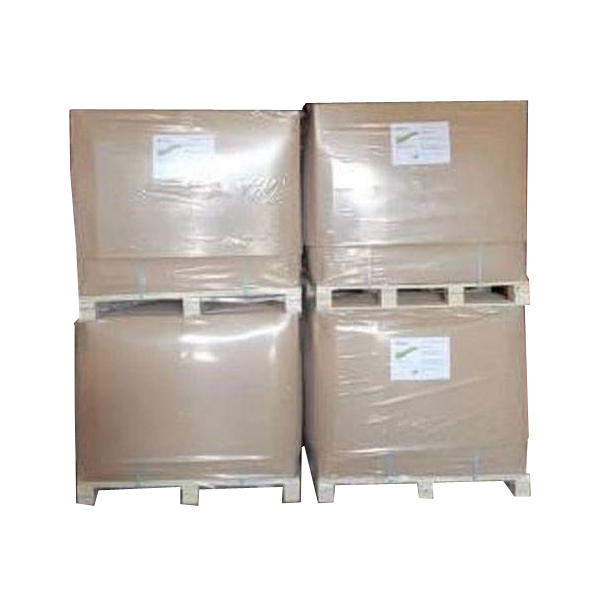
Pallet Packaging
Fumigated Palletizing & Shrink Wrap

ISPM-15 compliant wooden or plastic pallets, shrink-wrapped for maximum container stability and safety.

Frequently Asked Questions (FAQ)

Technical & Procurement Insights Answered by Oubo Chemical Engineers

What is the primary function of Cationic Polyacrylamide in sludge dewatering?
Cationic Polyacrylamide (CPAM) acts primarily through charge neutralization and polymer bridging. Municipal and biological industrial sludges carry strong negative surface charges that keep solid particles suspended. The positively charged quaternary ammonium groups on the CPAM molecule neutralize these negative charges, allowing the hydrophobic solid particles to coalesce into large, compact flocs for rapid water separation in dewatering machinery.
How do I obtain the official MSDS/SDS for Oubo Polyacrylamide products?
Detailed Material Safety Data Sheets (MSDS) compliant with GHS standards are provided directly with all quotes and shipments. You can also request digital PDF copies of MSDS documents by contacting our technical team through product inquiry buttons on this site.
What dissolution concentration is recommended for powder CPAM?
We recommend dissolving CPAM powder at a concentration of 0.1% to 0.3% (1g to 3g of powder per liter of clean water). Always add the powder gradually into a vortex created by a mechanical stirrer to avoid the formation of undispersed polymer lumps ("fish eyes"). Stir gently at 200 - 400 RPM for 45 to 60 minutes until fully dissolved.
What is the shelf life of Cationic Polyacrylamide powder vs dissolved solution?
In its original, unopened dry powder form stored in a dry, cool environment, CPAM has a shelf life of 24 months. However, once dissolved into an aqueous solution, the polymer chains begin to hydrolyze and shear over time; aqueous solution should ideally be consumed within 24 to 48 hours for optimal flocculation performance.
Why choose Oubo Chemical over other polyacrylamide manufacturers?
Oubo Chemical combines proprietary bio-catalyzed monomer technology with ISO9001 quality management, a 50,000-ton annual production capability, direct raw material sourcing from SINOPEC and Eni, and continuous R&D. Our global technical sales team assists clients with jar testing, product selection, process optimization, and comprehensive MSDS safety compliance.

Explore Full Polyacrylamide Product Line

Direct Factory Supply for Global Wholesale Procurement
Wholesale Nonionic Polyacrylamide Mineral Processing
Wholesale Nonionic Polyacrylamide (NPAM) for Mineral Processing & Ore Dressing
View Details & MSDS
Wholesale PAM Anionic Polyacrylamide
Wholesale PAM Anionic Polyacrylamide High-Purity Polymer Manufacturer
View Details & MSDS
Wholesale Anionic Polyacrylamide Suppliers
Wholesale Anionic Polyacrylamide Industrial Dewatering Suppliers & Factories
View Details & MSDS
Nonionic Polyacrylamide Acidic Wastewater
China Nonionic Polyacrylamide Flocculant for Acidic Industrial Wastewater Treatment
View Details & MSDS
Wholesale Cationic Polyacrylamide Powder Wastewater
Wholesale Cationic Polyacrylamide Powder for Municipal & Industrial Wastewater
View Details & MSDS
China PAM Anionic Polyacrylamide Paper Strength Agent
China PAM Anionic Polyacrylamide Dry & Wet Strength Agent for Paper Industry
View Details & MSDS
Wholesale Cationic Polyacrylamide Sludge Dewatering
Wholesale Cationic Polyacrylamide (CPAM) for Sludge Dewatering & Flocculation
View Details & MSDS
Cationic Polyacrylamide Textile Wastewater
Wholesale Cationic Polyacrylamide (CAS 9003-05-8) Flocculant for Textile & Dyeing
View Details & MSDS