Explore Oubo Chemical's core product series engineered for maximum liquid-solid separation efficiency across global industrial sectors.
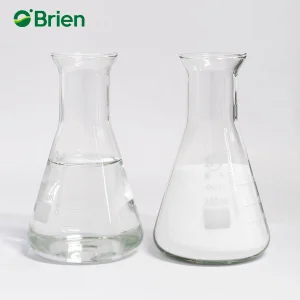
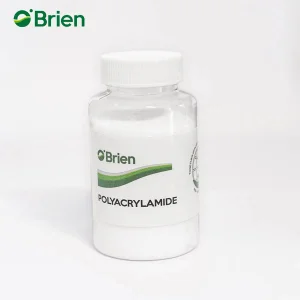
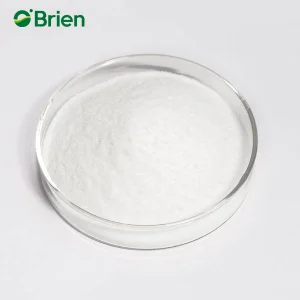
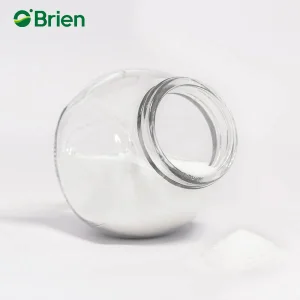
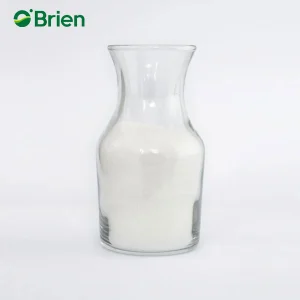
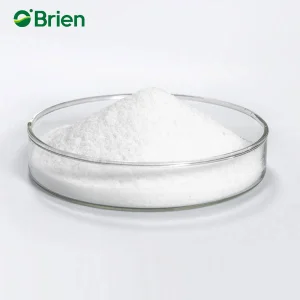
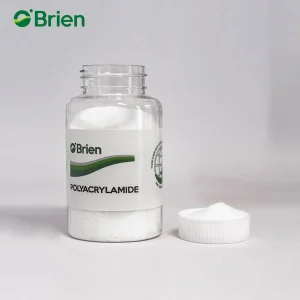
Cationic Polyacrylamide (CPAM, CAS 9003-05-8) is a linear water-soluble high-molecular-weight polymer synthesized via the copolymerization of acrylamide monomers and cationized monomers such as DAC (Dimethylaminoethyl Acrylate Methyl Chloride Quaternary Ammonium Salt) or DMC. In modern industrial water management, sludge management, and specialized manufacturing, CPAM functions as a critical destabilizing, coagulating, and flocculating agent.
As industrial regulatory bodies impose stricter discharge standards globally (such as EU REACH, US EPA Zero Liquid Discharge initiatives, and regional environmental mandates), industrial operations require specialized cationic polymers with exact charge densities and tailored molecular weights. This white paper serves as a comprehensive procurement guide, chemical evaluation framework, and operational manual for chemical engineers, enterprise procurement directors, and plant operators seeking high-performance wholesale polyacrylamide solutions.
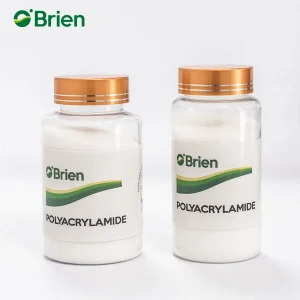
Polyacrylamide (PAM) is a synthetic resin prepared by polymerizing acrylamide. It is a white, solid, water-soluble polymer mostly used as a flocculant, coagulant, and filtration aid in a whole range of applications that are determined by its physical form and its ionic type (nonionic, anionic, cationic, and Mannich).
CPAM carries positive charges along its polymer backbone, enabling charge neutralization of negatively charged colloidal suspensions typical of organic wastewater, biological sludge, and pulp slurries. This initiates micro-floc aggregation, bridging, and rapid solid-liquid separation.
It is utilized in secondary oil recovery, as a thickening agent, a flocculant, and an absorbent. Moreover, polyacrylamide is also employed to separate macromolecules of different molecular weights across various industrial matrices.
Oubo Chemical Co., Ltd. supplies a wide variety of polymer grades customized for specific municipal, industrial, and processing environments worldwide, guaranteeing optimized Total Cost of Ownership (TCO) and operational efficiency.
A primary technological differentiator of Qingdao Oubo Chemical Co., Ltd. is our patented biological catalyst process for acrylamide monomer production. Traditional chemical hydrolysis methods often introduce residual impurities, trace copper catalysts, and broader molecular weight variations. Our bio-enzymatic conversion method delivers key operational benefits:
Enzymatic conversion achieves >99.9% monomer conversion efficiency, eliminating acrylic acid residues and heavy metal ions, resulting in cleaner polymers suitable for sensitive applications.
Bio-method synthesis allows precise control over chain branching, offering molecular weights from 8 Million to over 15 Million Daltons, engineered for high-shear decanter centrifuges and belt presses.
Our bio-catalytic polymerization operates under lower ambient temperatures, reducing energy consumption and greenhouse emissions during polymer synthesis by over 30%.
Selecting the optimal Cationic Polyacrylamide requires balancing charge density (ionicity) and molecular weight according to the specific substrate properties, pH, and dewatering machinery. Below is our engineered selection guideline:
| Sludge / Industry Type | Recommended Ionicity (%) | Molecular Weight (Million) | Primary Mechanism | Dewatering Equipment |
|---|---|---|---|---|
| Municipal Excess Activated Sludge | Medium to High (30% - 60%) | 10 - 12 M | Charge neutralization & strong bridging | Decanter Centrifuge / Belt Press |
| Paper Mill Primary & Secondary Sludge | Low to Medium (10% - 30%) | 12 - 14 M | Fiber flocculation & drainage acceleration | Screw Press / Disc Filter |
| Textile & Dyeing Wastewater Sludge | Medium (20% - 40%) | 8 - 11 M | Color removal & organic suspended solid binding | Filter Press / DAF System |
| Petrochemical & Refinery Sludge | High to Ultra-High (50% - 80%) | 8 - 10 M | Emulsified oil breaking & charge neutralization | High-Speed Centrifuge |
| Food & Beverage / Brewery Sludge | Medium to High (30% - 50%) | 10 - 13 M | High organic protein flocculation | Belt Filter Press / Volute Press |
Oubo Polyacrylamide provides reliable solutions tailored across multi-sector industrial processes worldwide.
As a flocculating agent, mainly used in industrial solid-liquid separation process, including settlement, to clarify, concentrate and sludge dewatering processes. Polyacrylamide plays an important role in the municipal sewage treatment and industrial wastewater treatment. Increasingly stringent regulations promote the development of water treatment industry.
For municipal sewage treatment industry, it is also widely used in leather, paper making, citric acid, vegetable protein extract, dyeing, pharmaceutical, incense, etc.
Applications for all the major sectors are: Urban Sewage Treatment, Paper, Food Processing, Petrochemical, Metallurgical Processing, Dyeing and the Sugar and all kinds of industrial wastewater treatment.
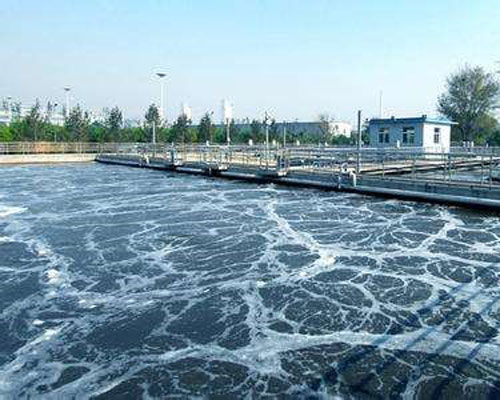
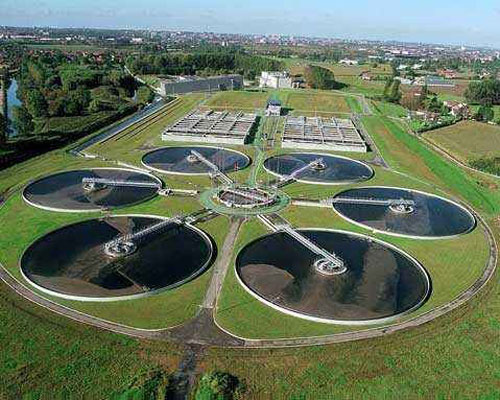
Municipal Sewage Clarification
Centrifugal Sludge Dewatering
Industrial Flocculation Tank
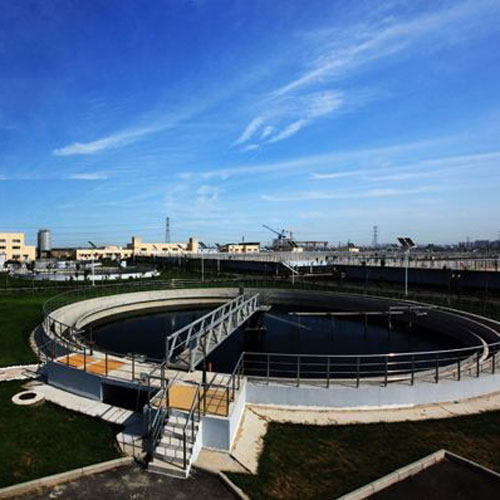
Effluent Clarification System
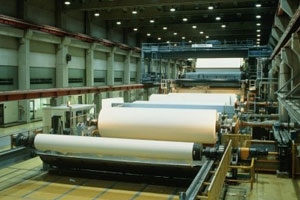
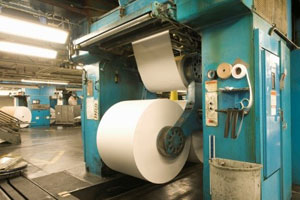
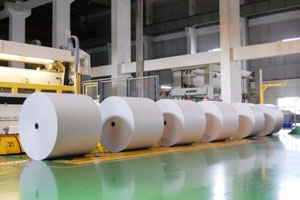
In the paper industry, polyacrylamide can be used as dry strength agents, retention agent, and filter aid. They can greatly improve paper quality, enhance the physical strength of paper, and reduce the loss of fiber. They can also be used in the treatment of white water at the same time, playing a significant role in flocculation during the deinking process.
Polyacrylamide is widely used in oil exploration, profile control, plugging agents, drilling fluids, and fracturing fluid additives. It plays a critical role in controlling drilling fluid loss, flocculation, shale inhibition, viscosity dilution, wellbore plugging, drill string lubrication, cuttings transport, and cementing operations.


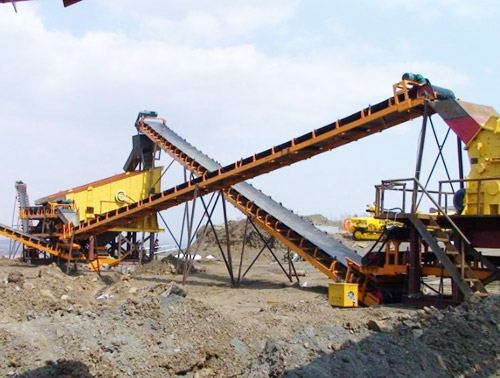
Polyacrylamide is widely used in the mining industry. Beyond separating minerals and ore solids, it acts as a high-performance flocculant for tailing pond water clarification and sealing mine piping systems. Our comprehensive line includes non-ionic, anionic, and cationic polymers at tailored molecular weights for multi-mineral recovery:


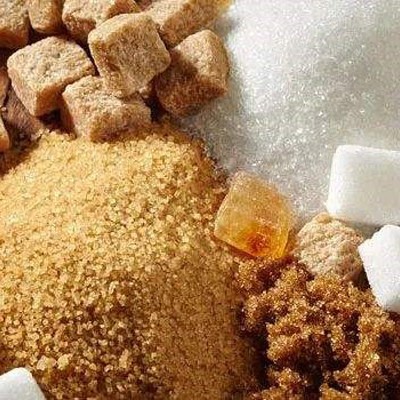
Polyacrylamide is applied during clarification and flotation processes in sugar cane and sugar beet juice processing, settling insoluble impurities to yield ultra-pure syrup.
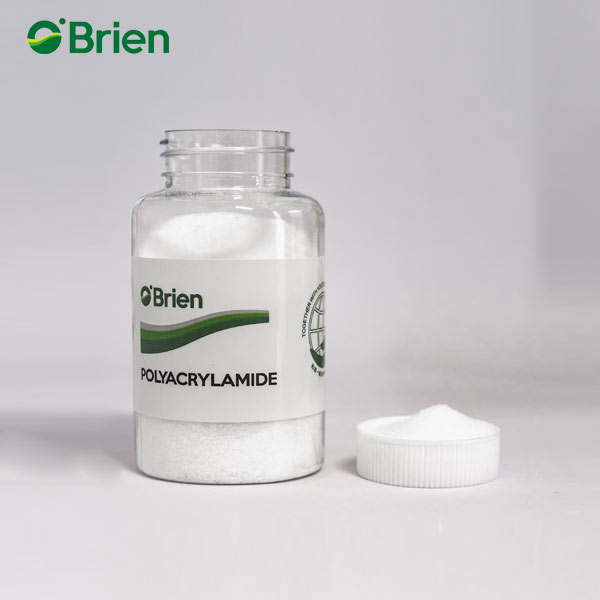
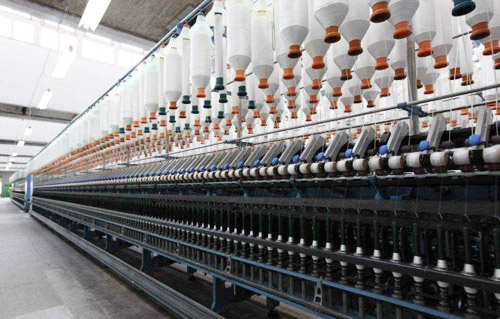
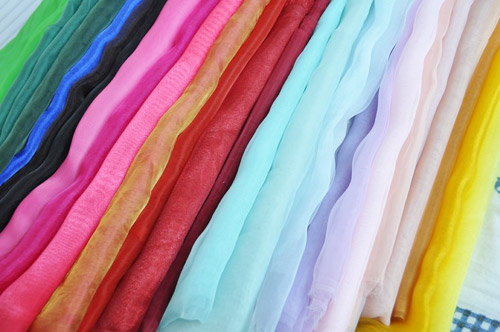
PAM serves as a textile sizing agent, finishing auxiliary, and fabric treatment agent while offering decolorization and sludge dewatering in high-COD textile dyeing effluent treatment.

Oubo Chemical Co., Ltd was established in 2011, located in the Free Trade Zone of Qingdao, China. Over a decade of specialized growth, our business has maintained a 10% annual expansion rate. We offer robust global supply chain resilience, competitive pricing, and strict environmental compliance during polymer synthesis.
Qingdao OUBO Chemical Co., Ltd is a world-leading polyacrylamide manufacturer utilizing patented bio-enzymatic synthesis. We invest over €2 Million annually in R&D to continuously advance polymer performance.
Global raw material sourcing from elite suppliers such as SINOPEC and Eni. Automated production lines operate under ISO 9001:2008 standards, with every batch tested 3 times by QC prior to dispatch.
Over a decade of manufacturing focus ensuring top-tier chemical consistency at factory-direct pricing. Our engineering team assists pre-sales selection, dosage testing, and post-sales optimization.
Our dedicated technical team joins your workflow at every phase—providing laboratory Jar Testing, chemical matching, and machine setting adjustments to maximize dewatering cake solids.
Situated directly within the Qingdao Free Trade Zone port hub, Oubo Chemical provides flexible packaging solutions aligned with international transport standards (UN/IMDG/DOT), protecting dry powder integrity against moisture ingress during ocean freight.
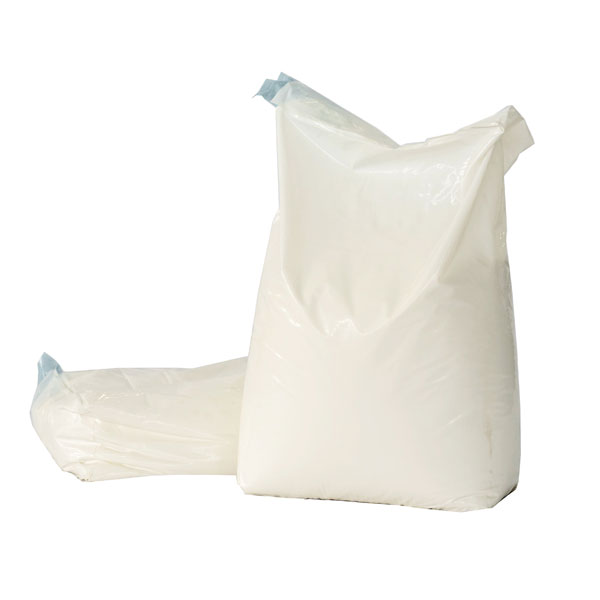
25kg moisture-proof unprinted paper-plastic compound bags suitable for localized OEM re-branding.
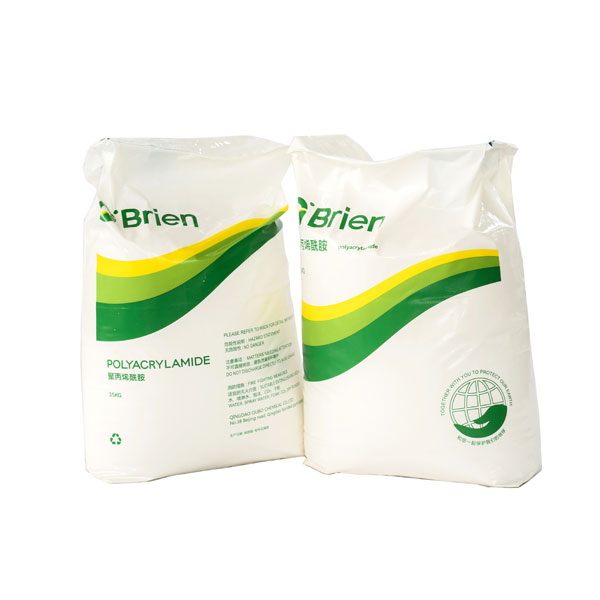
Standard O'brien branded multi-wall 25kg PE-lined bags featuring batch tracking and chemical markers.
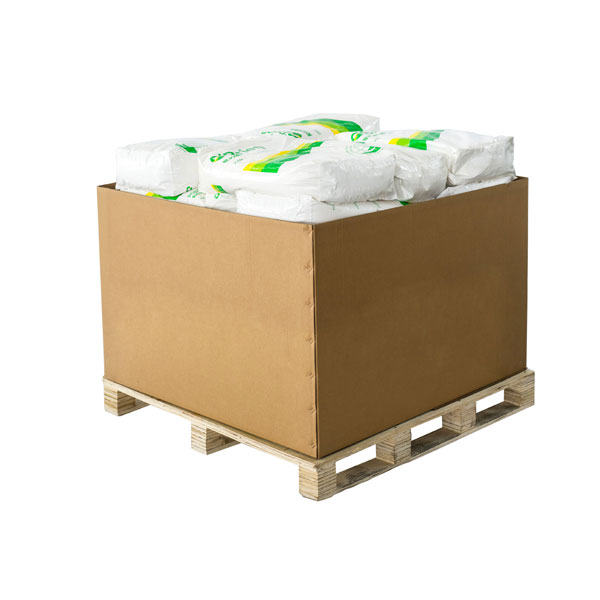
750kg – 1000kg FIBC Super Sacks with bottom discharge spouts for high-volume automated dosing systems.
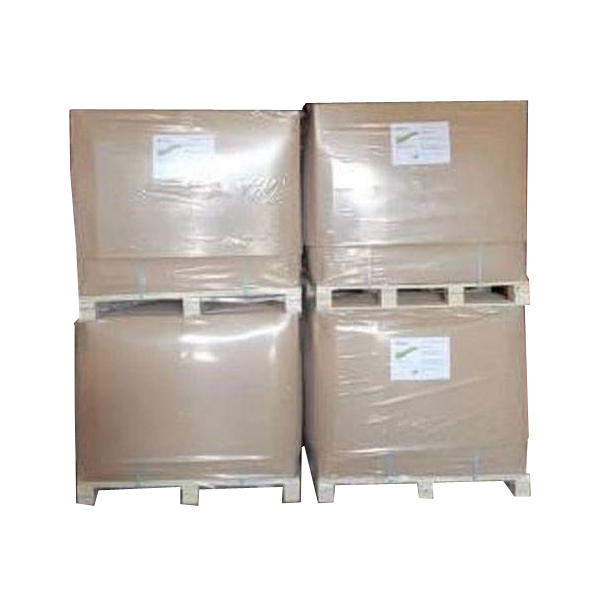
Fumigated wooden or plastic pallets shrink-wrapped with protective film for seamless forklift loading.
As global industries transition toward Net-Zero carbon targets, industrial water chemical procurement is shifting towards eco-friendly synthesis and reduced environmental impact. Key trends shaping cationic polyacrylamide utilization include:
Industrial manufacturing plants in Europe and North America are increasingly enforcing ZLD closed-loop water systems. High molecular weight CPAM products accelerate thickener clarification, enabling >95% water recovery and reducing fresh intake requirements.
Regulatory agencies are lowering acceptable free acrylamide monomer (AMD) thresholds. Oubo Chemical’s advanced bio-method polymerization yields ultralow residual monomer levels (<0.05%), ensuring compliance with sensitive municipal and environmental release mandates.
Modern wastewater facilities utilize online turbidity sensors and automatic polymer preparation units. Our CPAM powders feature rapid dispersion rates and uniform particle sizing, eliminating "fish-eye" clumps and preventing pump clogging.
Technical answers to common enterprise procurement and application engineering queries regarding Wholesale Cationic Polyacrylamide.
In dry, cool, well-ventilated warehouse conditions (temperature < 35°C), CPAM dry powder maintains chemical stability for 24 months. Once dissolved into an aqueous solution (typically 0.1% - 0.3% concentration), the liquid solution should be consumed within 24–48 hours to prevent hydrolysis-induced viscosity loss.
The optimal cationic charge density depends on the organic content and Zeta Potential of your sludge slurry. Highly biological sludges (e.g., municipal secondary activated sludge) usually require high ionicity (40% - 60%), whereas sludges with higher inorganic mineral fractions require low to medium ionicity (10% - 30%). Oubo offers standard Jar Test lab evaluations to pinpoint the exact product match.
Our bio-catalytic method converts acrylonitrile to acrylamide monomer without using heavy metal catalysts (such as copper). This produces higher purity monomers, reduces trace toxic side products, narrows molecular weight distribution, and yields higher flocculation efficiency per dry weight ton.
With an annual capacity of 50,000 Metric Tons, standard orders are prepared for port loading within 7 to 10 working days. Our location in the Qingdao Free Trade Zone provides direct access to international container vessel routes servicing North America, Europe, Southeast Asia, and the Middle East.
Explore our additional high-molecular anionic, non-ionic, and specialty polymer formulations manufactured for global distribution.
 Oubo Chemical