Direct Factory Supply | ISO 9001:2008 Certified Quality | Custom Charge Density & Molecular Weights
Understanding Charge Neutralization, Polymer Bridging, and Molecular Weight Selection
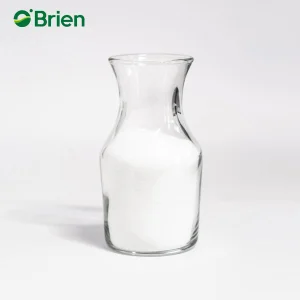
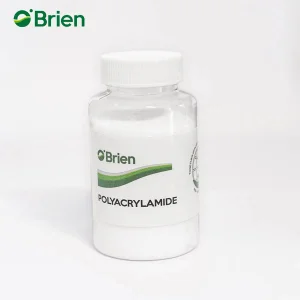
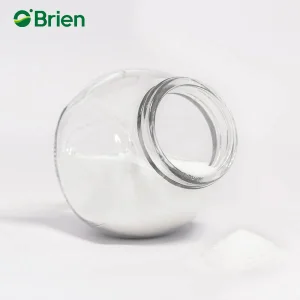
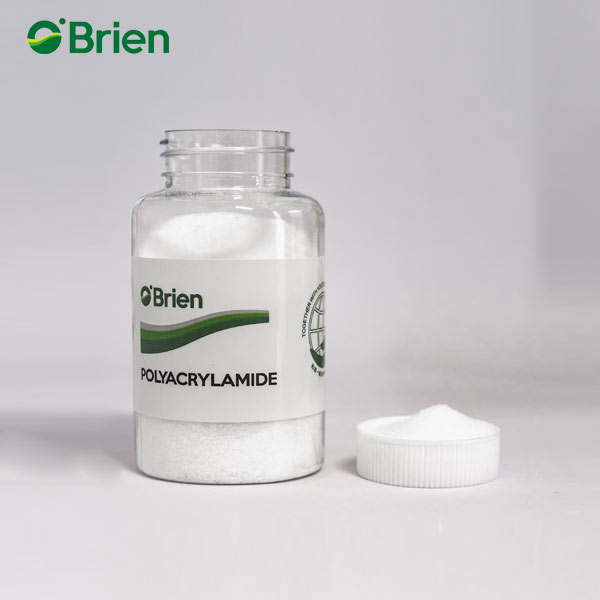
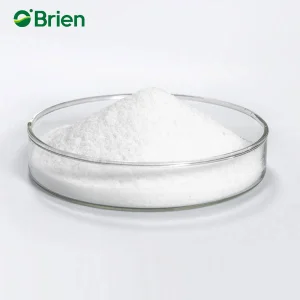
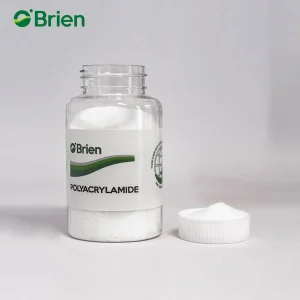
Cationic Polyacrylamide (CPAM), registered under CAS No. 9003-05-8, is a linear water-soluble high-molecular-weight polymer synthesized through the copolymerization of acrylamide monomers and cationic functional monomers such as DAC (Dimethylaminoethyl Acrylate Methyl Chloride) or METAC. As a premier wholesale cationic polyacrylamide flocculant supplier, Qingdao Oubo Chemical Co., Ltd. produces specialized ionic grades designed to meet the rigorous demands of solid-liquid separation processes across municipal and complex industrial sectors.
Most suspended colloidal organic solids in municipal sewage, textile effluent, and biological sludge carry a negative surface charge ($\zeta$-potential). Cationic PAM releases positively charged quaternary ammonium groups in aqueous solution, effectively neutralizing the negative electrical double layer of the suspended particles, inducing rapid micro-floc formation.
With long-chain molecular structures ranging from 8 Million to 15 Million Daltons, Oubo's CPAM extends active polymeric chains far beyond the electrostatic double layer. Individual polymer chains adsorb onto multiple colloidal particles simultaneously, forming large, dense macro-flocs that exhibit exceptional shear resistance during centrifugal or filtration dewatering.
Unlike traditional chemical catalytic approaches, Oubo Chemical employs advanced biological enzymatic methods for monomer synthesis. This proprietary process significantly minimizes unreacted residual acrylamide (AMD) content to below 250 ppm, enhancing environmental safety, molecular chain linearity, and thermal stability in extreme pH environments.
| Polymer Type | Ionicity / Charge Density | Molecular Weight (MW) | Primary Industrial Applications | Key Operational Advantage |
|---|---|---|---|---|
| Cationic PAM (CPAM) | Low to Ultra-High (10% - 80%) | 8 - 15 Million | Municipal sludge, organic wastewater, paper retention, textile dyeing | High cake dryness, rapid settling, low dosing requirements |
| Anionic PAM (APAM) | Medium to High (20% - 60%) | 12 - 22 Million | Coal washing tailings, mineral processing, sand washing, ZLD systems | Superior clarity of overflow water, high mechanical strength |
| Nonionic PAM (NPAM) | Very Low (< 3%) | 6 - 12 Million | Acidic wastewater treatment, soil stabilization, oilfield fluid additives | Stable performance in acidic (low pH) and highly saline media |
A Global Enterprise Built on Quality, Technical Expertise, and Sustainable Innovation
Oubo Chemical Co., Ltd. was established in 2011 and is strategically headquartered within the Free Trade Zone of Qingdao, China. Over more than a decade of focused growth, Oubo has expanded its business footprint globally at an average annual growth rate of 10%. With an annual polyacrylamide production capacity exceeding 50,000 metric tons since 2018, we stand as one of the world's primary manufacturers and export hubs for water treatment polymers.
Our commitment to quality is validated by our rigorous management infrastructure, certified under ISO 9001:2008 standards. We utilize a fully automated production network integrated with raw materials sourced from Tier-1 global chemical leaders including SINOPEC and Eni. Every batch produced undergoes a 3-tier Quality Control (QC) inspection protocol prior to dispatch, ensuring absolute batch-to-batch batch consistency and reliability.
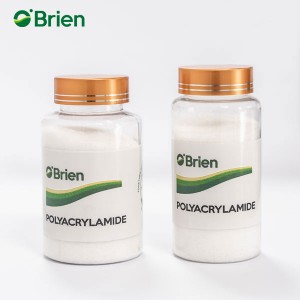
Tailored charge densities for high-efficiency biological sludge dewatering & industrial flocculation.
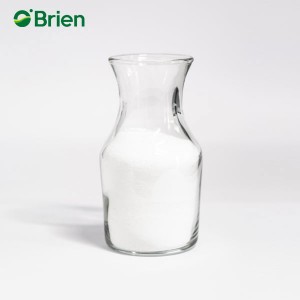
Ultra-high molecular weight formulations for mineral processing, coal tailings & inorganic water clarification.
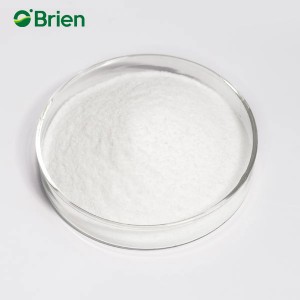
High stability under acidic conditions, specialized for acidic mining effluent and complex chemical systems.
Targeted Polyacrylamide Solutions for Demanding Sector-Specific Processes
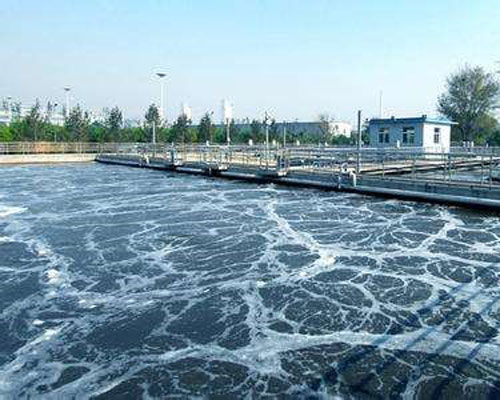
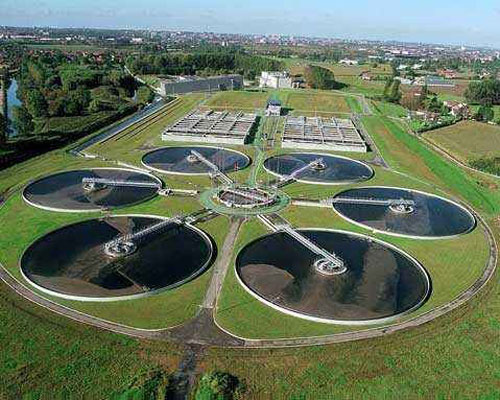
As global environmental discharge regulations tighten, municipal and industrial wastewater facilities require robust solid-liquid separation chemicals. CPAM acts as a primary dewatering flocculant in mechanical separation equipment including decanter centrifuges, belt filter presses, and multi-disk screw presses. It rapidly releases bound water within organic sludges, dramatically increasing filter cake dry solid percentage while optimizing operational filtrate clarity.
Sub-Sectors Served: Leather manufacturing, municipal sewage works, citric acid production, vegetable protein extraction, pharmaceutical synthesis, incense manufacturing, and industrial dyeing effluent.
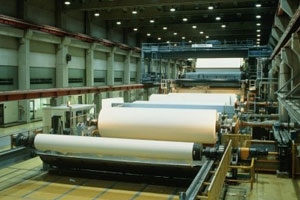

In modern high-speed paper machines, Oubo Polyacrylamide serves as a vital wet-end chemical additive to optimize drainage rates and fiber retention:

Polyacrylamide plays a critical role in upstream petroleum engineering. In tertiary oil recovery (EOR), ultra-high molecular weight polymers increase the viscosity of injected water, improving sweep efficiency across reservoir pore networks. In drilling fluid systems, PAM functions as a fluid loss reducer, shale inhibitor, friction reducer, and rheology modifier, cooling the drill bit while carrying drill cuttings efficiently to the surface.

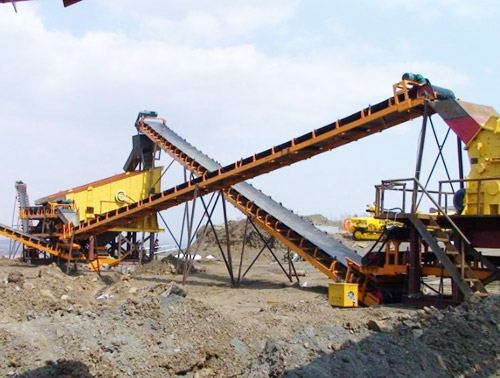
In mineral beneficiation plants (Coal, Copper, Gold, Iron, Nickel, Silver, Bauxite), solid-liquid separation of fine slurry tailings is essential for process water recycling. Oubo's tailored non-ionic and anionic polyacrylamide series accelerate thickener settling rates, lower tailings dam volume, and ensure clear supernatant recovery, helping mining operations achieve closed-loop Zero Liquid Discharge (ZLD) metrics.
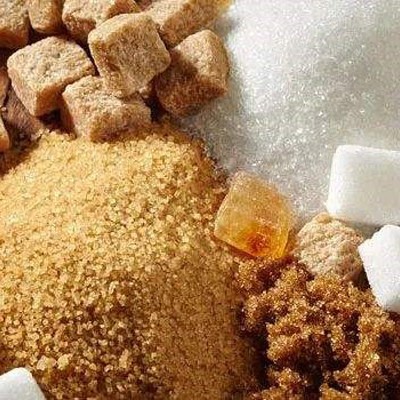
During sugarcane and sugar beet juice extraction, polyacrylamide flocculants promote rapid settlement of insoluble impurities, organic bagasse fibers, and colloidal turbidity. Food-grade low-monomer PAM ensures crystal-clear sugar liquor before evaporation, minimizing scaling in heat exchangers and raising overall sugar recovery yields.
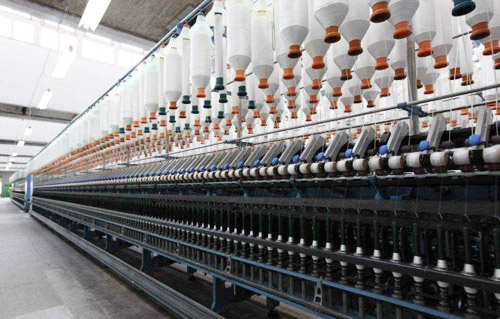
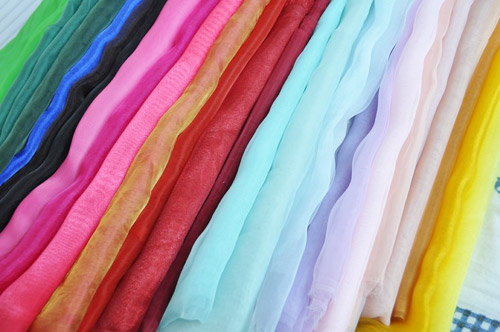
In textile weaving mills, PAM acts as a warp sizing agent, imparting a smooth protective film that decreases yarn breakage rates. In textile wastewater treatment facilities, cationic and amphoteric polyacrylamides decolorize complex dye-laden wastewater containing reactive, direct, or disperse dyes through electrostatic neutralization and coagulant co-precipitation.
Securing Continuous Supply Chains for International Chemical Buyers
Located within the Qingdao Free Trade Zone, Oubo Chemical enjoys seamless access to Qingdao Port—one of the world's largest container shipping hubs. Direct ocean vessel departures to major ports across North America, Europe, Southeast Asia, and the Middle East enable shortened transit times and lowered maritime freight expenditures.
Procuring directly from a primary China factory eliminates intermediary markups. Furthermore, high active polymer concentration in Oubo CPAM permits lower dosage rates per ton of dry solids (often 15% to 25% lower chemical consumption), yielding significant annual savings in chemical expenditure and sludge disposal fees.
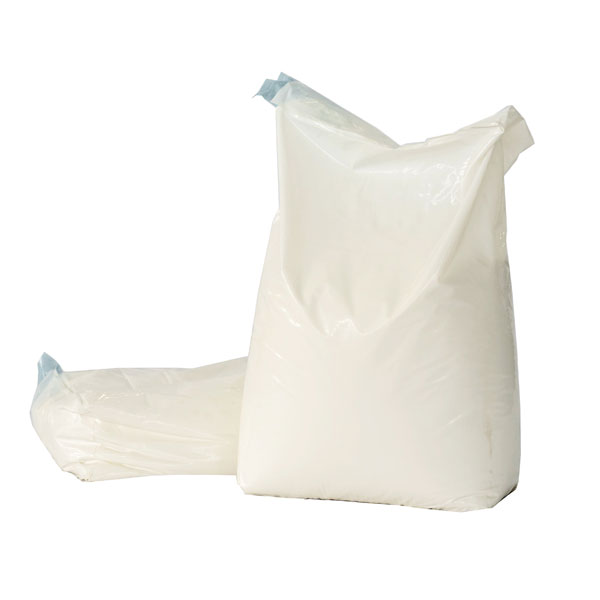
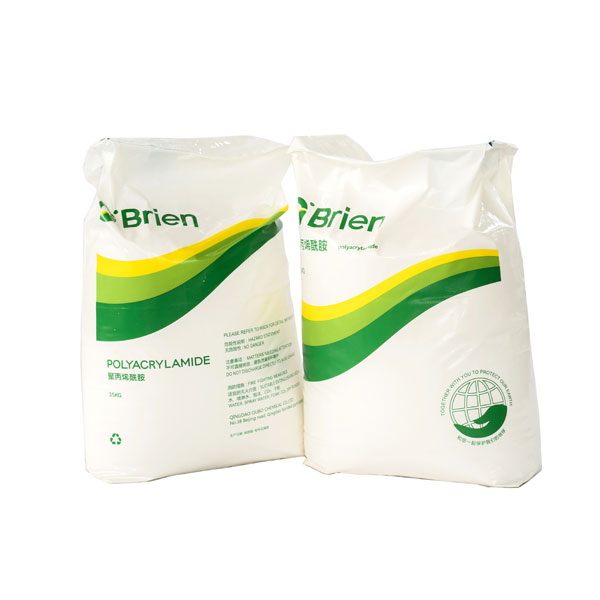
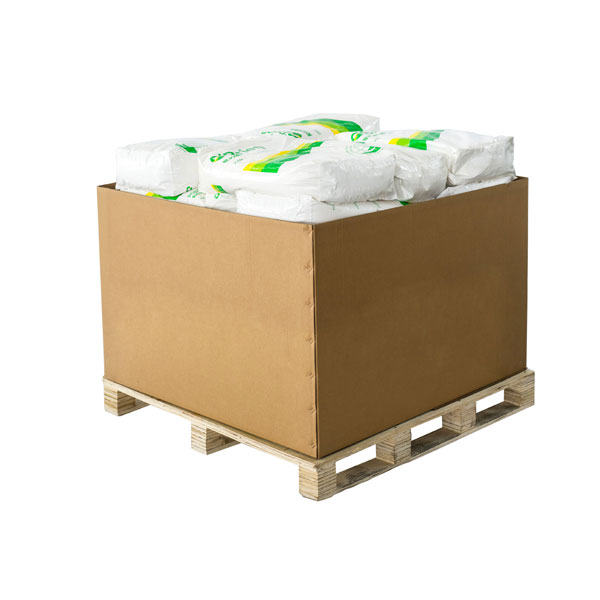
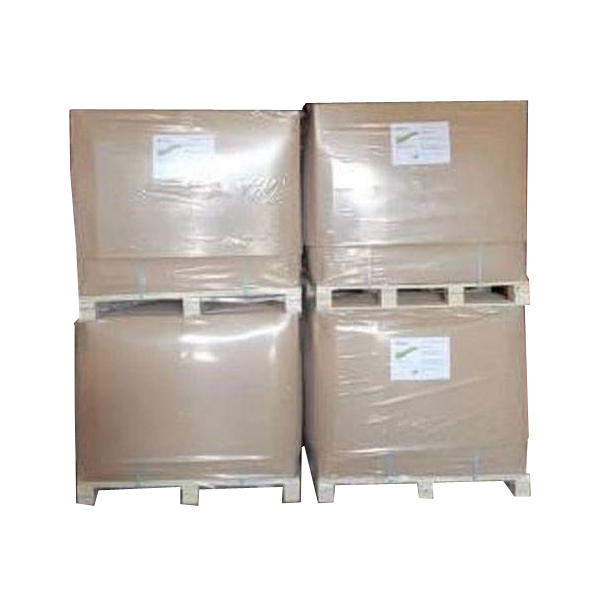
We offer multi-tier packaging configurations designed to preserve polymer integrity across long sea transits. Standard offerings include 25kg multi-wall paper-plastic composite bags, unprinted blank neutral bags for OEM distributors, and 750kg–1000kg heavy-duty bulk jumbo bags, all equipped with heat-sealed inner PE moisture barriers.
Aligning Water Chemistry with International Environmental, Social, and Governance (ESG) Directives
Regulatory frameworks worldwide (including EU REACH regulation and US EPA drinking water guidelines) have imposed stricter caps on residual acrylamide monomer ($\text{AMD} \le 250\text{ ppm}$ for industrial applications, and $\le 500\text{ ppm}$ for potable water grades). Oubo Chemical utilizes state-of-the-art bio-catalytic polymerization reactors to guarantee safe, ultra-low monomer residues, protecting aquatic ecosystems from neurotoxic monomer leaching.
The chemical industry is pivoting toward reducing carbon footprints across polymer manufacturing. Oubo's continuous investment in green chemistry focuses on optimizing energy efficiency per ton produced, reducing thermal carbon emissions during spray-drying, and researching bio-derived monomer co-polymers to support clients' corporate ESG sustainability scorecards.
Expert Engineering Insights for Procurement Officers, Plant Engineers & Chemical Buyers
Selection depends primarily on the biological origin and organic content of the sludge. Generally, primary biological sludge with high organic content (VS/TS ratio > 70%) requires medium-to-high charge density (30% to 60% ionicity) CPAM to ensure charge neutralization. Inorganic sludges respond better to low ionicity (10% to 20%) CPAM or Anionic PAM. We strongly recommend performing lab-scale jar testing to determine the precise charge requirement prior to full-scale plant trials.
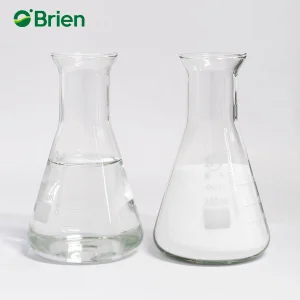
Cationic Polyacrylamide powder should be dissolved in clean water at a concentration of 0.1% to 0.3% (w/v). The dissolution water temperature should ideally be between 20°C and 40°C. Complete polymer chain maturation requires gentle mechanical agitation (200–400 RPM) for 45 to 60 minutes. Excessive mixing speed must be avoided to prevent shear degradation of the long polymer chains.
Once dissolved in water, diluted Cationic Polyacrylamide solutions begin to hydrolyze and undergo molecular chain breakdown over time. A prepared 0.2% CPAM solution typically maintains peak efficacy for 24 to 48 hours. Powder PAM stored in sealed, dry, cool conditions has an official shelf life of 24 months from the date of manufacture.
"Fish-eyes" occur when solid PAM powder is introduced into water too rapidly, forming a hydrated outer gel layer that prevents water from penetrating the dry interior core. To prevent clumping, use an automated dry powder feeder or disperse the powder slowly and uniformly into the vortex of a well-agitated dissolution tank.
Oubo Chemical operates ISO 9001:2008 certified automated batching systems. Every production run undergoes three separate Quality Control checkpoints: testing raw monomer purity, in-line monitoring of molecular weight and viscosity during polymerization, and post-drying analytical testing of moisture content, charge density, and residual monomer levels prior to palletization.
Explore Oubo's Full Range of Synthetic Polyacrylamide Coagulants & Flocculants
 Oubo Chemical