Explore our foundational range of Nonionic, Anionic, and Cationic Polyacrylamide (PAM) and specialized Cationic Fixing Agents engineered for global industrial demands.
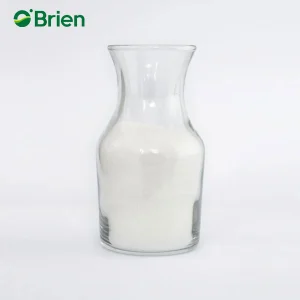
Tailored for oilfield drilling fluids, high salinity tolerance & enhanced rheology.
View Product Details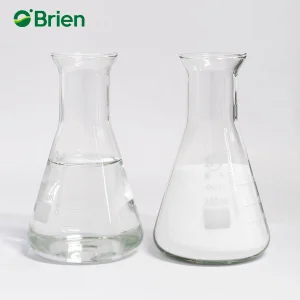
High molecular weight polymer for mineral processing & rapid solid-liquid separation.
View Product Details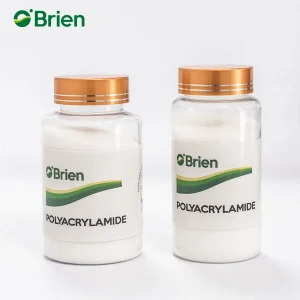
Optimized charge density for industrial wastewater flocculation & belt press dewatering.
View Product Details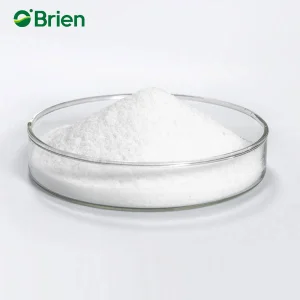
Direct factory supply of high-purity cationic polymers for municipal effluent treatment.
View Product Details
Food-grade safe flocculant designed for sugar refining & organic wastewater clarification.
View Product Details
Superior color removal, dye fixing support, and high COD reduction in textile wastewater.
View Product Details
Enhances fiber binding, dry strength parameters, and filler retention in pulp processing.
View Product Details
Specialized for acidic mineral leaching, tailing thickeners, and metallurgical ore dressing.
View Product DetailsQingdao Oubo Chemical Co., Ltd. delivers global supply stability, rigorous quality control, and advanced bio-enzymatic polymer synthesis.
Understanding charge neutralization, polymer bridging, and color fixation in modern industrial operations.
In textile wet-processing and paper pulp systems, suspended particles, dyes, and organic fibers predominantly carry negative surface charges (zeta potential). Cationic Fixing Agents—formulated with quaternary ammonium groups, polyDADMAC, or polyamines—introduce a high density of positive charges. This rapidly collapses the double electrical layer surrounding colloidal particles, neutralizing repulsive forces and enabling rapid micro-flocculation.
In textile dyeing, reactive and direct dyes often leave unbound hydrolysed molecules that bleeding during washing. Cationic fixing agents react chemically with anionic dye molecules to form insoluble macro-molecular complexes inside the fiber matrix. This structural lock dramatically improves wet-fastness, washing fastness, rubbing fastness, and perspiration resistance without altering fabric hand-feel or shade balance.
Modern paper mills utilizing recycled fibers encounter significant buildup of "anionic trash" (dissolved wood components, pitch, and synthetic additives). Highly charged cationic polymers act as scavengers, neutralizing these interferes before they consume expensive retention aids, thereby stabilizing wet-end chemistry and elevating machine speed and sheet strength.
High molecular weight Cationic Polyacrylamide (CPAM) variants extend long polymer chains into solution. Individual polymer segments adsorb onto multiple particulate surfaces simultaneously, creating robust structural bridges ("flocs") that withstand high-shear forces in dewatering centrifuges, screw presses, and belt filters.
| Parameter Grade | Cationicity Degree (%) | Molecular Weight (Million) | Solid Content (%) | Dissolution Time (min) | Primary Application Focus |
|---|---|---|---|---|---|
| CPAM Ultra-High Charge | 50% - 80% | 6 - 10 M | ≥ 88% | ≤ 45 | Textile Dye Fixation, Heavy Sludge Dewatering |
| CPAM Medium Charge | 20% - 40% | 8 - 12 M | ≥ 88% | ≤ 50 | Municipal Sewage Dewatering, Paper Retention |
| CPAM Low Charge | 10% - 20% | 10 - 15 M | ≥ 88% | ≤ 60 | Industrial Effluent Treatment, Centrifuge Dewatering |
| Polyamine / PolyDADMAC Liquid | 100% Active Ionic | 0.1 - 1.0 M | 40% - 50% Liquid | Instantaneous | Water Clarification, Anionic Trash Catching |
Macroeconomic drivers shaping the high-water chemical market across North America, Europe, and Asia-Pacific.
Global environmental regulatory bodies (such as the EU Water Framework Directive and US EPA guidelines) have imposed stringent limits on chemical oxygen demand (COD), total nitrogen, and heavy metals in industrial discharges. Facilities are rapidly migrating to closed-loop water recycling, driving an estimated 7.2% CAGR demand for ultra-high activity cationic fixing agents and bio-degradable polymers.
Thermal drying of industrial sludge is energy-intensive and carbon-heavy. Plant managers are demanding fixing agents that produce dryer filter cakes (reducing cake moisture content down to 65-70%). Lower cake moisture dramatically reduces logistics haulage costs and boiler fuel requirements during incineration.
Traditional acrylamide production via copper-catalyst methods leaves toxic chemical trace residues. Market procurement trends heavily favor biological enzymatic processes (Bio-AM technology). Oubo Chemical utilizes proprietary bio-catalytic pathways, resulting in higher molecular purity, lower residual acrylamide (<0.05%), and lower carbon intensity.
How Qingdao Oubo Chemical leverages geographic positioning, strategic raw material sourcing, and automation.
Located directly within the Qingdao Free Trade Zone, Oubo Chemical enjoys seamless access to one of the world's largest deep-water shipping hubs. This geographic positioning drastically eliminates inland freight delays, streamlines customs procedures, and allows flexible containerized and flexitank shipments to North America, Europe, Southeast Asia, and the Middle East within minimal lead times.
To guarantee batch-to-batch chemical stability and cushion clients against international commodity price volatility, Oubo maintains direct long-term raw material supply contracts with global energy chemical giants including SINOPEC, Eni, and leading monomer refineries. This ensures uninterrupted production even during global raw material shortages.
Oubo's manufacturing plant features state-of-the-art fully automated polymerization equipment. Real-time sensor networks continuously monitor temperature gradients, monomer conversion rates, viscosity evolution, and molecular weight distribution. Automated processing eliminates human error, ensuring consistent granule sizing and rapid dissolution profiles.
Quality management is ISO9001:2008 certified. Every production batch undergoes rigorous 3-tier testing protocols: Raw material purity verification prior to synthesis, in-line molecular weight and charge density check during polymerization, and final lab performance evaluation (jar testing and filtration speed analysis) prior to packaging.
Tailored chemistry and operational parameters across primary global industries.
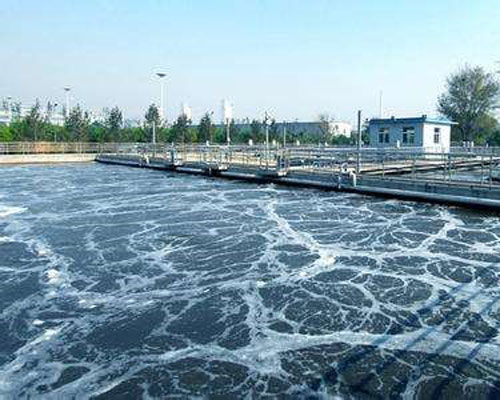
In municipal sewage plants, tannery wastewater, paper mill sludge, and pharmaceutical effluent, organic solids carry high negative surface potential. Oubo’s CPAM series (20%-60% cationicity) neutralizes surface charges, rapidly aggregating fine sludge into tight, macro-flocs. When applied in centrifuges, screw presses, or belt filter presses, it produces clear filtrate water and compact, low-moisture sludge cake, significantly cutting waste disposal tariffs.
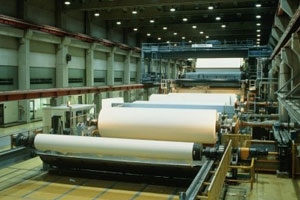
Paper manufacturing relies on fine chemical balance in the wet-end process. Oubo cationic agents perform four distinct operations:
• Paper Retention Aid: Improves retention of short fibers, titanium dioxide, and calcium carbonate fillers, reducing raw material waste.
• Anionic Garbage Capture: Neutralizes interfering organic pitch and synthetic chemicals, stabilizing system charge.
• Paper Strength Enhancement: Forms strong ionic links between cellulose fibers, boosting bursting and tensile resistance.
• Fiber Dispersion: Ensures uniform sheet formation and improved visual opacity.
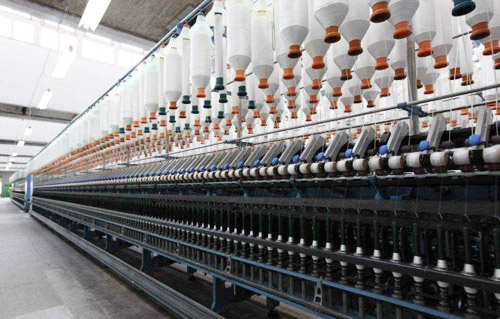
Textile finishing mills require high fastness standards without ecological compromises. Oubo’s dye fixing agents react with reactive, direct, and acid dyes on cotton, viscose, and blended fabrics. By forming insoluble cross-linked networks inside the fiber, color bleeding into washing liquors is prevented. Furthermore, Oubo cationic flocculants decolorize high-chroma textile wastewater prior to discharge, reducing color turbidity by over 98%.
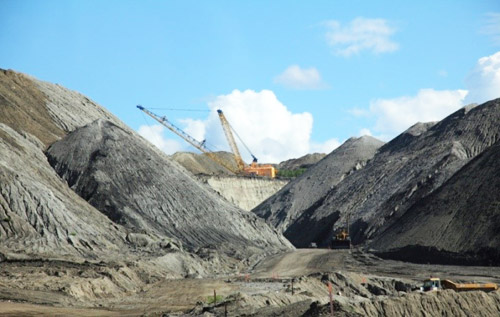
In coal washing, gold tailing management, copper, silver, and iron ore extraction, rapid solid-liquid separation is critical for water reuse. Oubo polymers withstand extreme pH conditions (acidic leaching vs alkaline flotation) and accelerate tailings settling in high-rate thickeners, facilitating sustainable closed-loop water management in mining operations across South America, Australia, and Africa.
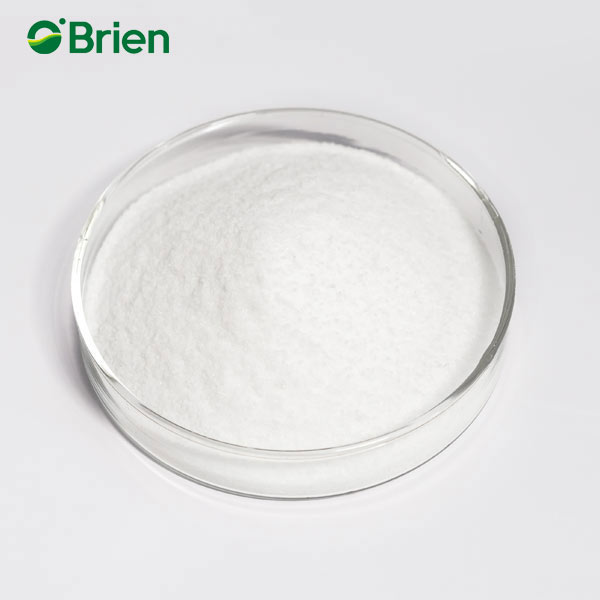
Used extensive in drilling fluids, shale inhibition, well cementing, profile control, and fracturing. Oubo PAM formulations deliver superior thermal degradation resistance, shear stability, and viscosity retention under high-salinity reservoir conditions, maximizing oil output during tertiary recovery operations.
Standardized packaging solutions designed for international ocean freight, humidity protection, and long storage life.
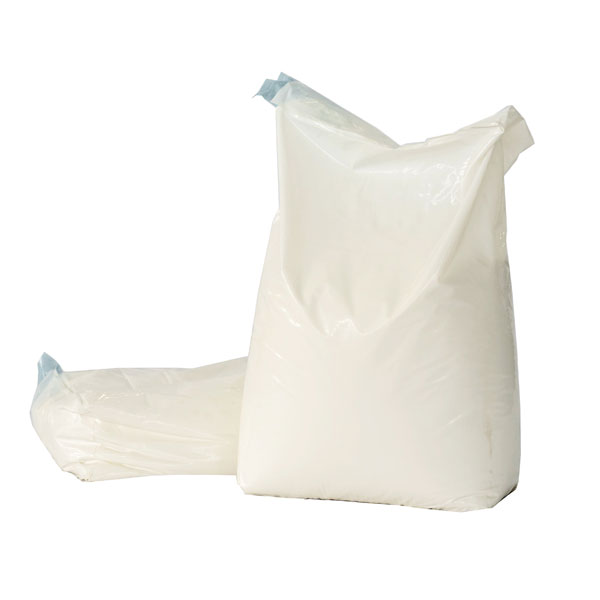
25kg kraft paper multi-wall bag with inner PE moisture barrier liner. Ideal for OEM distributors.
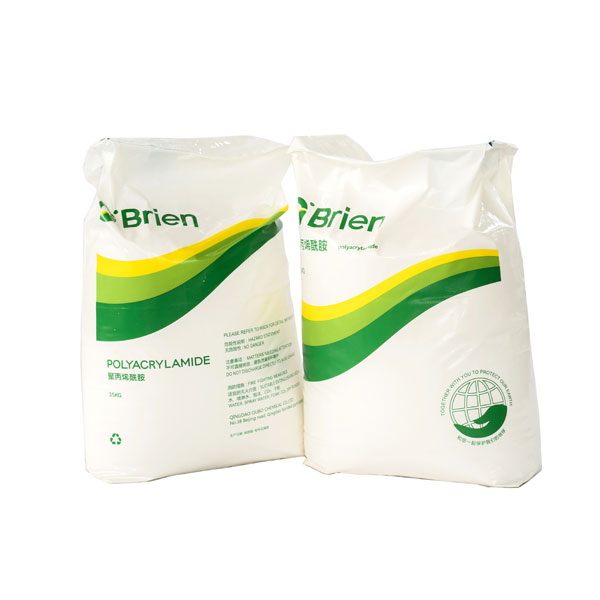
Branded 25kg packaging with batch traceability coding and multi-language safety instructions.
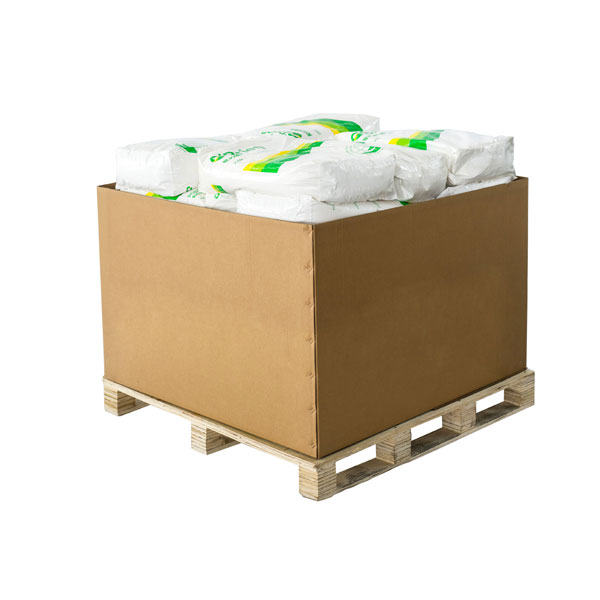
750kg - 1000kg ton bags fitted with bottom discharge spouts for large-scale automated feeding systems.
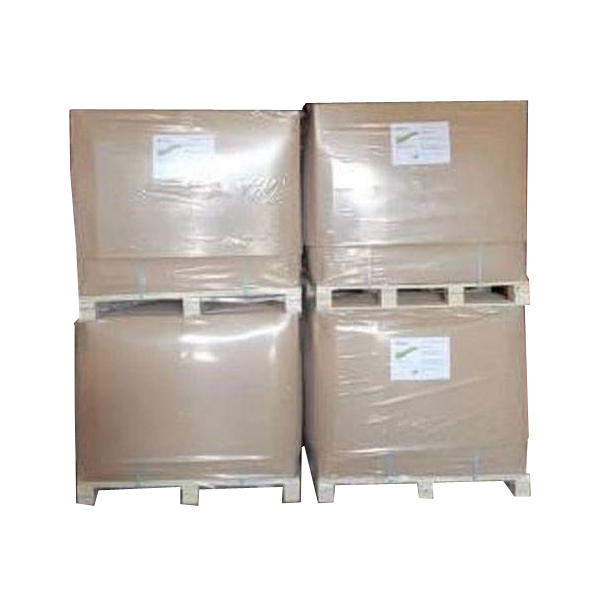
Fumigated wooden or plastic pallets, shrink-wrapped with corner boards to prevent transit damage.
Discover high molecular weight formulations engineered for extreme industrial conditions and targeted dewatering requirements.
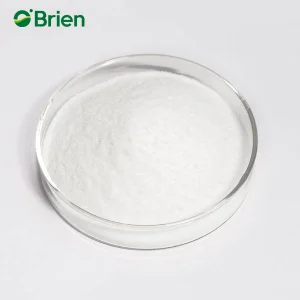
Rapid sedimentation aid for coal tailings clarification & fine coal slurry recovery.
View Product Details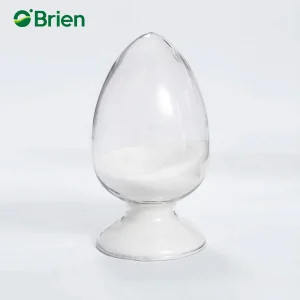
Fast dissolution, low dust cationic polymer for municipal sewage sludge thickeners.
View Product Details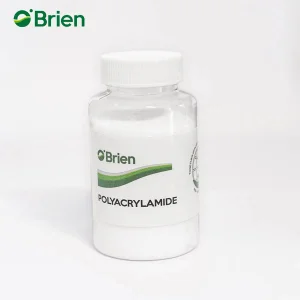
Boosts paper machine drainage speed, fine fiber retention, and overall sheet quality.
View Product Details
High purity neutral polymer for acidic wastewater flocculation & mineral leaching.
View Product Details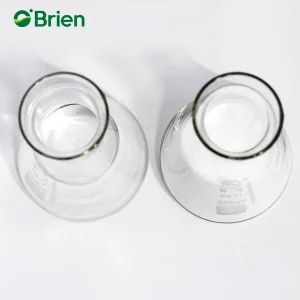
Engineered to handle high oil-in-water emulsions, metallurgical effluent, and heavy solids.
View Product Details
Versatile granular APAM for industrial raw water clarification & soil stabilization.
View Product Details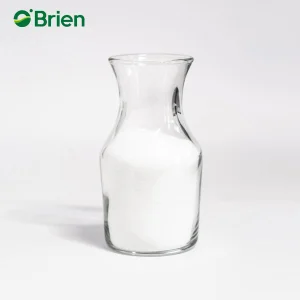
High efficiency coagulant aid for municipal sedimentation tanks & clarifying basins.
View Product Details
Stable performance under extreme low pH industrial effluents & electroplating streams.
View Product DetailsIn-depth technical answers curated by Oubo’s senior polymer chemical engineers.
 Oubo Chemical