Wholesale Cationic Anionic Nonionic Zwitterionic Polyacrylamide Manufacturers & Factories

High-Purity Bio-Catalytic Polyacrylamide (PAM) Polymer Solutions for Global Industrial Water Treatment, Enhanced Oil Recovery, Mining, and Paper Manufacturing.

Technical Whitepaper & Global Procurement Index

Industrial Polyacrylamide (PAM) Synthesis, Ionic Dynamics, and Scaled Supply Chains

Polyacrylamide (CAS 9003-05-8) represents the backbone of modern industrial liquid-solid separation, rheology modification, and flocculation engineering. As a high-molecular-weight synthetic resin prepared via the polymerization of acrylamide monomers, its chemical versatility stems from tailored ionic charges: Cationic (CPAM), Anionic (APAM), Nonionic (NPAM), and Zwitterionic (ZPAM) variants. Understanding charge density, molecular weight calibration (ranging from 3 Million to over 22 Million Daltons), and structural branching is essential for optimizing cost-efficiency across municipal sewage, mining tailings, oilfield enhancement, and pulp processing.

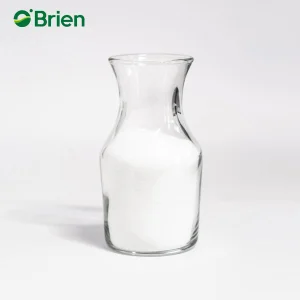
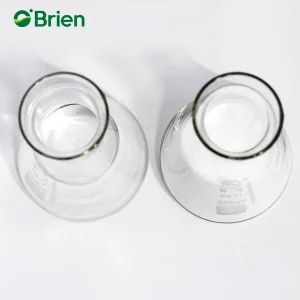
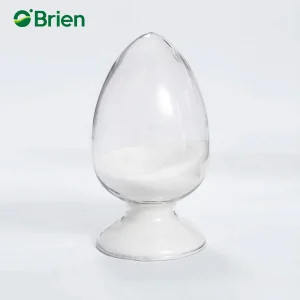
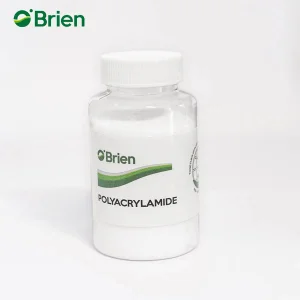
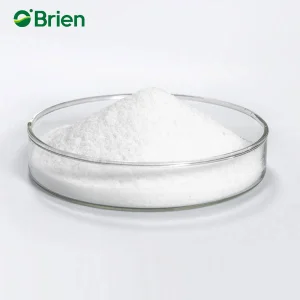
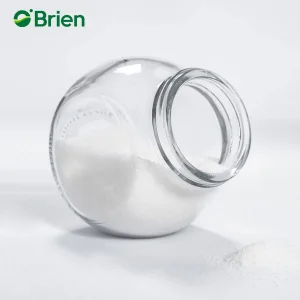
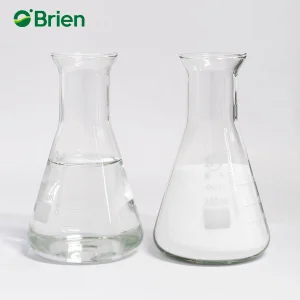
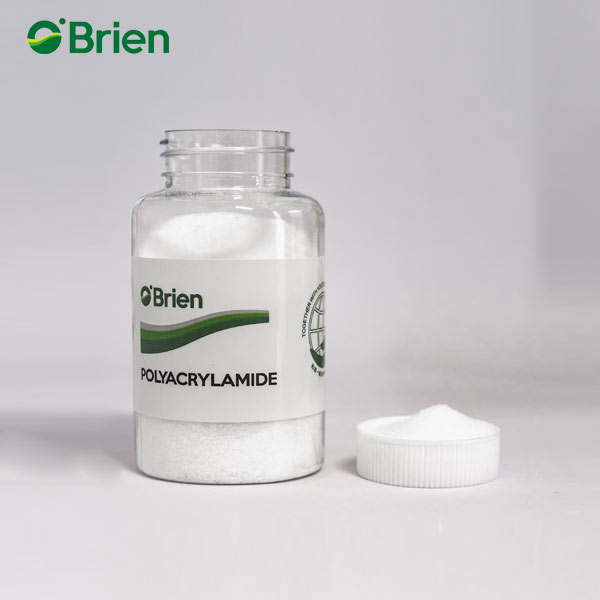
Core Chemical Definition: Polyacrylamide (PAM) is a white, solid, highly water-soluble polymer of acrylamide. It operates predominantly as a flocculant, coagulant aid, friction reducer, and filtration assistant. Its functional performance is governed by precise charge interactions—hydrophobic or ionic binding with suspended solids to cause rapid aggregation into dense macro-flocs.
50,000+
Annual Tons Capacity
ISO 9001
Quality Certified
€2.0M+
Annual R&D Investment
100%
Automated Polymerization

Wholesale Polyacrylamide Product Catalog (Part I)

Direct Factory Supply for Mineral Processing, Sludge Dewatering, Municipal Sewage, and Industrial Effluents
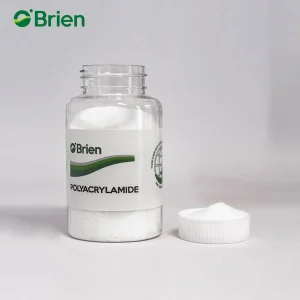
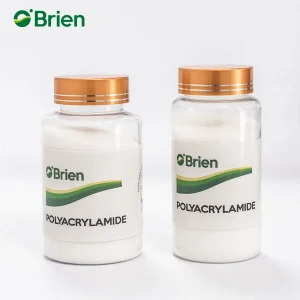
Wholesale Nonionic Polyacrylamide (NPAM) for Mineral Processing
Wholesale Nonionic Polyacrylamide (NPAM) for Mineral Processing & Metallurgical Ore Dressing Suppliers, Factories
View Technical Specs
Wholesale Cationic Polyacrylamide (CPAM) for Sludge Dewatering
Wholesale Cationic Polyacrylamide (CPAM) for Sludge Dewatering & Industrial Wastewater Flocculation Supplier, Factories
View Technical Specs
Wholesale Anionic Polyacrylamide (APAM) for Sewage Treatment
Wholesale Anionic Polyacrylamide (APAM) for Municipal Sewage Treatment & Sludge Dewatering Manufacturers, Suppliers
View Technical Specs
Wholesale High Molecular Weight Anionic Polyacrylamide
Wholesale High Molecular Weight Anionic Polyacrylamide for Petrochemical & Metallurgical Wastewater Suppliers, Factories
View Technical Specs
Wholesale Cationic Polyacrylamide Powder
Wholesale Cationic Polyacrylamide Powder for Municipal & Industrial Wastewater Treatment Supplier, Suppliers
View Technical Specs
China Cationic Polyacrylamide Paper Making Supplier
China Cationic Polyacrylamide Retention & Drainage Aid for Paper Making Industry Supplier, Factories
View Technical Specs
China Nonionic Polyacrylamide Oilfield Drilling Fluid
China Nonionic Polyacrylamide (PAM) Thickener for Oilfield Drilling Fluid Manufacturers, Suppliers
View Technical Specs
Wholesale Anionic Polyacrylamide Manufacturers
Wholesale Anionic Polyacrylamide Manufacturers, Supplier
View Technical Specs

Chemical Taxonomy: Ionic Variants & Mechanism Matrix

Selecting the precise polymer architecture based on substrate zeta potential, pH range, and shear stress conditions.

Cationic PAM (CPAM)

Cationic Polyacrylamide Dynamics

Synthesized by copolymerizing acrylamide with cationic monomers such as DAC (Acryloyloxyethyltrimethyl ammonium chloride) or DMC (Methacryloyloxyethyltrimethyl ammonium chloride). CPAM carries positive charges along its polymer chain, ranging from low charge density (5%) to ultra-high charge density (80%).

  • Primary Mechanism: Charge neutralization of negatively charged organic colloidal particles.
  • Target Substrates: Municipal sewage sludge, organic industrial sludge (food, brewery, tanning, paper mill waste).
  • Dewatering Machinery: Centrifuges, belt filter presses, screw presses, plate-and-frame filter presses.
Anionic PAM (APAM)

Anionic Polyacrylamide Dynamics

Produced via hydrolysis of polyacrylamide or copolymerization with acrylic acid (AA/AAS). APAM presents negative charges along its backbone, available in molecular weights up to 22 Million Daltons and hydrolysis degrees spanning 10% to 60%.

  • Primary Mechanism: Interparticle bridging and electrostatic repulsion reduction on inorganic solids.
  • Target Substrates: Mineral slimes, coal washing slurries, sand washing wastewater, metal ore tailings.
  • Key Applications: High-density thickeners, clarifiers, sedimentation basins, EOR fluid viscosity enhancement.
Nonionic PAM (NPAM)

Nonionic Polyacrylamide Dynamics

Formulated purely from acrylamide homopolymerization without ionic functional groups. NPAM relies on hydrogen bonding mechanisms via its abundant amide groups (-CONH2) to bind suspended solid particles.

  • Primary Mechanism: Hydrogen bonding network formation under neutral or acidic conditions.
  • Target Substrates: Highly acidic industrial wastewater, copper/zinc leaching solutions, soil stabilization.
  • Special Property: Stable performance in acidic media where ionic charges might be suppressed.
Zwitterionic PAM (ZPAM)

Zwitterionic Polyacrylamide Dynamics

Advanced copolymer containing both cationic and anionic active groups on the same macromolecular backbone. ZPAM demonstrates amphoteric behavior, self-adjusting to fluctuating slurry characteristics.

  • Primary Mechanism: Synergistic charge neutralization and chain bridging under complex pH shifts.
  • Target Substrates: Refractory industrial sludge, oily sludge, complex chemical dye effluents.
  • Special Property: High salt resistance, superior dewatering efficiency on difficult-to-treat bio-sludge.
Polymer Type Ionic Degree / Hydrolysis (%) Molecular Weight (Million Daltons) Solid Content (%) Dissolution Time (Mins) Optimal Operating pH
Cationic (CPAM) 5% - 80% (Cationicity) 8 - 14 M ≥ 88% 45 - 60 3.0 - 10.0
Anionic (APAM) 10% - 60% (Hydrolysis) 6 - 22 M ≥ 88% 30 - 50 6.0 - 14.0
Nonionic (NPAM) ≤ 5% 3 - 15 M ≥ 88% 40 - 60 1.0 - 8.0
Zwitterionic (ZPAM) Amphoteric Density (Custom) 6 - 12 M ≥ 88% 45 - 60 2.0 - 12.0

Qingdao Oubo Chemical Co., Ltd. — Global Manufacturing Infrastructure

Leading China's Bio-Enzymatic Polymerization Technology and Export Engineering

Established in 2011 and strategically located within the Free Trade Zone of Qingdao, China, Oubo Chemical Co., Ltd (brand O'brien) has evolved into one of the world's primary synthesis hubs for acrylamide and polyacrylamide polymers. Supported by a 10% annual business growth trajectory over the past decade, Oubo Chemical operates fully automated production lines with an annual polyacrylamide capacity surpassing 50,000 Tons.

Oubo utilizes advanced biological methods (microbial enzyme catalysis) to manufacture acrylamide monomers. Compared to traditional chemical catalytic copper processes, the biological synthesis method produces ultra-pure monomers with zero copper ions, lower polymerization inhibitor levels, higher reaction activity, and superior molecular weight consistency. This technological innovation is backed by proprietary patents and an annual R&D reinvestment of over €2 Million.

Professional Producer

Leading world polymer manufacturer using patented biological synthesis to deliver high-performance PAM across global markets.

Global Supply Chain

Raw materials secured from global chemical leaders including SINOPEC and Eni, guaranteeing ultra-pure feedstocks and batch integrity.

Quality Assurance

Certified under ISO9001:2008 management systems. Every single production batch undergoes 3-stage rigorous testing by our QC team before dispatch.

Technical Support

Our specialized engineers directly participate in pre-sales analysis, beaker screening tests, pilot trials, and post-sales dosing optimization.

Localized Application Scenarios & Technical Integration

Field-proven performance across major global industries under demanding operational conditions.
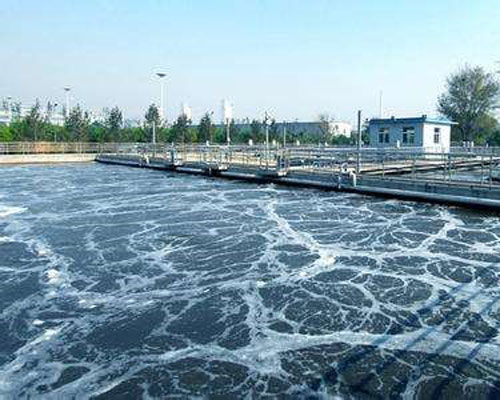
Wastewater treatment 1 Wastewater treatment 2

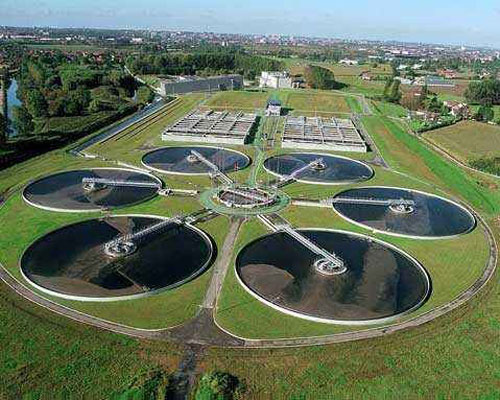
Municipal & Industrial Wastewater Treatment

Essential flocculating agent for clarification, settling, and sludge dewatering. Widely deployed in municipal sewage plants, leather processing, paper mills, citric acid production, vegetable protein extraction, dyeing, and pharmaceuticals.
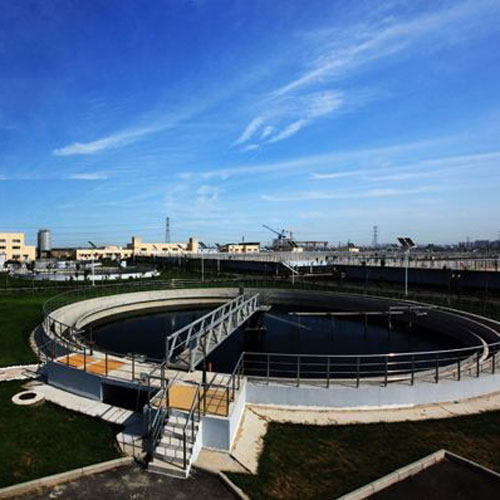
WWTP plant Flocculation process
Paper mill 1 Paper mill 2 Paper mill 3

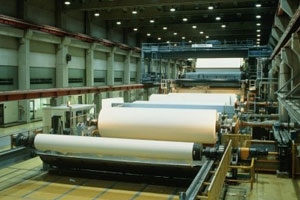
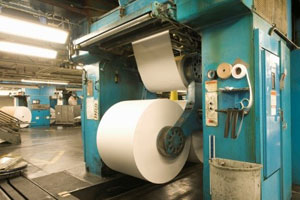
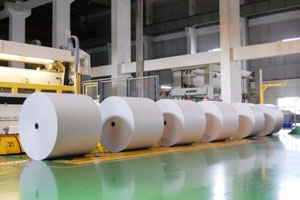
Pulp & Paper Manufacturing Chemical Aids

Serves as retention aids, drainage accelerators, and dry/wet strength agents:
  • Retention Aid: Improves fine fiber and filler retention, cutting raw material costs.
  • Anionic Trash Catcher: Neutralizes wet-end charge interferences.
  • Dry Strength Agent: Forms covalent/hydrogen bonds with fiber hydroxyls.
  • Dispersant Agent: Optimizes sheet formation, softness, and tensile toughness.
Oilfield 1 Oilfield 2 Oilfield 3

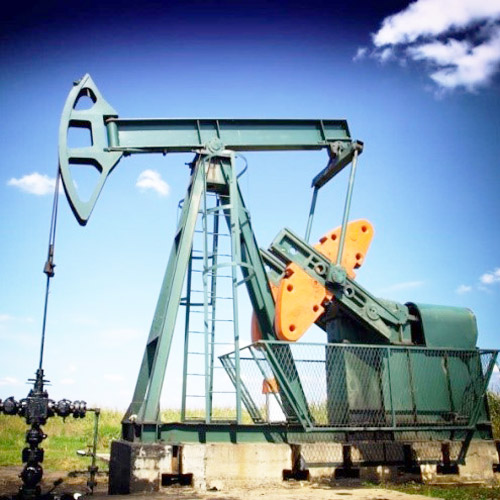
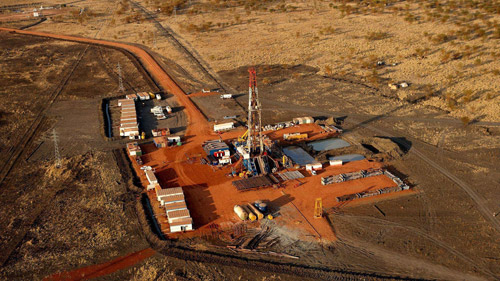
Oilfield Exploration & Enhanced Oil Recovery (EOR)

Crucial polymer for profile control, water plugging, drilling fluids, fracturing fluid friction reduction, and oil sands treatment. Reduces fluid loss, stabilizes shale, cools drill bits, and improves sweep efficiency during tertiary oil recovery.
Mining 1 Mining 2 Mining 3

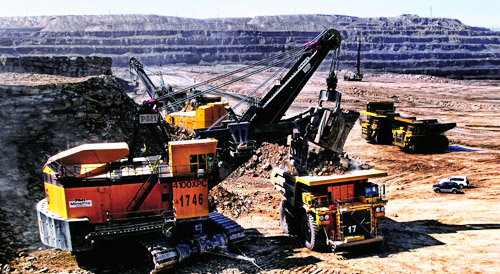
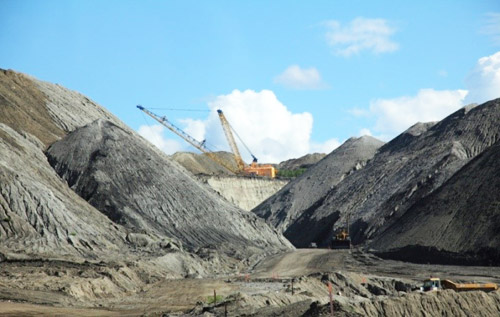
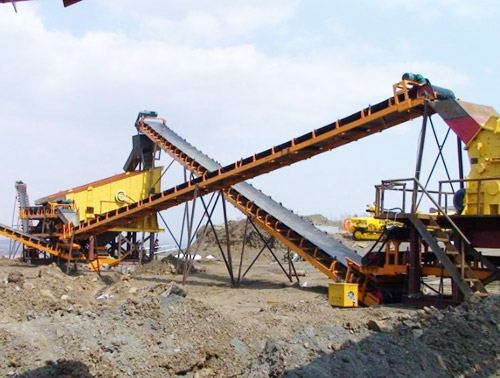
Mining Industry & Mineral Processing

Extensively utilized for coal washing, tailings dewatering, and solid-liquid separation in gold, silver, iron, copper, and nickel extraction circuits. Rapidly clarifies wash water for 100% closed-loop process recycling.
Sugar 1 Sugar 2

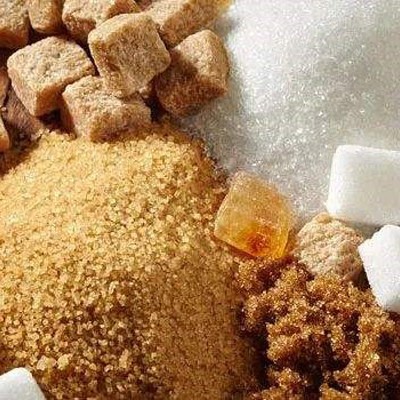
Sugar Refining Industry

Applied in sugarcane and sugar beet juice clarification and flotation processes. Accelerates mud settling velocity, yields crystal-clear syrup, and minimizes sugar loss in filter cake.
Textile 1 Textile 2 Textile 3

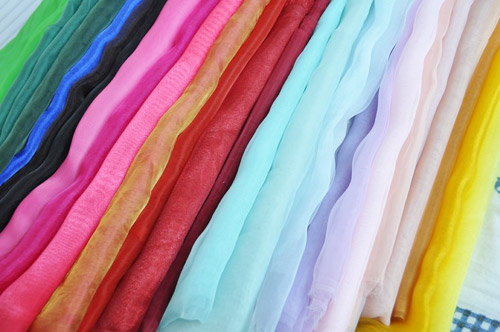
Textile & Dyeing Processing

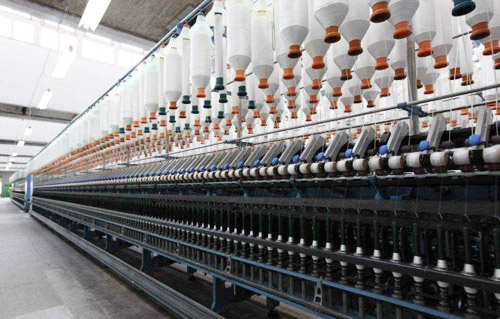
Functions as an efficient textile sizing agent, finishing agent, and fabric treatment auxiliary. Provides smooth protective films on yarns, reduces breakage during high-speed weaving, and clarifies color-rich dyeing effluent.

China Factory Supply Chain Advantages & Global Procurement Compliance

Why International Chemical Buyers Partner with Qingdao Oubo Chemical for Bulk PAM Contracting

1. Upstream Raw Material Integration

Situated in Qingdao Free Trade Zone near major petrochemical refining complexes (including long-term strategic raw material agreements with SINOPEC), Oubo secures direct access to high-purity Acrylonitrile (AN) monomers. This integration insulates production costs from international spot market volatility and guarantees uninterrupted monomer feedstocks.

2. Maritime Logistics & Export Convenience

Qingdao Port is one of the world's largest deep-water container hubs. Operating within the Free Trade Zone enables expedited customs declaration, bonded warehouse storage, flexible freight consolidations, and direct ocean routes to Europe, North America, Southeast Asia, Middle East, and South America.

3. Tailored Packaging & Private Labeling

We accommodate diverse international distributor branding requirements. Options include unbranded neutral packaging, customized multi-language craft bags, moisture-proof PE inner liners, heavy-duty jumbo bags (750kg/1000kg), and ISPM-15 compliant heat-treated fumigated wooden pallets.

4. Regulatory & Environmental Compliance

Oubo Chemical maintains strict adherence to global safety standards. All products are supplied with comprehensive Safety Data Sheets (SDS/MSDS) under GHS alignment, ISO9001:2008 quality control certifications, REACH registrations for European imports, and zero-hazardous residue guarantees for environmental release safety.
Standard Wholesale Packaging Options

Blank Bag Polyacrylamide Packaging

Blank-Bag

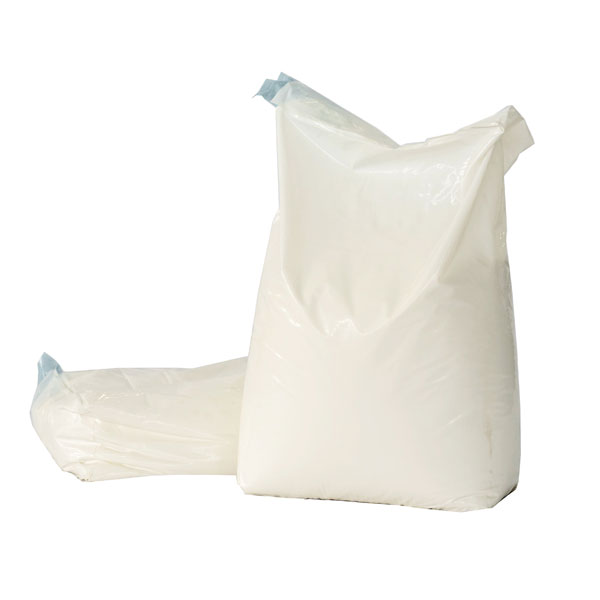
Neutral white 25kg Kraft paper / PE woven bag for local re-branding.
Normal Bag Packaging

Normal-Bag

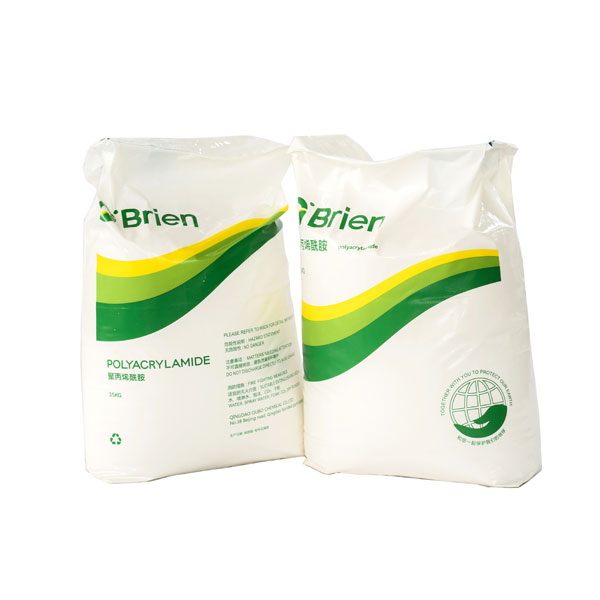
Standard export printed packaging with specifications and safety marks.
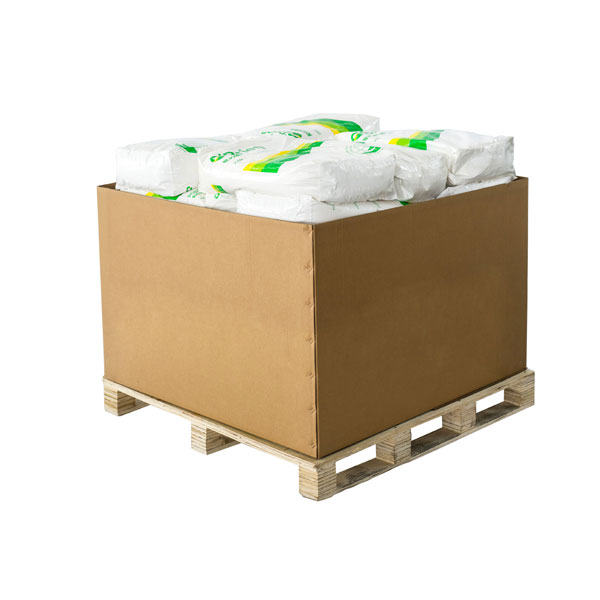
Custom Outer Package

Custom Package

Heavy-duty 750kg/1000kg Big Bags (Jumbo Bags) with top spout & bottom discharge.
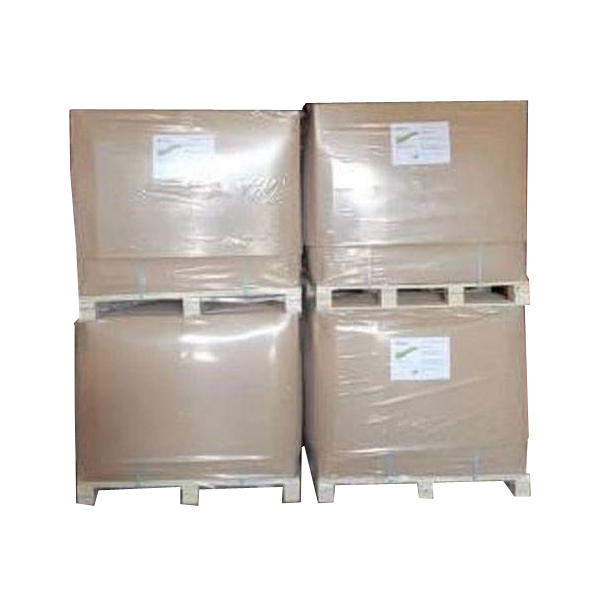
Palletized Delivery Packaging

Palletized Delivery

Shrink-wrapped fumigated pallets (1.0 - 1.2 Metric Tons per pallet) for fork-lift safety.

Future Market Trends & Technical Innovations in Water Soluble Polymers

Key drivers shaping the global polyacrylamide industry over the next decade.

Trend 01

Zero Liquid Discharge (ZLD) Compliance

Stringent industrial discharge standards worldwide force power plants, chemical complexes, and textile dye houses to implement ZLD systems. This drives demand for high-molecular weight anionic and zwitterionic polymers that deliver dry cake clarity and fast settling in mechanical evaporators and high-salinity thickeners.

Trend 02

High-Temperature & High-Salinity EOR

As mature oil fields encounter harsher reservoir environments (high temperature, total dissolved solids > 100,000 ppm), advanced heat-resistant PAM copolymers incorporating monomer units such as AMPS (Acrylamido Tertiary Butyl Sulfonic Acid) are replacing standard polymers to prevent thermal viscosity shear degradation.

Trend 03

Micro-Emulsion Hydrogel Technology

Transitioning from traditional dry powder dissolving systems to high-active water-in-oil emulsion liquid PAM. Liquid emulsions disperse completely within 3 to 5 minutes without fish-eye formation, enabling fully automated, compact dosing units on mobile drilling rigs and mining sites.

Wholesale Polyacrylamide Product Catalog (Part II)

Explore specialized polymer grades for coal tailings, acidic industrial effluents, paper dry strength, and food-grade applications.
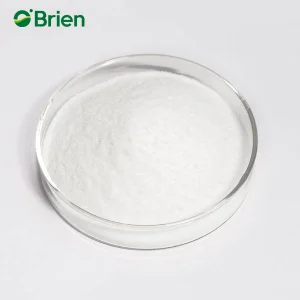
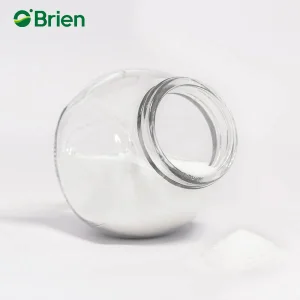
High Molecular Weight Nonionic Polyacrylamide for Coal Washing
Wholesale High Molecular Weight Nonionic Polyacrylamide for Coal Washing & Tailings Dewatering Manufacturers, Suppliers
View Technical Specs
China Nonionic Polyacrylamide Flocculant Acidic Wastewater
China Nonionic Polyacrylamide Flocculant for Acidic Industrial Wastewater Treatment Manufacturers, Factories
View Technical Specs
Cationic Polyacrylamide Flocculant for Textile Wastewater
Wholesale Cationic Polyacrylamide (CAS 9003-05-8) Flocculant for Textile & Dyeing Wastewater Manufacturer, Supplier
View Technical Specs
China PAM Anionic Polyacrylamide Paper Strength Agent
China PAM Anionic Polyacrylamide Dry & Wet Strength Agent for Paper Industry Manufacturers, Factories
View Technical Specs
Anionic Polyacrylamide Powder for Food Processing Sugar Refining
Wholesale Anionic Polyacrylamide Powder Flocculant for Food Processing & Sugar Refining Wastewater Manufacturer, Factories
View Technical Specs
China Nonionic Polyacrylamide Manufacturers
China Nonionic Polyacrylamide Manufacturers, Supplier
View Technical Specs
China Cationic polyacrylamide Manufacturer
China Cationic polyacrylamide Manufacturer, Supplier
View Technical Specs
Wholesale PAM Anionic Polyacrylamide Suppliers
Wholesale PAM Anionic Polyacrylamide Manufacturer, Suppliers
View Technical Specs

Frequently Asked Questions (FAQ) & Technical Guidance

Expert insights into Polyacrylamide selection, preparation, handling, and application optimization.
How do I determine whether to choose Cationic, Anionic, or Nonionic Polyacrylamide?
Selection depends primarily on the electrical charge (zeta potential) of the suspended solids in your water system:
1. Organic Sludge (CPAM): Biological sewage sludge, food processing waste, and paper mill effluent usually carry negative electrical charges. Cationic Polyacrylamide (CPAM) is required to neutralize charges and dewater sludge.
2. Inorganic Suspensions (APAM): Mineral washing, sand processing, coal slurry, and metal tailings contain inorganic mineral particles. High-molecular Anionic Polyacrylamide (APAM) creates long-chain bridges between particles.
3. Acidic / Mixed Conditions (NPAM): In strongly acidic wastewater (such as copper/zinc hydrometallurgy leaching), nonionic polyacrylamide operates effectively without ionization interference.
What is the standard procedure for dissolving dry Polyacrylamide powder?
Polyacrylamide dry powder must be dissolved properly to prevent the formation of unhydrated polymer lumps ("fish eyes"):
Dissolution Ratio: Prepare a 0.1% to 0.3% concentration solution (e.g., 1kg powder per 1000L of clean water).
Water Quality: Use clean, neutral tap water (pH 6.5–7.5). Avoid using recycled wastewater or hot water above 50°C, which degrades polymer molecular chains.
Agitation Speed: Maintain a low-shear impeller speed between 200–400 RPM. High-speed mixing (e.g., > 1000 RPM) shears polymer chains and reduces flocculation efficiency.
Aging Time: Allow 45 to 60 minutes of gentle mixing until dry particles are fully hydrated and homogeneous.
What is the typical shelf life and storage requirement for PAM dry powder and liquid solutions?
Dry PAM powder has a shelf life of 24 months when stored in original unopened moisture-proof packaging in a cool, ventilated, dry environment. Once prepared into a aqueous solution:
Anionic / Nonionic Solutions: Remain stable for 7 to 10 days.
Cationic Solutions: Highly susceptible to hydrolysis degradation; optimal usage is within 24 hours of preparation.
Why choose Qingdao Oubo Chemical Co., Ltd. over other chemical trading suppliers?
Qingdao Oubo Chemical operates direct manufacturing facilities inside Qingdao Free Trade Zone, backed by ISO9001:2008 certification, automated bio-catalytic monomer synthesis, and strategic partnerships with raw material giants like SINOPEC and Eni. With over 50,000 Tons annual capacity, robust R&D, and complete control over quality testing, Oubo provides direct factory pricing, guaranteed chemical purity, customized packaging, and dedicated technical field support.