Direct Factory Wholesale Solutions for Municipal, Petrochemical, Mining, and Paper Industries
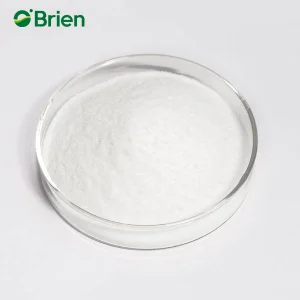
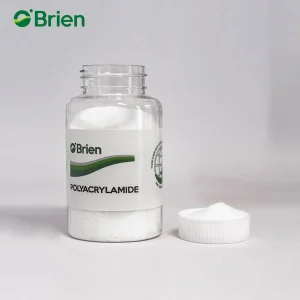
In modern industrial wastewater management, municipal sludge dewatering, enhanced oil recovery (EOR), and papermaking wet-end chemistry, Cationic Polyacrylamide (CPAM) represents a foundational chemical technology. Synthesized through the copolymerization of acrylamide (AM) monomers with cationic monomers such as acryloyloxyethyltrimethyl ammonium chloride (DAC) or methacryloyloxyethyltrimethyl ammonium chloride (DMC), CPAM is a linear water-soluble polyelectrolyte featuring positively charged functional groups along its macromolecular backbone.
As regulatory frameworks worldwide—such as the EU Water Framework Directive and U.S. EPA Effluent Guidelines—tighten requirements for Total Suspended Solids (TSS), Chemical Oxygen Demand (COD), and municipal sludge dry solids content, global procurement teams require wholesale partners that deliver absolute batch-to-batch consistency, verified molecular weight distribution, and robust supply chain resilience. Qingdao Oubo Chemical Co., Ltd., operating within the Free Trade Zone of Qingdao, China, stands at the forefront of this industry, supplying high-purity cationic, anionic, and nonionic polyacrylamide solutions to industrial consumers globally under our flagship brand O'brien.
Understanding Cationicity, Molecular Weight Dynamics, and Flocculation Kinetics
Polyacrylamide (PAM, CAS 9003-05-8) performance is dictated by two fundamental polymer characteristics: Molecular Weight (MW) and Ionic Charge Density (Cationicity). Cationic Polyacrylamide carries positively charged quaternary ammonium groups that neutralize the negative zeta potential inherent to organic colloidal suspensions, biological sludges, and pulp fibers.
The application of CPAM operates through a dual-action mechanism:
| Polymer Type | Ionic Degree (%) | Molecular Weight (Million) | Primary Industrial Applications |
|---|---|---|---|
| Low Cationic CPAM | 10% - 20% | 8 - 12 Million | Inorganic sludge dewatering, paper retention aids, river dredging sedimentation |
| Medium Cationic CPAM | 20% - 40% | 6 - 10 Million | Municipal sewage sludge, food processing wastewater, brewery effluent dewatering |
| High Cationic CPAM | 40% - 80% | 5 - 8 Million | High-organic content sludge, dye/textile effluent, pharmaceutical fermentation dewatering |
| Anionic PAM (APAM) | 10% - 60% (Anionicity) | 10 - 25 Million | Metallurgical processing, coal washing tailings, sand/gravel washing, oilfields |
| Nonionic PAM (NPAM) | < 5% | 6 - 15 Million | Acidic wastewater clarification, mineral processing, soil stabilization |
Custom Engineered Polyacrylamide Solutions for Diverse Global Sectors
CPAM serves as a cornerstone flocculant in municipal sewage treatment plants and industrial solid-liquid separation. It maximizes cake dryness in decanter centrifuges, chamber filter presses, and belt presses while reducing polymer dosage consumption and filtrate turbidity.
Functions as a wet-end retention agent, drainage aid, and dry/wet strength additive. It traps short fibers and mineral fillers, balances wet-end charge by catching anionic trash, improves paper sheet formation, and reduces raw material loss in white water treatment.
Utilized extensively in Enhanced Oil Recovery (EOR), friction reduction in hydraulic fracturing fluids, shale inhibition, drilling fluid viscosity modification, well cementing, and oil sands tailings sedimentation processes.
Accelerates mineral-ore separation, coal washing tailings clarification, filtration, and solid-liquid centrifugation for gold, silver, iron, copper, nickel, and alumina extraction circuits.
High-purity flocculants enable rapid clarification and flotation of sugar cane juice and beet extract liquor, effectively removing insoluble impurities while maintaining strict food-safety compliance.
Acts as an efficient sizing agent, finishing auxiliary, and primary coagulant for complex textile dye effluent treatment, decoloring highly pigmented liquid waste streams with rapid settling speeds.
Global Standard Manufacturing Excellence, Patented Biological Synthesis & Direct FTZ Export Advantages
Established in 2011 within the Free Trade Zone of Qingdao, China, Qingdao Oubo Chemical Co., Ltd. has grown into a world-leading polyacrylamide manufacturer. Maintaining a continuous annual business growth rate of over 10%, Oubo Chemical combines advanced biological monomer synthesis with automated continuous polymerization technology.
Unlike traditional chemical synthesis routes that rely on acrylonitrile catalytic hydration using copper catalysts (which often leaves toxic residual copper ions and organic impurities), Oubo Chemical utilizes patented enzymatic microbiological methods to produce high-purity acrylamide monomer. This patented biological approach yields acrylamide with zero heavy metal contamination, lower residual monomer content (<0.05%), and higher chemical reactivity, allowing us to build ultra-high molecular weight polymer architectures for demanding industrial applications.
Uncompromising product quality begins with raw material purity. Oubo Chemical maintains long-term strategic supply partnerships with tier-one global chemical leaders including SINOPEC, Eni, and other world-class chemical suppliers. All raw materials undergo rigorous mass spectrometry and chromatographic testing prior to reactor charging.
Our modern manufacturing facility features fully automated DCS-controlled polymerization lines. Certified under ISO 9001:2008, Oubo Chemical operates a comprehensive Quality Control (QC) framework where every batch undergoes three distinct rounds of laboratory testing: raw material pre-screening, inline polymerization parameter tracking, and post-drying powder mesh/dissolution/viscosity validation before shipment release.
With annual technical investment reaching €200 million, our dedicated team of polymer chemists, application engineers, and technical sales personnel assist clients through every stage: chemical selection, laboratory jar testing, pilot plant trial runs, and full-scale operational optimization.
Flexible, Moisture-Proof Packaging Configurations Tailored for Global Bulk Transportation
Oubo Chemical offers multiple packaging options designed to preserve powder integrity, prevent moisture absorption, and streamline warehouse handling across long-distance sea freight routes.
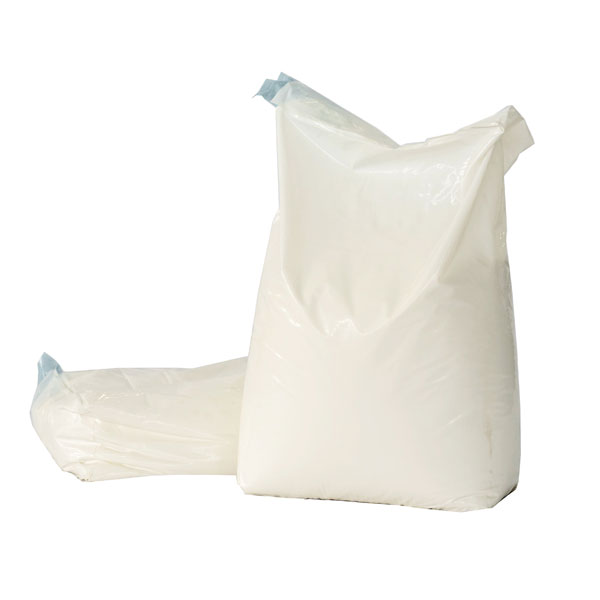
Ideal for OEM & Distributor Private Labeling
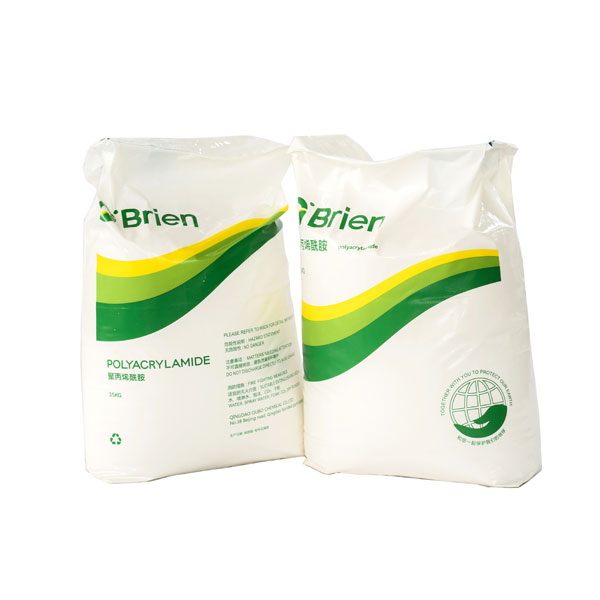
25kg Kraft Paper / PE Multi-Wall Bags
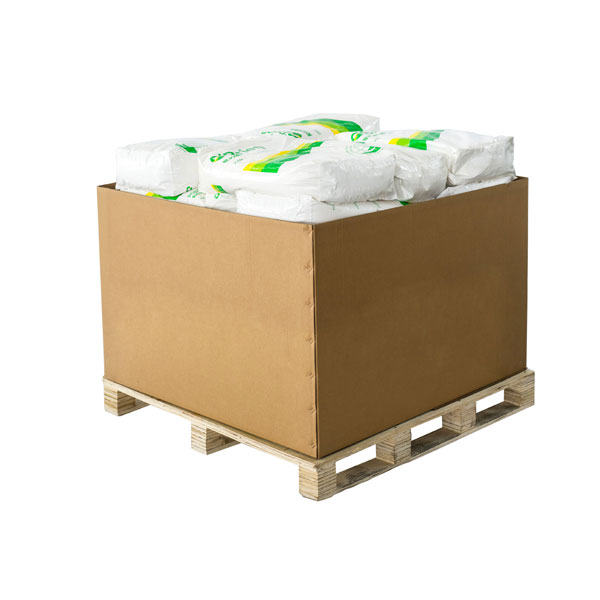
750kg - 1000kg Bulk Container Bags
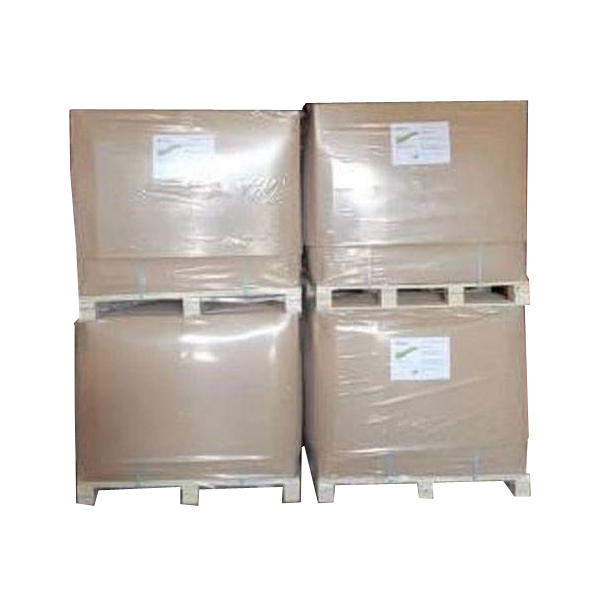
ISPM-15 Heat Treated Export Pallets
Advancing Next-Generation Water Treatment Polymers for Environmental Sustainability
As industrial processes transition toward circular water economy models and Zero Liquid Discharge (ZLD) mandates, the requirements for synthetic polyelectrolytes are rapidly evolving. Oubo Chemical’s R&D department is focused on three primary frontiers:
Deep oilfield wells and high-speed centrifuges exert extreme mechanical shear forces and elevated temperatures on polymer chains, breaking carbon-carbon backbones and causing viscosity loss. Our technical roadmap incorporates hydrophobic modification and dynamic covalent cross-linking chemistry to create ultra-high stability CPAM grades that retain charge and chain structure under severe operational environments.
In response to global decarbonization goals, Oubo is pioneering hybrid polymers combining natural polysaccharides (such as starch, chitosan, or cellulose derivatives) with synthetic acrylamide monomers. These bio-hybrid flocculants maintain high flocculation efficiency while substantially increasing ultimate biodegradability in sludge disposal environments.
Powdered PAM dust can pose workplace health and safety hazards. Oubo has developed advanced fluid-bed granulation technology to manufacture low-dust, rapid-dissolving micro-beads. These granules dissolve 30% faster than standard powders, reducing energy consumption in preparation tanks and preventing "fish-eye" agglomeration during automatic dosing.
Expert Answers to Critical Engineering, Application, and Wholesale Logistics Queries
Selection depends primarily on volatile solids content and sludge type. Primary/raw municipal sludge generally requires lower cationic charge (15% - 30%), whereas waste activated sludge (WAS) or biological digestion sludge rich in organic cellular matter requires medium-to-high cationic charge (30% - 60%). Conduct standard Jar Tests and capillary suction time (CST) measurements to pinpoint the exact dosage curve and cake dryness potential.
When stored in original sealed packaging in a cool, dry, well-ventilated warehouse below 35°C (95°F), powdered Cationic Polyacrylamide has a shelf life of 24 months. Protect the product from humidity, direct sunlight, and moisture, as hygroscopic absorption will cause caking and loss of active polymer efficacy.
Polyacrylamide relies on ultra-long macromolecular chains (molecular weights from 5 to 25 million Daltons) to create bridging networks. High-shear mixing blades physically break these long polymer chains (mechanical degradation), significantly reducing solution viscosity and flocculation capacity. We recommend dissolving powder at 200–400 RPM, followed by gentle low-shear transfer pumping.
Yes. As a direct manufacturer operating in the Qingdao FTZ, we offer custom monomer synthesis (adjusting cationicity, anionicity, and molecular weight to match specific competitor cross-references) alongside unbranded blank bags, customized logo printing, and specialized bulk super-sack loading.
Oubo Chemical operates under an ISO 9001:2008 certified Quality Management System. Our export documentation includes REACH compliance verification, Safety Data Sheets (SDS) in accordance with GHS standards, Certificates of Analysis (COA) for each lot, and ISPM-15 wood pallet phytosanitary validation.
Explore Direct Manufacturer Solutions Across Cationic, Anionic, and Nonionic Formulations
 Oubo Chemical