Explore our primary industrial grades engineered for rapid dissolution, ultra-high molecular weight distribution, and targeted charge density performance.
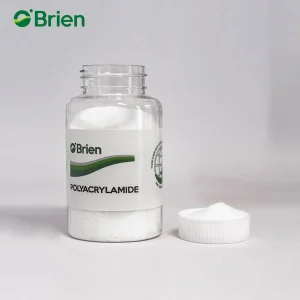
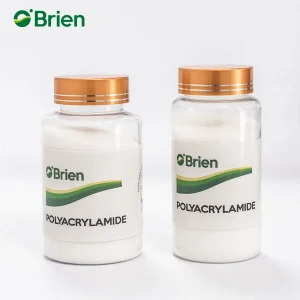
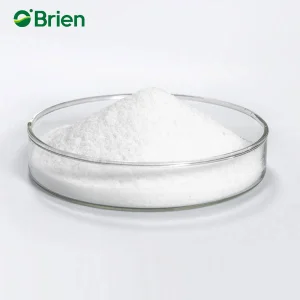
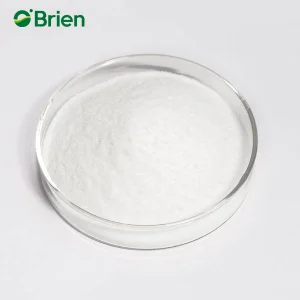
Polyacrylamide (CAS 9003-05-8), commonly designated as PAM, represents a critical pillar of modern industrial chemistry. Synthesized via the polymerization of acrylamide monomers, this linear water-soluble synthetic resin serves as an indispensable flocculant, coagulant, rheology modifier, friction reducer, and binding agent across diverse global sectors. As environmental regulations tighten globally and industrial processes demand higher water recycling efficiency, sourcing high-grade PAM directly from reliable wholesale manufacturers has become a key strategic priority for procurement executives, municipal authorities, and plant operations managers.
The global polyacrylamide market is undergoing rapid expansion, driven by stringent wastewater discharge standards, enhanced oil recovery (EOR) initiatives in mature petroleum basins, and aggressive mineral extraction requirements for energy-transition metals (such as lithium, copper, cobalt, and nickel). In this complex market ecosystem, establishing direct wholesale partnerships with validated manufacturing facilities ensures continuous supply chain resilience, rigorous quality assurance, and substantial cost optimization.
Oubo Chemical Co., Ltd. (operating the premier O'brien global brand), established in 2011 within the Qingdao Free Trade Zone, China, stands at the technological forefront of this industry. Built upon state-of-the-art biological synthesis processes, advanced automated polymerization lines, and an unyielding commitment to environmental stewardship, Qingdao Oubo Chemical delivers high-purity Polyacrylamide tailored to regional regulatory frameworks (including NSF/ANSI 60 standards for drinking water and EU REACH compliance).
Polyacrylamide functionality is dictated by its charge type (ionic character), charge density (mol %), and molecular weight (MW measured in Millions of Daltons). Understanding these molecular parameter matrices is essential for precise industrial selection.
Synthesis: Copolymerization of acrylamide with acrylic acid or sodium acrylate monomers.
Charge Density: 5% to 80% anionic charge degree.
Molecular Weight: Ultra-high (up to 25 Million Daltons).
Primary Function: Neutralizes positively charged suspended solids, creating rapid bridge flocculation. Superior in alkaline to neutral pH environments for inorganic solids separation.
Synthesis: Copolymerization of acrylamide with cationic monomers such as DAC (Acryloyloxyethyltrimethyl ammonium chloride) or DMC.
Charge Density: 5% to 80% cationic charge degree.
Molecular Weight: Medium to High (5M to 15M Daltons).
Primary Function: Neutralizes negatively charged organic colloids. Essential for municipal sewage sludge dewatering, organic wastewater treatment, and wet-end paper manufacturing.
Synthesis: Homopolymerization of pure acrylamide monomers with near-zero ionicity.
Charge Density: Minimal electrical charge (0% to 5%).
Molecular Weight: Medium to High (8M to 14M Daltons).
Primary Function: Relies on hydrogen bonding mechanisms rather than charge neutralization. Excels in acidic industrial wastewater, mineral processing, and highly saline fluid systems.
| Polymer Type | CAS Registry No. | Molecular Weight (MW) Range | Solid Content (%) | Dissolution Time | Dominant Target Industrial Matrix |
|---|---|---|---|---|---|
| APAM (Powder/Granule) | 9003-05-8 | 6 - 25 Million Da | ≥ 88% - 90% | ≤ 60 Mins | Mining tailings, River silt, Metallurgical wastewater, EOR fluid |
| CPAM (Powder/Granule) | 69418-26-5 | 5 - 14 Million Da | ≥ 88% - 90% | ≤ 60 Mins | Municipal sludge, Food processing waste, Belt press & Centrifuge |
| NPAM (Powder/Granule) | 9003-05-8 | 8 - 15 Million Da | ≥ 88% - 90% | ≤ 90 Mins | Acidic electroplating effluent, Soil conservation, Phosphoric acid plants |
| Mannich PAM (Liquid Emulsion) | Proprietary | 3 - 8 Million Da | 30% - 50% Active | Instantaneous (≤ 5 Mins) | High-viscosity requirement liquid dosing, Rapid clarify units |
How Qingdao Oubo Chemical Leverages Biological Synthesis, Upstream Integration, and Free Trade Zone Logistics to Guarantee Global Chemical Delivery.
Unlike traditional copper-catalyzed monomer preparation which leaves trace heavy metal residues and unreacted monomer impurities, Oubo Chemical employs cutting-edge bio-enzymatic conversion technology. By utilizing microbial catalysts to convert acrylonitrile directly to acrylamide monomer, we produce ultra-pure monomer solutions. This patented method ensures ultra-high molecular weight polymerization, eliminates toxic copper catalysts, and substantially reduces carbon emissions per ton generated.
Supply chain stability relies on raw material security. Oubo Chemical maintains strategic, long-term procurement agreements with global chemical leaders including SINOPEC and Eni. By securing high-purity acrylonitrile (ACN) directly from primary petrochemical crackers, our facilities are immune to monomer market shortages, guaranteeing continuous bulk manufacturing schedules for high-volume enterprise orders even during global supply line disruptions.
Situated strategically within the Free Trade Zone of Qingdao, China, our manufacturing hub features frictionless customs clearance, tax-free raw material staging, and immediate deep-water port loading. Qingdao Port connects directly to over 700 shipping ports worldwide. This location grants wholesale buyers significant logistical lead-time savings, lower ocean freight tariffs, and seamless container loading efficiency for rapid international export.
Detailed chemical mechanisms and operational protocols across major global industrial sectors.
Polyacrylamide plays a central role in solid-liquid separation processes within primary clarification, secondary sedimentation, and tertiary effluent polishing tanks. In municipal sewage treatment, wastewater contains high organic solids carrying negative zeta potential charges. The introduction of Cationic Polyacrylamide (CPAM) neutralizes surface charges, rapidly aggregating fine colloidal particles into heavy flocs.
Sludge Dewatering Optimization: Whether employing Belt Filter Presses, Screw Presses, Decanter Centrifuges, or Chamber Plate Filter Presses, Oubo CPAM maximizes cake dryness (increasing dry solid concentration to 25%-35%) while achieving crystal-clear filtrate runoff (≤ 50 mg/L TSS). This dramatically reduces sludge transportation costs and disposal tipping fees for plant operators.
Specialized Industrial Effluents: From leather tannery washings and citric acid processing to pharmaceutical fermentation broth clarification, targeted NPAM and APAM grades ensure complete removal of suspended solids and heavy metal hydroxides under challenging pH variations.
Modern high-speed paper machinery requires precise wet-end chemistry management to optimize fiber retention, sheet formation, and mechanical machine drainage. Oubo's dedicated paper chemicals suite delivers comprehensive control across four critical functions:
In upstream petroleum operations, Polyacrylamide polymers are essential additives for viscosity control, shale stability, and fluid-loss prevention:
Enhanced Oil Recovery (EOR): High molecular weight (18M - 25M Da) Partially Hydrolyzed Polyacrylamide (HPAM) is injected into reservoir formations during tertiary recovery. By increasing the viscosity of injected water, HPAM reduces water-oil mobility ratios, sweeping trapped crude oil toward production wells and increasing overall field recovery yields by 10% - 15%.
Drilling Fluid Additives & Shale Inhibitors: Nonionic and Anionic PAM act as effective fluid loss control agents and shale encapsulation polymers in water-based drilling muds. PAM coats reactive clay formations, preventing hydration, swelling, and borehole collapse, while simultaneously lubricating drill strings and cooling drill bits.
Profile Control & Fracturing Fluids: Cross-linked PAM hydrogels effectively plug high-permeability thief zones in mature fields, redirecting driving fluids to un-swept oil zones.
Mineral processing circuits utilize massive volumes of process water requiring continuous closed-loop recycling. Oubo Polyacrylamide accelerates solid-liquid separation across diverse metallic and non-metallic mineral beneficiation operations:
Coal Washing & Tailings Management: Fine coal tailings suspensions are rapidly settled using high-molecular-weight APAM. This clarifies thickener overflow for immediate reuse in circuit wash cycles while consolidating underflow tailings for belt press filtration or paste backfilling.
Precious & Base Metal Extraction: In gold, silver, copper, nickel, iron, and alumina (Bayer process) refineries, PAM acts as a primary flocculant during acid or alkaline leach slurry thickener settling. It speeds up filtration rates, enhances cake washing efficiency, and reduces valuable metal loss in tailings dams.
APAM food-grade flocculants accelerate the settling of insoluble impurities in sugar cane and sugar beet juice clarification tanks, yielding crystal-clear sugar liquor without altering sugar flavor or purities.
PAM serves as a protective warp sizing agent in textile weaving, imparting smoothness and abrasion resistance. In dye house wastewater plants, CPAM rapidly decolorizes complex azo dye effluents.
Linear NPAM/APAM polymers act as soil stabilizers, preventing surface crusting, reducing agricultural runoff erosion, and enhancing water retention in arid farming regions.
Pioneering next-generation polymer chemistry for low-carbon industrial sustainability.
Transitioning from petroleum-derived acrylonitrile feedstocks to bio-based acrylamide produced via agricultural byproduct fermentation. This initiative aims to reduce cradle-to-gate carbon footprints by 45% by 2028.
Developing temperature- and pH-responsive self-assembling polyacrylamide molecules. These smart polymers adjust their molecular coiling dynamic viscosity in real-time, drastically reducing dosage requirements in deep-well high-temperature EOR environments.
Integrating real-time optical turbidimeters, zeta-potential sensors, and machine learning dosing algorithms directly into client plant dissolution tanks, optimizing real-time PAM feed rates and cutting chemical waste by up to 25%.
A track record of technical precision, rigorous quality control, and dedicated customer alignment.
Qingdao OUBO Chemical Co., Ltd. is a recognized worldwide manufacturer of Polyacrylamide. Utilizing patented biological production methods, we invest over €200 Million in cumulative R&D to drive chemical innovation and technical mastery.
Backed by ISO9001:2008 certification, our fully automated production lines utilize global top-tier feedstocks from Sinopec and Eni. Every chemical batch undergoes 3 rigorous QC inspections before release.
With years of focused expertise in PAM manufacturing, we deliver superior quality at competitive factory-direct pricing. Our engineering support spans pre-sales laboratory testing, dosage calculation, and on-site trials.
Our dedicated technical application team assists clients globally with polymer selection, Jar Testing, and custom ionic charge adjustments to guarantee optimal performance under unique water chemistry profiles.
Moisture-proof, anti-caking export packaging designed for ocean freight and long-term storage integrity.
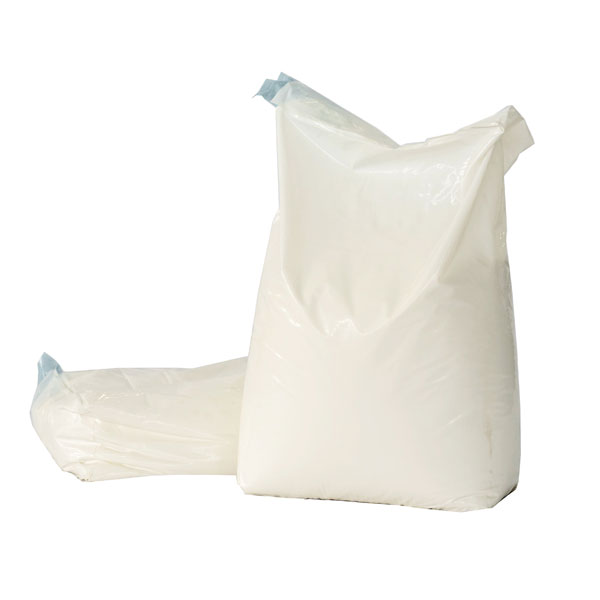
Neutral 25kg PE/PP bags suitable for distributor private labeling.
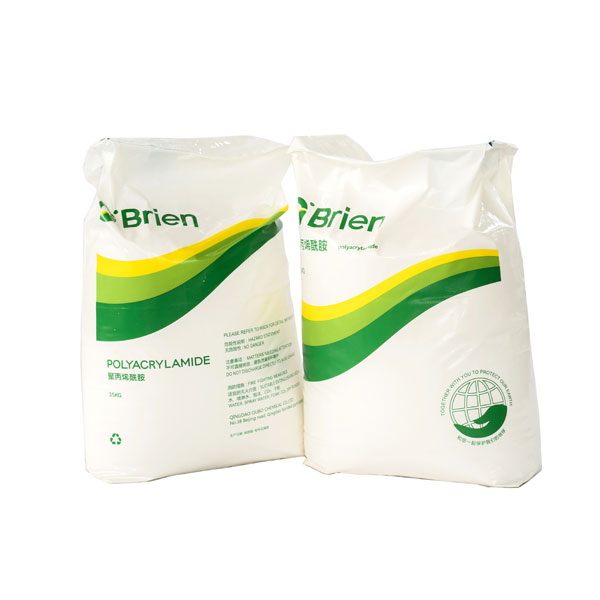
Standard O'brien branded 25kg multi-wall kraft paper bags with inner PE liner.
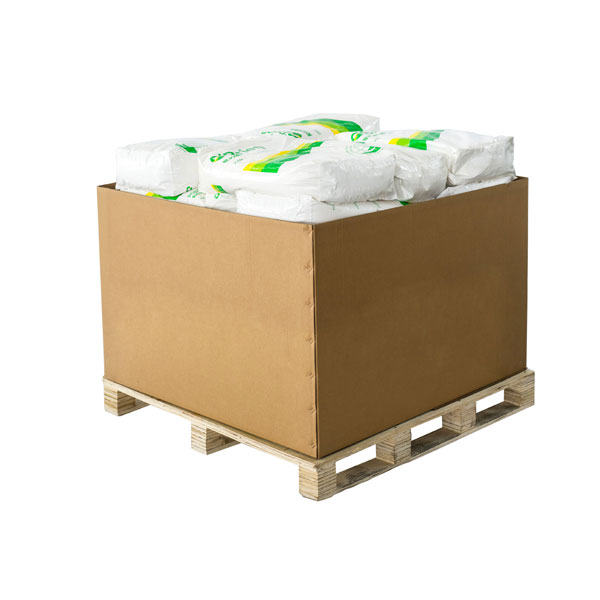
750kg / 1000kg industrial FIBC jumbo bags with bottom discharge spouts.
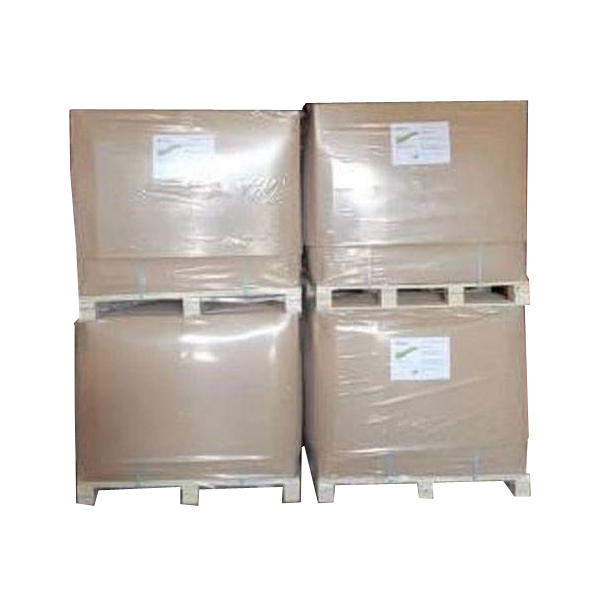
Fumigated wooden pallets or plastic pallets with heat-shrink film wrapping.
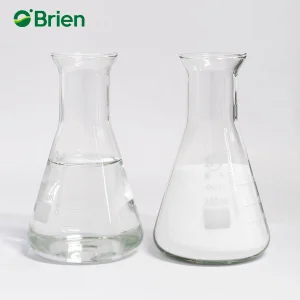
Direct sourcing links for high-grade anionic, cationic, and nonionic granular polymers.
Common engineering questions regarding PAM selection, dissolution, storage, and factory procurement.
 Oubo Chemical