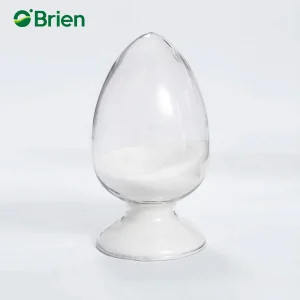
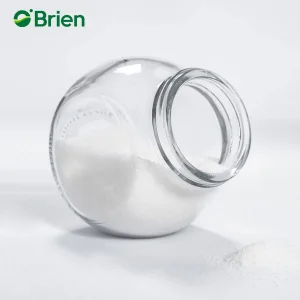
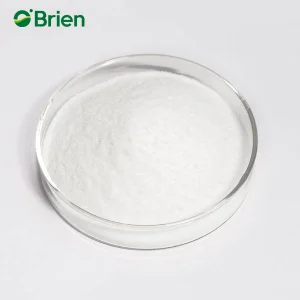
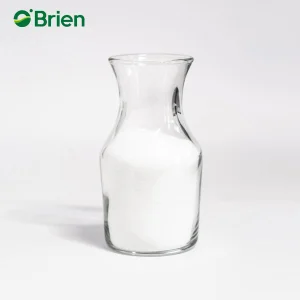
Wholesale Water Treatment Cationic Polyacrylamide Manufacturer & Supplier

Engineered High-Molecular-Weight Synthetic Polymers for Rapid Dewatering, Industrial Effluent Clarification, and Advanced Solid-Liquid Separation Protocols Global Standard Compliance

50,000+
Annual Tons Capacity
10+ Years
Consistent Growth & R&D
ISO 9001
Quality Assurance Certified
80+
Global Export Markets

Primary Flocculant & Polymer Solutions

Direct supply of high-performance Cationic, Anionic, and Nonionic Polyacrylamide formulations for specialized global industrial applications.
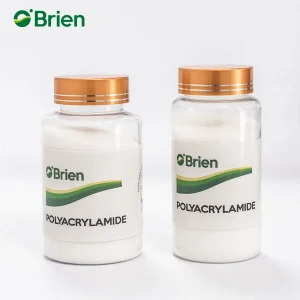
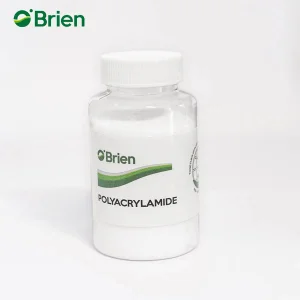
Wholesale Cationic Polyacrylamide (CPAM) for Sludge Dewatering
Wholesale Cationic Polyacrylamide (CPAM) for Sludge Dewatering & Industrial Wastewater Flocculation Supplier, Factories
View Details
China Cationic Polyacrylamide Paper Making Supplier
China Cationic Polyacrylamide Retention & Drainage Aid for Paper Making Industry Supplier, Factories
View Details
Wholesale Cationic Polyacrylamide Powder
Wholesale Cationic Polyacrylamide Powder for Municipal & Industrial Wastewater Treatment Supplier, Suppliers
View Details
China PAM Anionic Polyacrylamide Paper Strength Agent
China PAM Anionic Polyacrylamide Dry & Wet Strength Agent for Paper Industry Manufacturers, Factories
View Details
Wholesale PAM Anionic Polyacrylamide Suppliers
Wholesale PAM Anionic Polyacrylamide Manufacturer, Suppliers
View Details
Wholesale High Molecular Weight Anionic Polyacrylamide
Wholesale High Molecular Weight Anionic Polyacrylamide for Petrochemical & Metallurgical Wastewater Suppliers, Factories
View Details
China Nonionic Polyacrylamide Flocculant Acidic Wastewater
China Nonionic Polyacrylamide Flocculant for Acidic Industrial Wastewater Treatment Manufacturers, Factories
View Details
Wholesale Anionic Polyacrylamide Suppliers
Wholesale Anionic Polyacrylamide Manufacturers, Supplier
View Details

Comprehensive Technical Architecture of Polyacrylamide Polymers

An in-depth whitepaper on chemical synthesis, molecular weight distribution, charge density dynamics, and ionic mechanisms in modern water treatment engineering.

Polyacrylamide (PAM), designated under CAS Registry Number 9003-05-8, represents a crucial class of linear water-soluble synthetic polymers synthesized via the polymerization of acrylamide monomers. In industrial water purification, sludge management, and specialized chemical processing, polyacrylamide products function as high-efficiency flocculants, coagulant aids, rheology modifiers, and friction reducers. As a tier-one China Cationic Polyacrylamide Manufacturer and Global Supplier, Qingdao Oubo Chemical Co., Ltd. applies advanced biological polymerization protocols to yield highly customized ionic configurations designed to address complex solid-liquid separation challenges.

Technical Information Gain Focus: The efficacy of Polyacrylamide is determined by two critical macromolecular metrics: Molecular Weight (MW), spanning from 5 Million to upwards of 18 Million Daltons, and Ionic Charge Density, spanning 10% to 80% cationic charge or 5% to 60% anionic charge. Precision targeting of these chemical parameters dictates settling kinetics, flocs shear resistance, and cake moisture percentage in belt filter presses, centrifuge decanters, and screw presses.

Chemical Classification and Ionic Spectrum

Cationic Polyacrylamide (CPAM)

Copolymerized using acrylamide and cationic monomers such as acryloyloxyethyltrimethyl ammonium chloride (DAC) or methacryloyloxyethyltrimethyl ammonium chloride (DMC). CPAM delivers strong positive electrostatic charge density, neutralizing negatively charged organic colloids found in municipal sewage sludge, food processing effluent, and biological wastewater.

Anionic Polyacrylamide (APAM)

Formed by copolymerizing acrylamide with acrylic acid or sodium acrylate. APAM introduces negatively charged carboxylate groups along the polymer chain, excelling in inorganic mineral processing, heavy metal precipitation, coal washing tailings, and high-turbidity surface water clarification.

Nonionic Polyacrylamide (NPAM)

Homopolymer of acrylamide exhibiting minimal ionic activity. NPAM relies predominantly on hydrogen bonding and polymer chain bridging mechanisms. It exhibits superior performance in acidic wastewater environments, mineral leaching liquors, and high-saline oilfield applications where ionic repulsions degrade charged polymers.

Dual Action Mechanism: Charge Neutralization & Polymeric Bridging

The flocculation mechanism executed by Oubo's Cationic Polyacrylamide operates through a synchronized two-step process:

  1. Electrostatic Charge Neutralization: Suspended organic particles in wastewater typically carry a negative zeta potential ranging from -15 mV to -45 mV. The quaternary ammonium groups on the CPAM chain neutralize these surface charges, collapsing the electrical double layer and suppressing inter-particle repulsive forces.
  2. High Molecular Weight Polymeric Bridging: Long-chain polymer molecules (with chain lengths extending up to several microns in solution) simultaneously adsorb onto multiple colloidal particles. This forms dense, stable, micro-flocs that aggregate into large micro-aggregates capable of withstanding severe mechanical shear during centrifugation or belt pressing.

Industrial Application Protocols & Localized Use Cases

Tailored high-performance polymer dosage engineering for municipal water utilities, pulp mills, oilfields, and mining operations across global markets.

Municipal Sewage & Industrial Sludge Dewatering

Municipal wastewater treatment facilities generate biological activated sludge with high organic content and bound water. Oubo's medium-to-high charge Cationic Polyacrylamide (30% to 60% cationic degree, 8-12 Million MW) neutralizes negative biological charges, releasing bound capillary water.

  • Dewatering Machinery: Centrifuge Decanters, Belt Filter Presses, Screw Presses, Chamber Filter Presses.
  • Operational Benefits: Produces cake dryness exceeding 22%-28% solids, minimizes filtrate turbidity, and lowers polymer consumption per ton of dry solids.

Pulp & Paper Manufacturing wet-End Optimization

In high-speed paper machinery, CPAM functions as a crucial retention and drainage aid. It binds fine fibers, titanium dioxide, calcium carbonate fillers, and starch additives onto the paper sheet network, preventing fiber loss into white water.

  • Wet-End Additives: Functions as an Anionic Trash Scavenger (ATC) and Paper Dry/Wet Strength Agent.
  • Economic Gain: Reduces raw pulp consumption, boosts machine drainage speed by up to 15%, and lowers energy demand in drying sections.

Oilfield Operations & Enhanced Oil Recovery (EOR)

Polyacrylamide plays a vital role in upstream oil and gas exploration. High molecular weight polymers increase the viscosity of injected water in polymer flooding EOR, improving sweep efficiency across heterogeneous oil reservoirs.

  • Drilling & Fracturing: Serves as a shale inhibitor, friction reducer in slickwater fracturing, and fluid-loss control additive.
  • Performance: Maintains rheological stability under high temperature, high shear, and high-saline formation brine conditions.

Mining Tailings & Mineral Processing Separation

In hydrometallurgy and mineral extraction (coal, copper, gold, iron, nickel, alumina), huge volumes of mineral slurry require rapid settling and water recycle loop execution.

  • Tailings Dewatering: Facilitates ultra-fast thickener settling rates, super-clarified overflow water for plant reuse, and stable dry-stack tailing solids.
  • Environmental Compliance: Enables Zero Liquid Discharge (ZLD) protocols in sensitive mining basins.

China Factory Manufacturing Advantage & Global Logistics Backbone

Direct supply from Qingdao Free Trade Zone featuring bio-method synthesis, strict quality control, and robust global delivery networks.

Founded in 2011 and situated in the strategic Free Trade Zone of Qingdao, China, Qingdao Oubo Chemical Co., Ltd. has established itself as an elite global manufacturer of synthetic polymers. Operating advanced bio-method monomer polymerization facilities, Oubo maintains an annual polyacrylamide capacity exceeding 50,000 Metric Tons.

Biological Monomer Synthesis

Utilizing patented microbiological enzymatic conversion to produce acrylamide monomer. This process yields monomer purity above 99.9% with exceptionally low residual acrylamide levels (<0.05%), ensuring safe handling and superior polymer chain linearity.

Global Raw Material Integration

Partnering with world-class petrochemical leaders like SINOPEC and Eni guarantees raw material purity and batch consistency. Fully automated continuous polymer production lines eliminate batch-to-batch variations.

Qingdao Port Logistics Hub

Our location in the Qingdao Free Trade Zone offers direct sea transport access. We provide fast customs clearance, zero port-delay storage, and efficient export packaging for seamless international container shipping.

3-Stage Quality Assurance System (ISO 9001:2008 Certified)

Every single batch of Oubo Polyacrylamide undergoes stringent quality control testing before shipment:

  • Stage 1: Raw Material Purity & Enzymatic Activity Assay prior to polymerization reaction start.
  • Stage 2: In-Line Molecular Weight, Hydrolysis Degree, and Solution Viscosity Verification during drying and grinding.
  • Stage 3: Triple-sample QC Laboratory Analysis (Dissolution rate, insoluble matter residue, mesh particle size distribution) with COA issued for every lot.

Global Procurement Specifications & OEM Packaging Logistics

Customized chemical formulation, private labeling, and multi-tier moisture-barrier packaging compliant with international maritime and safety standards.
International Compliance & Regulatory Certifications

To support global supply chains, Oubo Chemical products comply with stringent environmental and industrial regulations across North America, Europe, Southeast Asia, and the Middle East:

  • EU REACH Compliance: Registered for safe import across the European Economic Area.
  • ISO Management System: ISO 9001:2008 Certified Quality Management System ensuring batch traceability.
  • NSF / ANSI Standard 60: Standardized formulations suitable for potable water treatment plants.
  • Custom Chemical Compounding: Tailored charge density (10% to 80%), customized molecular weights, anti-caking additives, and precise granulate sizes (20-100 mesh).

Future Industry Trends & Sustainable Polymer Technologies

Advancing green polymer chemistry, Zero Liquid Discharge (ZLD) optimization, and AI-driven automated dosing integration.

1. Green Bio-Based Acrylamide

Pioneering next-generation low-carbon bio-monomer synthesis. Reduces carbon footprint in polymer manufacturing while maintaining high molecular weight stability and ultra-low residual monomer content.

2. AI & Smart Dosing Integration

Modern wastewater plants integrate online streaming current monitors (SCD) and zeta-potential sensors with automated polymer dosing systems, adjusting CPAM flow rates in real-time to eliminate over-dosing.

3. High-Saline Shear Resistant CPAM

Specially structured hydrophobic modified Cationic Polyacrylamide (HMPAM) designed for offshore oilfields and ultra-high TDS industrial effluents, preventing polymer chain degradation in tough environments.

Frequently Asked Questions (Technical & Procurement FAQ)

Expert answers to critical operational, chemical selection, dissolving, and bulk purchasing questions.

How do I select the correct cationic charge degree for sludge dewatering?
Selecting the optimal cationic degree depends on the organic ratio (volatile solids content) of the sludge. High-organic sludge (e.g., municipal activated sludge, biological food processing sludge with organic content > 70%) typically requires a medium-to-high cationic degree (30% to 60%). Low-organic industrial sludge or primary physical-chemical sludge requires a lower cationic degree (10% to 20%). Jar testing and lab trials are highly recommended to determine the ideal dosage and charge density.
What is the standard procedure for dissolving dry Polyacrylamide powder?
Polyacrylamide dry powder must be dissolved in clean water (tap water or filtered water) at a concentration of 0.1% to 0.3% (w/v). Slowly disperse the powder into the vortex of stirring water to prevent 'fish-eye' clumping. Maintain low-shear stirring (200-400 RPM) for 45 to 60 minutes until fully dissolved. Avoid high-shear pumps or excessive mechanical agitation, which can shear the long polymer chains and reduce efficiency.
What is the shelf life of solid PAM powder and prepared polymer solution?
Dry polyacrylamide powder has a shelf life of 24 months when stored in original, unopened moisture-proof packaging in a cool, dry, well-ventilated area. Once prepared in aqueous solution, Cationic Polyacrylamide (CPAM) solutions should be used within 24 to 48 hours, while Anionic (APAM) solutions remain stable for up to 5 to 7 days. Hydrolysis and microbial degradation will gradually decrease solution viscosity over time.
Why choose Qingdao Oubo Chemical Co., Ltd. over trading companies?
Qingdao Oubo Chemical Co., Ltd. is a direct manufacturer with an annual capacity exceeding 50,000 tons operating out of the Qingdao Free Trade Zone. By purchasing direct from our factory, global buyers eliminate intermediary markups, gain direct access to our technical application engineering team, receive free jar-test sample matching, and enjoy guaranteed batch-to-batch quality supported by ISO9001 certification.
Can Oubo provide custom packaging and private label OEM support?
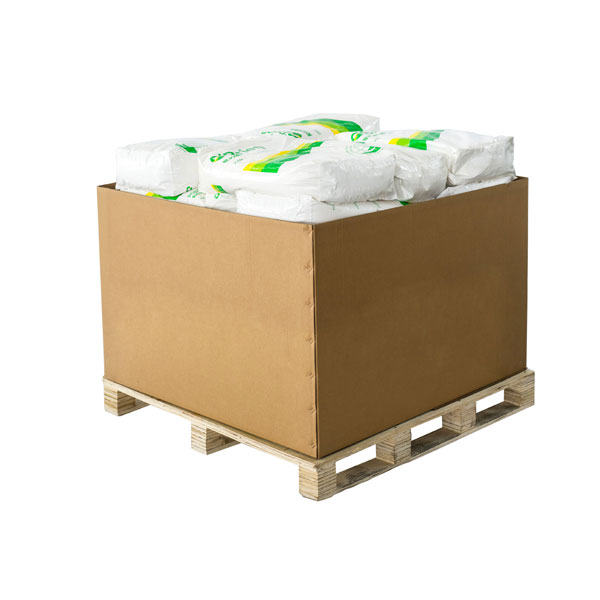
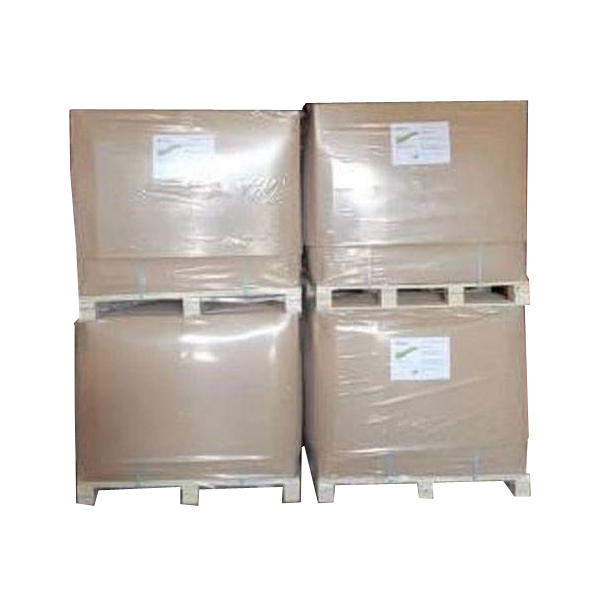
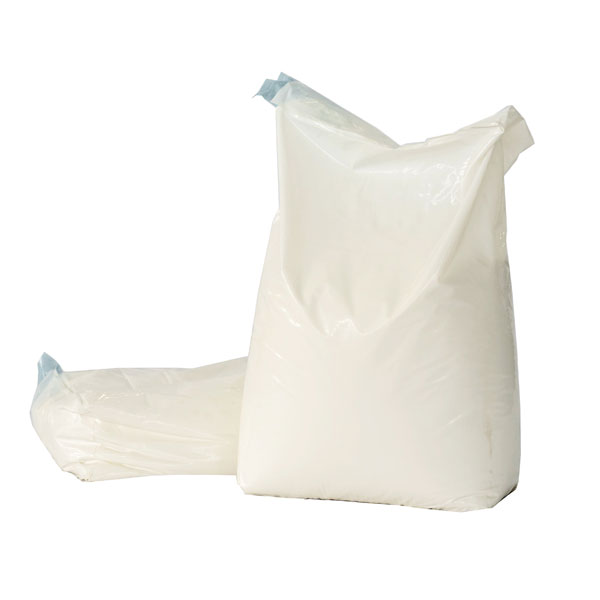
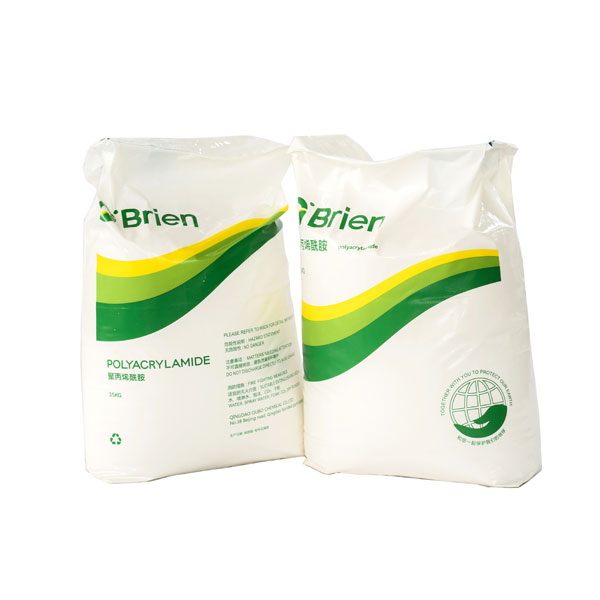
Yes. We offer fully customized OEM packaging options including neutral blank 25kg Kraft paper bags, branded O'Brien bags, 750kg/800kg jumbo super sacks, palletized wrapping with corner protectors, and customized multi-language hazard and specification labeling to meet global destination import regulations.

Comprehensive Polymer Catalog & Industrial Polyacrylamide Range

Explore our complete product lineup engineered for mining, textile effluent, paper wet-end, and drilling fluid applications.
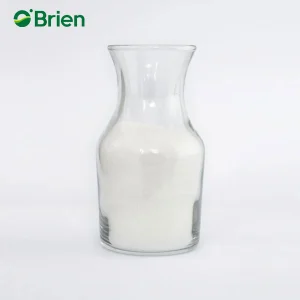
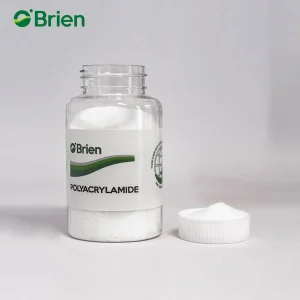
China Nonionic Polyacrylamide Suppliers
China Nonionic Polyacrylamide Manufacturers, Supplier
View Details
Wholesale Nonionic Polyacrylamide (NPAM) for Mineral Processing
Wholesale Nonionic Polyacrylamide (NPAM) for Mineral Processing & Metallurgical Ore Dressing Suppliers, Factories
View Details
Wholesale Cationic Polyacrylamide Flocculant for Textile
Wholesale Cationic Polyacrylamide (CAS 9003-05-8) Flocculant for Textile & Dyeing Wastewater Manufacturer, Supplier
View Details
China Cationic Polyacrylamide Manufacturer Supplier
China Cationic polyacrylamide Manufacturer, Supplier
View Details
Wholesale High Molecular Weight Nonionic Polyacrylamide for Coal Washing
Wholesale High Molecular Weight Nonionic Polyacrylamide for Coal Washing & Tailings Dewatering Manufacturers, Suppliers
View Details
Wholesale Anionic Polyacrylamide Powder Flocculant for Food Processing
Wholesale Anionic Polyacrylamide Powder Flocculant for Food Processing & Sugar Refining Wastewater Manufacturer, Factories
View Details
Wholesale Anionic Polyacrylamide (APAM) for Municipal Sewage
Wholesale Anionic Polyacrylamide (APAM) for Municipal Sewage Treatment & Sludge Dewatering Manufacturers, Suppliers
View Details
China Nonionic Polyacrylamide Thickener Oilfield
China Nonionic Polyacrylamide (PAM) Thickener for Oilfield Drilling Fluid Manufacturers, Suppliers
View Details

Why Partner with Oubo Chemical (O'Brien Brand)

At Qingdao Oubo Chemical Co., Ltd., our strategic commitment revolves around continuous technological innovation, robust quality assurance, and oriented customer satisfaction. By combining over 10 years of manufacturing experience, an annual R&D investment exceeding €2 Million, and direct access to Qingdao Free Trade Zone maritime logistics, we empower global industrial and municipal clients to optimize solid-liquid separation while protecting our planet's water resources.