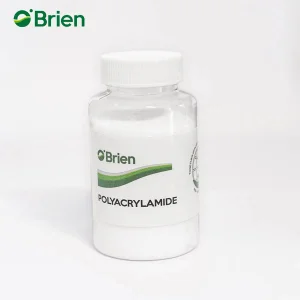
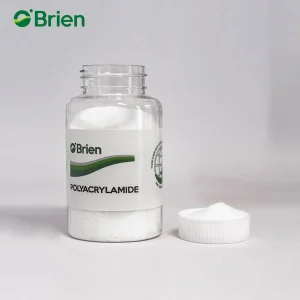
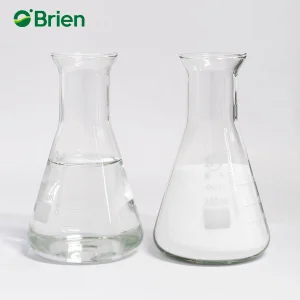
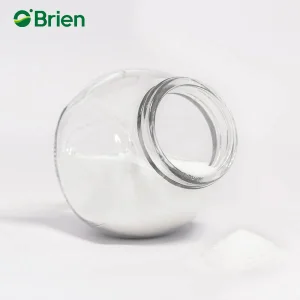
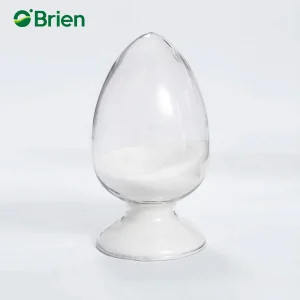
Wholesale Anionic Polymer Flocculant Manufacturers & Factories

Global Chemical Engineering Whitepaper: Advanced Anionic Polyacrylamide (APAM) Synthesis, Industrial Water Dewatering, Mining Tailings & Supply Chain Intelligence
Featured Industrial Products

High-Performance Polymer Solutions Portfolio

Engineered specifically for demanding solid-liquid separation, mineral extraction, municipal sludge treatment, and paper manufacturing worldwide.
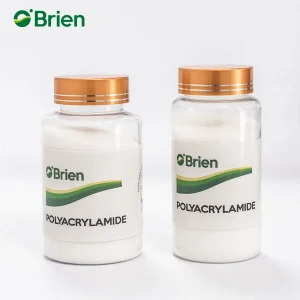
Wholesale Cationic Polyacrylamide (CPAM) for Sludge Dewatering & Industrial Wastewater Flocculation Supplier, Factories
Cationic Polyacrylamide (CPAM) for Sludge Dewatering
View Specifications
China Nonionic Polyacrylamide (PAM) Thickener for Oilfield Drilling Fluid Manufacturers, Suppliers
Nonionic Polyacrylamide Thickener for Drilling Fluid
View Specifications
China Cationic Polyacrylamide Retention & Drainage Aid for Paper Making Industry Supplier, Factories
Cationic PAM Retention & Drainage Aid for Paper
View Specifications
Wholesale Nonionic Polyacrylamide (NPAM) for Mineral Processing & Metallurgical Ore Dressing Suppliers, Factories
Nonionic Polyacrylamide (NPAM) for Mineral Processing
View Specifications
Wholesale Anionic Polyacrylamide Manufacturers, Supplier
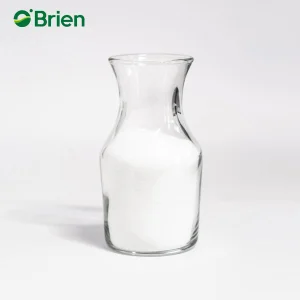
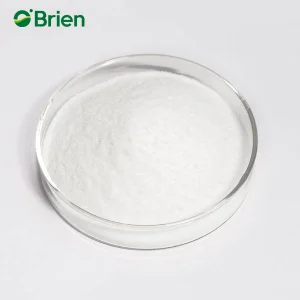
Wholesale Anionic Polyacrylamide (APAM) Granules
View Specifications
China PAM Anionic Polyacrylamide Dry & Wet Strength Agent for Paper Industry Manufacturers, Factories
Anionic Polyacrylamide Dry & Wet Strength Agent
View Specifications
Wholesale PAM Anionic Polyacrylamide Manufacturer, Suppliers
Industrial Grade Anionic Polyacrylamide Flocculants
View Specifications
Wholesale Anionic Polyacrylamide (APAM) for Municipal Sewage Treatment & Sludge Dewatering Manufacturers, Suppliers
APAM for Municipal Sewage & Dewatering
View Specifications
Macro Market Intelligence

Global Commercial & Industrial Landscape of Anionic Polyacrylamide

Anionic Polyacrylamide (APAM) stands as the cornerstone chemical architecture for global industrial solid-liquid separation. As industrial water stewardship tightens globally under strict Zero Liquid Discharge (ZLD) frameworks and ESG compliance metrics, the strategic demand for high-efficiency, ultra-high molecular weight anionic polymer flocculants has accelerated. Global procurement leaders in mining, municipal sewage infrastructure, energy production, and pulp & paper manufacturing require more than chemical supply—they demand engineered, application-tailored polymer solutions that guarantee floc formation speed, shear resistance, and moisture reduction in sludge cakes.

50,000+
Metric Tons Annual Capacity
10-30M
Molecular Weight (Daltons) Range
< 0.05%
Ultra-Low Acrylamide Monomer Residual
3x QC
Rigorous Batch Testing Protocol

Information Gain Insight: Modern anionic polyacrylamide performance is no longer dictated solely by raw molecular weight. The interaction dynamics between functional carboxylate (-COO⁻) groups, monomer block distribution, and charge density tailored to background ionic strength (e.g., Ca²⁺, Mg²⁺ concentrations) determine whether flocculation achieves maximum settling rates or collapses under shear stress.

Evolving Trends in Anionic Polymer Engineering

The global anionic flocculant market is undergoing a paradigm shift driven by three primary industrial imperatives:

  • Biological Monomer Synthesis: Transitioning from traditional chemical hydration (catalytic nitrile conversion via copper) to third-generation biological enzymatic conversion. This eliminates trace copper ions, reduces side-reaction byproducts, and yields exceptionally pure acrylamide monomers.
  • Tailored Charge Hydrolysis (10% - 80%): Fine-tuning the degree of hydrolysis allows precise target matching to suspended solid surface potentials (Zeta Potential control), drastically reducing chemical overdosing.
  • Shear-Stable Molecular Architectures: Synthesizing high-molecular-weight hyper-linear and cross-linked chain structures that withstand high-shear pumping environments in deep-cone thickeners and decanter centrifuges.
Technical Excellence & Chemical Mechanisms

Molecular Engineering of Anionic Polyacrylamide (APAM)

Polyacrylamide (PAM) is a water-soluble linear polymer synthesized from acrylamide monomers. In its anionic form (APAM), acrylamide is copolymerized with acrylic acid salts or hydrolyzed to introduce negatively charged carboxylate groups along the polymer backbone. Understanding the specific physical-chemical mechanism ensures optimal selection for municipal and industrial applications.

Interparticle Bridging Mechanism

APAM features long polymer chains (molecular weight up to 30 Million Daltons). When added to slurries, individual polymer chains adsorb onto multiple suspended particles simultaneously, forming massive, dense micro-flocs that settle rapidly under gravity.

Charge Neutralization & Repulsion

Negatively charged carboxylate groups stretch the polymer configuration in aqueous solution due to intra-chain electrostatic repulsion. This extended conformation maximizes reaching distance, while double-layer compression destabilizes positively charged mineral colloids.

Synergistic Coagulation

When paired with inorganic coagulants such as Polyaluminum Chloride (PAC) or Ferric Sulfate, APAM acts as a secondary flocculant aid, binding micro-flocs into heavy, compact aggregates suitable for belt filter presses and centrifuges.

Anionic Polyacrylamide Technical Parameter Decision Matrix

Selecting the exact APAM grade requires balancing molecular weight against ionic charge density based on effluent pH, TDS (Total Dissolved Solids), and slurry solids percentage:

Parameter Grade Molecular Weight (MDa) Degree of Hydrolysis (%) Solid Content (%) Dissolution Time Primary Industrial Target
Ultra-High MW APAM 22.0 – 30.0 Million 20% – 30% Low-Med ≥ 88% Granular 40 – 50 mins Mineral Dressing, Coal Washing Tailings
High MW Standard APAM 16.0 – 22.0 Million 25% – 35% Medium ≥ 89% Granular 45 – 60 mins Municipal Wastewater Primary Clarification
High Hydrolysis APAM 12.0 – 18.0 Million 40% – 60% High ≥ 88% Granular 35 – 45 mins Red Mud Settling (Bayer Process), Alkaline Effluents
EOR Grade Polymer 18.0 – 25.0 Million 15% – 25% Controlled ≥ 90% Powder 50 – 60 mins Enhanced Oil Recovery (High Salt & Temp Stability)
Drinking Water Grade APAM 14.0 – 20.0 Million 20% – 30% Medium ≥ 89% Granular 40 – 50 mins Potable Water Treatment (Monomer < 0.05%)
Industry 4.0 Supply Chain Advantage

China Factory 4.0: Scalability, Precision & Logistics Resilience

Located strategic in the Free Trade Zone of Qingdao, China, Qingdao Oubo Chemical Co., Ltd. represents the modern standard of chemical manufacturing. Established in 2011, Oubo has expanded its annual polyacrylamide production capacity past 50,000 Metric Tons, serving enterprise clients across North America, Europe, Southeast Asia, and the Middle East.

Patented Biological Polymerization

Oubo utilizes advanced biological methods for acrylamide monomer synthesis. Backed by extensive R&D investment (over €2 Million annually), our zero-impurity process ensures minimal chain branching, extremely high purity, and consistent batch-to-batch dissolution kinetics.

Global Raw Material Integration

Quality begins at monomer origination. Oubo partners directly with global chemical giants including SINOPEC and Eni. Raw materials undergo stringent pre-synthesis inspection to eliminate trace heavy metals and inhibitors.

ISO 9001:2008 & 3-Stage QC Protocol

Every manufacturing line operates on automated PLC feedback loops. Every single batch is sampled and tested 3 times (polymerization gel index, powder screen granularity, and 0.1% aqueous solution viscosity) prior to final packaging approval.

Free Trade Zone Logistics Efficiency: Operating inside Qingdao Free Trade Zone grants Oubo unprecedented export speed. With immediate access to deep-water maritime shipping routes, bulk orders achieve reduced transit lead times, zero customs delay, and flexible multi-currency trade facilitation.

Localized Application Scenarios

Targeted Field Applications & Performance Engineering

Anionic Polyacrylamide functions as an indispensable process aid across diverse heavy industries. Oubo's dedicated technical team provides custom polymer matching based on substrate composition and plant machinery.
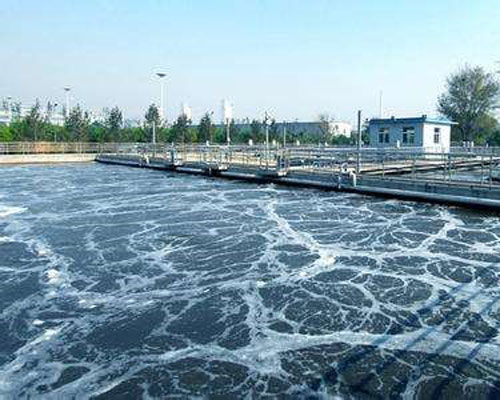
Municipal Wastewater Treatment

Municipal & Industrial Wastewater

Accelerates primary clarification and gravity thickener settling. APAM neutralizes colloidal charge, rapidly binding organic fines to achieve crystal-clear supernatant clarity and lower effluent Total Suspended Solids (TSS).
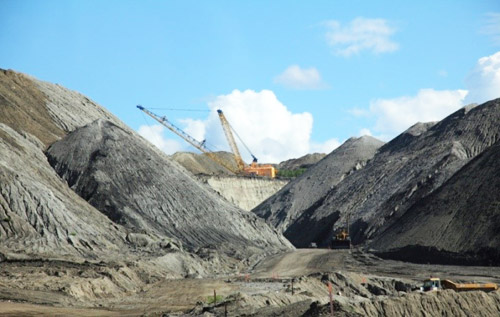
Mining and Mineral Processing

Mining & Ore Dressing

Essential for coal slurry washing, tailings dewatering, and copper/gold/iron hydrometallurgy. High molecular weight APAM accelerates thickener underflow densities, allowing rapid process water recycle back to grinding circuits.
Oilfield Drilling & EOR

Oil & Gas EOR / Drilling Fluids

Functions as a key mobility control polymer for Enhanced Oil Recovery (EOR), profile control, and drilling mud fluid-loss reduction. Exhibits superior thermal tolerance and shear resistance under high salinity reservoir conditions.
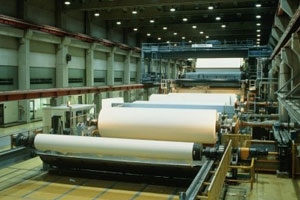
Paper & Pulp Industry

Pulp & Paper Manufacturing

Serves as a wet-end retention agent, filter aid, and dry/wet strength enhancer. APAM improves short-fiber retention, reduces filler loss, and optimizes white water clarification in high-speed paper machinery.
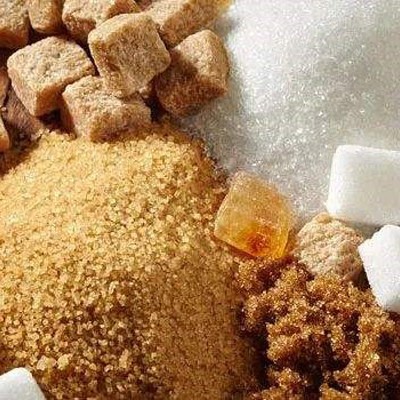
Sugar & Food Processing

Sugar Refining & Food Processing

Used in juice clarification and floatation processes during sugar cane and beet extraction. Food-grade APAM ensures low residual acrylamide levels for strict sanitary and regulatory compliance.
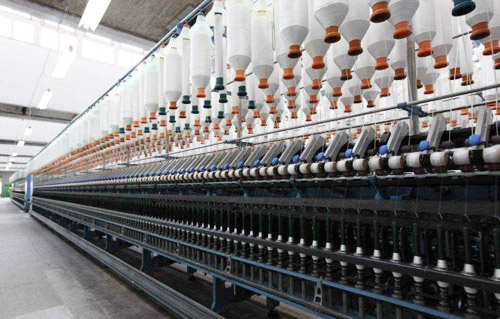
Textile Sizing and Dyeing Effluents

Textile Sizing & Dyeing Effluent

Acts as an efficient sizing agent for fabric weave protection, while rapidly decolorizing and flocculating heavy dye residues, suspended solids, and COD from complex textile printing wastewater streams.

Industrial Packaging & Handling Standards

Packaging Customization & Global Logistics Solutions

Proper packaging and dissolution equipment management are critical to maintaining polymer activity and shelf stability during ocean freight and multi-month storage.

Standard 25kg Craft Bags

Triple-layer composite kraft paper bags featuring an internal PE moisture-barrier liner. Protects granular dry polymer against ambient humidity, preventing premature caking or agglomeration.

Bulk Ton Jumbo Bags

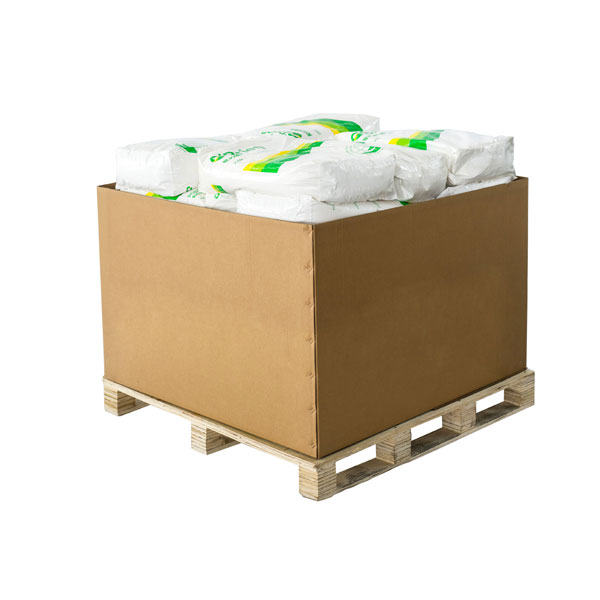
750kg and 1000kg heavy-duty FIBC Jumbo Bags equipped with bottom discharge spouts. Ideal for high-consumption industrial plants utilizing automated dry polymer feeding hoppers.

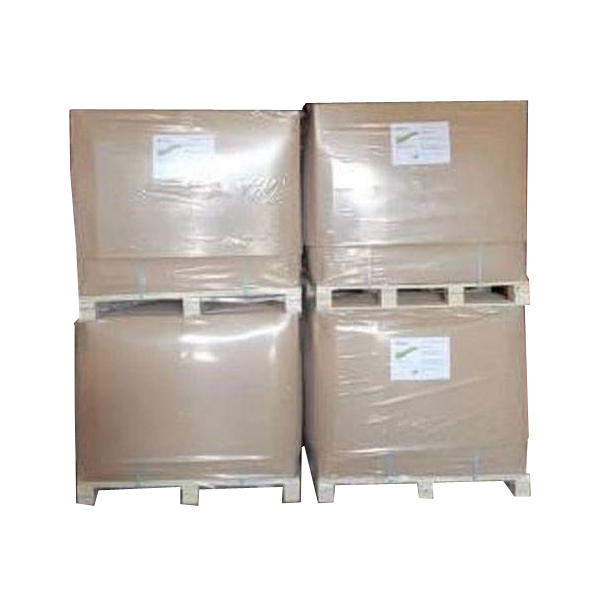
Palletization & Shrink Wrapping

All export goods are fumigation-free palletized, edge-protected, and stretch-wrapped in heavy plastic wrap to withstand sea transport, rough container handling, and tropical climate humidity.
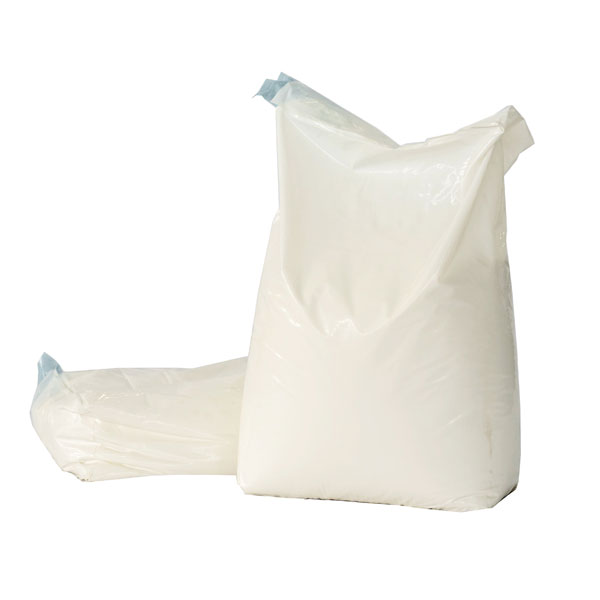
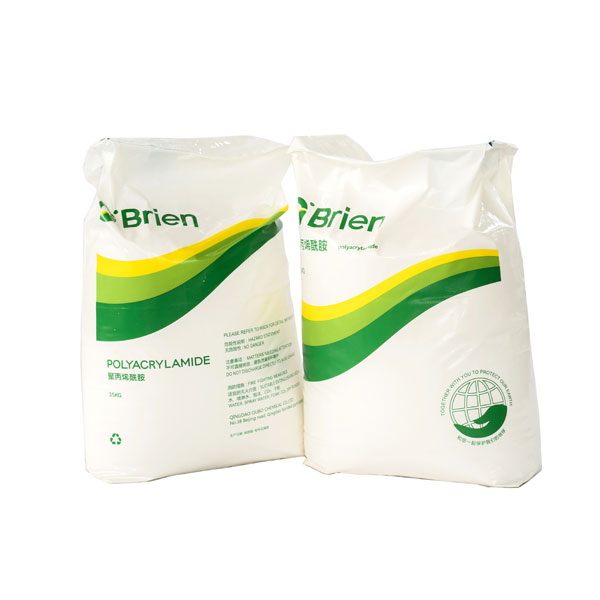
Blank Packaging Bag
Custom Blank Neutral Bag Options
Normal Standard Printed Bag
Standard Brand Printed Bag
Polymer Bag Storage
Bulk Storage Reinforced Packaging
Palletized Delivery Container
Export Container Palletization
Frequently Asked Questions

Industrial Procurement & Technical Engineering FAQ

Q: How do I determine whether my process requires Anionic, Cationic, or Nonionic Polyacrylamide?
A: The selection depends primarily on the electrical charge of the suspended particles in your water stream. Inorganic mineral slurries (such as clay, sand, tailings, and metal oxides) generally carry positive or neutral surface charges at alkaline to neutral pH, making Anionic Polyacrylamide (APAM) the ideal choice. Organic sludges (such as biological activated sludge from municipal plants) possess negative charges, requiring Cationic Polyacrylamide (CPAM). Nonionic (NPAM) is preferred under strongly acidic conditions or complex mineral leach solutions.
Q: What is the recommended dissolution concentration and preparation protocol for APAM granules?
A: Granular APAM should be dissolved to an aqueous concentration of 0.1% to 0.3% (w/v). Water temperature should ideally be between 20°C and 40°C. Cold water (<10°C) retards dissolution, while excessive heat (>50°C) causes thermal degradation of the polymer backbone. Stirring should maintain moderate velocity (200 – 400 RPM); high-shear impellers will chop polymer chains, severely reducing flocculation performance.
Q: What sets Oubo Chemical's biological monomer synthesis apart from standard chemical processes?
A: Traditional chemical synthesis relies on copper catalysis to convert acrylonitrile to acrylamide, leaving residual copper ions and organic impurities that induce undesirable side-chain branching. Oubo's patented bio-catalytic enzymatic process operates at ambient temperatures with near 100% conversion efficiency. This yields strictly linear acrylamide chains, higher ultimate molecular weights (up to 30M Daltons), faster dissolution rates, and extremely low monomer toxicity residuals (<0.05%).
Q: What is the typical shelf life of dry APAM powder versus a stock liquid solution?
A: Unopened dry granular APAM stored in cool, dry conditions away from moisture has a certified shelf life of 24 months. Once dissolved in stock solution, the diluted polymer begins undergoing natural shear and hydrolysis degradation. Anionic stock solutions retain full potency for 3 to 7 days depending on water quality, TDS, and storage temperature.
Q: Can Oubo Chemical provide customized charge densities and molecular weights for specific project tenders?
A: Yes. As a direct manufacturer with a dedicated technical R&D center, Oubo provides custom tailormade formulation services. We can adjust the hydrolysis degree anywhere from 10% to 80% and synthesize targeted molecular weights to match specific client bid specifications, substrate viscosity requirements, or centrifuge machinery parameters.
Q: How does water salinity and hardness affect Anionic Polymer flocculation dosage?
A: High concentrations of divalent cations (such as Ca²⁺ and Mg²⁺) compress the electrical double layer of the polymer chain. While moderate ion levels facilitate charge bridging, extreme salinity can coil the polymer, reducing its effective physical reach. In saline environments, selecting an APAM grade with optimized carboxylate distribution or higher molecular weight compensates for chain coiling.
Q: Does Oubo offer OEM packaging and private labeling for international chemical distributors?
A: Absolutely. We support global distributors with full OEM packaging services, including customized neutral blank bags, client logo artwork printing, pallet customization, private label COAs (Certificates of Analysis), and MSDS documentation aligned with regional GHS regulations.
Q: How can global clients request lab-scale samples for jar testing prior to bulk ordering?
A: Oubo provides free 500g lab testing samples to accredited industrial clients and municipal contractors worldwide. Contact our engineering team via your account representative, supply your wastewater composition details, and our lab will dispatch tailored polymer samples via international express courier within 48 hours.
Complete Industrial Product Range

Explore Additional Specialized Flocculant Products

Review our full line of specialized cationic, anionic, and nonionic polymers manufactured in our Qingdao FTZ plant.
Wholesale Cationic Polyacrylamide (CAS 9003-05-8) Flocculant for Textile & Dyeing Wastewater Manufacturer, Supplier
Cationic Polyacrylamide for Textile Effluents
View Specifications
Wholesale High Molecular Weight Anionic Polyacrylamide for Petrochemical & Metallurgical Wastewater Suppliers, Factories
High MW Anionic Polyacrylamide Petrochemical
View Specifications
Wholesale High Molecular Weight Nonionic Polyacrylamide for Coal Washing & Tailings Dewatering Manufacturers, Suppliers
Nonionic Polyacrylamide for Coal Tailings
View Specifications
China Nonionic Polyacrylamide Flocculant for Acidic Industrial Wastewater Treatment Manufacturers, Factories
NPAM Flocculant for Acidic Wastewater
View Specifications
Wholesale Cationic Polyacrylamide Powder for Municipal & Industrial Wastewater Treatment Supplier, Suppliers
Cationic Polyacrylamide Powder Wastewater
View Specifications
China Nonionic Polyacrylamide Manufacturers, Supplier
China Nonionic Polyacrylamide Supplier
View Specifications
China Cationic polyacrylamide Manufacturer, Supplier
China Cationic Polyacrylamide Factory Direct
View Specifications
Wholesale Anionic Polyacrylamide Powder Flocculant for Food Processing & Sugar Refining Wastewater Manufacturer, Factories
APAM Flocculant for Food & Sugar Refining
View Specifications