Engineered for High Salinity, High Shear, and Extreme Temperature Oilfield Conditions
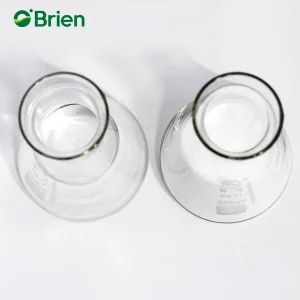
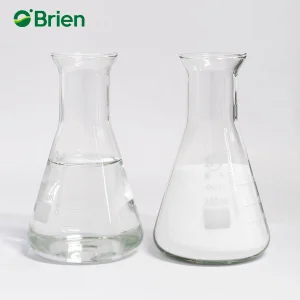
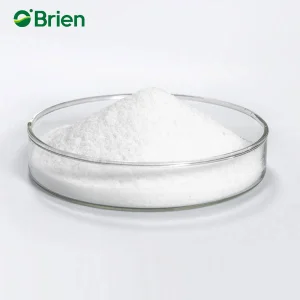
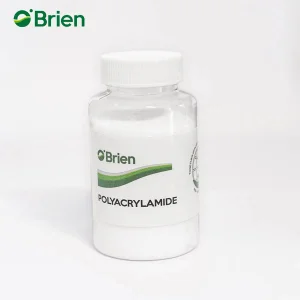
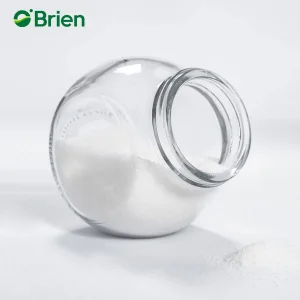
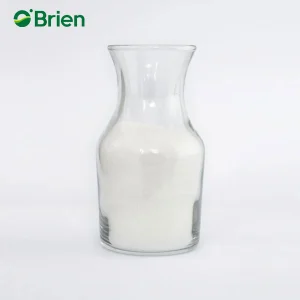
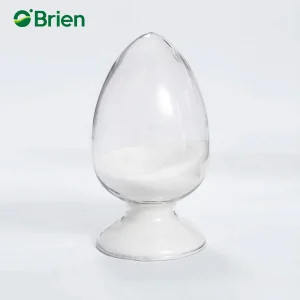
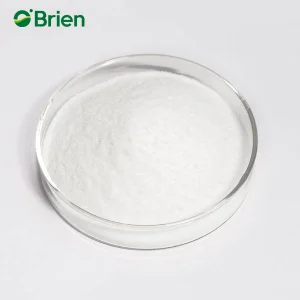
Anionic Polyacrylamide (APAM) is a water-soluble, high-molecular-weight linear synthetic polymer formed via the copolymerization of acrylamide monomers and acrylic acid salts, or through the partial hydrolysis of polyacrylamide. In the petroleum extraction and refinery spectrum, APAM serves as a foundational chemical agent due to its exceptional viscosity-enhancing properties, negative ionic surface charge density, high flocculation efficiency, and rheological control capability.
Technical Paradigm Shift: Modern petroleum manufacturing demands ultra-high molecular weight APAM (up to 30 Million Daltons) capable of maintaining structural stability under extreme shear rates, elevated formation temperatures (up to 120°C), and hyper-saline brine environments exceeding 200,000 ppm TDS (Total Dissolved Solids).
The degree of hydrolysis determines the carboxyl group percentage ($-\text{COO}^-$) along the polymer backbone. For crude oil recovery and drilling fluids, APAM hydrolysis ranges strictly between 15% and 40%. Proper carboxyl density facilitates optimal chain expansion via electrostatic repulsion, maximizing hydrodynamic volume without inducing excessive cation sensitivity.
Unlike traditional chemical synthesis pathways utilizing heavy copper catalysts, our patented biological enzymatic process produces ultra-pure acrylamide monomer. This prevents micro-gel formation, drastically lowers chemical impurities (acrylic acid dimer <0.05%), and ensures linear polymer chain integrity essential for reach-extended reservoir penetration.
In petrochemical wastewater treatment, APAM operates via adsorption bridging. Long-chain molecules absorb onto suspended colloidal oily particles, neutralized partially by inorganic coagulants, creating large, rapid-settling flocs capable of withstanding industrial mechanical shear in decanter centrifuges and dissolved air flotation (DAF) units.
| Parameter / Technical Grade | High Molecular Weight (EOR Grade) | Ultra-High Molecular Weight (Friction Reducer) | Standard Petrochemical Wastewater Grade |
|---|---|---|---|
| Molecular Weight (Million Daltons) | 18.0 - 25.0 Million | 22.0 - 28.0 Million | 8.0 - 15.0 Million |
| Hydrolysis Degree (%) | 20% - 30% | 15% - 25% | 25% - 40% |
| Solid Content (%) | ≥ 89.0% | ≥ 90.0% | ≥ 88.0% |
| Dissolution Time (Minutes) | ≤ 60 min (in pure water) | ≤ 45 min (liquid emulsion form ≤ 2 min) | ≤ 50 min |
| Insoluble Content (%) | ≤ 0.15% | ≤ 0.10% | ≤ 0.20% |
| Monomer Residual (%) | ≤ 0.05% | ≤ 0.05% | ≤ 0.05% |
The global oil and gas sector is undergoing a structural transition toward resource efficiency, reduced carbon intensity, and optimized chemical consumption. As mature oilfields enter secondary and tertiary recovery phases, the demand for high-performance Anionic Polyacrylamide has escalated rapidly across major global oil basins (Middle East, North America, Permian Basin, North Sea, and Southeast Asia).
Waterflooding methods leave up to 60-70% of original oil in place (OOIP). EOR techniques using APAM polymer flooding increase sweep efficiency by altering water-oil mobility ratios. Global oil field operators are standardizing high-concentration APAM injection schemes to unlock bypassed oil in heterogeneous reservoirs.
Hydraulic fracturing operations rely on APAM-based friction reducers to minimize pipe pressure drops during high-rate slurry pumping. Procurement managers require instant-dissolving liquid polyacrylamide emulsions and granular powders that deliver high drag reduction at lower dosages.
Refineries and petrochemical factories face rigorous environmental mandates regarding produced water re-injection and wastewater discharge. High-efficiency APAM polymer flocculants are critical in accelerating oily sludge separation and reducing chemical oxygen demand (COD) in refinery effluent systems.
Petroleum chemical buyers prioritize direct partnership with integrated manufacturers capable of guaranteed volume availability, batch-to-batch consistency, raw material price stability (leveraging direct supply contracts with petrochemical leaders like SINOPEC and Eni), and swift international logistics execution.
Engineering Reliability Across Upstream Drilling, Midstream Transport, and Downstream Refining
Injecting high-viscosity APAM solutions levels the displacement front between injection water and reservoir crude oil. Our specialized salt-tolerant APAM polymers mitigate viscosity degradation caused by divalent ions ($\text{Ca}^{2+}$, $\text{Mg}^{2+}$), boosting total oil displacement efficiency by 10% to 20% compared to conventional waterflooding.
In oilfield drilling fluids, APAM acts as a mud thickener, fluid loss reducer, and shale encapsulator. It coats drill cuttings to prevent hydration and dispersion, lubricates drill bits, prevents wellbore collapse, and maintains high cutting-carrying capability under deep-hole circulation forces.
Refinery wastewater contains emulsified oil, heavy hydrocarbons, and suspended solids. Our high-charge APAM powder rapid-flocculates emulsified flocs during dissolved air flotation (DAF), allowing factories to achieve crystal clear water discharge standards and low moisture sludge cakes.
Over a Decade of Polymer Synthesis Innovation, World-Class QA Systems, and Global Scale
Established in 2011 inside the Qingdao Free Trade Zone, China, Qingdao Oubo Chemical Co., Ltd (brand name O'Brien) has maintained a continuous annual business growth rate exceeding 10%. With automated production lines and an annual PAM capacity breaking through 50,000 Tons, we ensure uninterrupted global supply.
All materials are ethically sourced from tier-one global energy chemical leaders such as SINOPEC and Eni. Quality management operates under strict ISO9001:2008 certification, where every batch undergoes 3 rigorous lab inspections prior to dispatch.
Oubo Chemical invests over €2,000,000 into technical research and polymer accumulation every single year. Our proprietary bio-synthesis process for acrylamide monomer production carries active patent applications, delivering superior molecular linearity and minimal acrylic acid residue.
Our dedicated technical support team accompanies clients across all stages: pre-sales fluid compatibility screening, lab jar testing, dynamic displacement simulation, factory field trial execution, and ongoing post-sales optimization.
Tailored Polyacrylamide Solutions Across Diverse Industrial Ecosystems
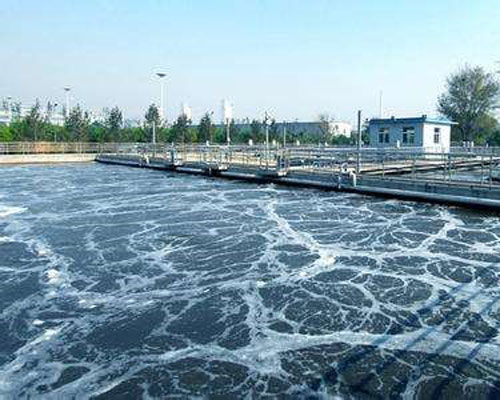
Flocculating agent for sedimentation, clarification, and sludge dewatering across municipal sewage, leather, paper, dyeing, and pharmaceutical plants.
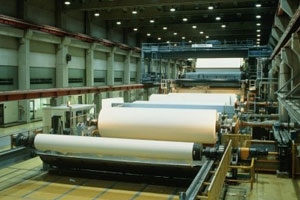
Dry/wet strength agents, retention aids, anionic garbage catchers, and paper dispersants that enhance fiber retention and paper uniformity.
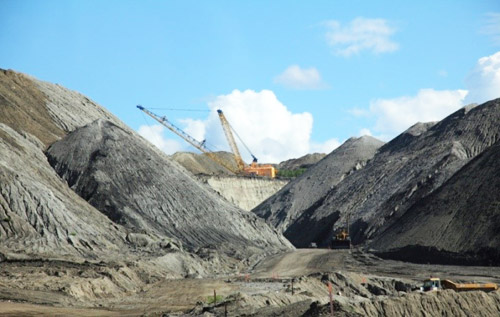
Solid-liquid separation, tailings dewatering, and mineral washing flocculants tailored for coal, gold, silver, iron, copper, and nickel extraction.
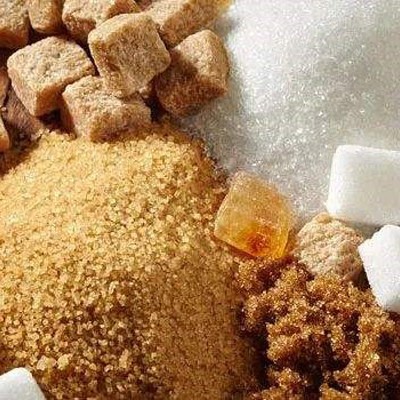
Accelerated juice clarification and flotation additives ensuring high sugar yield and clear liquor separation in cane and beet sugar mills.

Textile sizing agents, fabric finishing treatments, and fast-settling dye wastewater decolorization flocculants.
Enhanced oil recovery (EOR), profile plugging, high-efficiency friction reduction, drilling fluid mud thickening, and oil sands remediation.
Exporting chemical polymers requires rigorous attention to moisture barrier packaging, container payload optimization, and local regulatory compliance across major international ports. Oubo Chemical provides comprehensive customized packaging solutions to suit long-distance ocean freight, tropical storage humidity, and automated field dosing systems.
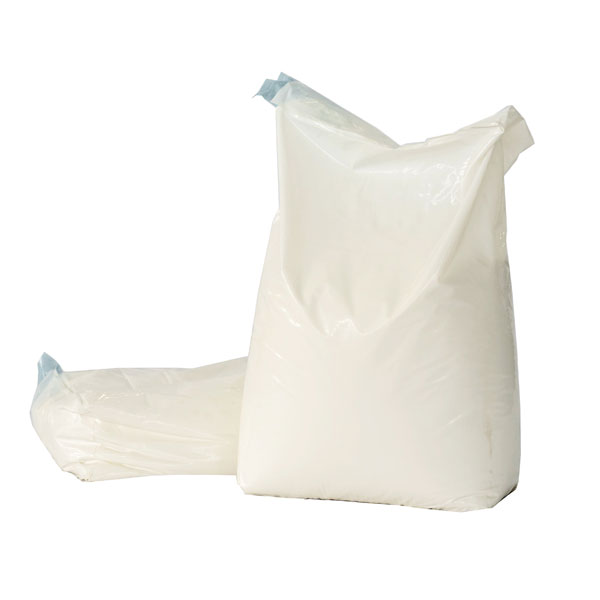
Unbranded 25kg PE inner lined craft paper bags designed for private label distributors and oilfield chemical compounding factories.
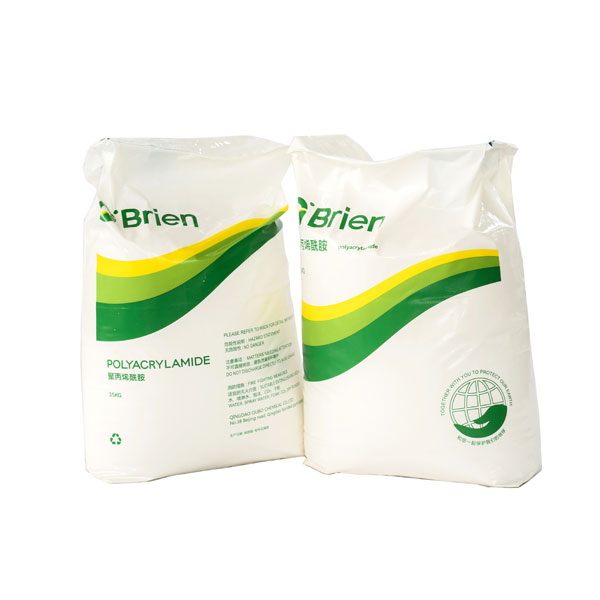
O'Brien standard heavy-duty moisture-proof bags with multi-language safety instructions and batch traceability codes.
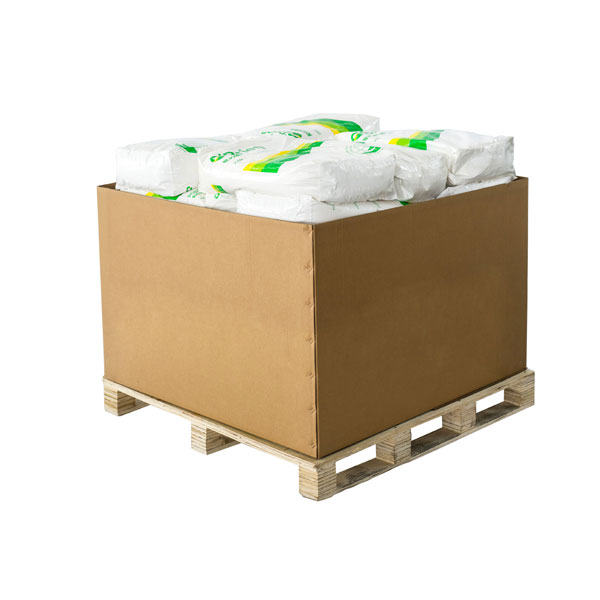
750kg and 1000kg UV-stabilized ton bags with bottom discharge spouts for continuous bulk dosing operations.
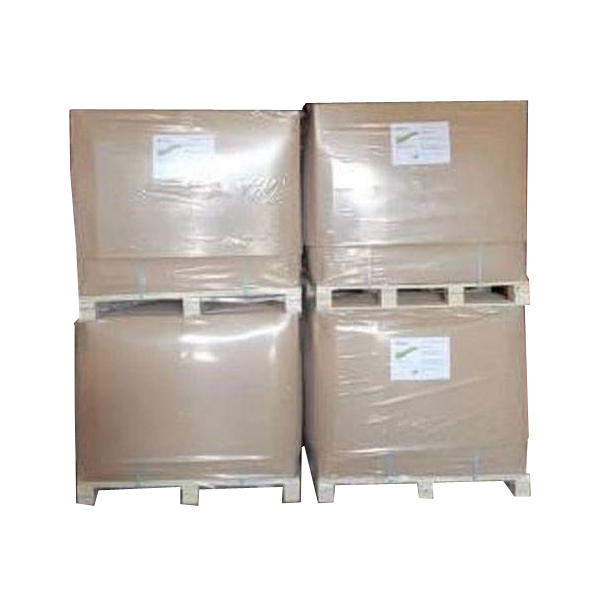
Palletized with ISPM-15 compliant heat-treated wooden/plastic pallets, shrink-wrapped for maximum sea transport stability.
To align with global carbon reduction targets and increasingly harsh reservoir environments, Oubo Chemical’s R&D division is driving innovations in hydrophobic association and nano-gel polymer chemistry.
Incorporating small amounts of hydrophobic monomer side chains creates intra-molecular cross-linking networks in aqueous solution. HA-PAM provides self-healing viscosity under extreme salinity and thermal stress, dramatically lowering required polymer loading rates in field injection wells.
Pre-formed micro-gel beads designed for high-permeability thief zone plugging. These particles swell selectively inside water thief paths without altering low-permeability oil-bearing zones, redirecting subsequent polymer drives directly into un-swept oil layers.
Pioneering low-carbon enzyme conversion pathways for acrylamide production. Our goal by 2030 is to reduce scope 1 and scope 2 manufacturing emissions by 35%, assisting international petroleum clients in achieving green ESG benchmarks.
Direct Factory Wholesale Supply with Global Technical Support
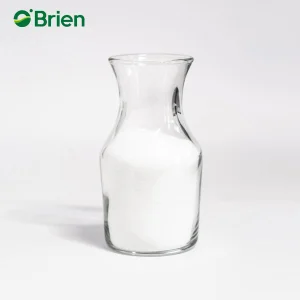
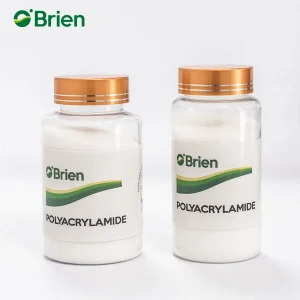
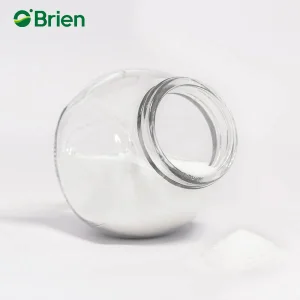
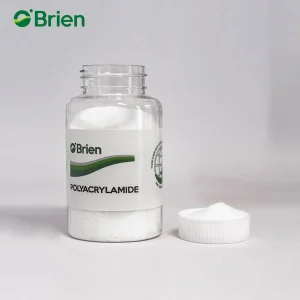
Expert Answers on Selection, Dosing, Storage, and Global Chemical Procurement
For tertiary oil recovery (EOR), polymers with molecular weights between 18 Million and 25 Million Daltons are typically recommended. The ideal choice depends on formation permeability and pore throat sizes. High-permeability reservoirs benefit from 22-25 Million Dalton polymers to maximize sweeping viscosity, while low-to-medium permeability formations require 12-16 Million Daltons to avoid near-wellbore plugging.
Oubo Chemical operates fully automated synthesis lines certified under ISO 9001:2008 standards. Every production run undergoes three separate quality testing phases: raw material monomer purity checks, in-line polymerization viscosity testing, and post-drying mesh size and residual monomer analysis. A detailed Certificate of Analysis (COA) is generated for every shipped lot.
To prepare an optimal APAM stock solution (typically 0.1% to 0.3% concentration), APAM powder must be added uniformly via an automated mechanical disperser into rapidly agitated water. Maintain mixing at 200-400 RPM for 45 to 60 minutes. Avoid high-shear centrifugal pumps during transfer, as high shear forces can degrade the long polymer chains.
When stored in original unopened, moisture-proof packaging in a cool, dry, and ventilated warehouse (temperature below 35°C), granular Anionic Polyacrylamide has a shelf life of 24 months. Aqueous solutions, once dissolved, should be consumed within 24 to 48 hours to prevent biological degradation and hydrolysis changes.
Yes. As a direct manufacturer with €2M annual dedicated R&D spending, we formulate customized APAM grades matching specific formation salinity, temperature, and target shear dynamics. Samples can be prepared and dispatched for laboratory screening prior to bulk production contracts.
 Oubo Chemical